Overview
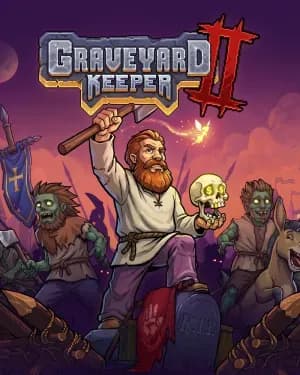
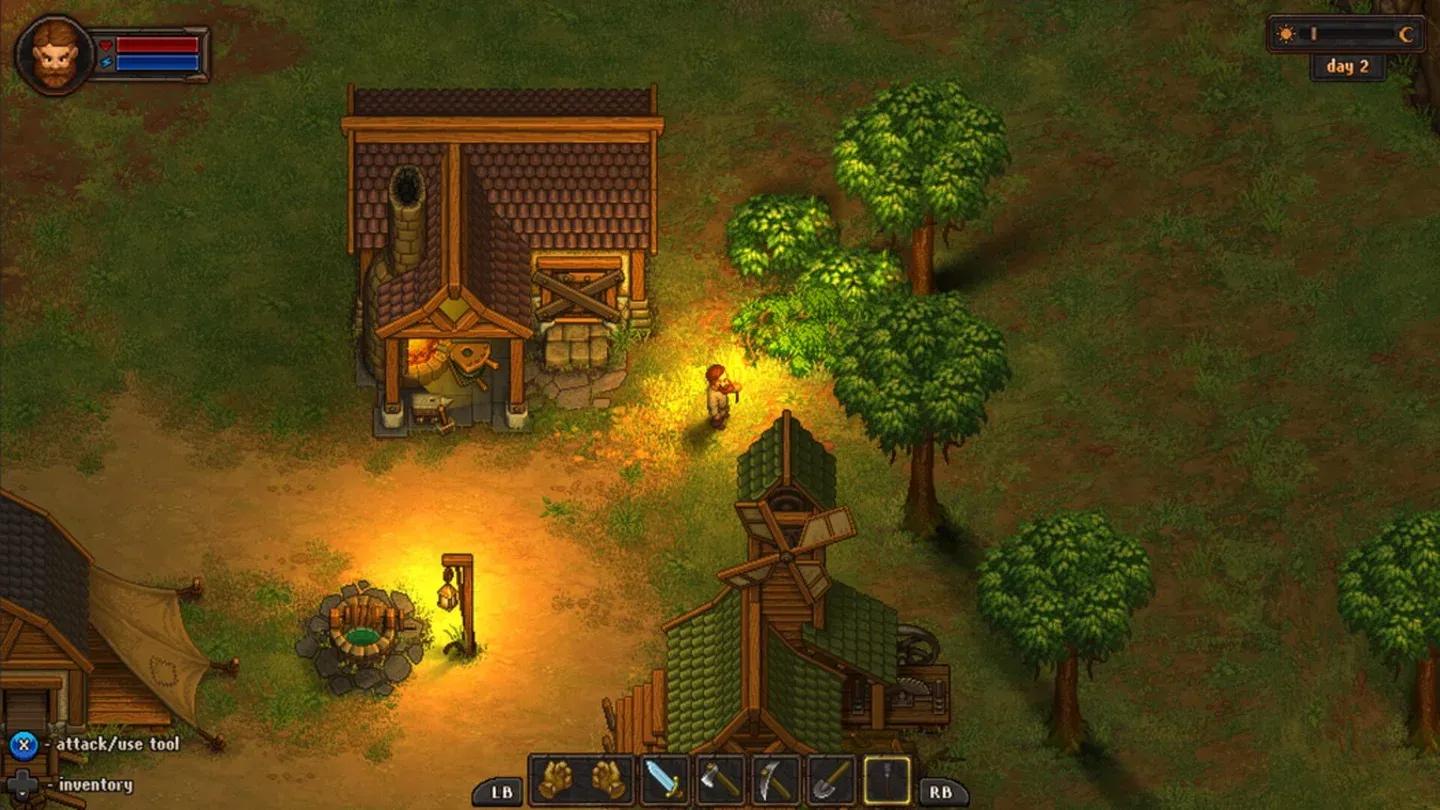
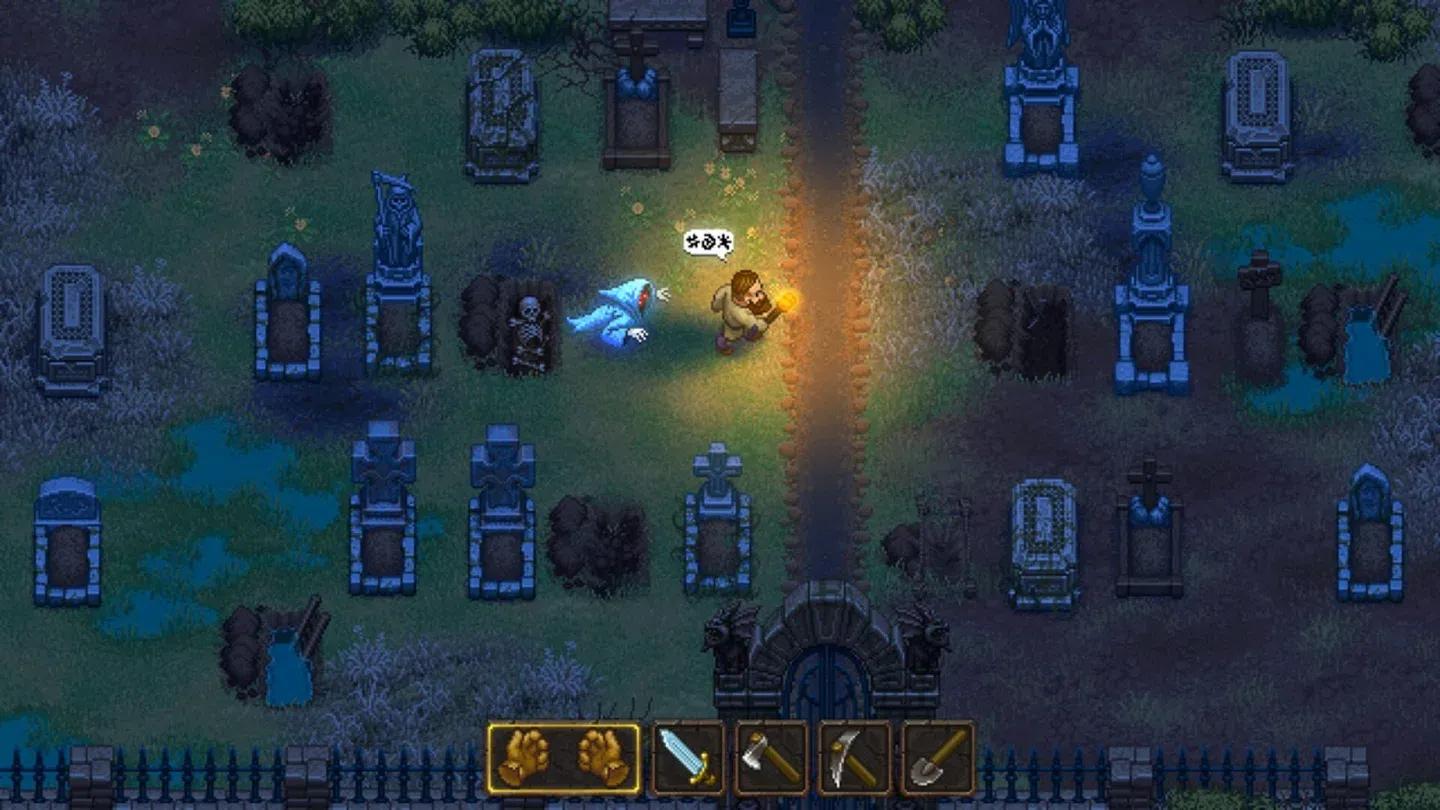
Graveyard Keeper, developed by Lazy Bear Games and published by tinyBuild, is a medieval management sim that wears its moral ambiguity like a badge of honor. Released in August 2018 across PC, consoles, and mobile platforms, it casts players as the new keeper of a crumbling graveyard who quickly discovers that ethical shortcuts are far more profitable than doing things by the book. The game's tagline, "the most inaccurate medieval cemetery management sim of the year," tells you exactly what tone to expect.
The core loop pulls from the same DNA as Stardew Valley and similar farming sims, but with a darker twist. Instead of growing crops, you're managing corpses, harvesting organs, and deciding how much of a body's blood is worth keeping versus selling. That sounds grim because it is, but the game frames it all with dry humor that keeps the experience from tipping into genuine discomfort. The comedy lands because the systems underneath it are actually well-designed.
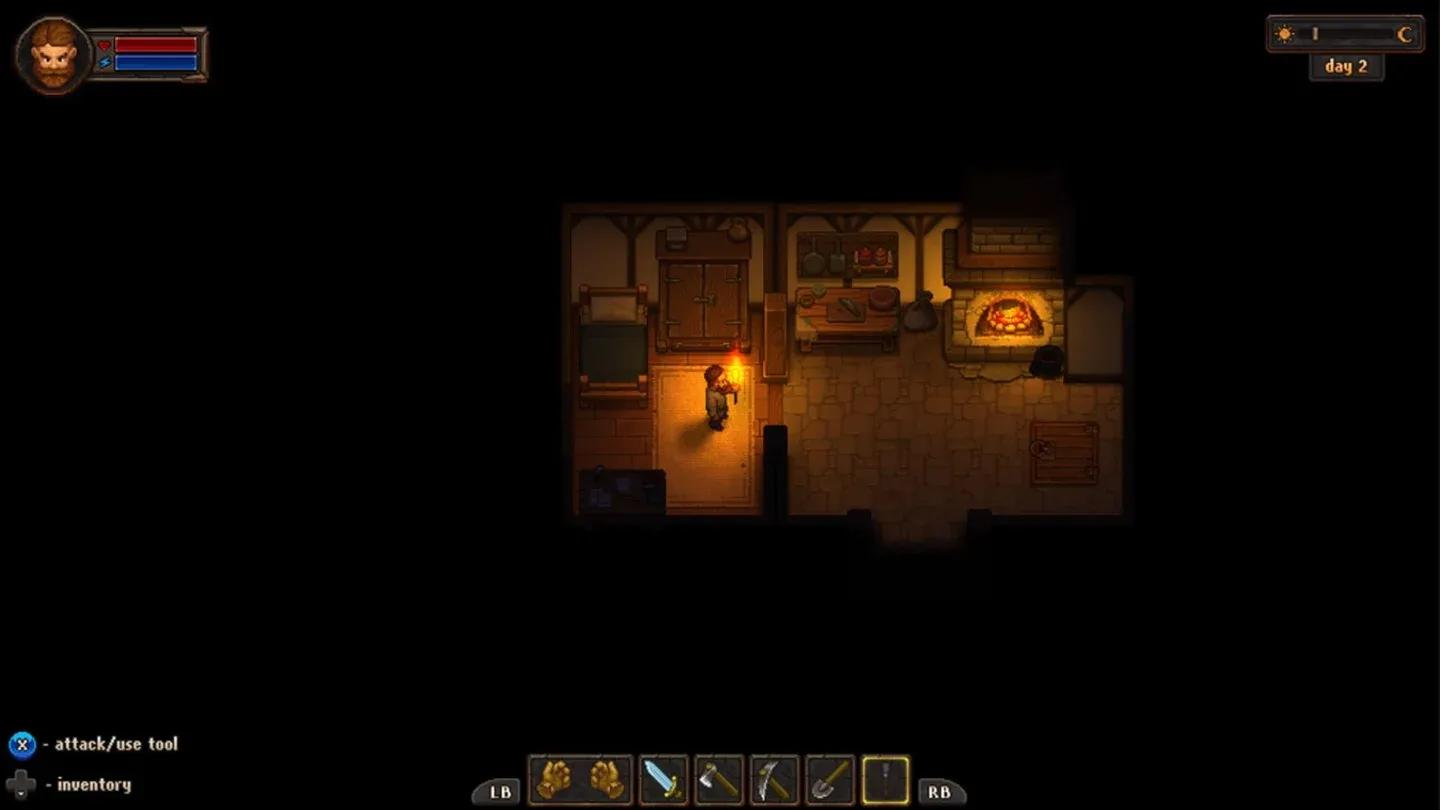
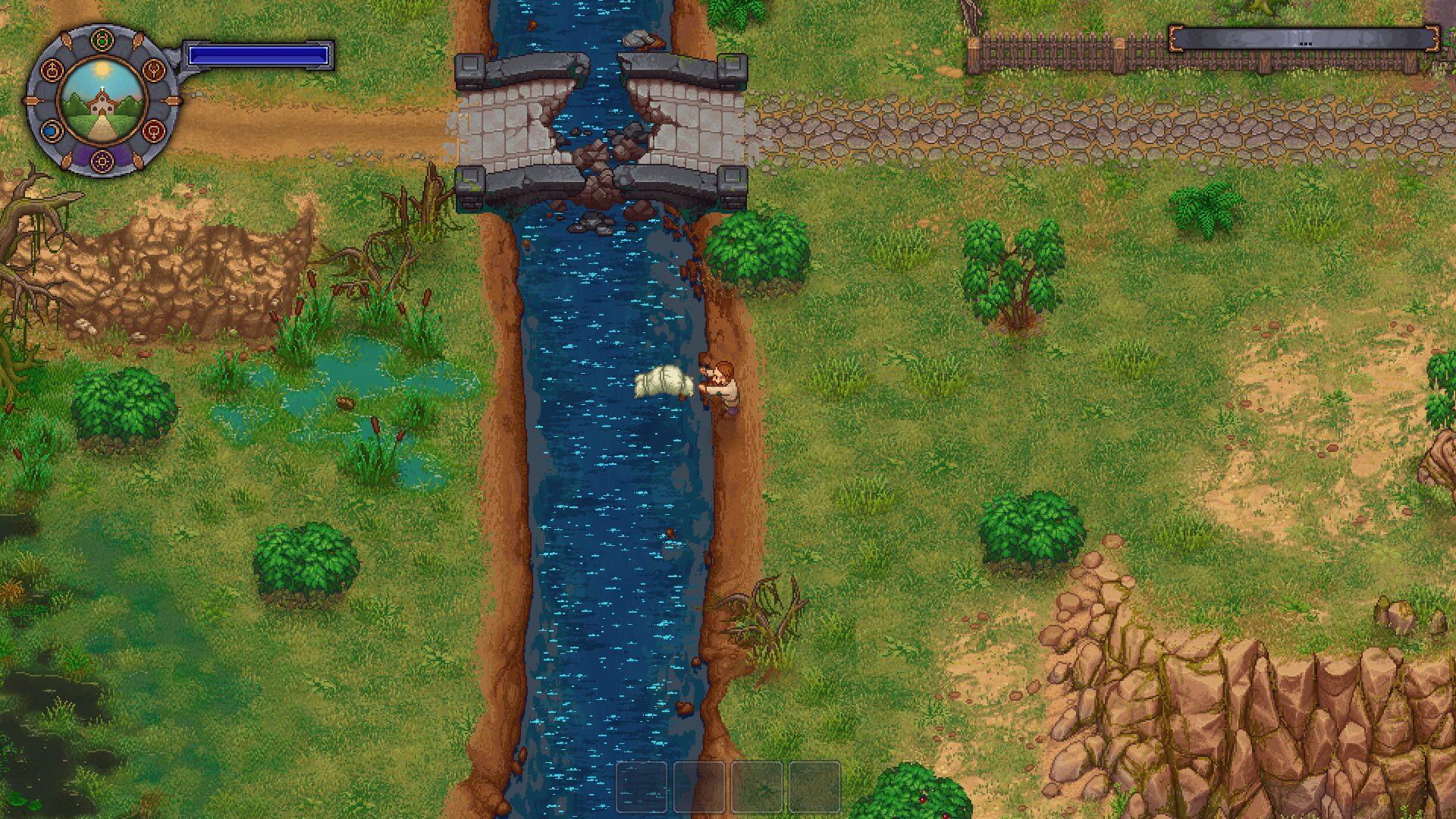
Progress moves through a research tree that unlocks new crafting recipes, building upgrades, and graveyard improvements. You gather wood, stone, and other materials from the surrounding area, then convert them into structures, tools, or tradeable goods. The pacing is deliberately slow at times, which can frustrate players expecting quick rewards, but it rewards patience with a satisfying sense of accumulation.
What makes the business side actually interesting?
The economic loop is where Graveyard Keeper earns its reputation. Early on, resources feel scarce, and every decision carries weight. Do you spend money on quality ingredients for the village festival, or do you use whatever's already on hand, consequences be damned? The game constantly presents these small ethical trade-offs, and most of them have real mechanical outcomes rather than just cosmetic ones.
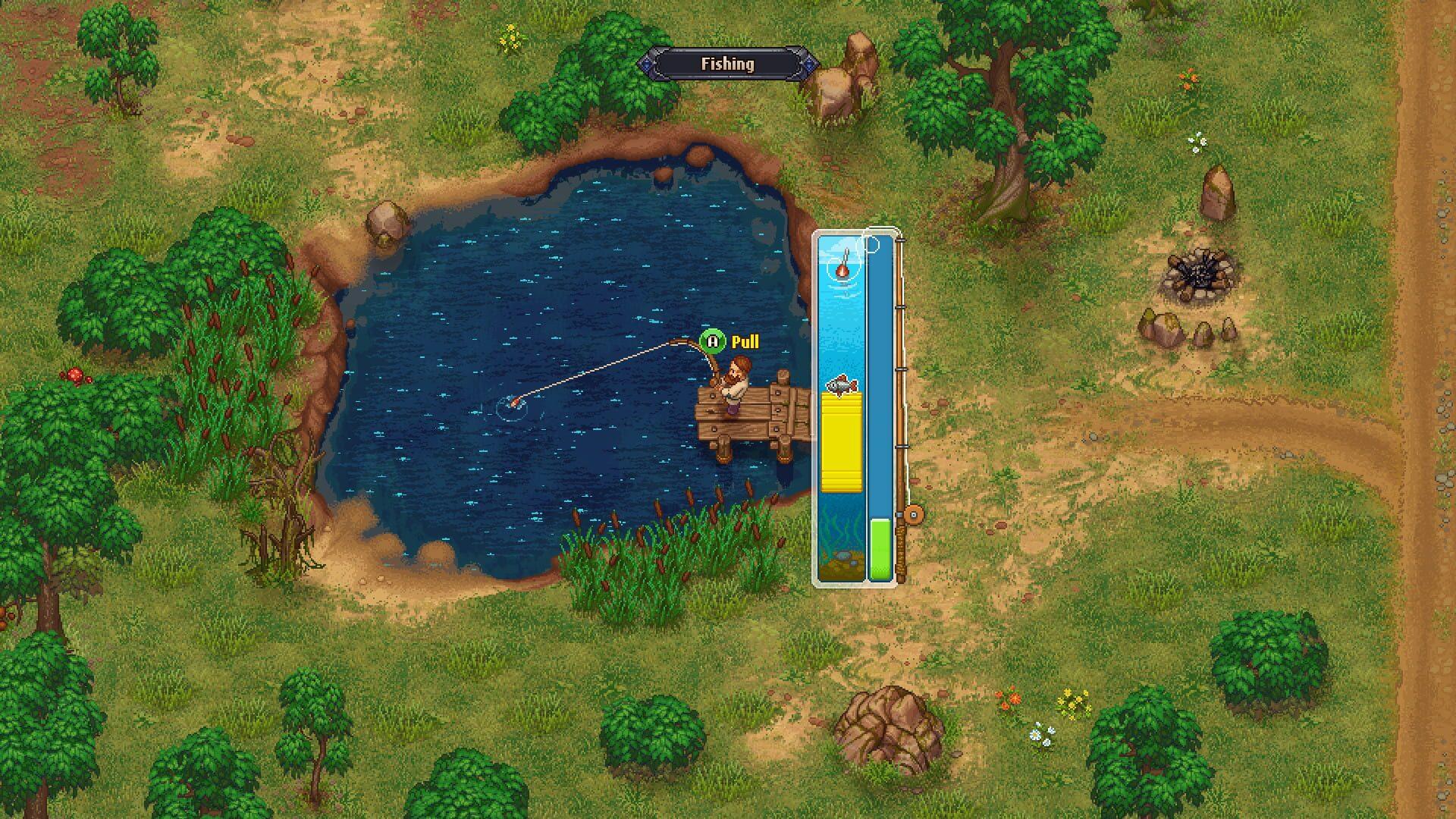
Key mechanics driving the management sim experience:
- Corpse processing and organ harvesting
- Graveyard quality ratings affecting income
- NPC relationships and trade alliances
- Festival management and crowd manipulation
- Dungeon exploration for rare ingredients
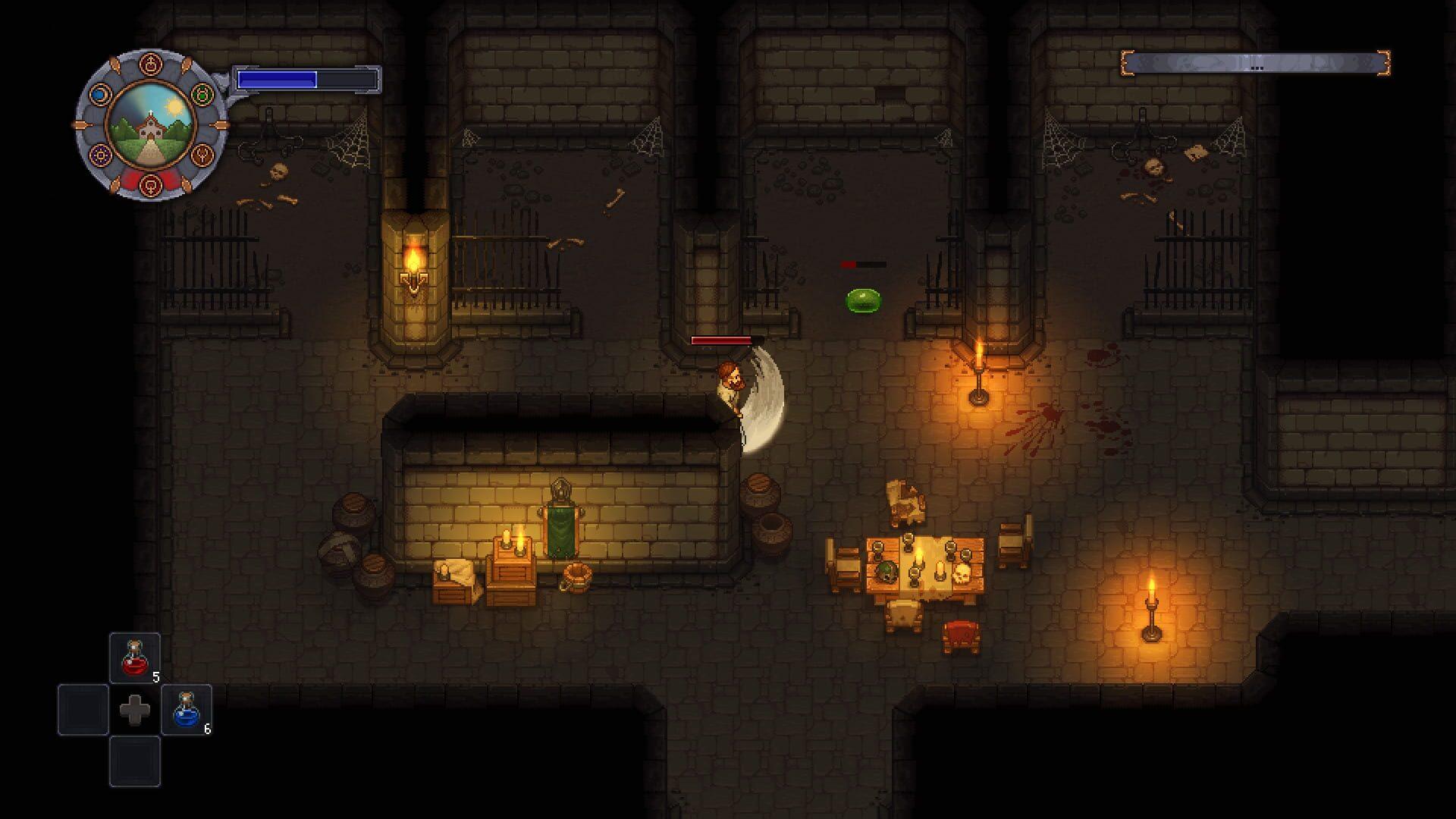
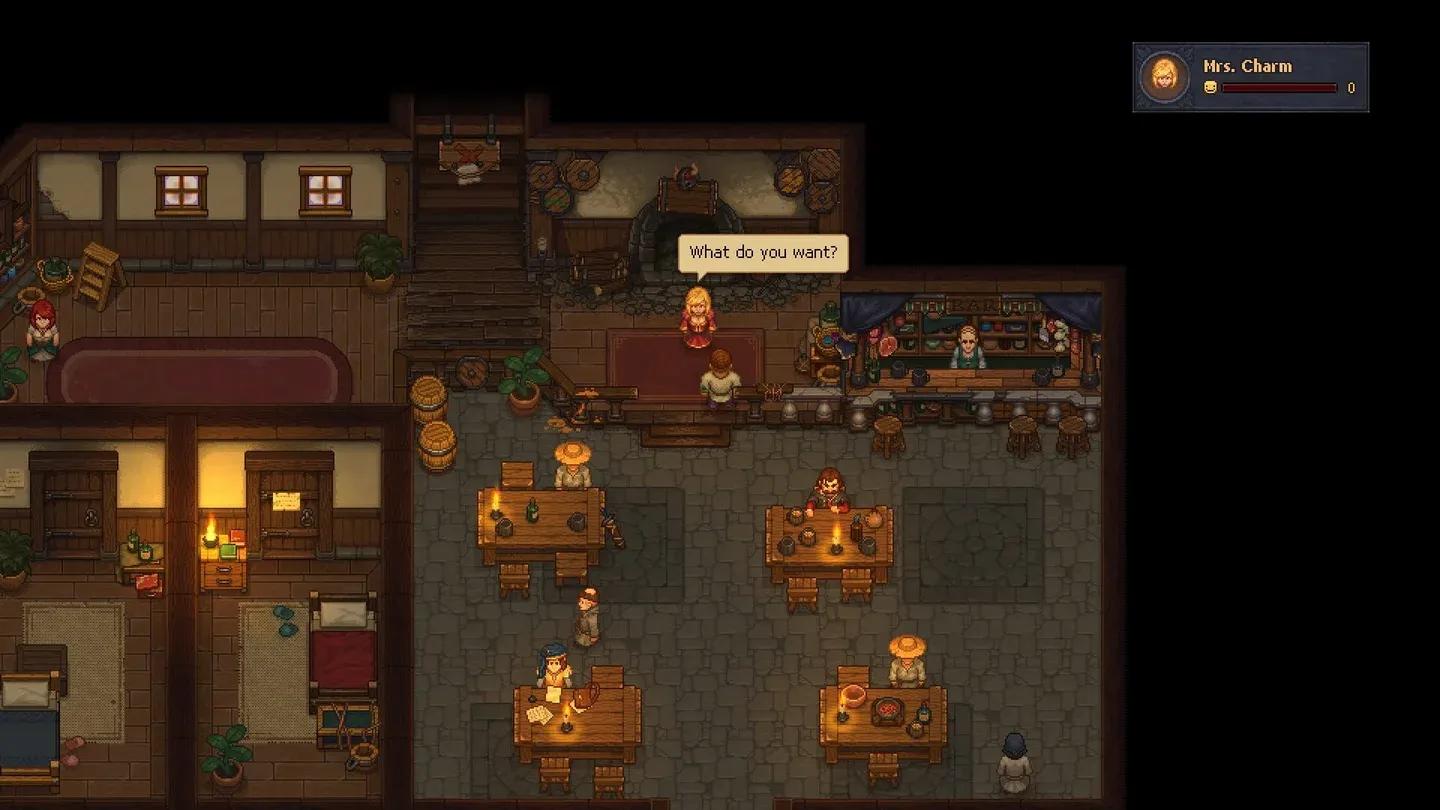
Building alliances with the local cast of NPCs opens up new trade routes and story content. The cast includes a talking skull, a merchant with flexible ethics, and an inquisitor who doesn't ask too many questions about where your supplies come from. Each relationship unlocks something useful, which gives the social layer actual mechanical teeth rather than serving as pure flavor.
World and setting: how dark is it really?
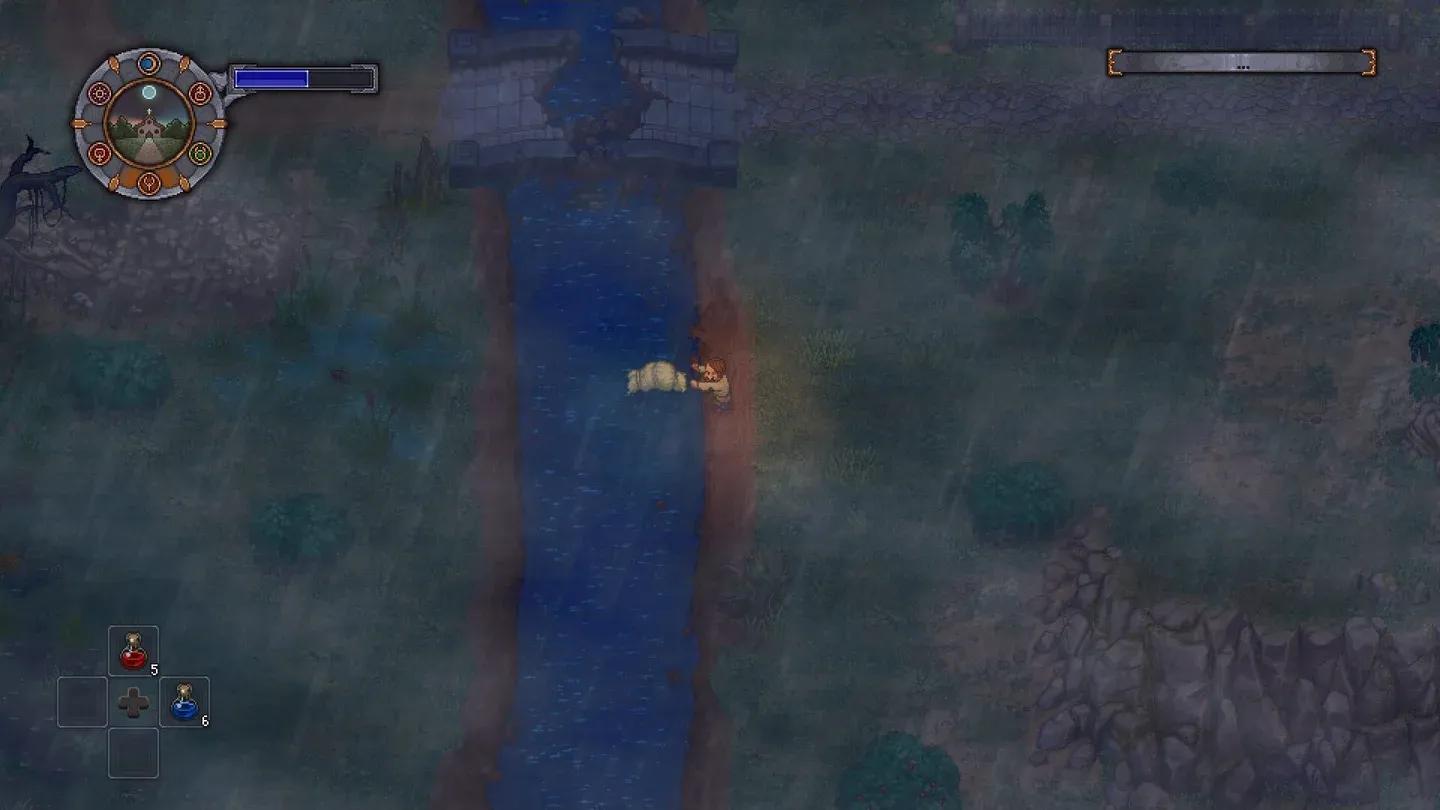
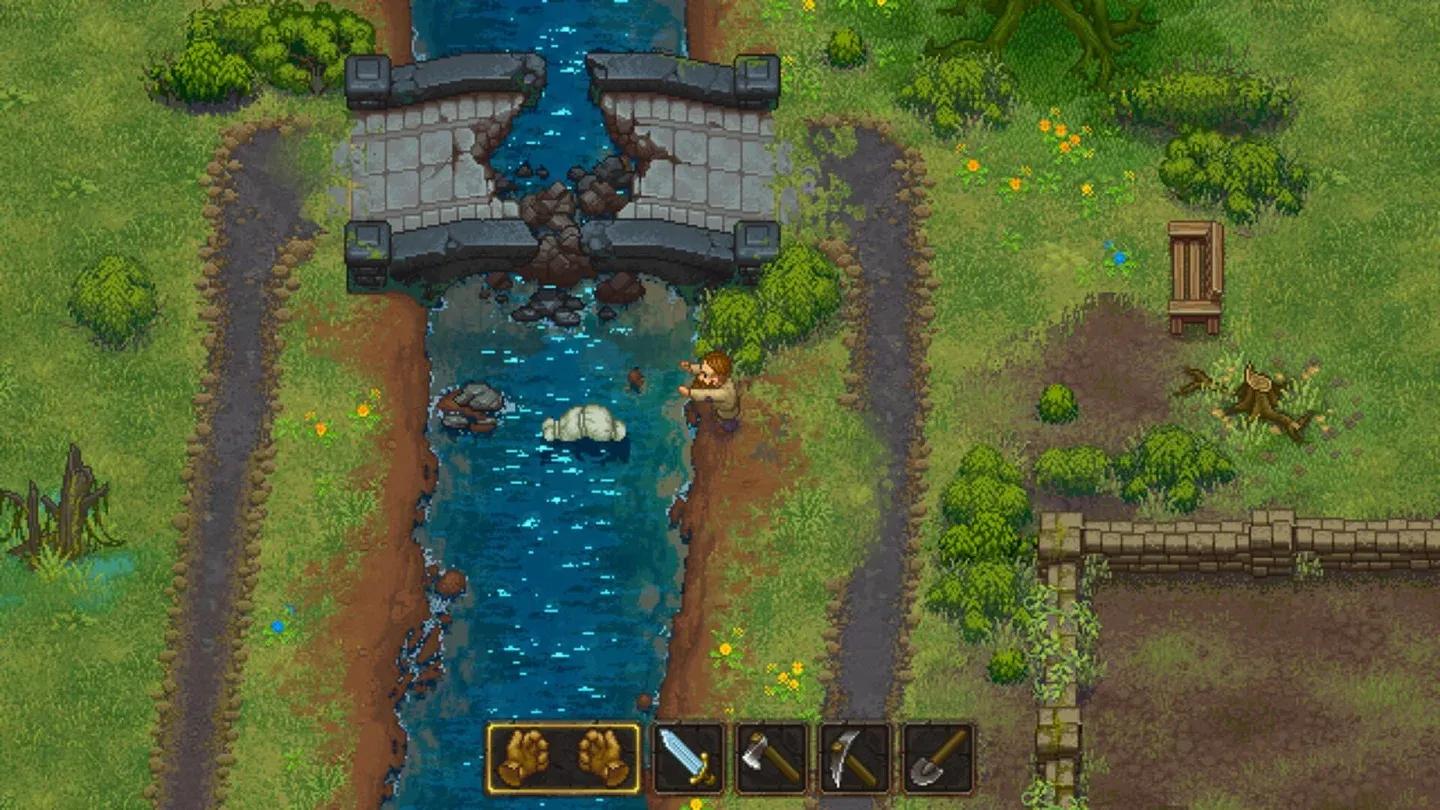
The medieval setting is more Monty Python than Game of Thrones. The art style uses warm colors and slightly cartoonish character designs that soften the grimmer subject matter. Witch-burning festivals are presented as community events. Body parts are commodities. The game never lets you forget that it's poking fun at capitalism as much as it's simulating it.
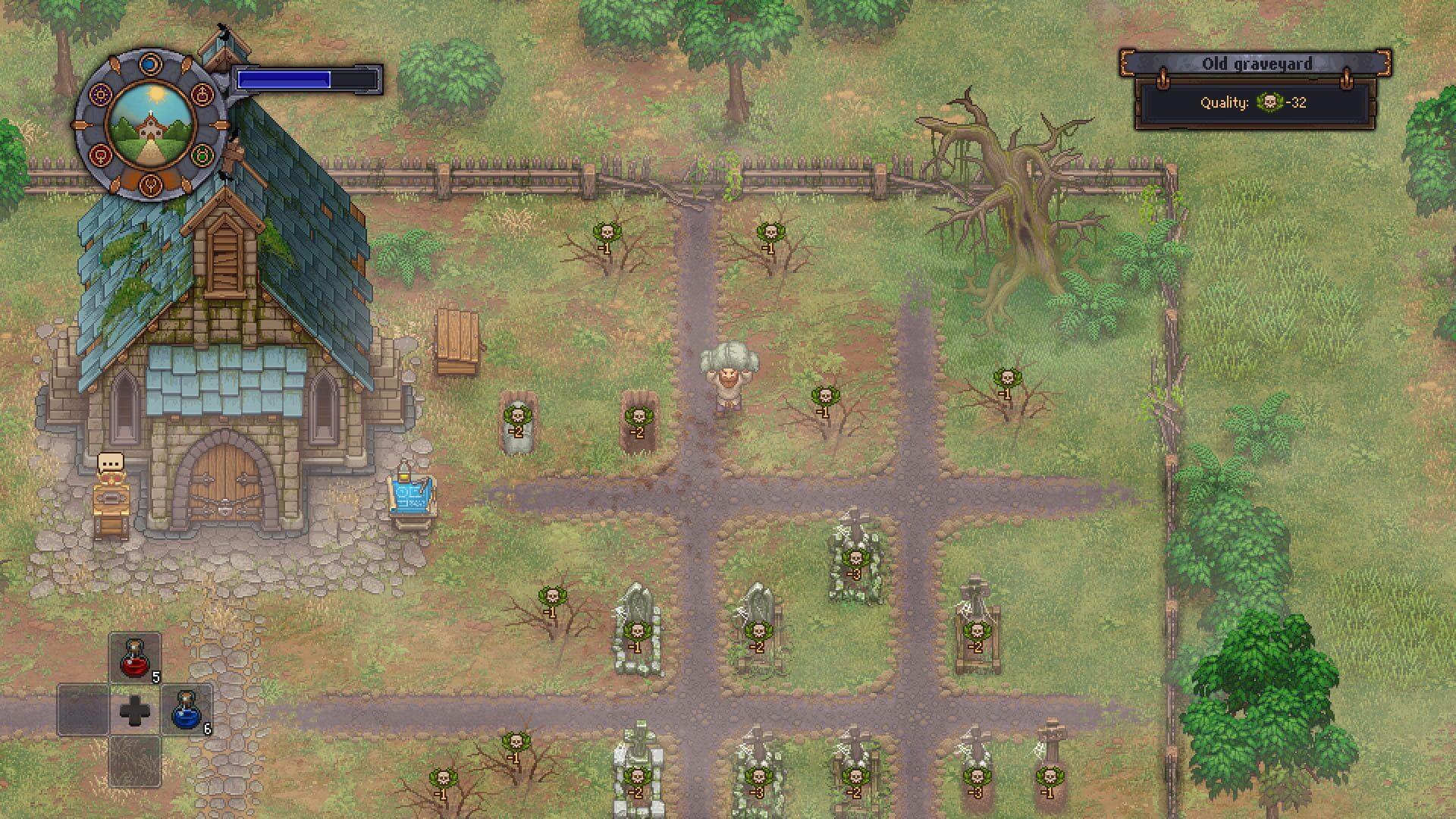
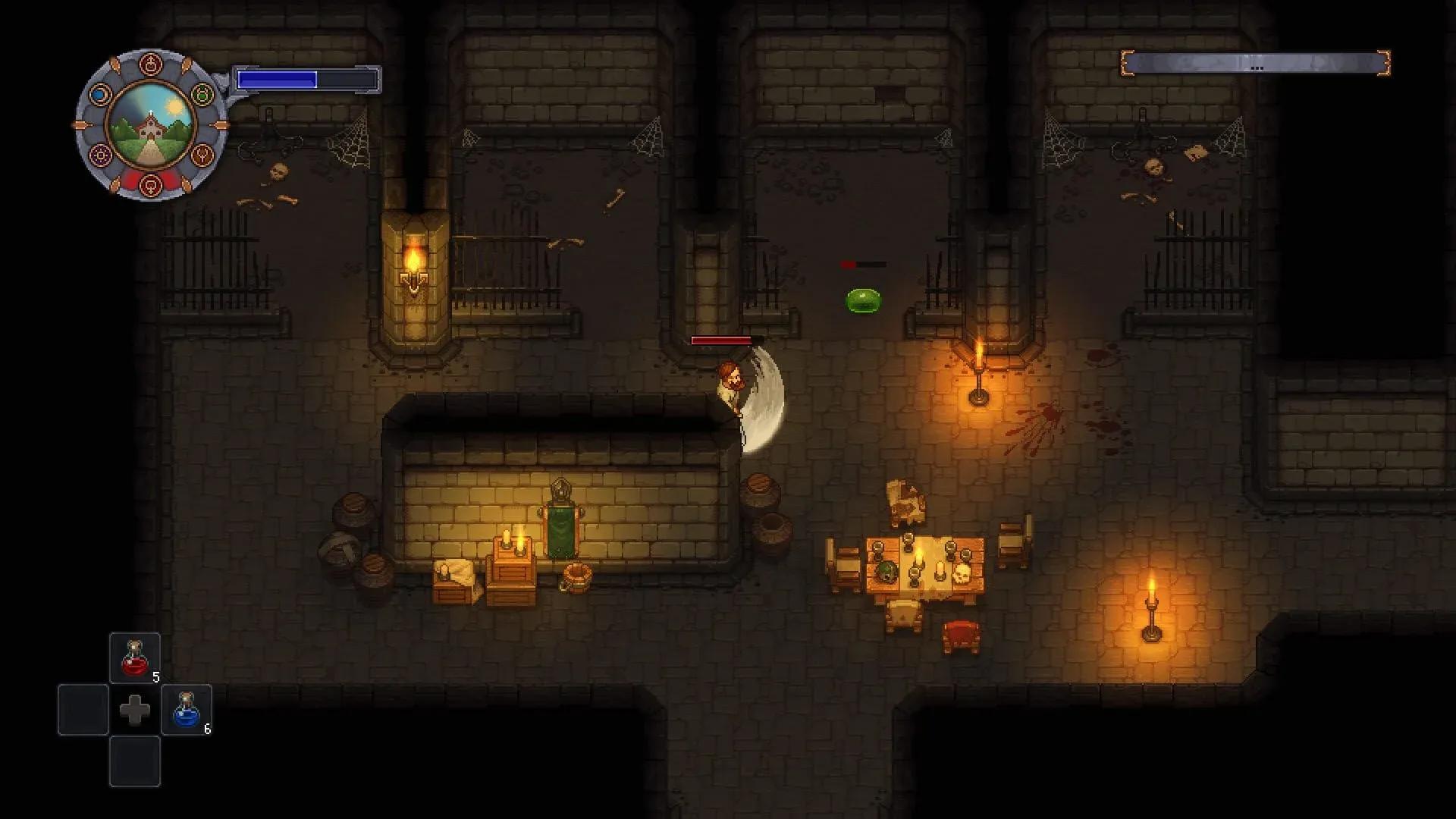
Dungeons add a light action element to the otherwise slow-burn management loop. They're not particularly deep combat encounters, but they provide a change of pace and yield ingredients that can't be found on the surface. Some of those ingredients, as the game cheerfully notes, may or may not cause problems for nearby villagers.
Content and replayability
Graveyard Keeper received several DLC expansions after launch, including "Better Save Soul," "Stranger Sins," and "Game of Crone," each adding new characters, questlines, and mechanics. The base game alone runs 30 to 50 hours depending on how thoroughly players engage with the research tree and side quests.
The game is available on Windows, macOS, PlayStation, Xbox, Nintendo Switch, Android, and iOS, making it one of the more widely accessible management sims in its category.
Conclusion
Graveyard Keeper is a management sim with a personality. The medieval cemetery setting gives it a hook that separates it from the field, and the capitalism satire running underneath everything adds a layer of commentary that makes the grimmer mechanics feel purposeful. Players who enjoy resource management games and don't mind a slow build will find a lot to dig into here. The DLC expansions extend an already generous base game, and the multi-platform availability means the body count can grow on just about any device you own.