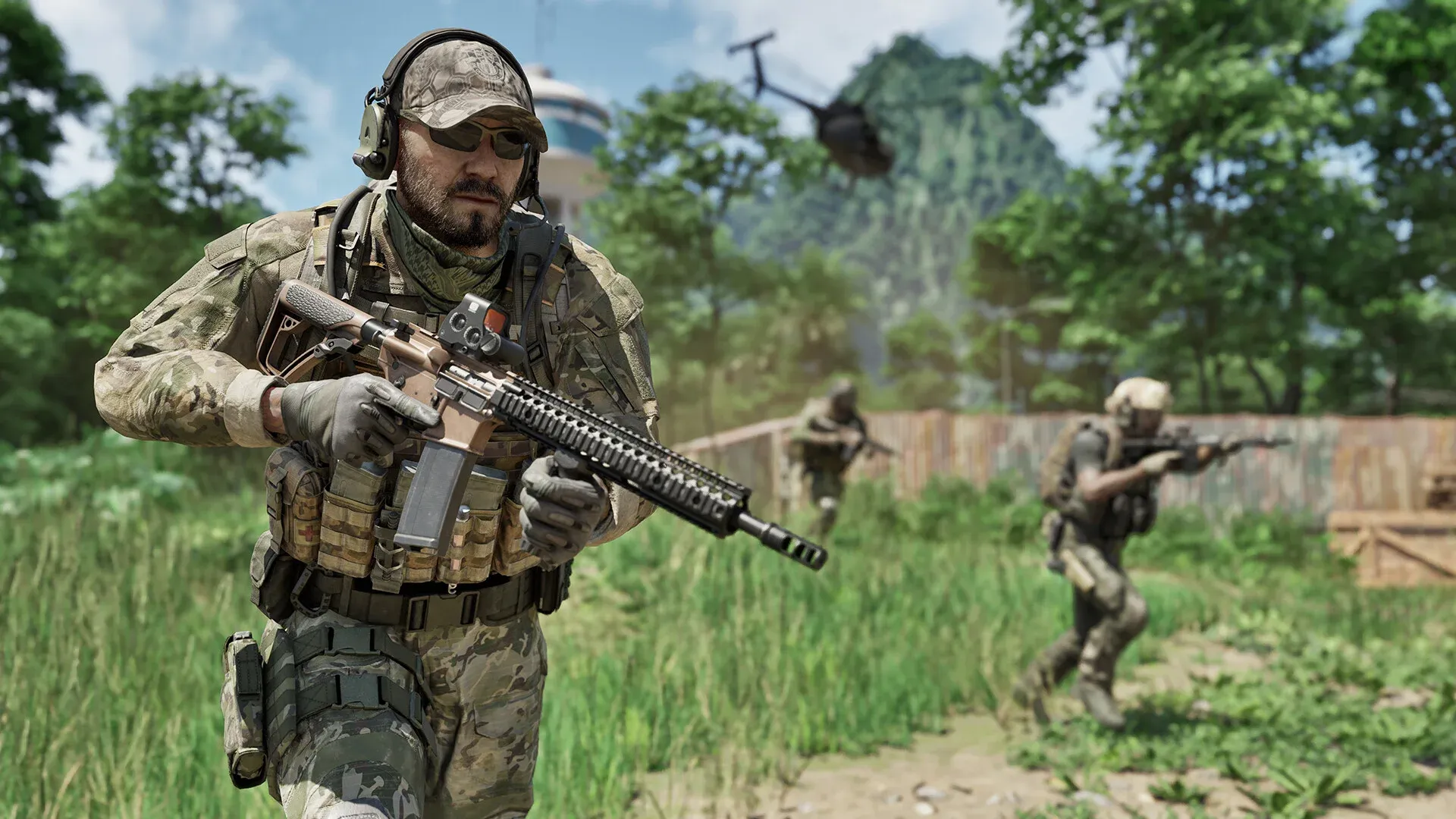

Gray Zone Warfare does not ease you in. You land on Lamang, the jungle is hostile, the AI is unforgiving, and one bad decision means losing every piece of kit you brought with you. The 0.4 Spearhead update changed a lot of what veteran players knew, so even returning operators need to reset their expectations. These 7 tips will get you oriented fast and keep your gear where it belongs: on your body.
Start with the tutorial, not the extraction zone
When Gray Zone Warfare launched in early access, there was no onboarding. Players were dropped straight into Lamang with no guidance and learned by dying repeatedly. The 0.4 update fixed that with a dedicated tutorial area featuring an obstacle course, a shooting range, and an infirmary tent.
Run through all of it before your first real deployment. The game also added a 110-page in-game Field Manual you can consult mid-session if you forget a mechanic. Skipping the tutorial is technically possible, but you will pay for that decision in lost gear within the first hour.
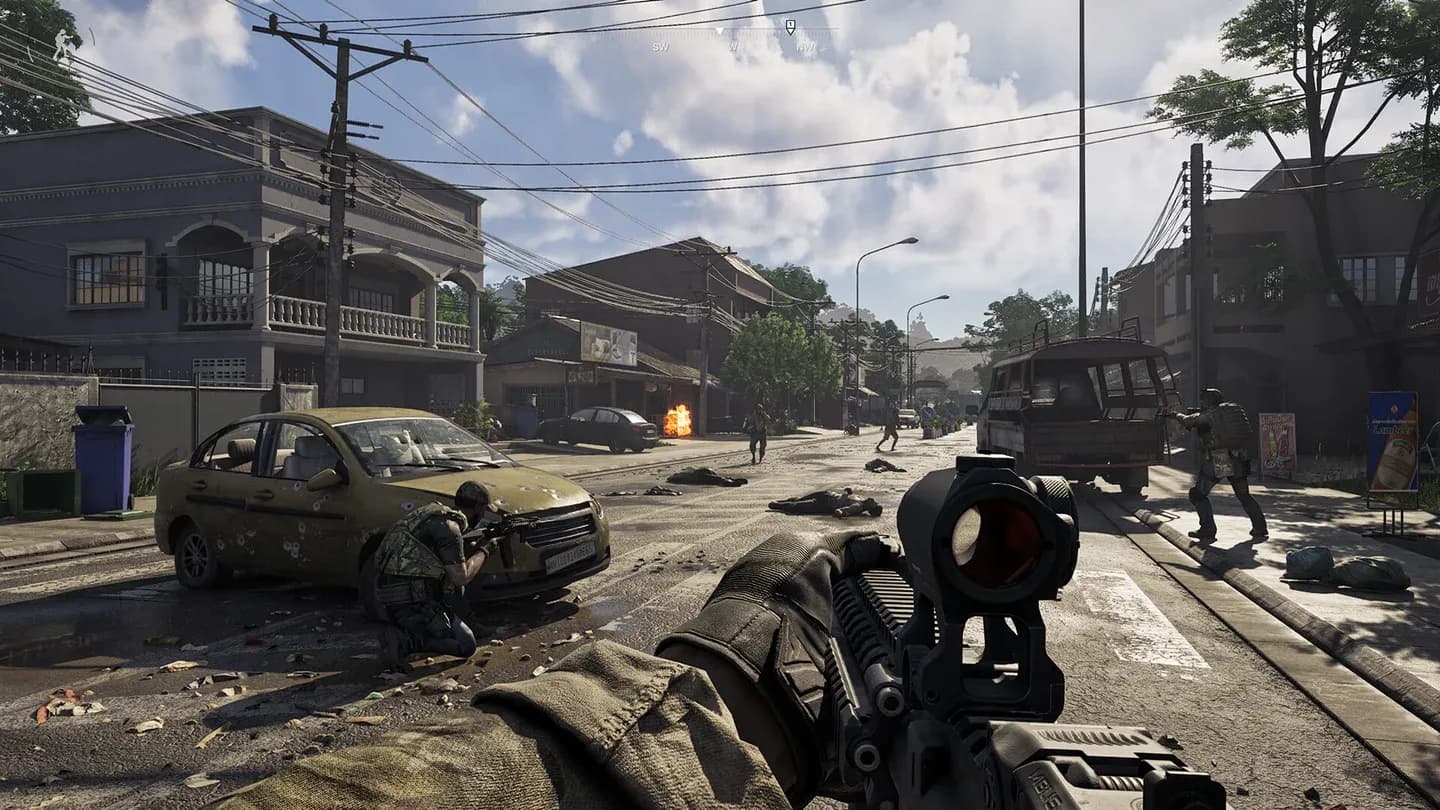
Tutorial range in 0.4 update
How does the medical system work in Gray Zone Warfare?
Healing here is not a single button press. Different injuries require different medical items, and the 0.4 update overhauled the system further by improving visual combat readability. You can now read how badly an enemy is hurt based on their hit reactions: light hits produce short animations, while bone or organ damage causes prolonged staggering.
That same feedback applies to your own character. Learning to recognize these animations in real time will tell you when to push and when to fall back and treat yourself.
warning
Do not assume a single bandage covers every injury type. Stock a range of medical supplies before deploying, or you will find yourself unable to treat a specific wound mid-firefight.
Always carry the right tools for the job. Organ damage and bone fractures need specific items, not just generic bandages.
Use darkness as a weapon
Stealth has always been viable in Gray Zone Warfare, but the 0.4 update made it a genuine tactical option rather than a playstyle quirk. You can now shoot out physical lights, hit fuse breakers, and disable noisy generators to plunge enemy compounds into total darkness.
Once a compound goes dark, the advantage shifts hard in your favor if you have night vision goggles equipped. Larger enemy squads become manageable when they cannot see you coming. Moving slowly and using shadows is not a passive approach here; it is often the most efficient way to clear a location without taking heavy casualties.
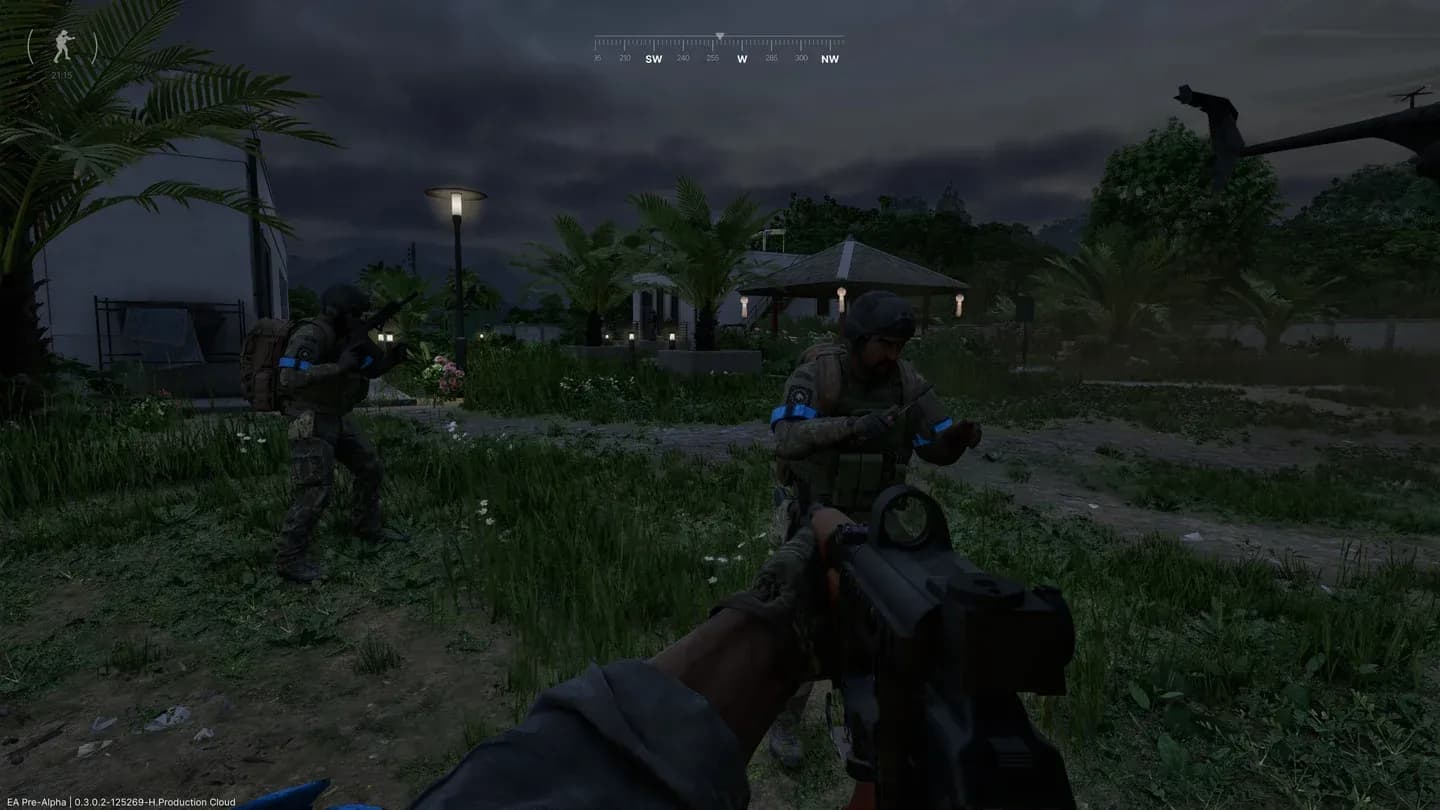
Night ops after cutting compound power
info
Shoot out generator lights before breaching a compound. The noise and darkness combination disorients AI patrols and gives you several seconds of free movement before they regroup.
Why should you prioritize food and water?
Survival mechanics are easy to ignore in extraction shooters until they become a problem. In Gray Zone Warfare, ignoring your hydration and energy levels costs you more than just health. The 0.4 update added active gameplay buffs tied to specific food and drink items, meaning what you consume before and during a raid actually changes how your character performs.
Always pack a water bottle and rations before boarding a helicopter. The buffs from staying fed and hydrated stack with your other preparations and can make a measurable difference in extended engagements.
info
Specific food and drink items grant different buffs according to the 0.4 update patch notes. Experimenting with different consumables to find which buffs suit your playstyle is worth the early investment.
Beware of grouped AI and faction bosses
Pre-0.4, experienced players could reliably pick off lone AI guards without much risk. That approach no longer works. The update completely reconfigured AI behavior: enemies now patrol in coordinated squads covering designated areas.
The stakes get higher when you are hunting one of the seven AI faction bosses for their exclusive weapons. These bosses now spawn with heavily armed bodyguards surrounding them. Rushing a boss solo without scouting the patrol patterns first is a fast way to lose your best loadout.
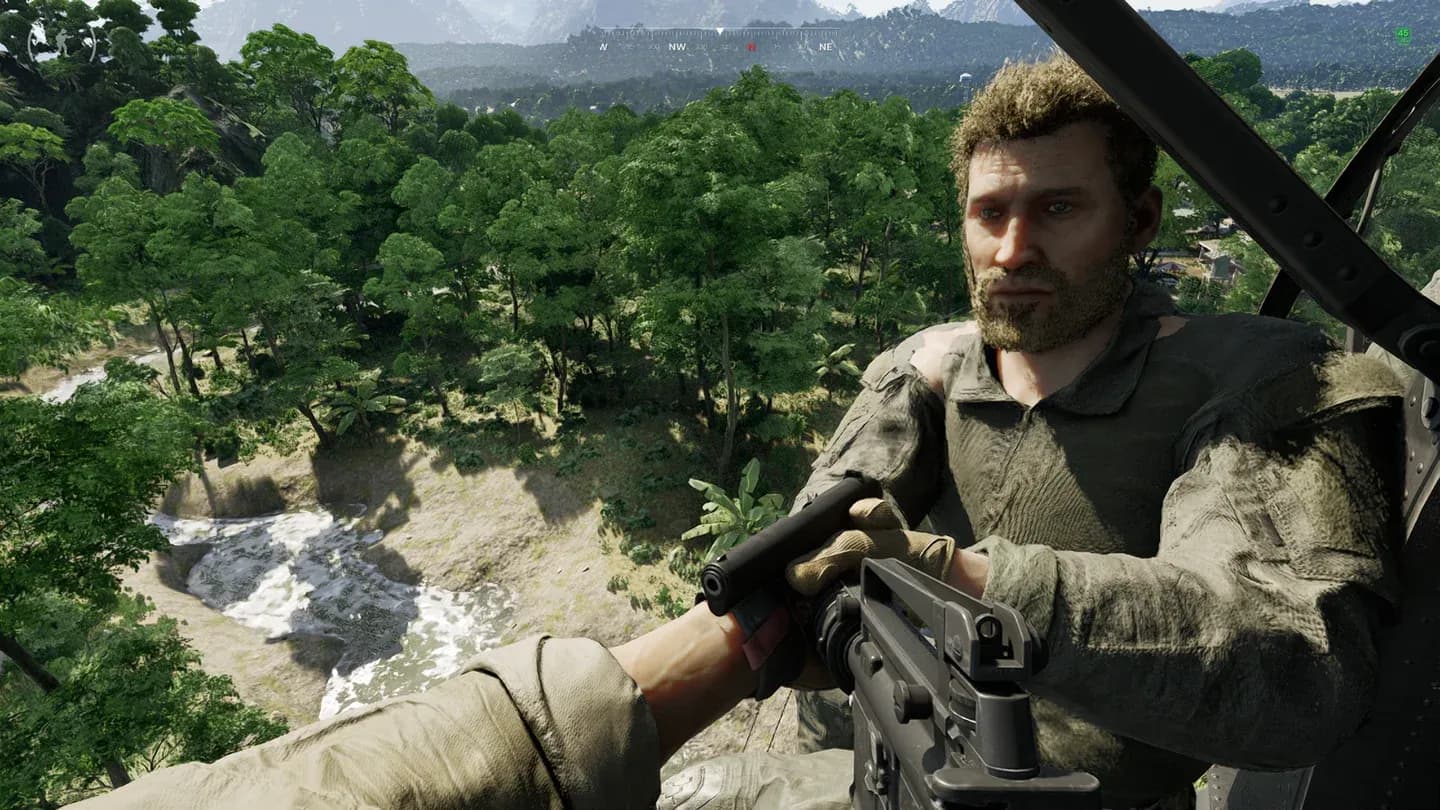
Faction boss with bodyguard patrol
Take time to observe patrol routes before engaging. The coordinated squad behavior means one alert can bring multiple enemies down on your position simultaneously.
How do tasks work in Gray Zone Warfare?
Progression in Gray Zone Warfare runs through your vendor relationships, and vendors level up when you complete tasks. The 0.4 update added over 100 new quests and redesigned the task UI from scratch. Tasks now fall into three categories:
Focus on Main Tasks first. They level your vendors the fastest, which unlocks better weapons and armor tiers earlier. Side Tasks and Contracts are worth doing, but not at the expense of your main progression path.
For more tactical guides and the latest gaming coverage, browse more guides on GAMES.GG.
What goes in your Secure Lockbox?
Your Secure Lockbox (also called your secure container) is the only inventory slot that survives your death. Everything else on your body is gone when you go down. That makes what you put in the lockbox one of the most consequential decisions you make before each raid.
Basic ammo and standard bandages do not belong there. Those are replaceable. The lockbox is reserved for high-value items, rare faction keys, and expensive task objectives. Getting into that habit early means that even a bad raid does not completely set you back.
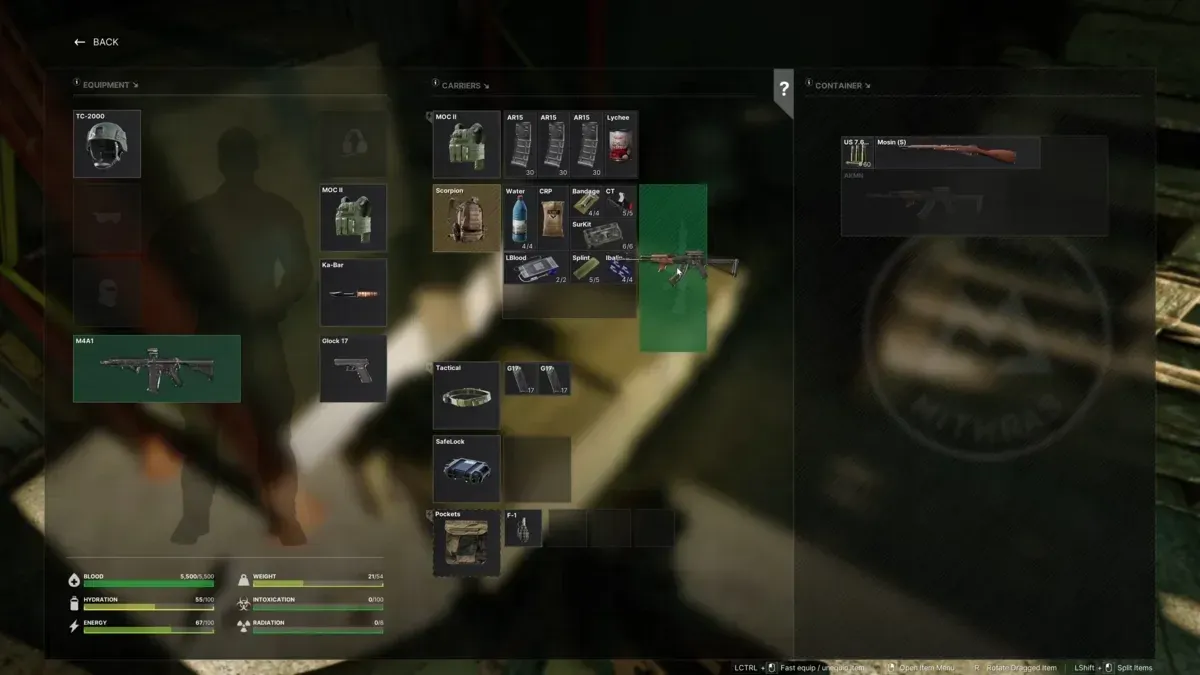
Secure Lockbox inventory slot
warning
Never fill your Secure Lockbox with common supplies. One death with rare keys or mission-critical items stored outside the lockbox can cost you hours of progress.
Quick reference: 7 tips at a glance
Gray Zone Warfare rewards patience and preparation over aggression. The 0.4 Spearhead update raised the ceiling on both the complexity and the satisfaction of getting things right. Take the time to learn the systems, respect the AI, and protect your most valuable loot, and Lamang becomes a lot less punishing.