


Overview
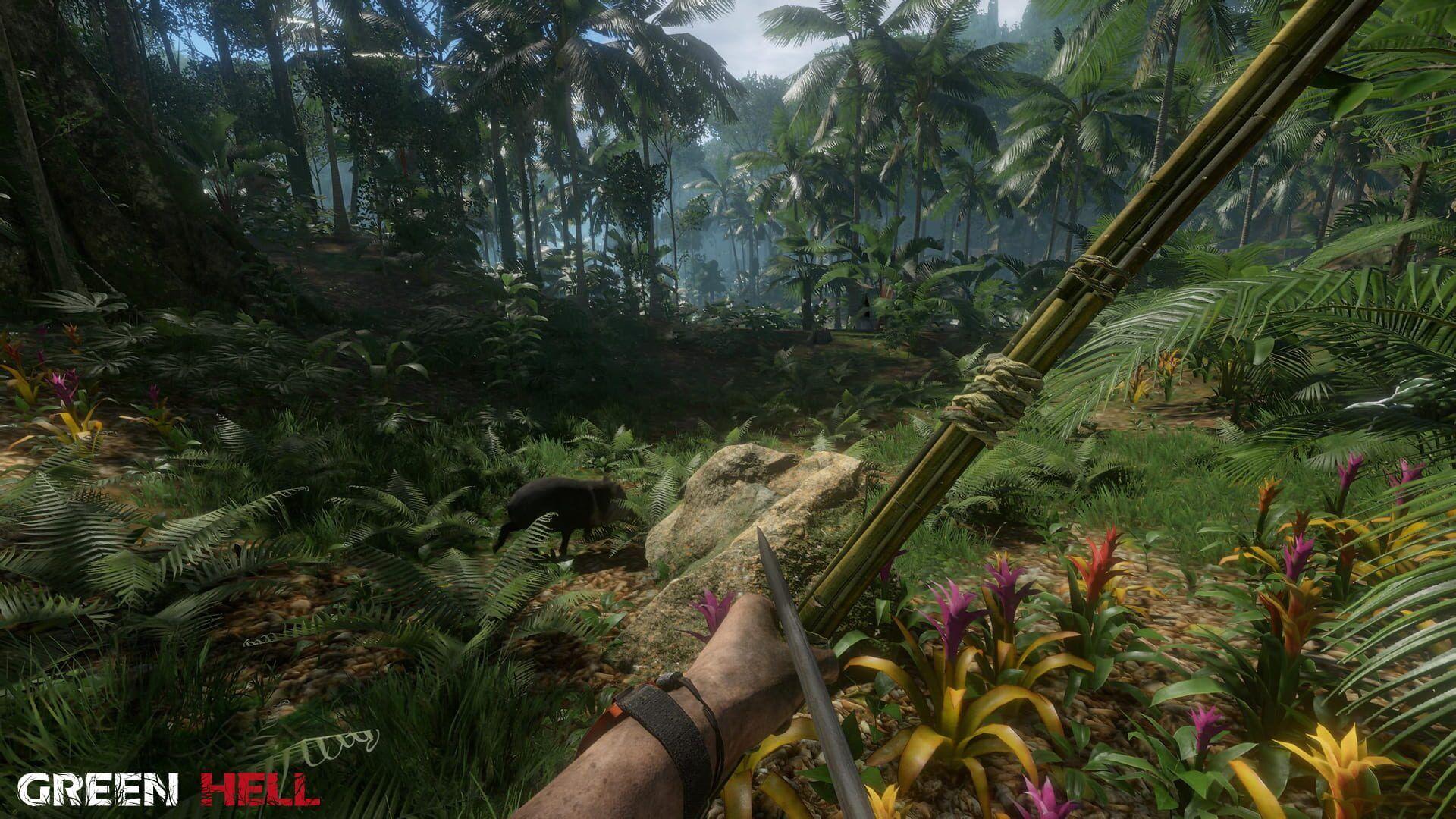
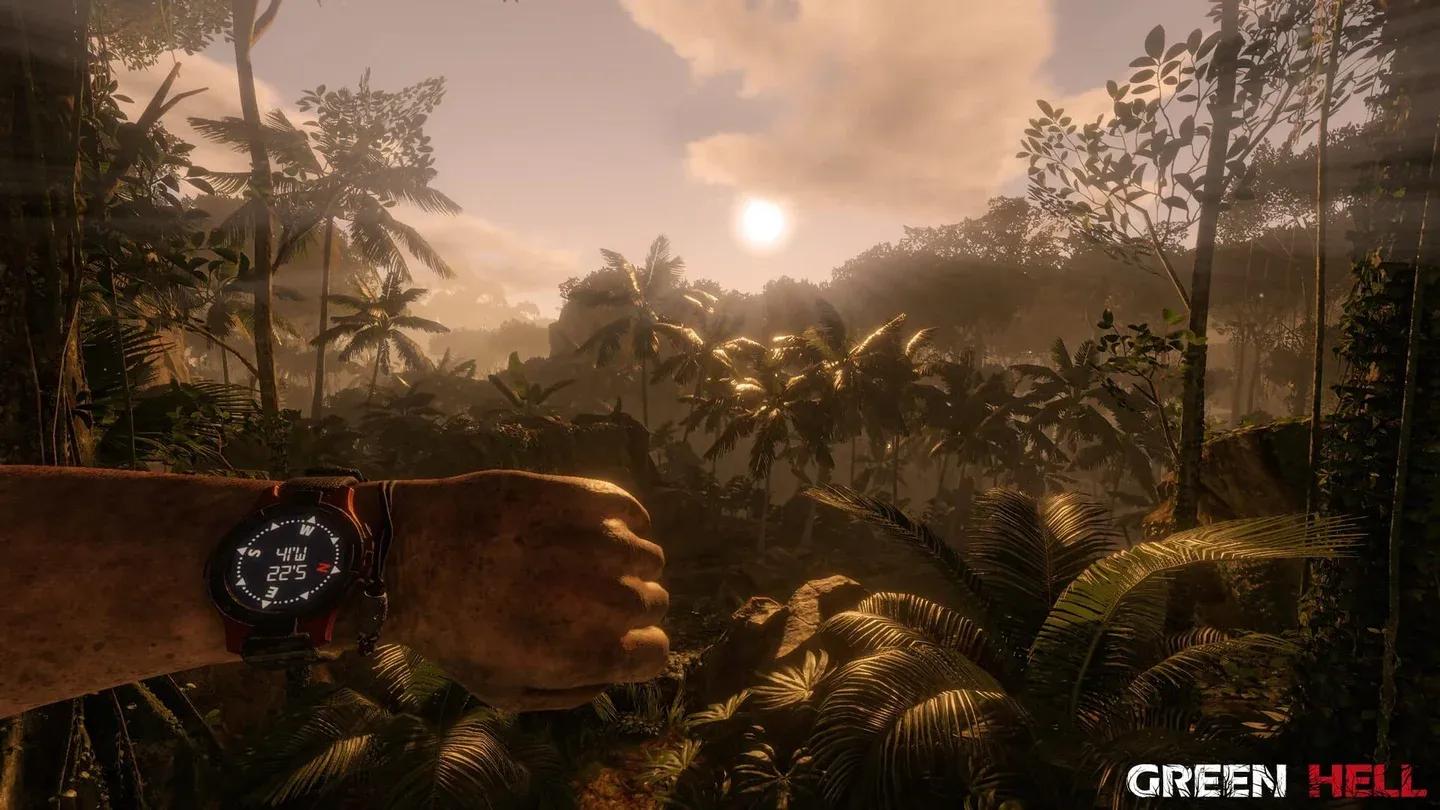
Green Hell drops protagonist Jake Higgins into the Amazon rainforest with nothing but a radio and the distant voice of his missing partner, Mia. Released on September 5, 2019, by Warsaw-based indie studio Creepy Jar, the game builds its identity around two things most survival games treat as afterthoughts: authentic wilderness techniques and the psychological cost of isolation. The result is a game that feels less like a power fantasy and more like a stress test.
The story unfolds gradually, peeling back the mystery of how Jake ended up alone in the jungle while the environment actively tries to end him. What starts as a straightforward rescue mission becomes something stranger and more unsettling, with hallucinatory sequences that blur the line between the jungle's real dangers and the ones Jake's mind manufactures. The narrative payoff rewards players who push through the survival grind rather than treating story as background noise.
Survival mechanics: how realistic does it actually get?
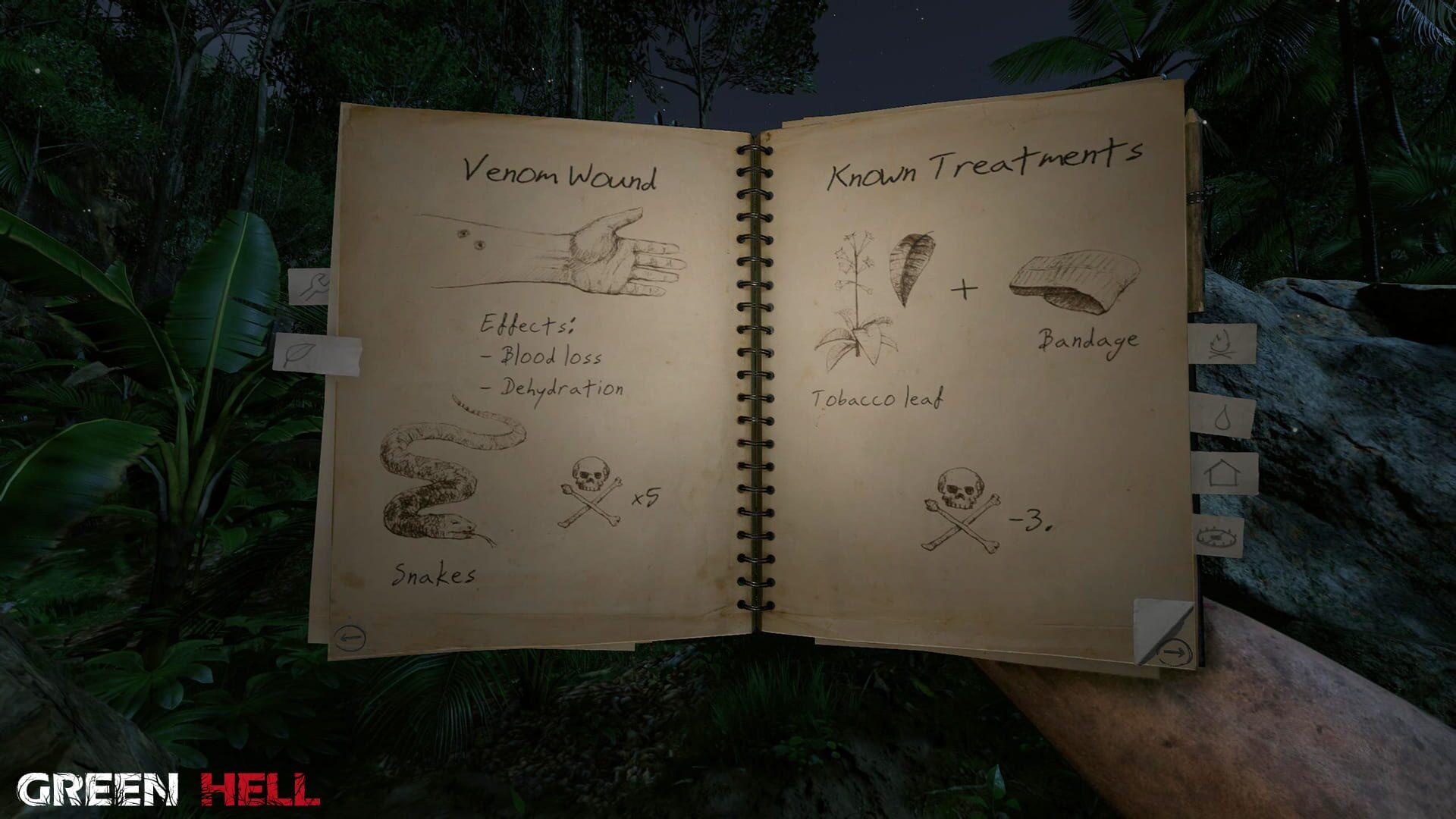
Green Hell's survival systems go deeper than most games in the genre. Hunger, thirst, and sleep are the basics. The game layers on top of those a body inspection system where you physically examine Jake's limbs for wounds, infections, bone fractures, and parasites, then treat each condition with the appropriate resource. A leech on your leg requires different handling than a festering cut or a broken arm, and misidentifying a condition can make things worse.
Key survival mechanics include:
- Body inspection and wound treatment
- Fire-starting and shelter construction
- Trap-building and hunting
- Foraging and basic crop cultivation
- Sanity management tied to physical health
The crafting system rewards experimentation. Sticks, stones, vines, and bones combine into tools and weapons through a notebook-style recipe system that fills in as you discover new combinations. Nothing gets handed to you through tutorial pop-ups. The first few hours are genuinely punishing for players who expect to figure things out on the fly.

A world that actively resists you
The Amazonian setting does more work here than a backdrop usually does. Weather systems change the environment dynamically, rain making fire-starting harder and flooding low ground. Day-night cycles shift the threat profile entirely, with nocturnal predators and the psychological weight of darkness compounding the challenge. The biodiversity extends to genuinely dangerous fauna: jaguars, caimans, spiders, and more all behave according to simulated patterns rather than scripted ambush triggers.

The sanity mechanic ties Jake's psychological condition directly to his physical state. Poor nutrition, injuries, and extended exposure to stressful situations degrade his mental health, triggering hallucinations and behavioral changes. Keeping both systems stable requires actual planning rather than reactive button-pressing.
Is Green Hell worth playing with friends?
Co-op multiplayer supports up to 4 players online, which transforms the experience significantly. The survival pressure doesn't disappear in co-op, but dividing responsibilities makes the early game more manageable and turns the whole thing into a collaborative problem-solving session. The PlayStation version requires PS Plus for online play; Xbox multiplayer requires Xbox Game Pass Essential, Premium, or Ultimate.
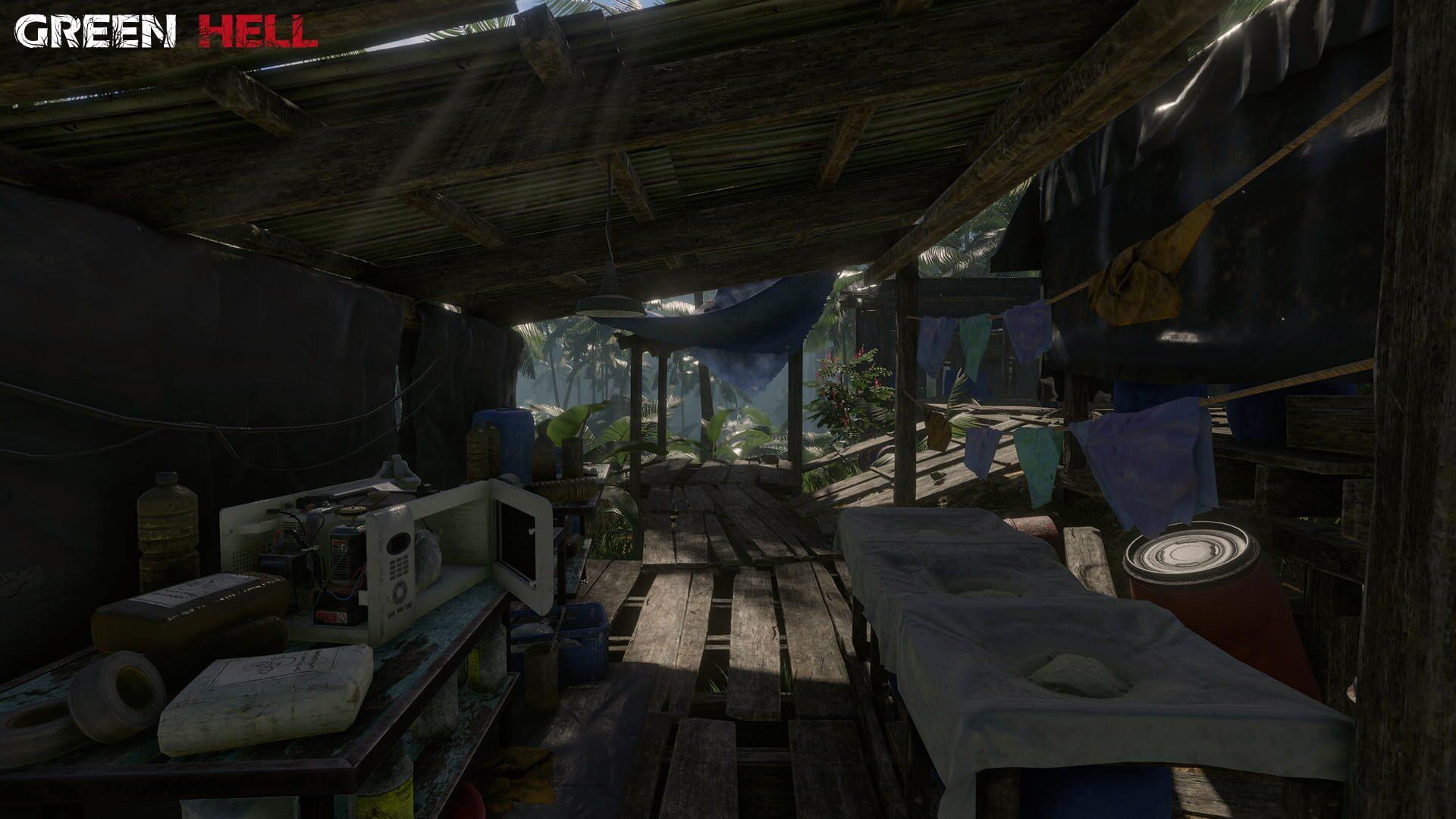
The game also includes the complete Spirits of Amazonia prequel campaign across three parts, adding over 20 hours of additional story content beyond the main game. That's a substantial amount of content for a $19.99 to $24.99 price point depending on platform.
Conclusion
Green Hell stands as one of the more demanding open-world survival games available across PC, consoles, and mobile. Its commitment to realistic survival simulation separates it from genre peers that prioritize base-building over consequence. The psychological thriller storyline gives the grind a purpose, and the co-op mode makes the brutality shareable. For players who want a survival game that actually makes survival feel hard-won, Green Hell delivers exactly that.