
Overview
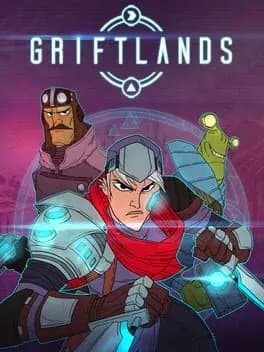
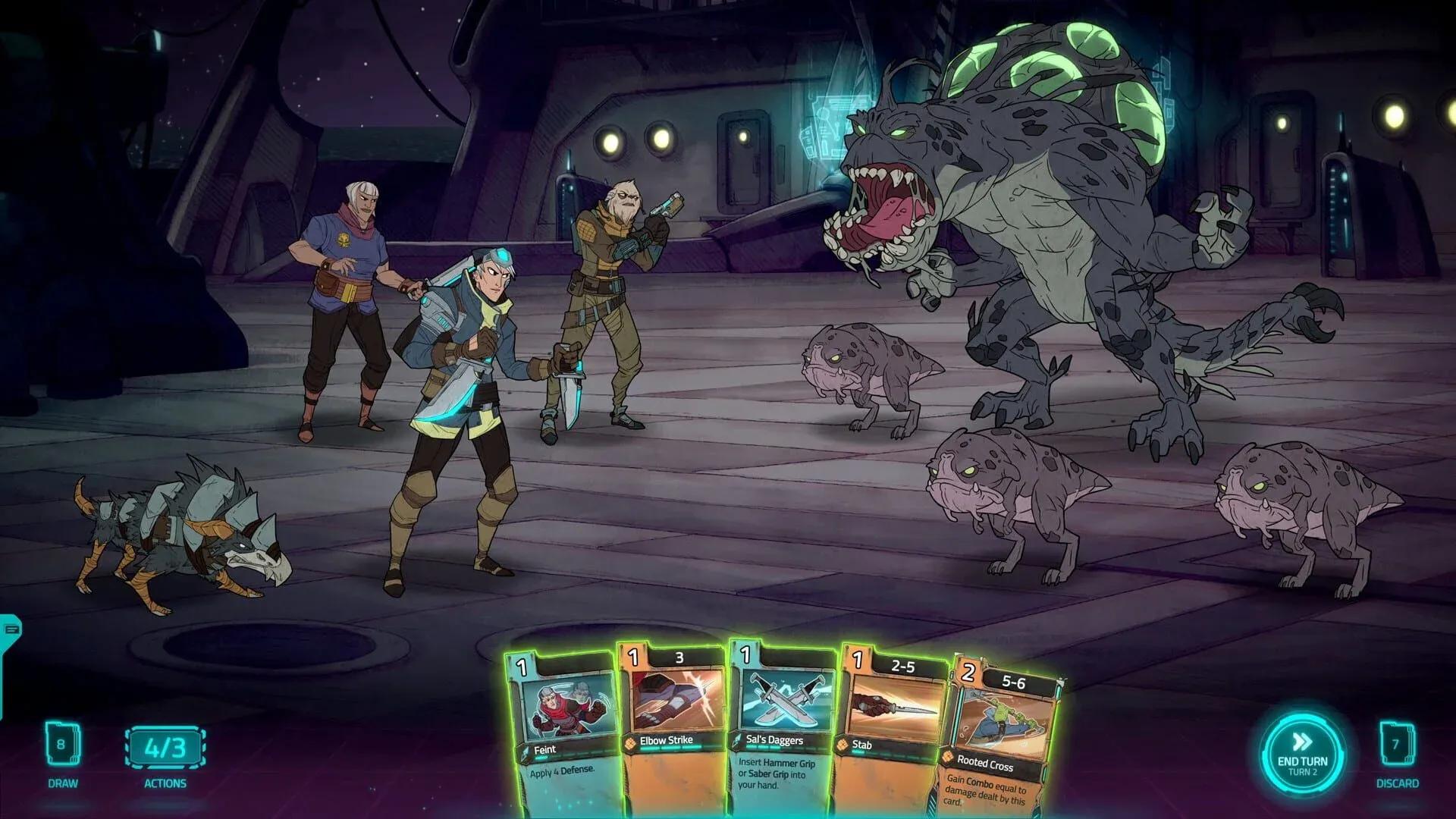
Griftlands is a deck-building roguelike set in a weathered, morally ambiguous sci-fi world where survival depends on more than just fighting. Developed and published by Klei Entertainment, the studio behind Don't Starve and Oxygen Not Included, Griftlands brings the same signature blend of dark atmosphere and deep systems to the card game genre. What immediately distinguishes it is its dual-deck approach: players maintain separate decks for combat and negotiation, treating social confrontations with the same mechanical seriousness as physical ones.
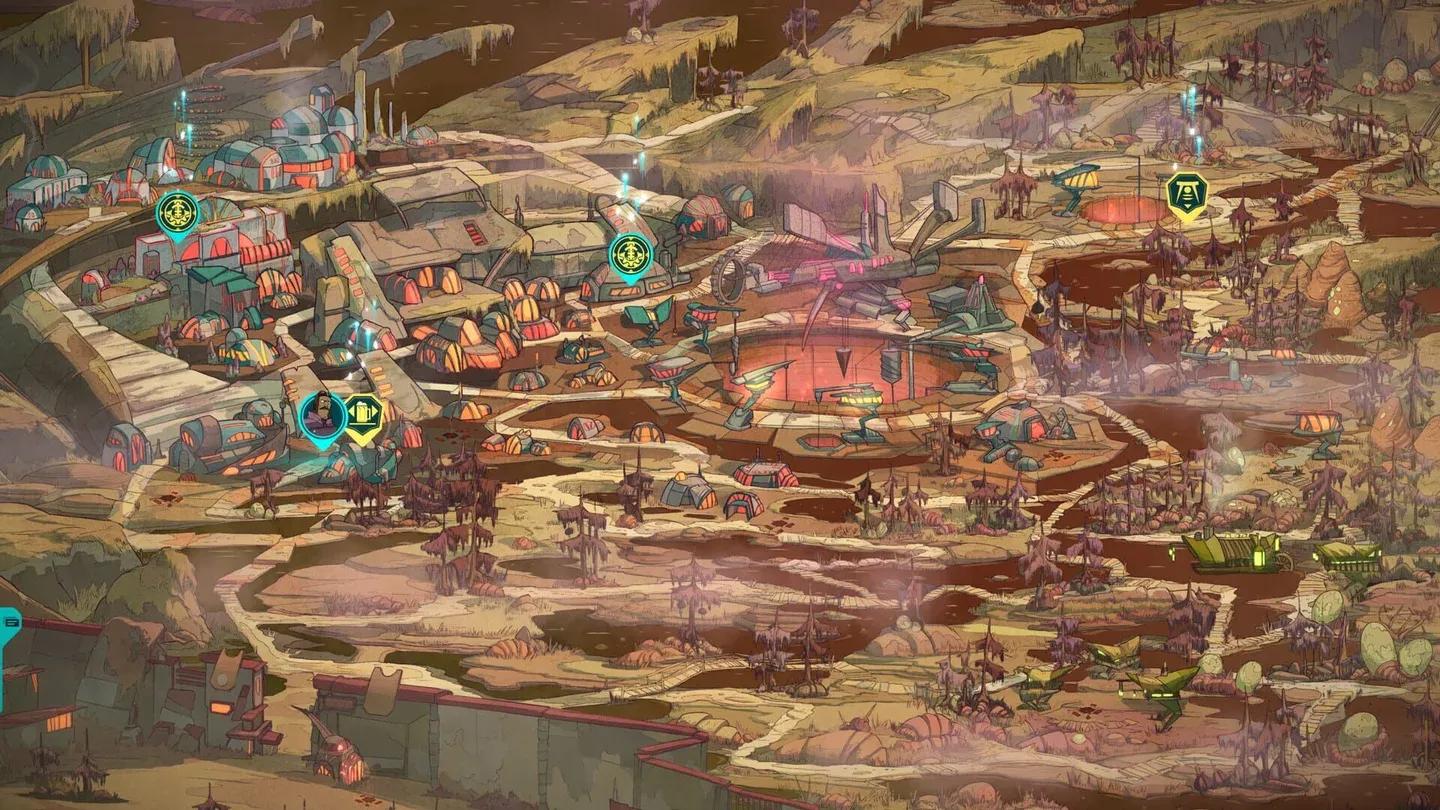
The world of Griftlands is fractured and lived-in, populated by factions with competing agendas, mercenaries with shifting loyalties, and environments that feel genuinely hostile. Every run places players in a web of decisions, from which contracts to accept to which alliances to cultivate. Reputation with various factions carries real consequences, making each playthrough a layered exercise in risk management rather than a straightforward dungeon crawl.
What Makes the Dual-Deck System Work?
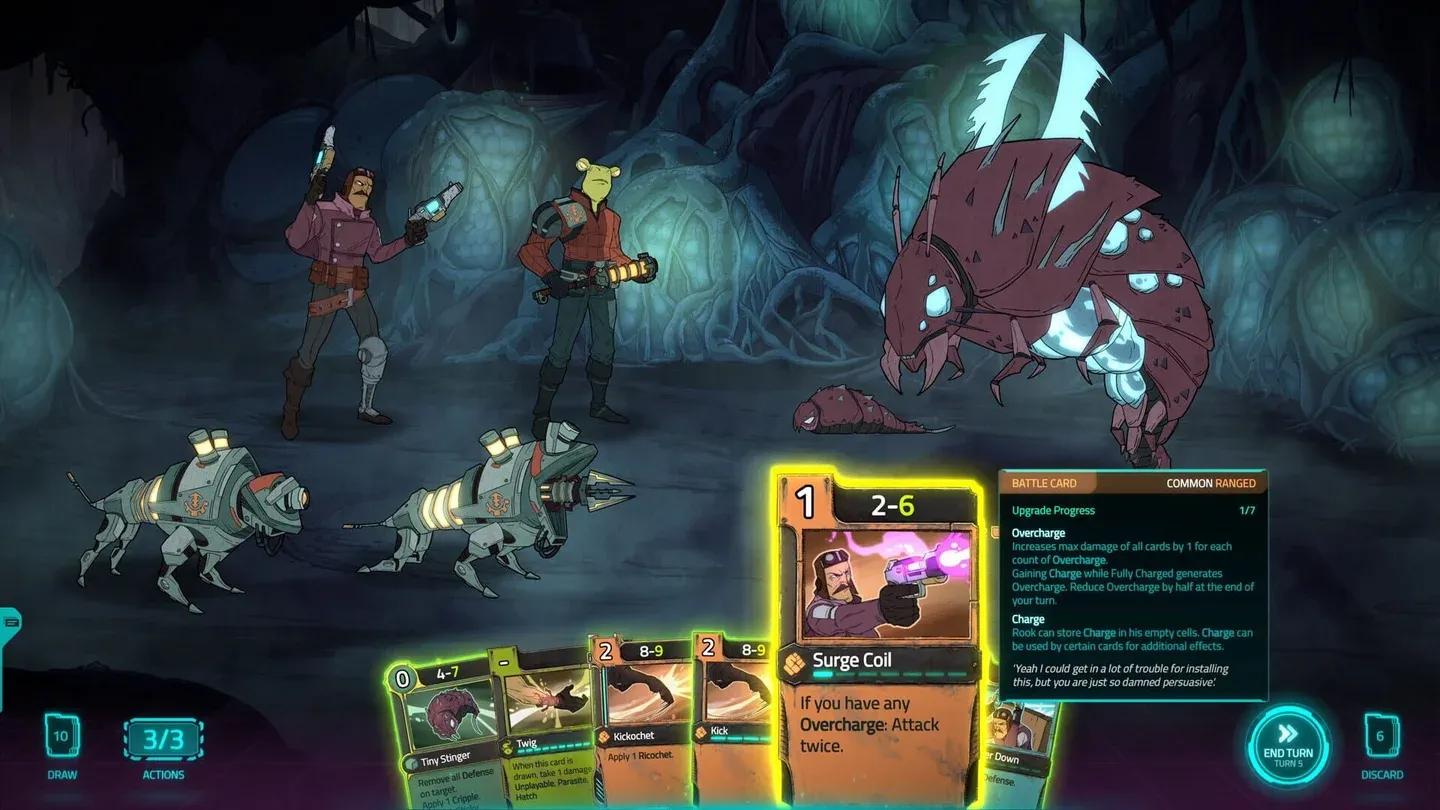
Griftlands answers a question most card games never think to ask: why should talking your way out of a situation feel any less strategic than fighting? The negotiation system uses its own dedicated deck of argument cards, with mechanics that mirror combat in structure but demand entirely different thinking. Players build influence, counter opponents' arguments, and manage composure the way they would manage health points in a fight.

Key mechanics that define each run include:
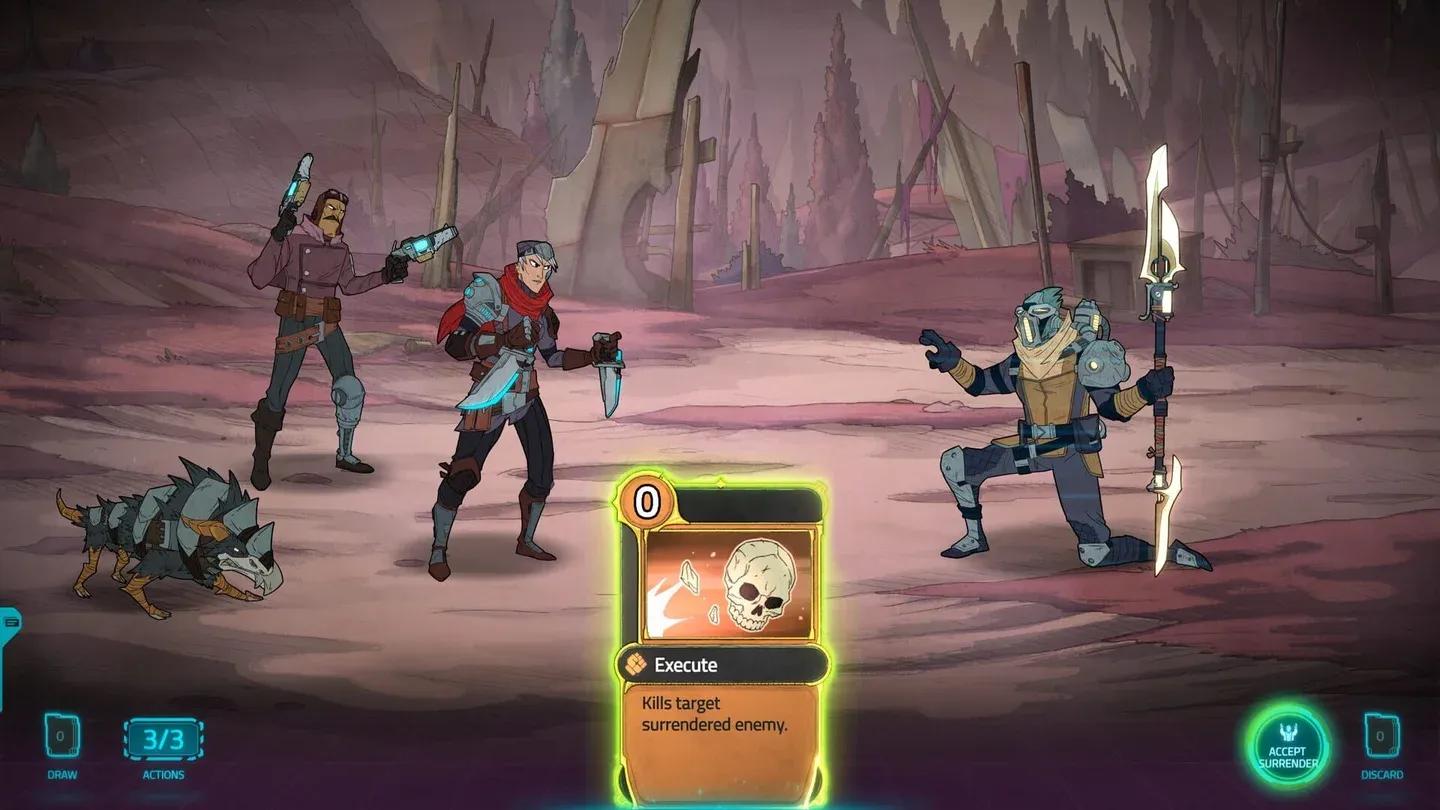
- Combat deck: focused on attacks, defenses, and status effects
- Negotiation deck: built around persuasion, counters, and morale
- Boon and affliction system: persistent modifiers that evolve across encounters
- Relationship tracking: NPC disposition shifts based on player choices
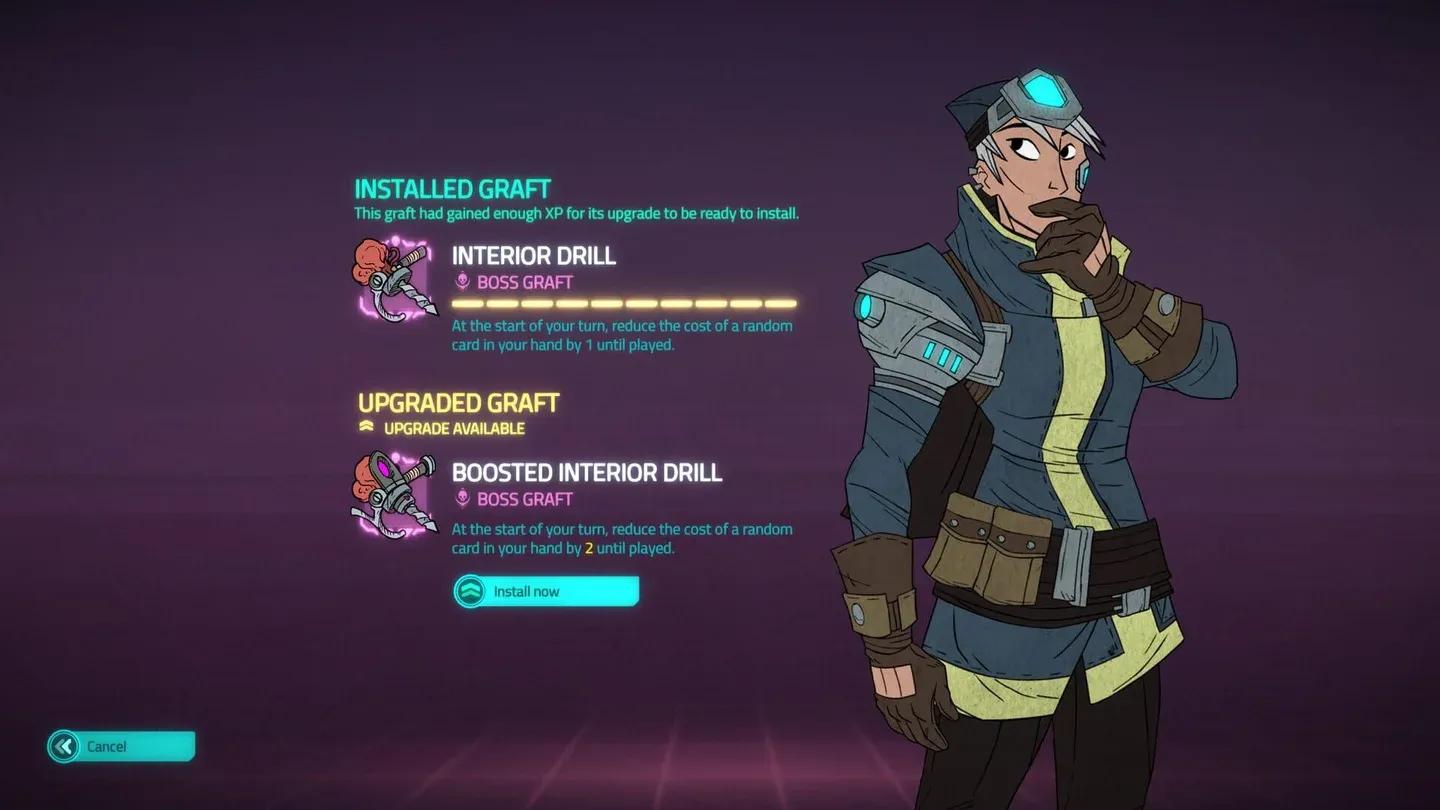
- Grafts: passive upgrades that reshape deck synergies

Both decks grow and evolve independently, meaning players must balance two distinct strategic identities simultaneously. A run can succeed or collapse based on how well those two halves complement each other, which creates a satisfying depth that rewards repeated play.
Three Campaigns, Three Voices
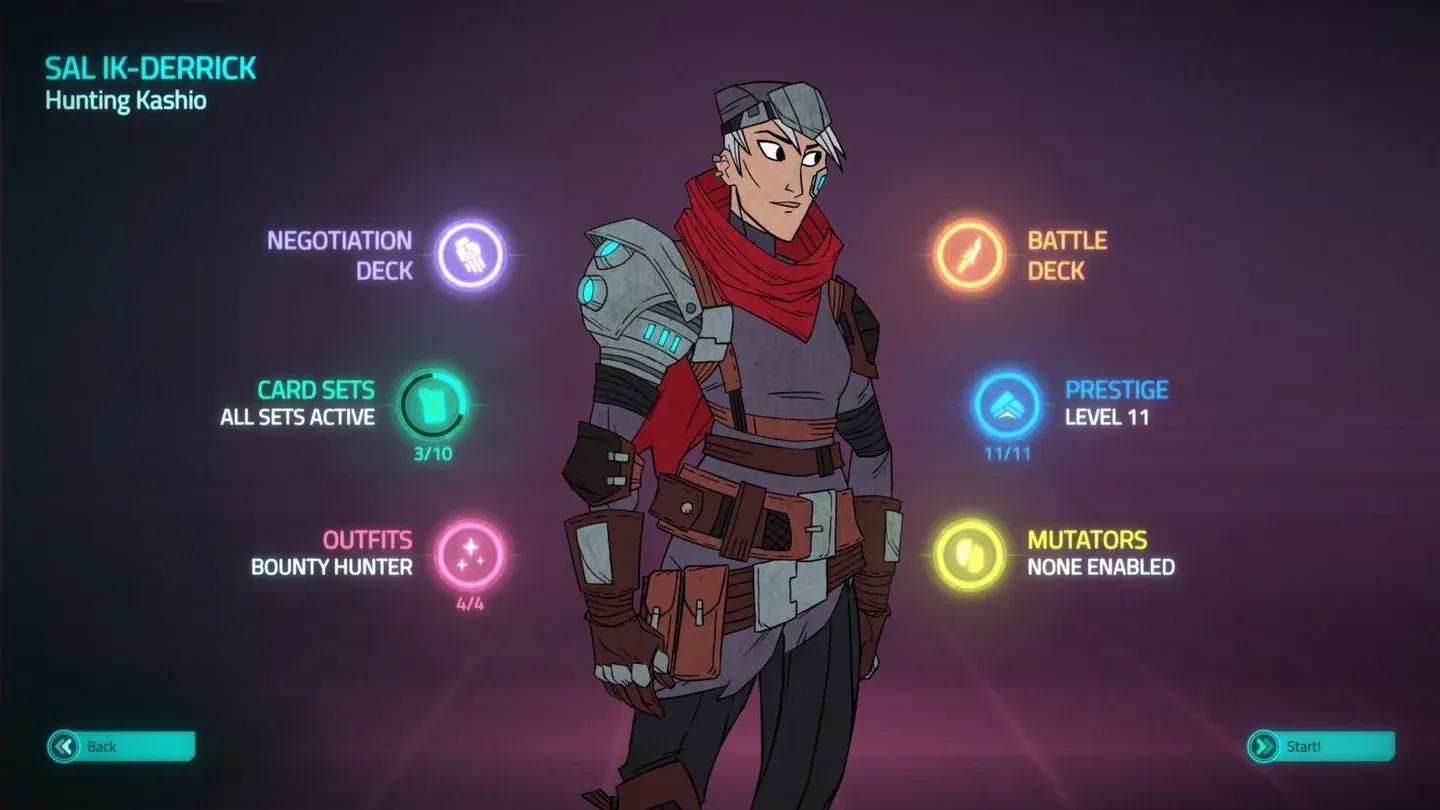
Griftlands features three playable characters, each with a distinct story, environment, and playstyle. Sal is a revenge-driven adventurer whose campaign emphasizes aggressive combat and mercenary dealings. Rook is a seasoned spy navigating political intrigue, with a playstyle that rewards careful manipulation and information control. Smith is a reluctant drifter whose story carries unexpected dramatic weight despite his laid-back demeanor.
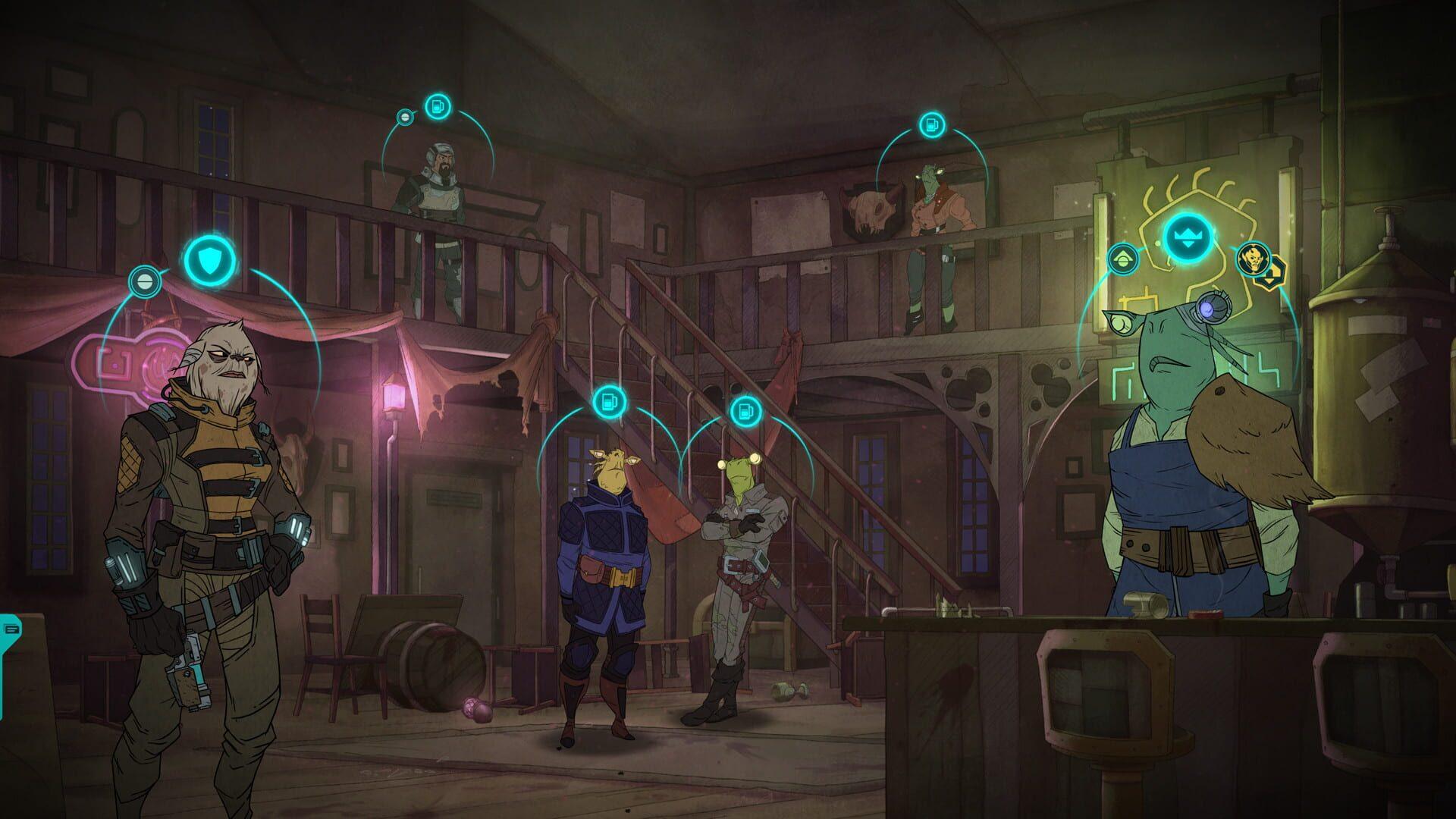
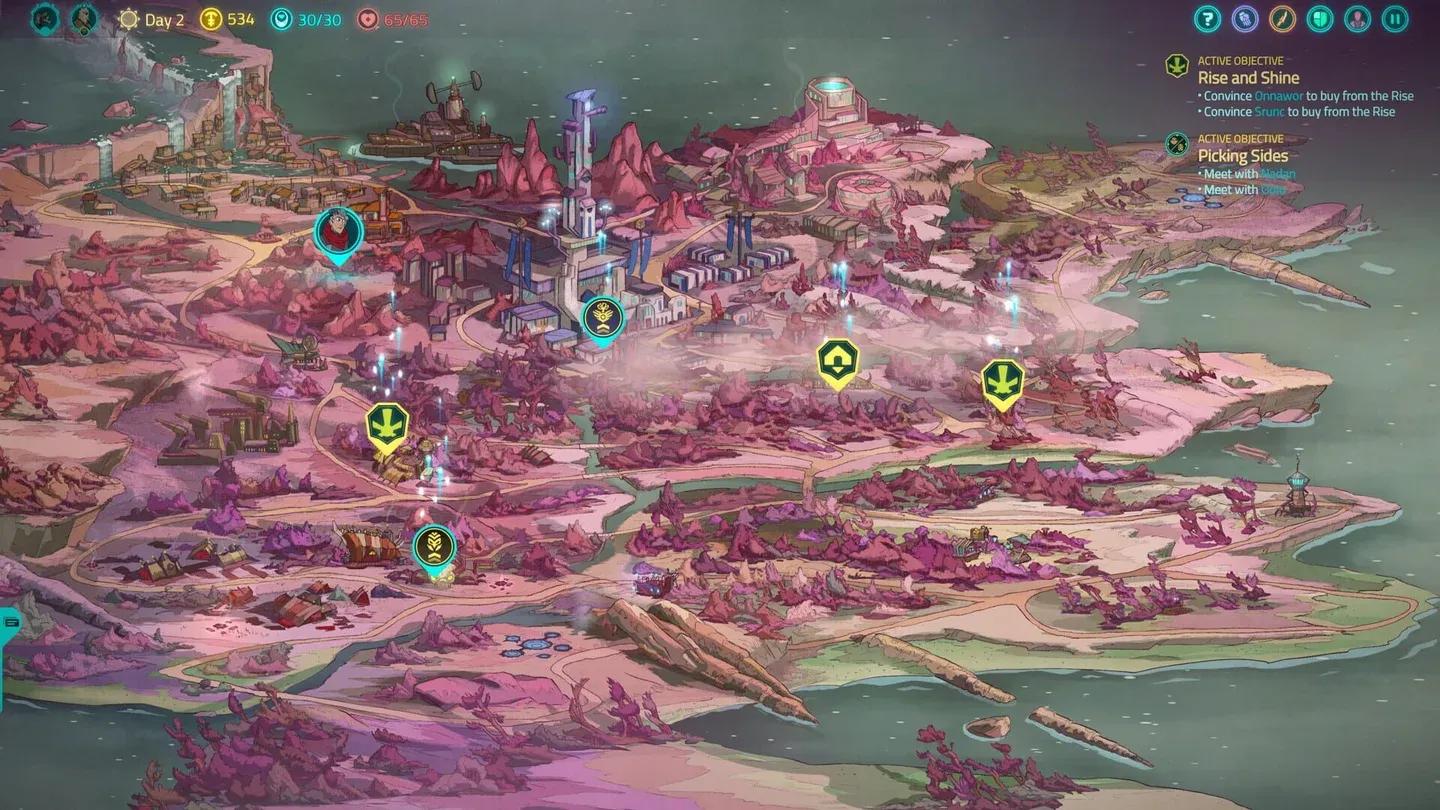
Each character's campaign unfolds across a unique map with different factions, locations, and narrative branches. The stories are not interchangeable; the world reveals itself differently depending on who you play, encouraging players to complete all three to piece together a fuller picture of the setting.

Content and Replayability
Roguelike structure ensures that no two runs follow the same path. Randomized card offerings, procedurally arranged encounters, and branching story nodes combine to keep each playthrough feeling distinct. Death resets progress but carries over a sense of accumulated knowledge, as players learn faction behaviors, card synergies, and optimal graft combinations through repeated experimentation.
The game is available across a wide range of platforms, including PC via Steam and Epic Games Store, PlayStation, Xbox, Nintendo Switch, macOS, making it accessible to a broad audience regardless of preferred hardware.
Conclusion
Griftlands earns its place among the best entries in the deck-building roguelike genre by refusing to simplify its ambitions. The dual-deck system, three fully realized character campaigns, and a setting with genuine personality give it a depth that holds up across many runs. For players who want a card game that rewards both tactical thinking and narrative engagement, Griftlands delivers a consistently compelling experience.