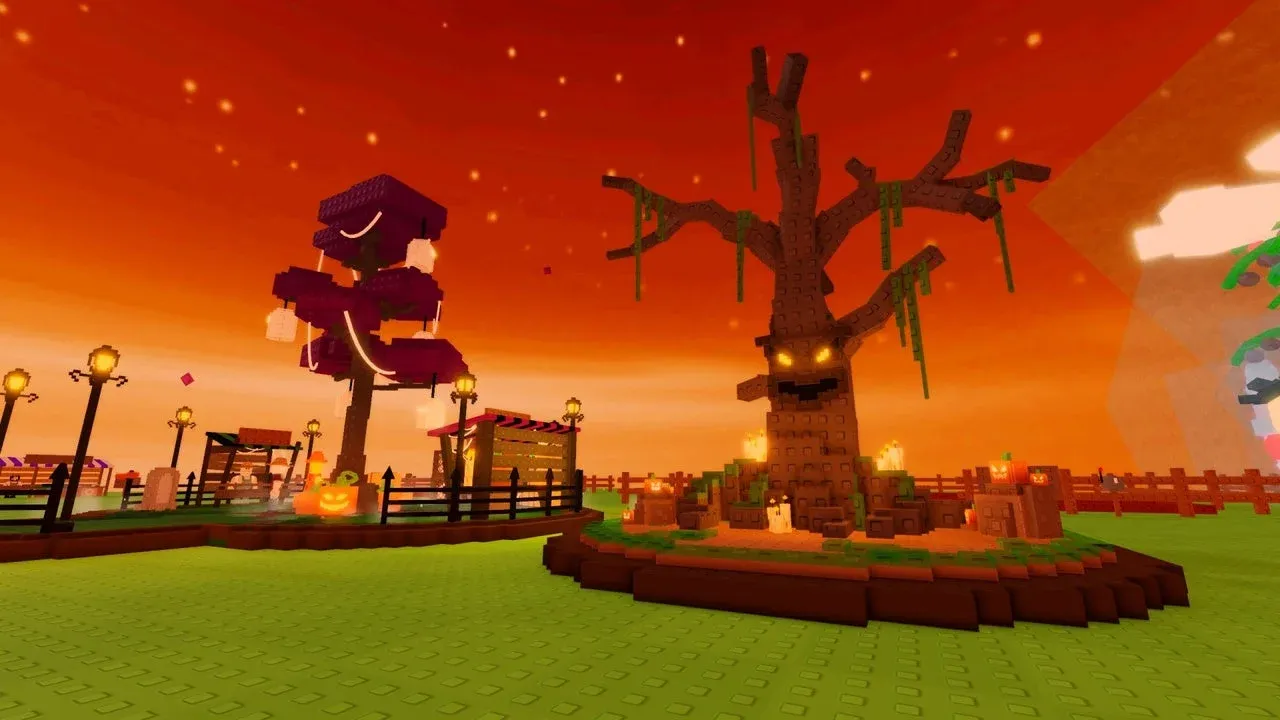


Grow a Garden 2 runs on a continuous day cycle, and weather events are the moments that separate a good session from a great one. They trigger randomly during play, last anywhere from 2 to 5 minutes, and can apply powerful mutations to your crops, spawn rare seeds, or hand one lucky player an absurd advantage. Knowing what each event does and how to react the second it starts is the difference between walking away with a 70x multiplier or watching it disappear while you were afk.
The day cycle: morning, sunset, and night
Before getting into the events themselves, it helps to understand the structure they sit inside. The game runs three permanent weather phases in a loop: Morning, Sunset, and Night.
Morning is the default state, lasting 7 minutes and 30 seconds. This is your core farming window. Sunset bridges morning and night, lasting just 30 seconds, and acts as a warning to either lock down your garden or prepare to go raiding. Night runs for 2 minutes and cuts visibility significantly. During the night phase, one of four moon types can appear: the Normal Moon (69% chance), the Gold Moon (13%), the Rainbow Moon (6%), or the Blood Moon (2%).
Moon-based weather events like Gold Moon, Rainbow Moon, and Blood Moon only occur during the Night phase. Every other weather event can trigger at any point in the cycle.
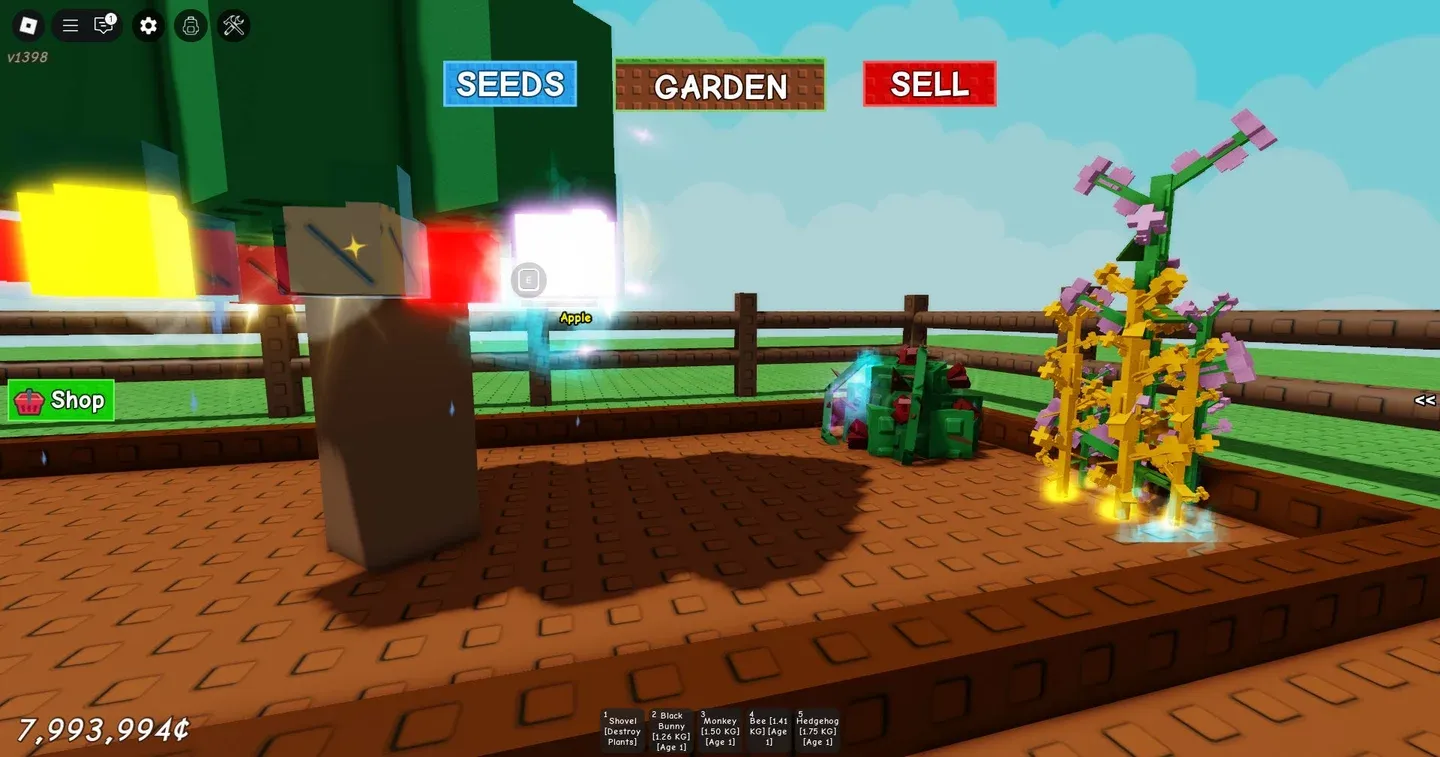
Rain doubles crop growth speed
All weather events
Here is every weather event currently in Grow a Garden 2, along with how long each lasts and what it does to your crops.
How to make the most of each weather event
Rain
Rain is the most common weather event and the most reliably useful. Every plant on your plot grows at 2x speed for the full 5-minute window, and any decayed crops get revived automatically. The play here is to have seeds ready to plant the moment rain starts. Harvest anything that is close to ready beforehand, then fill your plots with new seeds so they benefit from the full duration. Sprinklers during rain stack well with the growth bonus.
Lightning
Lightning is arguably the highest-ceiling event in the game. The Electric mutation carries a 70x Sheckles multiplier, meaning a single struck crop can be worth many times more than your entire harvest from a normal session. The catch is that it hits randomly. Planting as many seeds as possible before the event and running sprinklers gives you more targets for lightning to strike, which directly improves your odds. Do not harvest during the event itself since crops in the ground are the ones that can receive the mutation.
Rainbow
The Rainbow event lights up the sky with a massive arc across the map and raises the chance of crops receiving the Rainbow mutation (30x multiplier). If you have single-yield seeds sitting in your inventory, this is the window to plant them. Multi-yield plants that are already growing can also produce rainbow-mutated harvests during this period, so leave them in the ground and harvest as many times as possible while the event runs.
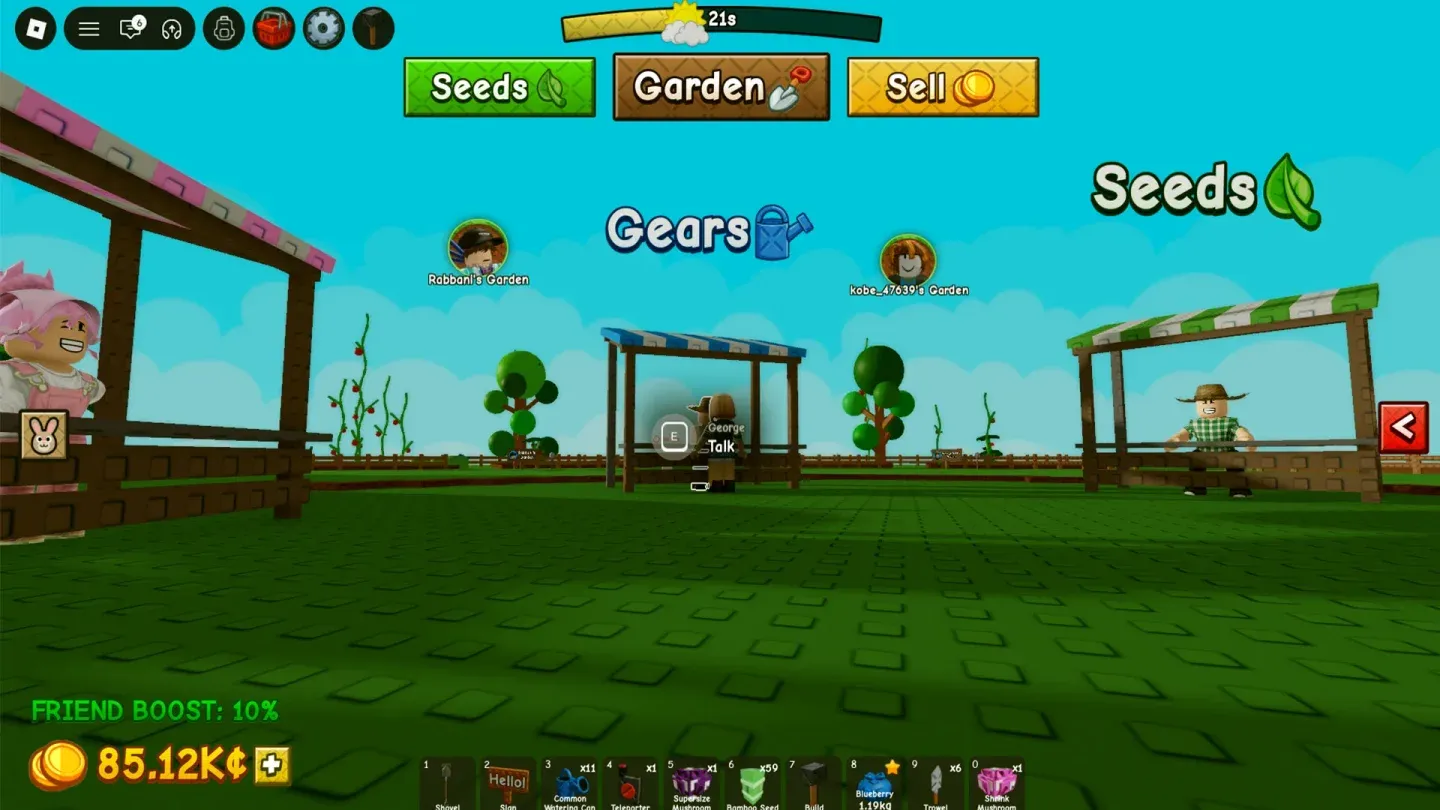
Rainbow event boosts mutation odds
Snowfall
Visibility drops during Snowfall and ice beams strike the ground, but the Frozen mutation at 40x multiplier makes it worth staying focused. The event only lasts 2 minutes 30 seconds, so there is less time to react compared to Rain or Lightning. Keep your plots full and do not waste time navigating away from your garden during this one.
Starfall
The sky fills with shooting stars and the Starstruck mutation has a chance to land on random crops. The 25x multiplier is lower than Electric, Frozen, or Bloodlit, but Starfall is considered one of the rarer events, which makes each occurrence meaningful. Treat it the same as Lightning: maximize your planted crop count before it triggers.
Gold Moon (Midas event)
This night-only event spawns Gold Seeds randomly across the map when the Gold Moon appears. Golden meteors fall from the sky, and any player struck by one receives the Midas Touch, which converts the first crop they steal into a Gold mutation crop. Collecting Gold Seeds is straightforward: move toward them and pick them up before other players do. The Midas Touch mechanic adds a PvP layer since the player who gets struck has a direct incentive to raid another garden immediately.
Rainbow Moon
The Rainbow Moon works similarly to the Gold Moon but spawns Rainbow Seeds instead. Players struck by Rainbow Meteors receive the Star-Powered Touch, which turns the first crop they steal into a Rainbow mutation crop. A flying Carpet becomes available during this event to help you move around the map faster and collect seeds before they disappear. Grab as many Rainbow Seeds as you can since they can be any plant rarity.
Blood Moon
The rarest moon type at a 2% spawn chance, and the most profitable. Laser beams strike the ground randomly and crops have a chance to receive the Bloodlit mutation, which carries an 80x Sheckles multiplier. That is the highest multiplier of any weather event in the game. There is no special action to take beyond having crops in the ground when it starts. The low spawn rate means most sessions will not see a Blood Moon at all, so when one does appear, it is a genuine windfall.
Mutation multiplier comparison
What should you prioritize during weather events?
The short answer: always have your plots full. Weather events are time-limited and most mutations apply to crops already in the ground, so an empty garden during a Blood Moon or Lightning event is a missed opportunity that cannot be recovered.
For seed-spawning events like Gold Moon and Rainbow Moon, speed matters. Other players are competing for the same seeds on the map, and the flying Carpet during Rainbow Moon exists specifically to help you cover ground faster. Use it.
Rain is the exception to the urgency rule. It is frequent enough that you can plan around it rather than react to it. Use Morning weather to tend your garden normally, and treat Rain as a bonus multiplier on top of whatever you already have planted.
For more on maximizing your earnings across seasonal content, the Fall Market event guide covering all plants and how to get them is worth reading alongside this one. Seasonal events layer on top of the base weather system and can significantly change which crops are worth prioritizing.
The Christmas Event Part 2 guide covers divine pets and exclusive mutations that interact with standard weather mechanics in ways that can push your earnings even further.
For everything else across the game, the full Grow a Garden strategy guide collection has you covered from beginner setups to advanced mutation farming.