
All Will Fall में Electricity की शुरुआत में बेकार महसूस होने की एक साख (reputation) है, और यह साख सही भी है। शुरुआत में आपका शहर इसके बिना भी ठीक चलता है, इसलिए ज़्यादातर प्लेयर्स इसे अपनी प्राथमिकता लिस्ट में सबसे नीचे रखते हैं। समस्या यह है कि गेम आपको धीरे-धीरे इसकी ज़रूरत के हिसाब से तैयार नहीं करता। कई सिस्टम्स लगभग एक ही समय पर पावर खींचना शुरू कर देते हैं, और अगर आपका ग्रिड तैयार नहीं है, तो सब कुछ एक साथ धीमा (slow) हो जाता है।
All Will Fall में Electricity कैसे काम करती है?
मूल रूप से, Electricity आपके शहर के प्रोडक्शन और खपत (consumption) के बीच का एक बैलेंस है। हर शहर स्वतंत्र रूप से पावर जेनरेट और खर्च करता है, इसलिए लोकेशन्स के बीच कोई ग्रिड-शेयरिंग नहीं होती। इसका मतलब है कि हर नए शहर में एक्सपैंड करने पर आपको शुरू से एक वर्किंग पावर सेटअप बनाना होगा।
जब सप्लाई और डिमांड बराबर होती है, तो आपका शहर पूरी एफिशिएंसी के साथ चलता है। जब सप्लाई कम पड़ जाती है, तो Electricity का इस्तेमाल करने वाली बिल्डिंग्स खराब परफॉर्म करने लगती हैं। निराशाजनक बात यह है कि इसका फीडबैक इनडायरेक्ट होता है। आप नोटिस करेंगे कि मूवमेंट स्लो हो गई है, पानी का आउटपुट इनकंसिस्टेंट है, और ऐसी बिल्डिंग्स जो पेपर पर ठीक दिखती हैं, वे भी लोड नहीं झेल पा रही हैं। कोई एक अलार्म नहीं बजता, बस एक सामान्य एहसास होता है कि हर जगह चीज़ें थोड़ी खराब हो रही हैं।
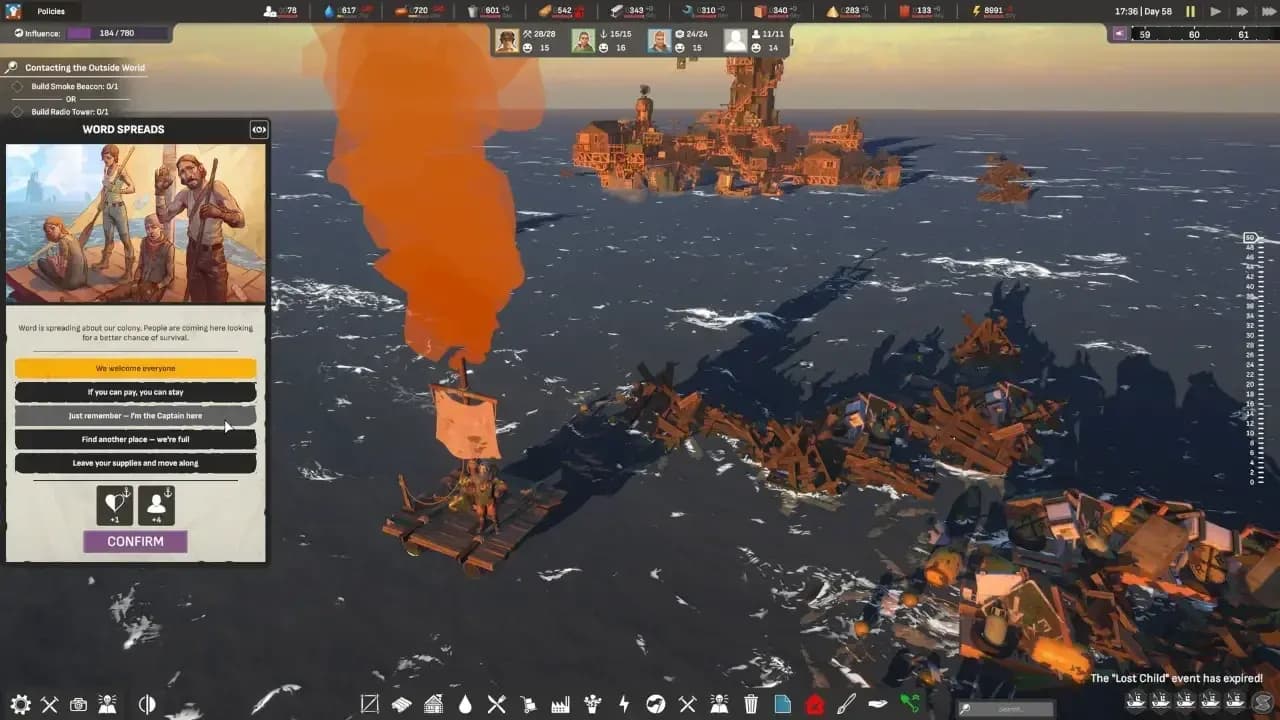
Power balance across your city

आखिर आपकी पावर सप्लाई को क्या चीज़ ड्रेन करती है?
यह ड्रेन धीरे-धीरे बढ़ता है, और यही कारण है कि प्लेयर्स को इसका पता तब चलता है जब बहुत देर हो चुकी होती है। कोई एक अकेली बिल्डिंग आपके ग्रिड को खराब नहीं करती। समस्या 'स्टैक' (stack) होने की है।
Lighting जैसे-जैसे आपका शहर फैलता है, वैसे-वैसे बढ़ती जाती है। कुछ लाइट्स का असर पता नहीं चलता, लेकिन जैसे-जैसे पॉपुलेशन बढ़ती है और शहर बड़ा होता है, यह कुल मिलाकर एक ऐसा बैकग्राउंड कॉस्ट बन जाता है जो अर्ली गेम में नहीं था।
Elevators भी इसी पैटर्न को फॉलो करते हैं। शुरुआत में ये सिर्फ एक सुविधा हैं। एक बार जब आपका शहर वर्टिकली बढ़ता है और वर्कर्स फ्लोर्स के बीच आने-जाने में ज़्यादा समय बिताने लगते हैं, तो Elevators ऑप्शनल से ज़रूरी हो जाते हैं। वह मूवमेंट टाइम आपके वर्कफोर्स पर असर डालता है, और ट्रांजिट में बिताया गया हर एक्स्ट्रा सेकंड प्रोडक्शन का नुकसान है।
Leisure buildings चुपचाप बैकग्राउंड में चलते रहते हैं और बिना किसी साफ प्रोडक्शन आउटपुट के पावर खींचते रहते हैं।
Utility systems, खासकर पानी से जुड़ी कोई भी चीज़, वहां Electricity एक बैकग्राउंड चिंता से बदलकर ऐसी चीज़ बन जाती है जिस पर आपके शहर का फंक्शन टिका होता है।
अकेले इनमें से कोई भी समस्या नहीं लगता। जिस पल ये सब एक साथ स्टैक होते हैं, तभी पावर एक 'nice-to-have' से 'hard requirement' में बदल जाती है।
| Power Consumer | When It Becomes a Problem |
|---|---|
| Lighting | जैसे-जैसे शहर का फुटप्रिंट बढ़ता है |
| Elevators | एक बार जब वर्टिकल ग्रोथ से ट्रैवल टाइम बढ़ जाता है |
| Leisure buildings | मिड-गेम में, बैकग्राउंड ड्रेन के रूप में |
| Water/utility systems | जब पॉपुलेशन की डिमांड अर्ली सेटअप से ज़्यादा हो जाती है |
Electricity जेनरेट करने का सबसे अच्छा तरीका क्या है?
Wind generation ज़्यादातर रन्स के लिए सबसे भरोसेमंद ऑप्शन है। इसे प्लेस करना आसान है, यह कंसिस्टेंट प्रोडक्शन देता है, और इसे प्लान करना आसान है। जब आपका शहर मिड-साइज़ का हो जाता है, तो यह प्रेडिक्टेबिलिटी रॉ आउटपुट से ज़्यादा मायने रखती है, क्योंकि आपको ऐसी पावर चाहिए जिस पर आप बिना बार-बार सेटअप चेक किए भरोसा कर सकें।
Water-based generation एक विकल्प के रूप में मौजूद है, लेकिन यह आपके शहर के लेआउट और पोजीशनिंग पर बहुत निर्भर करता है। यह काम कर सकता है, लेकिन यह Wind से कम फ्लेक्सिबल है, जिससे इसे प्राइमरी सोर्स के रूप में इस्तेमाल करना मुश्किल होता है जब तक कि आपका शहर इसे सपोर्ट न करता हो।
Batteries वह चीज़ है जिसे ज़्यादातर प्लेयर्स बहुत देर तक इग्नोर करते हैं। आपका Electricity का यूसेज पूरी तरह से स्थिर नहीं होता। भले ही टोटल प्रोडक्शन पेपर पर ठीक दिखे, लेकिन डिमांड में अचानक उछाल (spikes) आते हैं, और स्टोरेज के बिना, हर बार डिमांड बढ़ने पर आपकी बिल्डिंग्स की परफॉरमेंस गिर जाती है। Batteries शांत समय में एक्स्ट्रा प्रोडक्शन को स्टोर करती हैं और स्पाइक्स के दौरान उसे रिलीज़ करती हैं, जिससे आपका ग्रिड लगातार फ्लक्चुएट होने के बजाय स्टेबल रहता है।
Electricity शुरुआत में बेकार क्यों लगती है?
क्योंकि यह ज्यादातर बेकार ही होती है। आपका खाना काम करता है, पानी काम करता है, और आपके बेसिक सर्वाइवल सिस्टम्स बिना किसी पावर इंफ्रास्ट्रक्चर के चल रहे होते हैं। कम पॉपुलेशन में वर्कर्स को Electricity प्रोडक्शन पर लगाने का मतलब है उन्हें उन सिस्टम्स से हटाना जो आपके शहर को ज़िंदा रख रहे हैं।
मैथ्स अर्ली पावर इन्वेस्टमेंट के फेवर में नहीं है। आप एक रिसोर्स (वर्कर्स) खर्च करके कुछ ऐसा (Electricity) बना रहे हैं जिसे अभी कोई ज़रूरी चीज़ कंज्यूम नहीं कर रही। यह कोई ऐसी गलती नहीं है जिसे आपको फिक्स करना ही है। Electricity को डिले करना एक सही स्ट्रैटेजी है क्योंकि गेम आपको पावर न होने की सज़ा तभी देता है जब आपके शहर को वास्तव में इसकी ज़रूरत होती है।
असली चालाकी यह पहचानने में है कि वह बदलाव कब आने वाला है, न कि उसके होने के बाद रिएक्ट करने में।
Electricity आपके वाटर सप्लाई से कैसे जुड़ी है?
पानी आमतौर पर वह मोमेंट है जब Electricity थ्योरिटिकल से बदलकर अर्जेंट हो जाती है। अर्ली वाटर सिस्टम्स एक छोटी पॉपुलेशन को संभाल सकते हैं, लेकिन जैसे-जैसे डिमांड बढ़ती है, वे ठीक से स्केल नहीं कर पाते। इलेक्ट्रिक वाटर सिस्टम्स वह कंसिस्टेंसी देते हैं जो बेसिक सेटअप नहीं दे सकते, और स्विच करने के बाद फर्क तुरंत दिखता है।
चूंकि पानी सीधे सर्वाइवल से जुड़ा है, इसलिए इसे स्टेबल करने का असर आपके शहर के बाकी सभी कामों पर पॉजिटिव पड़ता है। इलेक्ट्रिक सिस्टम्स के ज़रिए पानी की समस्या ठीक करना गेम में पावर इन्वेस्टमेंट पर मिलने वाले सबसे अच्छे रिटर्न्स में से एक है।
वर्कर्स को बर्बाद किए बिना अपने पावर ग्रिड को कैसे स्केल करें?
सबसे आम गलती शहर को ज़रूरत होने से पहले ही बहुत ज़्यादा Electricity बना लेना है। एक बड़ा पावर ग्रिड अच्छी प्लानिंग लग सकता है, लेकिन अगर अभी कोई उस पावर को इस्तेमाल नहीं कर रहा है, तो आपने बस वर्कर्स को एक ऐसे सिस्टम पर लगा दिया है जो किसी की मदद नहीं कर रहा।
जो अप्रोच वास्तव में काम करती है वह है 'इंक्रीमेंटल' (incremental)। उतना ही पावर बनाएं जितना अभी चल रहे सिस्टम्स के लिए ज़रूरी है, फिर जब कोई नया सिस्टम आए जिसे पावर चाहिए, तब ग्रिड को एक्सपैंड करें। यह आपके वर्कर एलोकेशन को शहर की वास्तविक ज़रूरतों के हिसाब से रखता है।
ऑपरेशन्स का एक प्रैक्टिकल क्रम यहां दिया गया है:
- सबसे पहले सर्वाइवल-क्रिटिकल सिस्टम्स को पावर दें, जैसे ही अर्ली सिस्टम्स स्केल करना बंद करें, वाटर यूटिलिटीज़ से शुरुआत करें।
- जब नई बिल्डिंग्स Electricity खींचना शुरू करें, तभी जनरेशन कैपेसिटी बढ़ाएं, पहले नहीं।
- जब आपका ग्रिड इतना बड़ा हो जाए कि डिमांड स्पाइक्स से डिप्स आने लगें, तब Batteries इंस्टॉल करें।
- जब तक आपका कोर ग्रिड स्टेबल न हो जाए, तब तक पावर वाली लीज़र या सुविधा वाली बिल्डिंग्स को स्टैक करने से बचें।
इसके पीछे का लॉजिक यह है कि All Will Fall में Electricity धैर्य (patience) का फल देती है। गेम आपको इसे डिले करने की जगह देता है, और वह जगह किसी कारण से ही है। उसका इस्तेमाल करें, लेकिन उन संकेतों पर नज़र रखें कि आपका शहर अपने अर्ली सेटअप से बाहर निकल रहा है।
विभिन्न गेम्स में और अधिक स्ट्रैटेजी कंटेंट के लिए, GAMES.GG पर और गाइड्स ब्राउज़ करें।