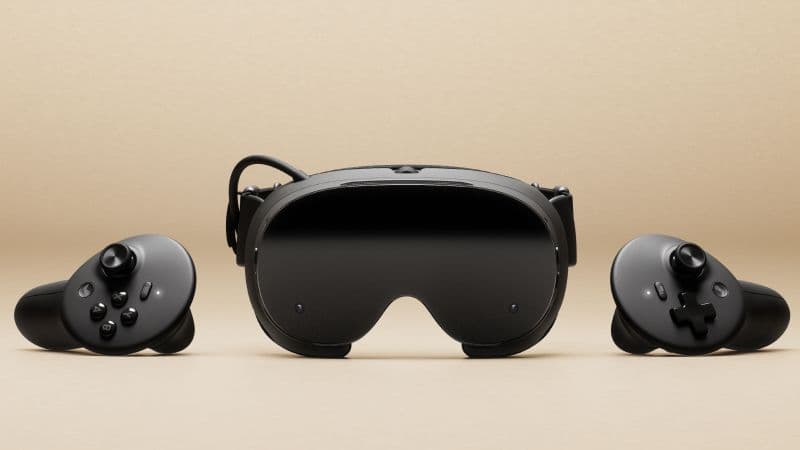


वीडियो गेम इंडस्ट्री एक विरोधाभास का अनुभव कर रही है। सभी उम्र के खिलाड़ियों की रिकॉर्ड संख्या के बावजूद, overall game purchases धीमी हो रही हैं, और new releases के साथ engagement uneven है। जबकि casual gaming, mobile titles, और long-term multiplayer games ने player base का विस्तार किया है, actively purchased और played किए जाने वाले games की संख्या तालमेल नहीं बिठा पा रही है। यह trend industry expectations और actual consumer behavior के बीच एक disconnect को उजागर करता है।

कोड TRYHARD33 का उपयोग करें और ऑफर समाप्त होने से पहले इसका लाभ उठाएं।
GAMES+ सब्सक्रिप्शन पर 33% की छूट पाएं
Industry Shifts and AI Integration
हाल के developments से पता चलता है कि major gaming companies technological और cultural shifts के जवाब में strategies adjust कर रही हैं। Microsoft अपने platforms पर AI integration में भारी निवेश कर रहा है, जबकि Sony live-service models के इर्द-गिर्द अपनी strategy को reshape करता दिख रहा है। Xbox में Executive changes भविष्य की प्राथमिकताओं को आकार देने में AI के बढ़ते प्रभाव को रेखांकित करते हैं। साथ ही, कई high-budget live-service games उम्मीदों पर खरे नहीं उतरे हैं, जो यह संकेत देते हैं कि traditional approaches अब सफलता की गारंटी नहीं दे सकते हैं।
The Challenge of Long-Term Engagement
जो Games long-term player interest को बनाए रखते हैं, जिन्हें अक्सर “forever games” कहा जाता है, वे market पर हावी बने हुए हैं। Fortnite और Grand Theft Auto जैसे Titles ने साबित कर दिया है कि recurring engagement लगातार revenue उत्पन्न कर सकता है। हालांकि, यह model कुछ ही Titles पर player attention को केंद्रित करने पर निर्भर करता है, जो overall industry growth को सीमित कर सकता है। Companies तेजी से इन long-term successes को दोहराने पर दांव लगा रही हैं, लेकिन ये strategies व्यापक gaming population की विविध रुचियों को नजरअंदाज कर सकती हैं।
Shifts in Player Demographics
वर्तमान gaming audience पहले से कहीं अधिक विविध है, जिसमें बच्चे, वयस्क और बुजुर्ग खिलाड़ी शामिल हैं। युवा खिलाड़ी अक्सर Roblox जैसे user-generated content platforms पर घंटों बिताते हैं, जबकि बुजुर्ग खिलाड़ी केवल तभी engage करते हैं जब high-profile single-player releases दिखाई देते हैं। disposable income वाले Mid-career adults तेजी से leisure time और पैसा gaming के बाहर खर्च कर रहे हैं। इसका परिणाम एक fragmented audience है जहां engagement uniform नहीं है, और समय के बजाय भूगोल मुख्य विभाजन कारक है।
Lessons from Past Successes
ऐतिहासिक रूप से, video game industry ने adolescent males पर ध्यान केंद्रित किया, marketing को सरल बनाया लेकिन व्यापक appeal को सीमित किया। जब Games इस narrow demographic से परे विस्तारित हुए तो major successes उभरे। The Sims, Pokémon, और Minecraft सभी ने ऐसे खिलाड़ियों को आकर्षित किया जिन्होंने पहले खुद को gamers के रूप में नहीं पहचाना था। इसी तरह, PlayStation 2 जैसे consoles ने gaming से परे कार्यक्षमताएं पेश कीं, जिससे व्यापक audience को आकर्षित किया गया, तब hardware adoption में वृद्धि हुई। ये मामले दर्शाते हैं कि Games के appeal को व्यापक बनाने से महत्वपूर्ण वृद्धि हो सकती है।
Companies With Cross-Generational Appeal
Nintendo उन कंपनियों का एक स्पष्ट उदाहरण बनी हुई है जो सफलतापूर्वक खिलाड़ियों को विभिन्न पीढ़ियों में engage कर रही हैं। Super Mario, The Legend of Zelda, और Mario Kart जैसी Franchises युवा और बुजुर्ग दोनों खिलाड़ियों के बीच लोकप्रियता बनाए रखती हैं। कंपनी की gameplay experiences को फिर से परिभाषित करने की इच्छा ने इसे उद्योग के उतार-चढ़ाव को अपेक्षाकृत स्थिरता के साथ navigate करने में मदद की है। हालांकि, अन्य कंपनियां कुछ high-investment genres और Franchises पर निर्भर रहना जारी रखती हैं, जो भविष्य के विकास की क्षमता को सीमित कर सकती हैं।
Changing Youth Culture and Consumer Behavior
आज के युवा दर्शक graphical performance पर narrative और social experiences को प्राथमिकता देते हैं, creative communities या ongoing storylines वाले Games की ओर आकर्षित होते हैं। इस बीच, बुजुर्ग खिलाड़ी अक्सर offline activities को प्राथमिकता देते हैं, और hardware costs high-end gaming rigs के लिए access को सीमित करते रहते हैं। Call of Duty जैसी Major Franchises भी audience saturation के संकेत दिखा रही हैं, जो कंपनियों को traditional blockbuster titles से परे diversify करने की आवश्यकता को उजागर करती हैं।
The Need for an Inclusive Gaming Ecosystem
Gaming industry में एक comprehensive ecosystem की कमी है जो जीवन के सभी चरणों में खिलाड़ियों को समायोजित करता है। Television और streaming services ने educational programming से लेकर adult comedy तक, age groups और interests में फैले content को सफलतापूर्वक बनाया है। Gaming में, investment high-budget releases या persistent online worlds पर केंद्रित रहता है, जिससे casual, educational, या transitional gaming experiences के लिए gaps रह जाते हैं। Long-term growth को बनाए रखने के लिए, industry को विभिन्न प्रकार के खिलाड़ियों और रुचियों को पूरा करने वाले platforms विकसित करने की आवश्यकता हो सकती है।
Conclusion
वीडियो गेम इंडस्ट्री एक विस्तृत audience के बावजूद structural challenges का सामना कर रही है। Player engagement fragmented है, consumer habits बदल रहे हैं, और high-investment games के एक narrow set पर निर्भरता संभावित जोखिम पैदा कर रही है। Sustainable growth एक अधिक inclusive ecosystem बनाने पर निर्भर हो सकता है जो विभिन्न ages और interests के खिलाड़ियों को पूरा करता है, बजाय इसके कि सभी खिलाड़ियों से अगले big blockbuster के साथ engage करने की उम्मीद की जाए।
Make sure to check out our articles about top games to play in 2026:
Best Nintendo Switch Games for 2026
Best First-Person Shooters for 2026
Best PlayStation Indie Games for 2026
Best Multiplayer Games for 2026
Most Anticipated Games of 2026
Top Game Releases for January 2026
Frequently Asked Questions (FAQs)
Why are gamers buying fewer games despite a growing player base?
Many players are focusing on a small number of long-term games or free-to-play experiences, reducing purchases of new releases. Time constraints and alternative entertainment options also play a role.
How is AI affecting the video game industry?
AI is influencing both game development and company strategies. Microsoft and other companies are integrating AI tools to improve gameplay experiences and operational efficiency, while executive changes highlight its growing importance.
Which companies are successfully appealing to multiple generations?
Nintendo stands out with franchises like Super Mario, Zelda, and Mario Kart that attract both young and older players. Broad appeal and innovative gameplay experiences have helped maintain steady engagement.
What is a “forever game”?
A “forever game” is a title that maintains long-term player engagement through persistent online worlds, multiplayer features, or regular content updates, generating recurring revenue over many years.
How can the industry ensure long-term growth?
Developing a diversified ecosystem that caters to different ages, preferences, and engagement levels could help sustain growth. This includes casual games, educational content, and platforms that complement traditional AAA releases.