

Supermassive Games ने आज, 12 मई को Directive 8020 लॉन्च किया है, और यह 2022 के The Devil in Me के बाद चार साल के गैप के बाद Dark Pictures Anthology के दूसरे सीज़न की पहली एंट्री है। इंतज़ार, जैसा कि पता चला, worth it था।
The premise आपको Cassiopeia पर ले जाता है, जो मानवता की पहली एक्सोप्लैनेट कॉलोनी को scout करने के लिए भेजा गया एक स्लीपर शिप है। क्रू को मरती हुई पृथ्वी से भागने की कहानी बेची जाती है, लेकिन उस ऑफिशियल लाइन में दरारें जल्दी ही दिखने लगती हैं। Alien meets The Thing सोचें, जिसमें कॉर्पोरेट पैरानोइया की एक अच्छी dose ऊपर से डाली गई हो। यह सेटिंग एक ऐसी सीरीज़ के लिए एक genuine departure है जो ज़्यादातर earthbound horror तक ही सीमित रही है, लेकिन अंतरिक्ष के शून्य में isolation, Supermassive के best के लिए एक natural fit साबित होता है।
एक कहानी जो अपने twist को earn करती है
लगभग 10 घंटे चलने वाले आठ episodes में, राइटिंग उस तरह से टिकी हुई है जो सीरीज़ हमेशा manage नहीं कर पाई है। एक central twist है जो बहुत जल्दी खुद को announce नहीं करता है, लेकिन इतना breadcrumbs छोड़ देता है कि एक thorough player reveal से पहले उसे जोड़ सकता है। यह balance जितना लगता है उससे ज़्यादा मुश्किल है, और writers इसे अच्छी तरह से thread करते हैं। कई other theories आपको कहीं नहीं ले जाएंगी, जो paranoia को आखिर तक alive रखती हैं।
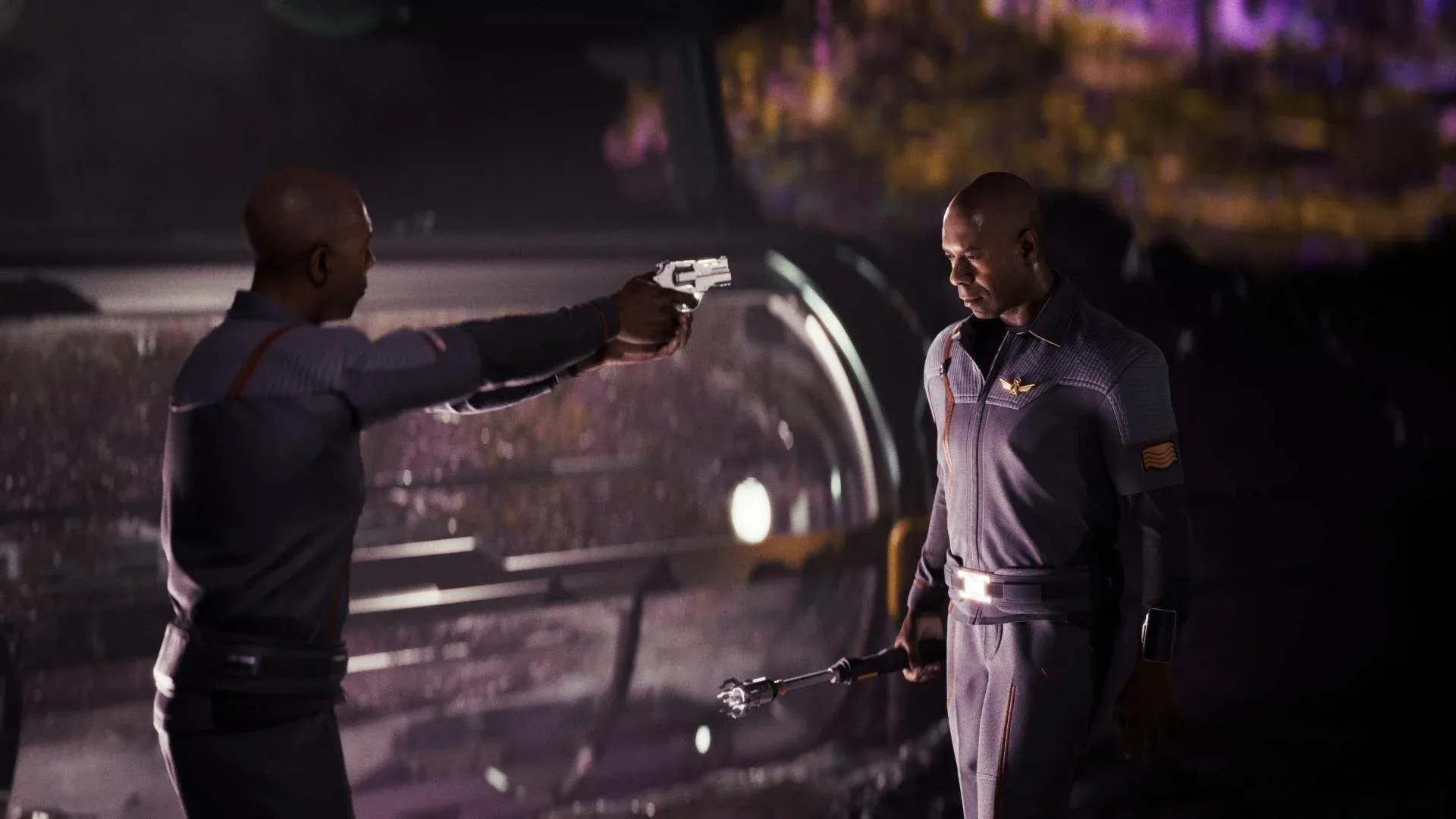
Characters खुद genuinely memorable हैं, सिर्फ मरने का इंतज़ार कर रहे horror movie archetypes नहीं। Supermassive's performance capture tech, जो पहले से ही strong है, यहाँ अपना सबसे demanding workout लेती है, और यह ज़्यादातर deliver करती है। कुछ lighting conditions में एक slight uncanny valley effect है, जो इस स्टूडियो के अब तक के highest fidelity game होने का एक side effect है, लेकिन यह शायद ही आपको story से बाहर निकालता है।
The Destiny system: theory में smart, practice में frustrating
Earlier entries से वापस आते हुए, trait और Destiny system आपको dialogue choices के ज़रिए characters को shape करने देता है, अंततः उन्हें दो personality paths में से एक में lock कर देता है जो सीरीज़ के बाकी हिस्सों को प्रभावित करते हैं। जब यह काम करता है, तो यह एक character arc के लिए एक natural payoff जैसा लगता है। जब यह काम नहीं करता है, तो यह आपको high-stakes moment में स्पष्ट रूप से सही लगने वाले decision को लेने से रोकता है, बिना consequence का अनुमान लगाने के कोई तरीका नहीं। अगर एक serious और professional character के रूप में खेलना किसी को space mission पर मार सकता है, तो वह solve करने के लिए एक puzzle नहीं है, वह choice के रूप में dressed up एक coin flip है।
Branching structure back half में cast को भी पतला कर देता है। Final episodes तक, जिन players ने earlier decisions में characters को खो दिया है, उन्हें scenes में कई crew members मौजूद मिल सकते हैं लेकिन पूरी तरह से silent, जो एक odd theatrical awkwardness पैदा करता है।
Stealth sections tension add करते हैं लेकिन ज़्यादा देर टिक जाते हैं
Headline new mechanic active stealth है, जिसमें players cover, darkness, और environmental distractions का उपयोग करके एक prowling threat के आसपास navigate करते हैं। यह visual novel pacing को तोड़ने के लिए पर्याप्त रूप से काम करता है जिसने कभी-कभी Dark Pictures को static महसूस कराया है। समस्या यह है कि final episodes तक, mortal danger का लगभग हर moment इसी routine में default हो जाता है। सीरीज़ के पास other tools हैं, और stealth पर इतना ज़्यादा leaning credits roll होने से पहले repetitive लगने लगता है।
एक cooldown-based parry mechanic है जो आपको पकड़े जाने पर stealth situation से बाहर निकाल सकती है, लेकिन default setting पर यह इन sections को low-stakes महसूस कराता है। Game difficulty और accessibility options की एक solid range प्रदान करता है, इसलिए आप इसे अपनी पसंद के अनुसार tune कर सकते हैं।
The scene tree problem
बात यह है: Directive 8020 एक scene tree के साथ ships करता है जो सभी possible story paths, उनके unlock conditions, और, यदि आप सावधान नहीं हैं, तो कुछ significant spoilers को map करता है। Game दो core modes प्रदान करता है, Explorer (scene rewind के साथ) और Survivor (no rewind, live with your choices), लेकिन Survivor mode में भी scene tree pause menu से किसी भी समय बिना किसी warning के accessible है।
इसे एक बार भी देखना, सिर्फ यह देखने के लिए कि एक episode कैसे structured है, आपको curtain के पीछे के mechanics के बारे में उतना ही बता देता है जितना आप first run पर चाहते हैं। यह जानना कि कुछ scenes में कोई real death possibility नहीं है, उस tension को मार देता है जिस पर quicktime events निर्भर करते हैं। Tree को पूरी तरह से disable करने का कोई option नहीं है, जो suspense और consequence पर खुद को बेचने वाले game के लिए एक real oversight है। यहाँ recommendation simple है: story को कम से कम एक बार finish करने से पहले इसे न खोलें। उसके बाद यह एक genuinely useful replay tool बन जाता है।
Audio और atmosphere
Cassiopeia's visual design Ridley Scott-era retrofuturism को एक cleaner modern aesthetic के साथ blend करता है, और जिन threats का आप अंततः सामना करते हैं वे सिर्फ H.R. Giger knockoffs की तरह नहीं लगते। Sound design ज़्यादातर effective है, हालांकि surround setups पर directional audio इतना imprecise है कि stealth sections में real problems पैदा कर सकता है जहाँ sound से threat को locate करना matters करना चाहिए। हर episode को closing करने वाले needle drops एक highlight हैं, और सीरीज़ का framing device पूरी तरह से गायब नहीं हुआ है, हालाँकि यह यहाँ कैसे दिखाई देता है यह खुद discover करने के लिए सबसे अच्छा है।
Anthology के trajectory को track करने वाले किसी भी व्यक्ति के लिए, Directive 8020 The Devil in Me से एक clear step forward है, जिसने pacing और low stakes के साथ struggle किया। Season two कैसा दिखता है इसका full picture इस बात पर निर्भर करेगा कि आगे क्या आता है, लेकिन एक opening chapter के रूप में, यह एक strong baseline set करता है। सीरीज़ जारी रहने पर और coverage के लिए हमारे game reviews देखें, और यदि आप खुद को spoil किए बिना branching paths को navigate करने में मदद चाहते हैं तो हमारे gaming guides देखें।