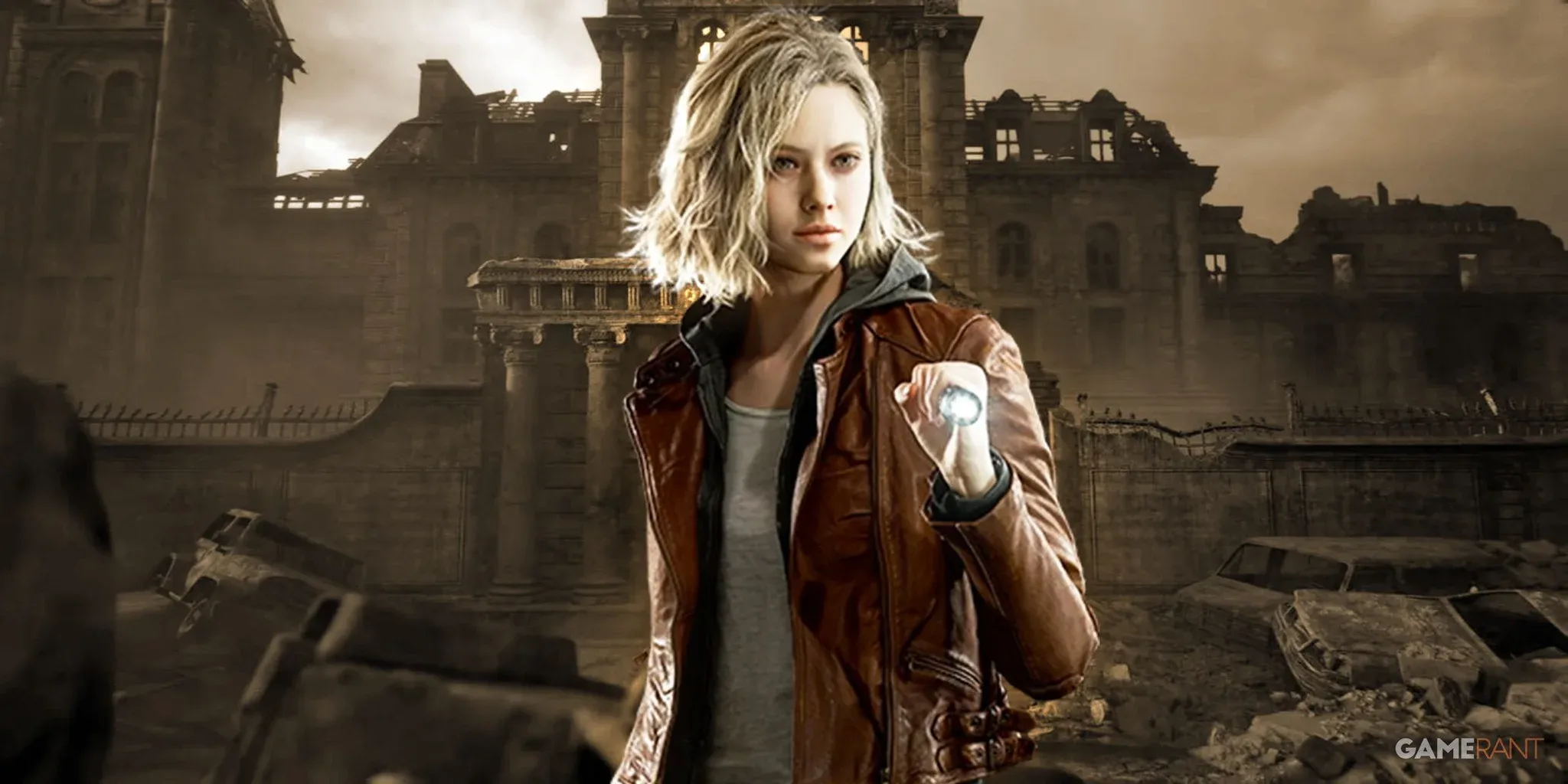


बैकलैश काफी जोरदार था और बहुत जल्दी आया। जब Nvidia ने अपनी AI-पावर्ड DLSS 5 रे-ट्रेसिंग टेक्नोलॉजी का खुलासा किया, तो इसके डेमो ने केवल विजुअल फिडेलिटी को लेकर ही चर्चा नहीं बढ़ाई। इसने उन प्लेयर्स के बीच काफी गुस्सा पैदा कर दिया जिन्होंने नोटिस किया कि यह टेक गेम के कैरेक्टर्स के चेहरों को साफ तौर पर बदल रही थी, जिसमें Resident Evil Requiem की प्रोटैगोनिस्ट Grace Ashcroft भी शामिल थीं। अब, Requiem के प्रोड्यूसर Masato Kumzawa ने इस पर अपनी बात रखी है, और उनका नज़रिया आपको हैरान कर सकता है।
पूरी स्थिति पर प्रोड्यूसर का नज़रिया
Kumzawa के लिए, यह हंगामा कोई संकट नहीं था। यह एक तारीफ थी।
"यह हकीकत कि बहुत सारे प्लेयर्स ने कमेंट किया कि उन्हें Grace का ओरिजिनल डिजाइन बहुत पसंद आया और वे इसे बदलते हुए नहीं देखना चाहते थे, यह एक पॉजिटिव बात है," उन्होंने हाल ही के एक इंटरव्यू में कहा। "इसका मतलब है कि हमने डिजाइन सही किया [और] यह इस बात की ओर इशारा करता है कि Grace ने बहुत जल्दी खुद को एक फैन फेवरेट के तौर पर स्थापित कर लिया है, कि लोगों की उनके डिजाइन को लेकर इतनी मजबूत राय है।"
बात यह है: यह फ्रेमिंग वास्तव में सही बैठती है। जब प्लेयर्स किसी कैरेक्टर के लुक को डिफेंड करने के लिए आगे आते हैं, जोर-शोर से और पब्लिकली, तो इसका मतलब है कि डिजाइन ने कनेक्ट किया है। Capcom ने Grace को फ्रैंचाइज़ी के नए चेहरे के रूप में तैयार करने में काफी मेहनत की थी, और DLSS 5 पर आई प्रतिक्रिया अनजाने में इस बात का सबसे स्पष्ट संकेत बन गई कि यह इन्वेस्टमेंट सफल रहा।
DLSS 5 असल में क्या करता है, और इसने हलचल क्यों मचाई
Nvidia का DLSS 5 फ्रेम आउटपुट को रिकंस्ट्रक्ट और एन्हांस करने के लिए AI का उपयोग करता है, और कथित तौर पर उस प्रोसेस का एक हिस्सा कैरेक्टर ज्योमेट्री को उन तरीकों से मॉडिफाई करना था जो डेवलपर्स का इरादा नहीं था। Grace वाली स्थिति इसके सबसे विजिबल उदाहरणों में से एक थी, जिसमें ऑनलाइन वायरल हुए साइड-बाय-साइड कंपैरिजन में DLSS 5 अप्लाई होने पर उनके फेशियल फीचर्स में साफ अंतर दिखाई दे रहा था।
इस विवाद ने पूरी इंडस्ट्री से प्रतिक्रियाएं बटोरीं। Nvidia के CEO Jensen Huang ने आलोचना का जवाब देते हुए जोर देकर कहा कि डेवलपर्स का DLSS 5 के आउटपुट पर पूरा कंट्रोल रहता है और उन्होंने इस बात से इनकार किया कि यह टेक्नोलॉजी कैरेक्टर ज्योमेट्री को फंडामेंटली बदलती है। प्लेयर्स द्वारा शेयर किए जा रहे विजुअल सबूतों को देखते हुए यह दावा काफी अजीब लगा।
Requiem पर Capcom के अपने एग्जीक्यूटिव प्रोड्यूसर, Jun Takeuchi ने लॉन्च के समय वास्तव में इस टेक्नोलॉजी की तारीफ की थी, यह कहते हुए कि "DLSS 5 विजुअल फिडेलिटी को आगे बढ़ाने में एक और महत्वपूर्ण कदम है, जो प्लेयर्स को Resident Evil की दुनिया में और भी ज्यादा डूबने में मदद करता है।" Kumzawa ने इस पर कोई बात नहीं की कि Capcom उस शुरुआती अनाउंसमेंट में कैसे शामिल था, और ब्रॉडर रोलआउट पर सीधे तौर पर कमेंट करने से इनकार कर दिया।
आगे चलकर DLSS 5 पर Capcom का क्या रुख है
इतने शोर-शराबे के बावजूद, Capcom ने इस टेक्नोलॉजी से किनारा नहीं किया है। स्टूडियो अभी भी भविष्य के टाइटल्स में DLSS 5 को सपोर्ट करने का लक्ष्य रख रहा है, जो यह बताता है कि Grace वाले विवाद को टेक्नोलॉजी को पूरी तरह छोड़ने के बजाय एक कैलिब्रेशन इश्यू के तौर पर देखा जा रहा है।
बिजनेस के नजरिए से यह स्थिति समझ में आती है। DLSS 5 कंपैटिबल हार्डवेयर पर रियल परफॉर्मेंस और विजुअल गेन्स का वादा करता है, और Capcom का RE Engine लगातार PC विजुअल्स को आगे बढ़ा रहा है। यहाँ मुख्य बात यह है कि क्या Nvidia वास्तव में Huang के उस वादे को पूरा कर सकता है कि जब AI अपना काम करता है, तो कैरेक्टर्स कैसे दिखेंगे, इस पर डेवलपर्स का आखिरी फैसला होगा।
PC पर उन प्लेयर्स के लिए जो Requiem में Grace के लुक को लेकर चिंतित हैं, अभी सबसे सुरक्षित कदम यही है कि DLSS 5 का उपयोग तब तक न करें जब तक Capcom यह कंफर्म न कर दे कि आउटपुट उनके इरादे वाले डिजाइन से मेल खाता है। विवाद ने Kumzawa की नजरों में Grace के डिजाइन को भले ही वैलिडेट कर दिया हो, लेकिन अगर टेक चुपचाप रियल टाइम में उनके चेहरे को बदल रही है, तो यह प्लेयर्स के लिए कोई बड़ी राहत की बात नहीं है।
स्थिति को लेकर Capcom का मैनेजमेंट, और AI रिकंस्ट्रक्शन पर डेवलपर्स को असली कंट्रोल देने के मामले में Nvidia के अगले कदम, इन पर बारीकी से नजर रखना जरूरी होगा क्योंकि Capcom के 2026 लाइनअप के और टाइटल्स PC पर रोल आउट हो रहे हैं।