
कल्पना कीजिए कि आप एक गेम बना रहे हैं, उसमें अपने ही पुराने काम का रेफ़रेंस दे रहे हैं, और फिर आपको उसे रिलीज़ करने से रोक दिया जाता है क्योंकि एक प्लेटफ़ॉर्म का कहना है कि आपने खुद से ही चोरी की है। जापानी इंडी डेवलपर Daikichi_EMP के साथ बिल्कुल यही हुआ है, और यह सुनने में जितना अजीब है, उतना ही फ्रस्ट्रेटिंग भी है।
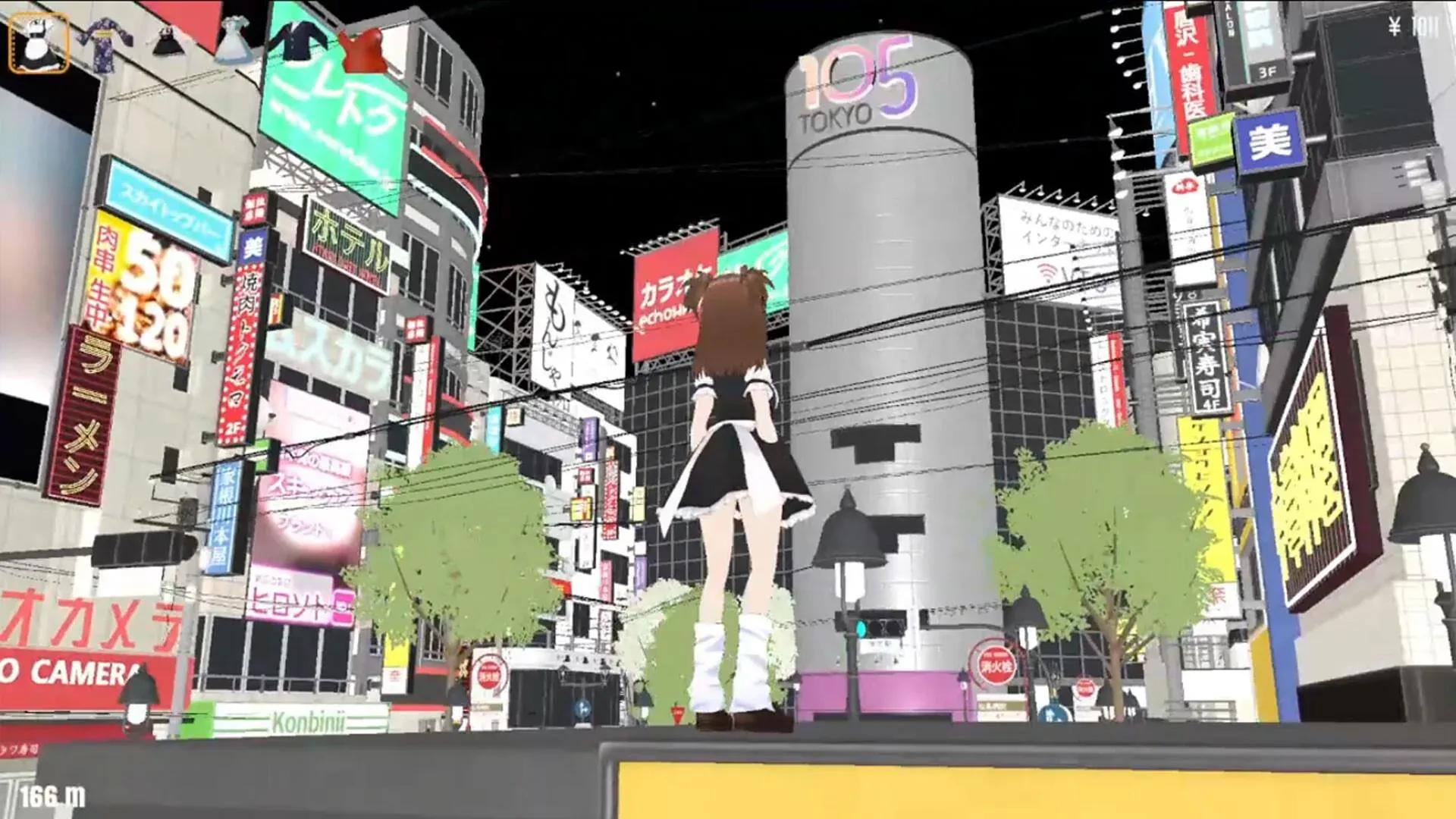
Daikichi_EMP, जो Digital Ramen Studio के बैनर तले डेवलप करते हैं, अपने आने वाले गेम Wired Tokyo 2007 का प्लेएबल डेमो रिलीज़ करने की तैयारी कर रहे थे, तभी Steam ने उनकी सबमिशन को फ्लैग कर दिया। Valve की रिव्यू टीम का दावा था कि गेम के स्क्रीनशॉट्स में ऐसे बोर्ड गेम एसेट्स हैं जो "थर्ड-पार्टी इंटेलेक्चुअल प्रॉपर्टी" का उल्लंघन करते हैं। जिन गेम्स को फ्लैग किया गया, वे थे Second Best और Dinostone, जो Wired Tokyo 2007 के अंदर इन-वर्ल्ड ऑब्जेक्ट्स के तौर पर दिखाई देते हैं। पेंच यह है कि इन्हें भी Daikichi ने ही बनाया था।
Steam ने क्या फ्लैग किया और यह तर्क क्यों काम नहीं कर रहा
Valve के ऑटोमेटेड और मैनुअल रिव्यू सिस्टम ने बोर्ड गेम के विजुअल्स की पहचान की और कॉपीराइट को लेकर चिंता जताई, जो कि अलग से देखने पर एक वाजिब कदम लग सकता है। समस्या यह है कि जिस IP की बात हो रही है, वह उसी डेवलपर की है जो गेम सबमिट कर रहा है। Daikichi ने X/Twitter पर सार्वजनिक रूप से इसकी पुष्टि की और बताया कि बोर्ड गेम के मोटिफ्स उनकी अपनी पुरानी रचनाएं हैं जिन्हें Wired Tokyo 2007 में एनवायरनमेंटल डिटेल के तौर पर रखा गया था।
उन्होंने एक पोस्ट में लिखा, जिसका मशीन ट्रांसलेशन कुछ इस तरह है: "यह कोई थर्ड पार्टी नहीं है, यह सिर्फ मैं हूं जो अपने खुद के इंटेलेक्चुअल प्रॉपर्टी राइट्स का इस्तेमाल करना चाहता हूं, इसलिए मुझे समझ नहीं आ रहा कि इसका क्या मतलब है।"
Steam सपोर्ट को सीधे स्थिति समझाने के बावजूद, Valve का रुख नहीं बदला। प्लेटफ़ॉर्म अब लाइसेंस एग्रीमेंट्स, IP ओनरशिप के दस्तावेज़, या लीगल रिप्रेजेंटेशन के जरिए औपचारिक पुष्टि के सबूत मांग रहा है।
ब्लॉक से पहले बनाम अब
फ्लैग होने से पहले, स्थिति सरल थी: एक सोलो डेवलपर अपने नए गेम में अपने ही पुराने काम का रेफ़रेंस दे रहा था, जो कि एक आम और कानूनी रूप से सामान्य प्रक्रिया है। फ्लैग होने के बाद, Daikichi एक रिव्यू लूप में फंस गए हैं, वे अपने बनाए गेम का डेमो रिलीज़ नहीं कर पा रहे हैं, जिसमें उनके ही बनाए एसेट्स हैं, और वह भी ऐसे प्लेटफ़ॉर्म पर जिसके लिए उन्होंने Steam के डेवलपर प्रोग्राम के जरिए पैसे भी दिए हैं।
हालात को देखते हुए उनका रिएक्शन काफी संयमित रहा है। रिव्यू जल्दी पास कराने के लिए बोर्ड गेम विजुअल्स को बदलने के बजाय, उन्होंने इस सिद्धांत पर ही सवाल उठाया। उन्होंने लिखा, "यह मेरा अपना काम है, फिर भी मुझे कहा जा रहा है कि 'थर्ड-पार्टी इंटेलेक्चुअल प्रॉपर्टी के उल्लंघन का संदेह है', और ऐसा करने का कोई कारण नहीं है।"
उन्होंने तब से डेमो को एक ऐसे दस्तावेज़ के साथ फिर से सबमिट किया है जो उन्हें अपने ही काम का इस्तेमाल करने की औपचारिक अनुमति देता है। फिलहाल, Wired Tokyo 2007 का डेमो पेज अभी भी "coming soon" दिखा रहा है और Valve की तरफ से कोई जवाब नहीं आया है।
यह Steam के रिव्यू प्रोसेस के बारे में क्या बताता है
यह स्थिति इस बात को उजागर करती है कि इंडी लेवल पर Steam IP विवादों को कैसे हैंडल करता है। प्लेटफ़ॉर्म का रिव्यू प्रोसेस विजुअल मैच को फ्लैग कर देता है, बिना इस संदर्भ के कि असल में मालिक कौन है। जब किसी बड़े पब्लिशर को फ्लैग किया जाता है, तो उनके पास लीगल टीमें होती हैं जो घंटों में ज़रूरी कागजी कार्रवाई पूरी कर सकती हैं। जापान का एक सोलो डेवलपर, जो बिना किसी लीगल डिपार्टमेंट के काम कर रहा है, एक बिल्कुल अलग हकीकत का सामना कर रहा है।
बात यह है: Daikichi कोई स्पेशल ट्रीटमेंट नहीं मांग रहे हैं। उन्होंने शुरुआती एप्लिकेशन के दौरान सबूत दिए थे। Valve की टीम ने उसे रिव्यू किया और फिर भी मना कर दिया। यही वह हिस्सा है जो सबसे ज़्यादा परेशान करने वाला है।
Daikichi के सार्वजनिक रूप से पोस्ट करने के बाद जापानी गेम्स आउटलेट Game Spark ने इस कहानी को कवर किया, और तब से यह गेमिंग मीडिया में फैल गई है। Valve ने कोई सार्वजनिक बयान जारी नहीं किया है। Daikichi की री-सबमिशन रिव्यू क्लियर करेगी या मांगों का एक और दौर शुरू होगा, यह वह सवाल है जिस पर इंडी देव कम्युनिटी अभी बारीकी से नज़र रखे हुए है।