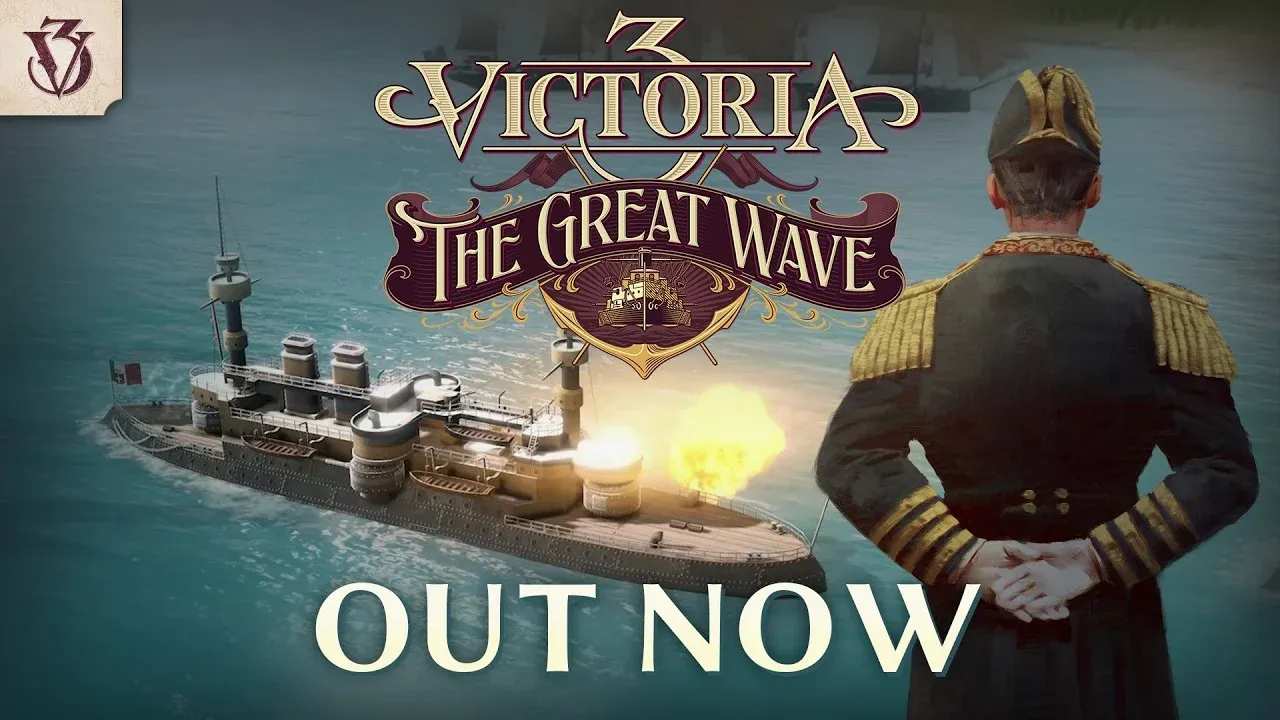


Victoria 3 के लिए The Great Wave एक्सपेंशन टीम द्वारा रिलीज़ किए गए सबसे आर्ट-हेवी (art-heavy) रिलीज़ में से एक है। इसका कंटेंट दो मुख्य पिलर्स में बंटा है: जापान और नेवी। दोनों को फुल विज़ुअल ओवरहाल, नए 2D एसेट्स और एक डेडिकेटेड म्यूज़िक अप्रोच मिली है, जो गेम के लॉन्च के बाद से ऑडियो हैंडल करने के तरीके से बिल्कुल अलग है। 28 अप्रैल, 2026 को फ्री Update 1.13 के साथ रिलीज़ हुए इस अपडेट में नए आर्ट का वॉल्यूम इतना ज़्यादा है कि जब आप इंटरेस्ट ग्रुप्स को मैनेज करने और रेलरोड्स बनाने में बिजी होते हैं, तो इसे मिस करना आसान है।
Paradox ने जापानी आर्किटेक्चर को कैसे अप्रोच किया?
डेव टीम ने पूरे बोर्ड पर एक ही एस्थेटिक (aesthetic) लागू करने के बजाय जापान की बिल्डिंग्स को रूरल/अर्बन डिवाइड के आधार पर बांटने का जानबूझकर फैसला किया। रूरल इलाकों ने अपनी Edo-period की जड़ों को बरकरार रखा। इसके विपरीत, शहरों में परंपरा और Meiji-era के आधुनिकीकरण का टकराव दिखता है।
रूरल बिल्डिंग्स
कम आय वाले रूरल हाउसिंग Gassho-zukuri और Nambu Magari-ya फार्म स्टाइल्स से प्रेरित हैं। मध्यम आय वाले परिवार छोटी Sukiya-zukuri बिल्डिंग्स का उपयोग करते हैं। उच्च आय वाली हाउसिंग, जो कुलीन वर्ग और समुराई क्लास के लिए आरक्षित है, Shoin-zukuri को अधिक अनौपचारिक Sukiya-zukuri के साथ जोड़ती है, जिससे यह एक सामान्य अमीर आवास के बजाय एक आलीशान हवेली जैसा दिखता है।
रूरल टाउन हब में पीरियड-स्पेसिफिक डिटेल्स शामिल हैं: Gokaidō रोड नेटवर्क के किनारे पोस्ट टाउन जैसा एक बाथहाउस, एक अस्थायी Kabuki स्टेज, मार्केट स्टॉल्स और एक टी हाउस जैसा दिखने वाला स्ट्रक्चर। फार्मलैंड को सिल्क प्लांटेशन (सिल्कवर्म के लिए शहतूत के पेड़ों के साथ), राइस फार्म्स, लाइवस्टॉक रैंच और गेहूं के खेतों के लिए यूनिक मॉडल्स मिले हैं।
अर्बन बिल्डिंग्स
अर्बन इलाके Meiji ट्रांसफॉर्मेशन को अधिक आक्रामक रूप से दर्शाते हैं। कम आय वाली सिटी हाउसिंग में साझा कुओं और शौचालयों के साथ Nagaya लॉन्ग रो हाउस का उपयोग किया गया है। मिड-इनकम इलाकों में Machiya मर्चेंट क्वार्टर्स हैं: दुकान के फ्रंट और कभी-कभार पीछे के बगीचों वाली दो मंजिला इमारतें। उच्च आय वाली हाउसिंग शहरों में भी केवल समुराई क्लास तक ही सीमित है।
इस युग के चरम एक-दूसरे के बगल में स्थित हैं। सबसे आधुनिक स्ट्रक्चर Ryōunkaku स्काईस्क्रेपर पर आधारित है, जिसमें इलेक्ट्रिक एलिवेटर भी है। सबसे पारंपरिक मिलिट्री बैरक्स एक किले के रूप में हैं जो मोटे तौर पर ओसाका, मात्सुए और त्सुयामा के किलों पर आधारित हैं।
कैरेक्टर आर्ट और क्लोदिंग में नया क्या है?
टीम ने लगभग 99 पहचाने जाने योग्य ऐतिहासिक हस्तियों के लिए DNA शामिल किया है। कई और ऐतिहासिक कैरेक्टर्स जोड़े गए हैं, लेकिन उनके विज़ुअल रेफरेंस मौजूद नहीं हैं, इसलिए उनके लुक्स को सीधे समानता के बजाय पीरियड कॉन्टेक्स्ट से तैयार किया गया है।
DNA का काम कम्युनिटी मॉडर Lord R (Morgenröte मॉड के) द्वारा संभाला गया था, जिन्हें Paradox ने विशेष रूप से इस रिलीज़ के लिए शामिल किया था। जापानी कैरेक्टर्स पर Lord R के काम के लिए सावधानीपूर्वक निर्णय लेने की आवश्यकता थी, जब सोर्स मटेरियल तस्वीरों के बजाय स्टाइलाइज्ड फीचर्स वाली पेंटिंग या चित्र थे, जैसा कि Dev Diary 180 में बताया गया है।
कपड़ों में भी एक उल्लेखनीय कम्युनिटी योगदान मिला है। Paradox ने जापानी यूनिफॉर्म पैक (JUP) के क्रिएटर मॉडर Miss Duce के साथ काम किया, ताकि उनके कपड़ों के एसेट्स को सीधे Update 1.13 के लिए बेस गेम में लाइसेंस किया जा सके। ये एसेट्स सभी बेस गेम ओनर्स के लिए फ्री हैं। सिलेक्टेड एसेट्स को रिलीज़ के समय JUP मॉड से हटा दिया जाएगा क्योंकि वे अब बेस गेम का हिस्सा हैं, हालांकि मॉड बाकी कपड़ों के साथ जारी रहेगा।
नेवी अपडेट वास्तव में कैसा दिखता है?
नेवल विज़ुअल वर्क इस अपडेट में सबसे बड़ा आर्ट प्रोजेक्ट है। Paradox ने 20 अलग-अलग जहाज प्रकारों को रिसर्च, मॉडल और टेक्सचर किया है, जिनमें से प्रत्येक में चार अलग-अलग विज़ुअल कॉन्फ़िगरेशन कैटेगरी हैं। इसका मतलब है कि यूनिक विज़ुअल स्टेट्स की वास्तविक संख्या 20 से काफी अधिक है।
शिप कॉन्फ़िगरेशन विज़ुअल्स को कैसे प्रभावित करते हैं?
प्रत्येक जहाज का लुक चार मॉडिफायबल एलिमेंट्स के आधार पर बदलता है:
टीम ने पारंपरिक कीफ्रेम एनिमेशन पर निर्भर रहने के बजाय कोड-आधारित एनिमेशन सिस्टम बनाया है। आइडल और मूवमेंट स्टेट्स के दौरान सभी रॉकिंग मोशन, यॉ (yaw), पिच और टिल्ट गणित द्वारा संचालित होते हैं। फायरिंग करते समय बुर्ज और कैसीमेट्स स्क्रिप्टेड स्थितियों में घूमते हैं। इसका व्यावहारिक लाभ यह है कि भविष्य के अपडेट जहाज की हेडिंग या फायरिंग स्टेट से स्वतंत्र रूप से लहर की ताकत या हवा की दिशा को एडजस्ट कर सकते हैं।
नेवल कॉम्बैट डायोरमास
बैटल की एक स्थिर लाइन के बजाय, Paradox ने जिसे टीम "सर्कल ऑफ बैटल" कहती है, उसे चुना है: दोनों बेड़े एक सी नोड पर मिलते हैं और एक केंद्रीय बिंदु के चारों ओर एक-दूसरे का चक्कर लगाते हैं जब तक कि एक पक्ष पीछे न हट जाए या डूब न जाए। डायोरमा गेम पॉज होने पर भी एनिमेट होता रहता है, इसलिए लड़ाई के दौरान देखने के लिए हमेशा कुछ न कुछ होता है।
नए विज़ुअल इफेक्ट्स और शेडर्स शुरुआती और बाद के गन प्रकारों के बीच अलग-अलग गनपाउडर धुएं की अनुमति देते हैं, जो एक छोटा सा विवरण है जो एक लंबे कैंपेन में बहुत मायने रखता है।
स्ट्रेट कंट्रोल फोर्टिफिकेशन
स्ट्रेट्स को कंट्रोल करने के लिए नेवल किले Martello towers पर आधारित हैं, जो ब्रिटिश-डिज़ाइन किए गए तटीय किले हैं जो अधिकांश महाद्वीपों पर पाए जाते हैं। टीम ने इस डिज़ाइन को इसलिए चुना क्योंकि यह सेल्फ-कंटेंड है, स्थानीय रूप से उपलब्ध पत्थर से बनाया जा सकता है, और एक लगभग समान आकार में आता है जो विभिन्न तटरेखा प्रकारों पर आसानी से फिट बैठता है।
Lacquer UI स्किन कैसी दिखती है?
The Great Wave एक नई UI स्किन के साथ आता है जिसे Lacquer कहा जाता है। डिज़ाइन प्रक्रिया एक व्यावहारिक सवाल से शुरू हुई: यदि यह एक भौतिक वस्तु होती तो इस इंटरफ़ेस को बनाने के लिए किन सामग्रियों का उपयोग किया जाता? जवाब था लैक्वेर्ड लकड़ी और मिट्टी के रंग।
फाइनल डिज़ाइन Karahafu आर्च शेप पर केंद्रित है, जो पारंपरिक रूप से जापान में महत्वपूर्ण बिल्डिंग एंट्रेंस पर लालित्य और प्रतिष्ठा का संकेत देता है। Ranma सजावटी पैनल उन फ्रेम सेक्शन में प्रमुखता से दिखाई देते हैं जहां हेडर टेक्स्ट होता है। कलर स्कीम सोने के ट्रिम और लाल लहजे के साथ लगभग काली डार्क ब्राउन है।
बटन लाल के बजाय कॉपर टोन में फिनिश किए गए हैं (जिसे UX कन्वेंशन नकारात्मक कार्यों के साथ जोड़ता है) और कंट्रास्ट बनाए रखने के लिए डार्क फ्रेम की तुलना में काफी ब्राइट हैं। यह पहली बार है जब Paradox ने बटन सामग्री को विशेष रूप से सादे लकड़ी के बजाय लैक्वेर्ड लकड़ी में बदल दिया है।
नई पेपरमैप स्किन में क्या है?
पेपरमैप, जिसे Wakon Yosai कहा जाता है, Meiji-era के ukiyo-e वुडब्लॉक प्रिंट एस्थेटिक्स से प्रेरित है। टीम ने विशेष रूप से सचित्र दृश्यों के लिए जापानी नौसेना के इतिहास पर ध्यान केंद्रित किया, साथ ही उन पौराणिक तत्वों पर जो संस्कृति में गहराई से निहित हैं।
विशिष्ट सचित्र दृश्यों में शामिल हैं:
- Battle of Port Arthur का चित्रण
- देवताओं Izanagi और Izanami द्वारा जापान का पौराणिक निर्माण
- 1855 के Ansei Edo भूकंप का कारण बनने वाली विशाल कैटफ़िश Namazu
- Chōjū-giga पशु व्यंग्य परंपरा में Kasa-obake (छाता आत्माएं) और मेंढक जैसे मानव
- मैप पर बिखरे हुए छिपे हुए मेंढक चित्र और टीम के सदस्यों के संदर्भ
The Great Wave में म्यूज़िक कैसे काम करता है?
यहाँ म्यूज़िक के प्रति अप्रोच Victoria 3 के पिछले इंस्ट्रूमेंटेशन विकल्पों से जानबूझकर अलग है। गेम ने ऐतिहासिक रूप से सिम्फनी ऑर्केस्ट्रा, चैंबर ऑर्केस्ट्रा या सोलोइस्ट फॉर्मेट का उपयोग किया है। The Great Wave के लिए, टीम ने विशेष रूप से सोलोइस्ट इंस्ट्रूमेंटेशन को चुना, क्योंकि Edo और Meiji काल के दौरान जापान में चैंबर और सिम्फनी ऑर्केस्ट्रा प्रमुख प्रदर्शन फॉर्मेट नहीं थे।
सोर्स मटेरियल पब्लिक डोमेन गानों और पारंपरिक टुकड़ों से आया है जिन्हें मौखिक परंपरा या नोटेशन के माध्यम से संरक्षित किया गया है। Paradox ने पारंपरिक जापानी संगीत के ऐतिहासिक रूप से सटीक प्रदर्शन में अनुभवी संगीतकारों के साथ काम किया ताकि फाइनल ट्रैक्स को चुना और रिकॉर्ड किया जा सके।
रिलीज़ में लगभग 28 मिनट का लीनियर म्यूज़िक परफॉरमेंस शामिल है। संदर्भ के लिए, स्टैंडअलोन Songs of the Homeland म्यूज़िक पैक 46 मिनट 51 सेकंड का था, इसलिए यह एक बड़े एक्सपेंशन के भीतर कंटेंट के लिए एक महत्वपूर्ण अतिरिक्त है, न कि केवल एक डेडिकेटेड म्यूज़िक पैक। मुख्य प्रदर्शन समाप्त होने के बाद ट्रैक्स एम्बिएंट या रुक-रुक कर चलने वाली पूंछ के साथ जारी रहते हैं।
सारांश: अपडेट 1.13 में आर्ट और ऑडियो में क्या बदला
Paradox ने The Great Wave के विज़ुअल और ऑडियो वर्क में जो गहराई पैक की है, उसे केवल एक चेंजलॉग से समझना वास्तव में कठिन है। अकेले आर्किटेक्चर के लिए Edo-period की प्रामाणिकता को Meiji-era के ट्रांसफॉर्मेशन के खिलाफ संतुलित करने की आवश्यकता थी, शिप सिस्टम के लिए पूरी तरह से नए एनिमेशन फ्रेमवर्क की आवश्यकता थी, और म्यूज़िक के लिए मौजूदा ऑर्केस्ट्रल व्यवस्थाओं को अनुकूलित करने के बजाय प्रामाणिक पीरियड प्रदर्शनों को सोर्स और रिकॉर्ड करने की आवश्यकता थी। Victoria 3 एक्सपेंशन और स्ट्रैटेजी कंटेंट की अधिक कवरेज के लिए, GAMES.GG पर और गाइड्स ब्राउज़ करें।