Overview
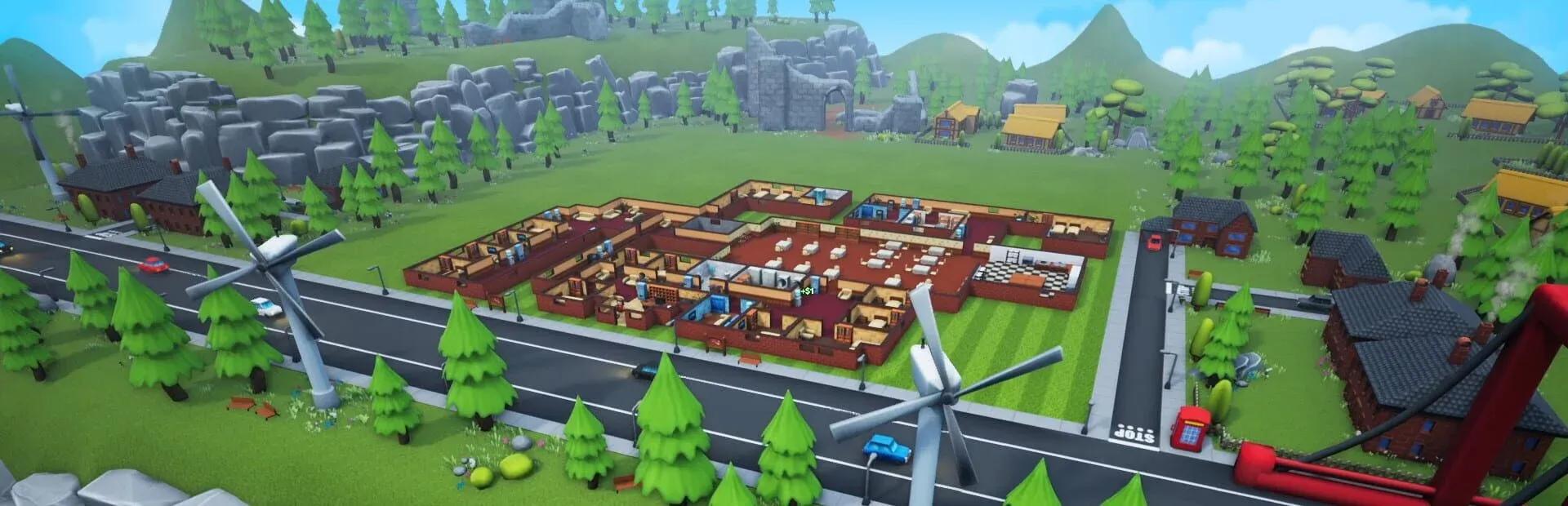
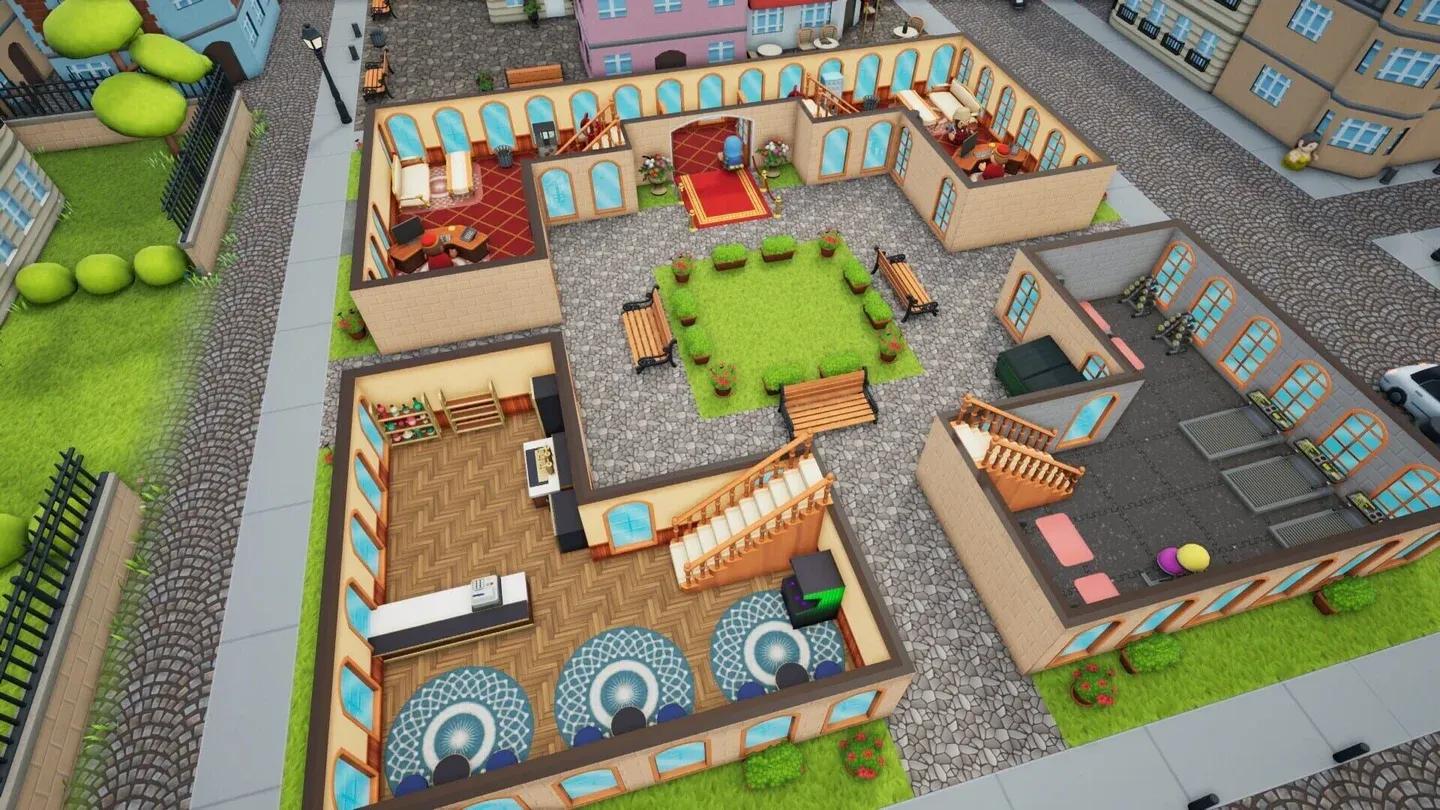
Hotel Architect is a hotel construction and management simulation from Pathos Interactive that tasks players with building and running hotels across multiple real-world-inspired locations. The game blends architectural layout planning with deep tycoon-style logistics, all playing out in real time. Every floor you add and every amenity you place has direct consequences on guest satisfaction and your bottom line.
The game launched in full 1.0 on May 14, 2026, after a stretch in Early Access. Players progress through a career campaign mode that unlocks sandbox versions of each location upon completing its objectives. That structure gives the game a clear sense of direction without locking away the free-form building experience permanently.
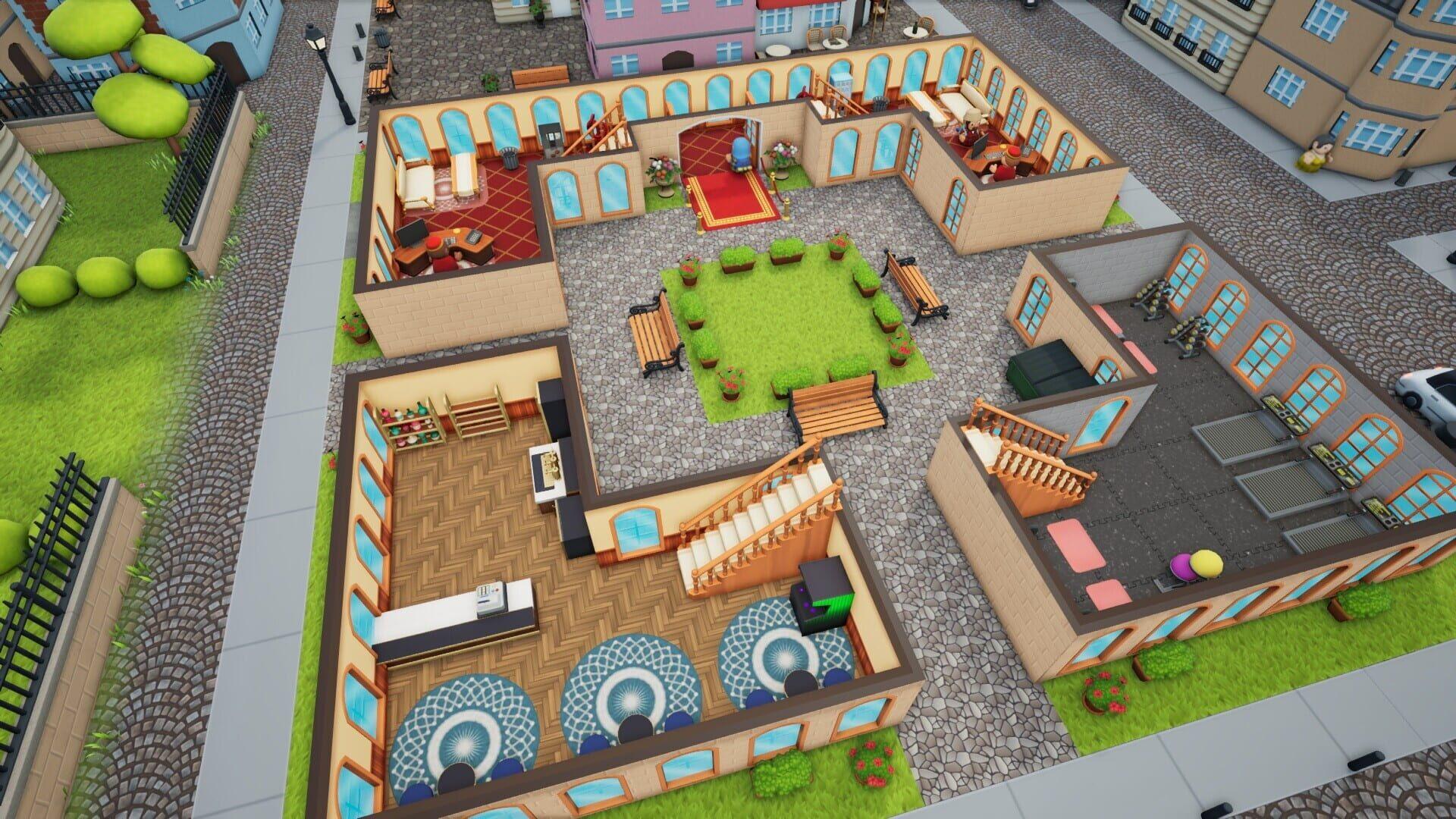
Gameplay and mechanics
The core gameplay loop in Hotel Architect revolves around four interconnected systems: design, construction, staffing, and logistics. Here is how those elements break down:
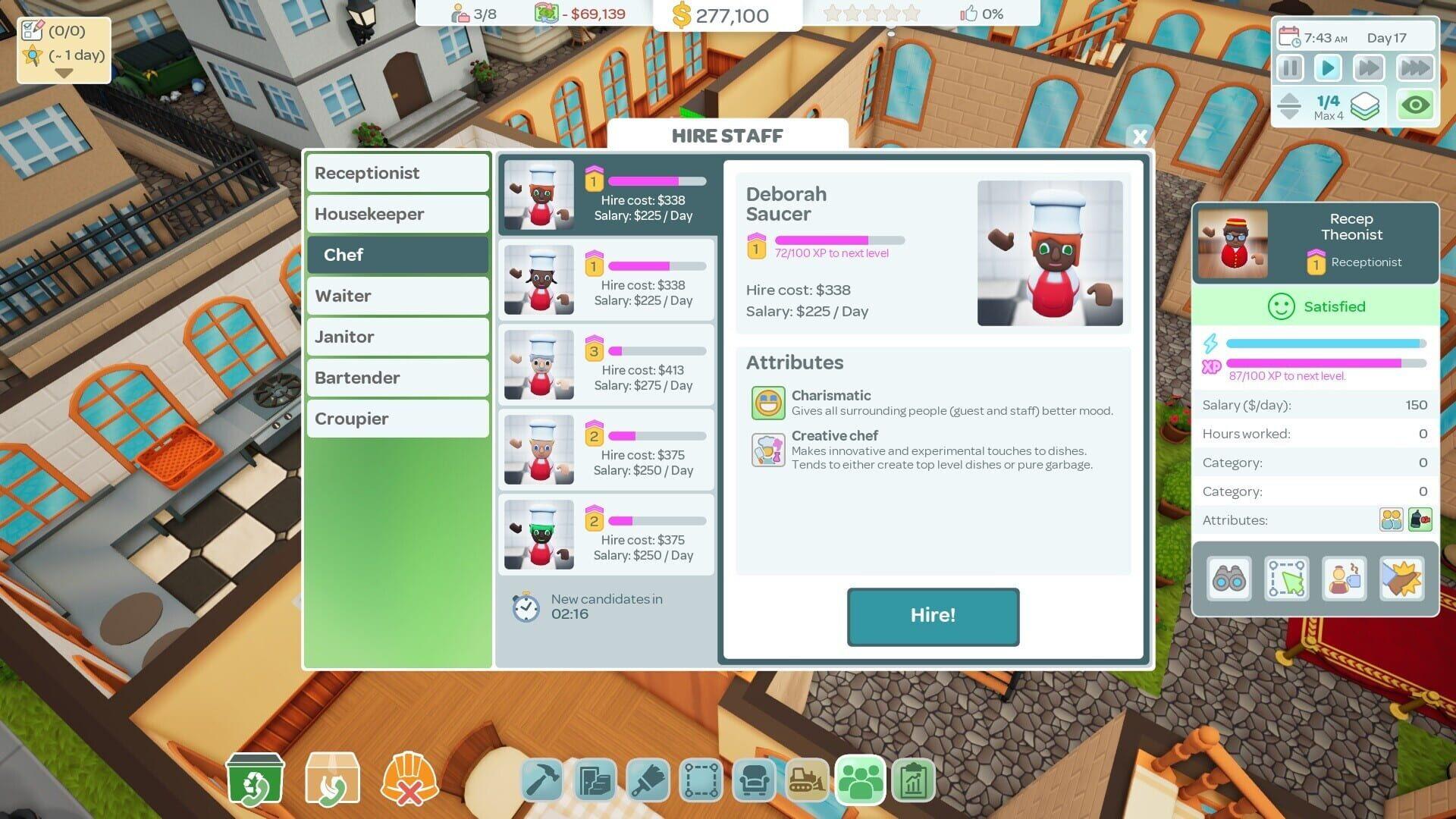
- Design the floor layout before breaking ground
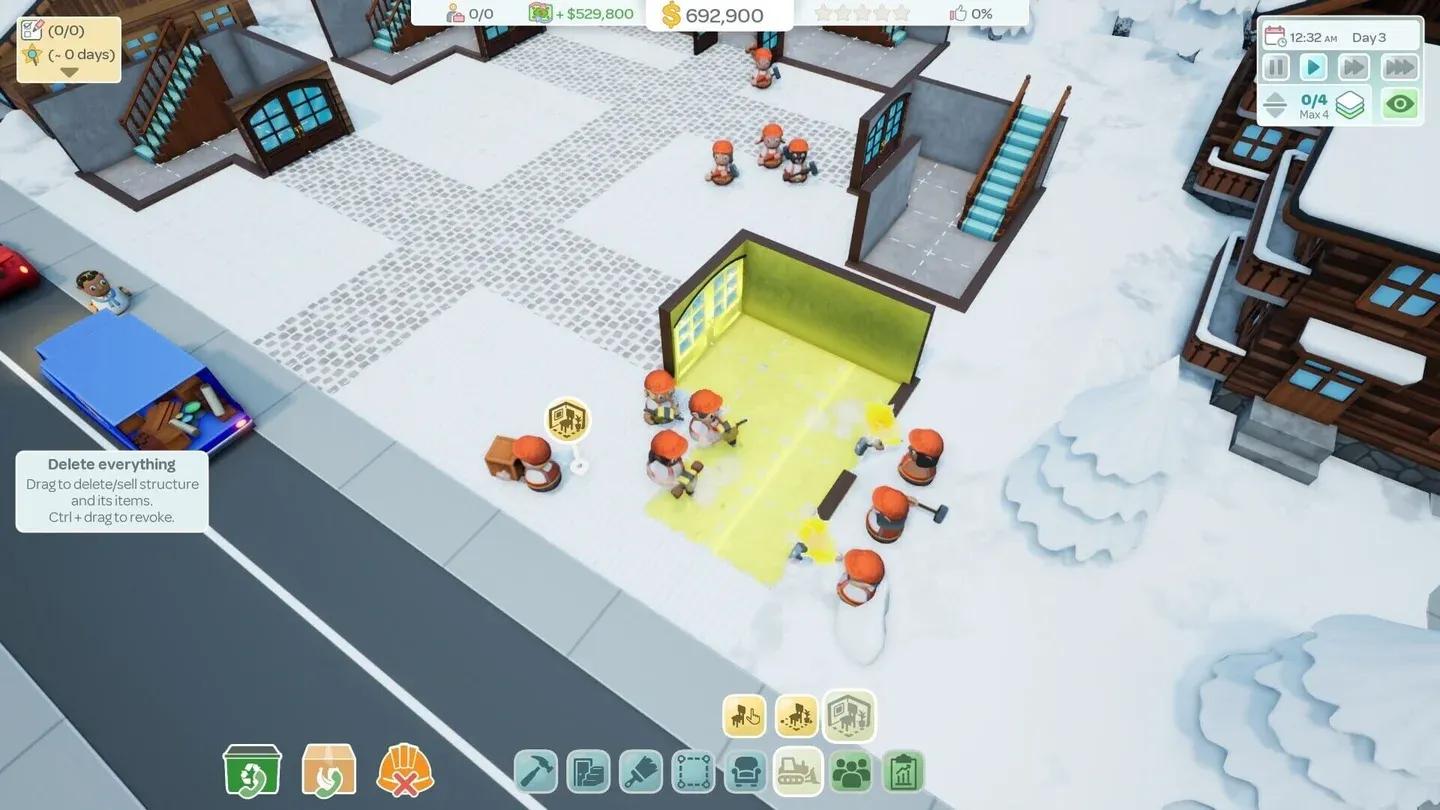
- Hire construction workers to physically build facilities
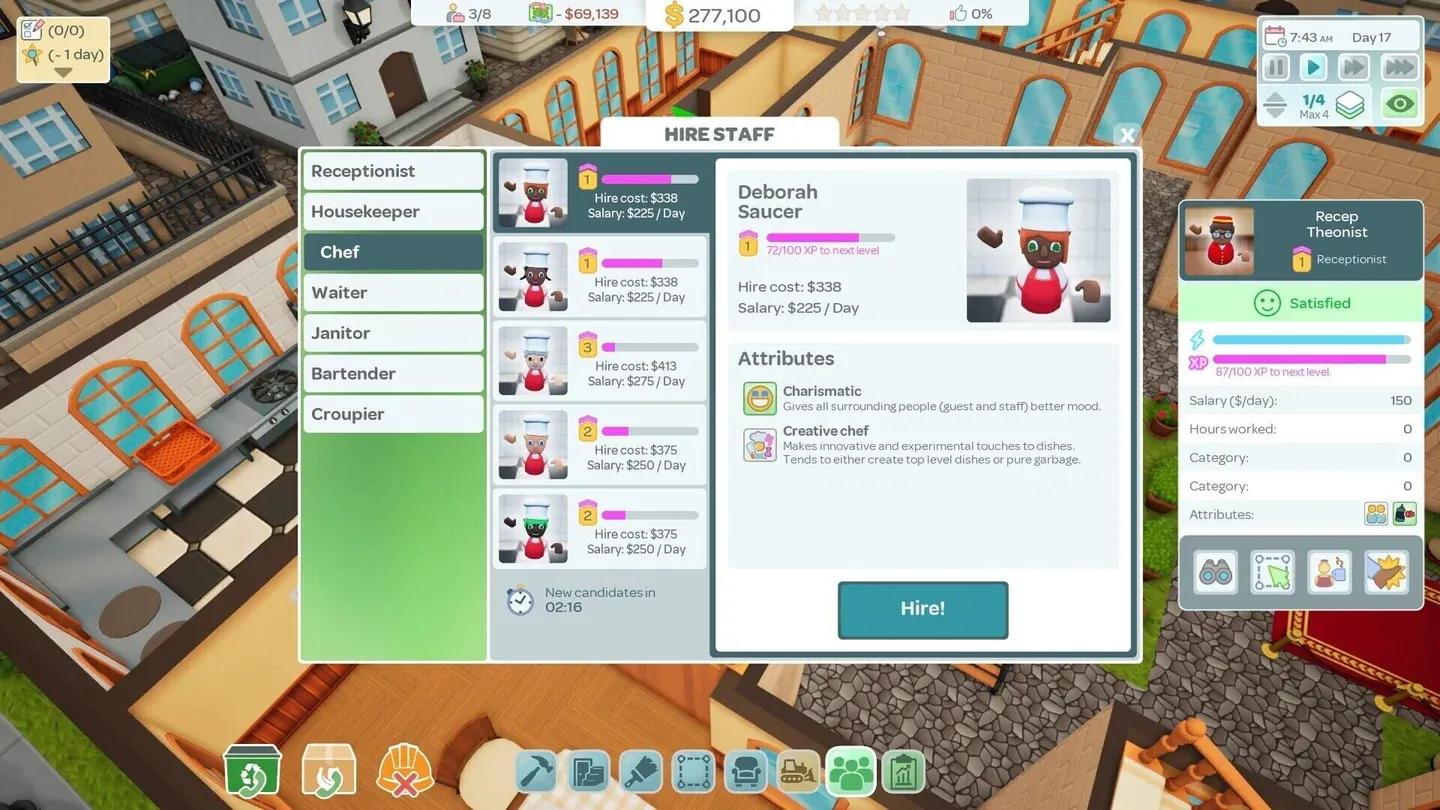
- Staff each department with workers of varying attributes
- Manage logistics chains to keep services running smoothly
- Balance finances through loans, partnerships, and revenue
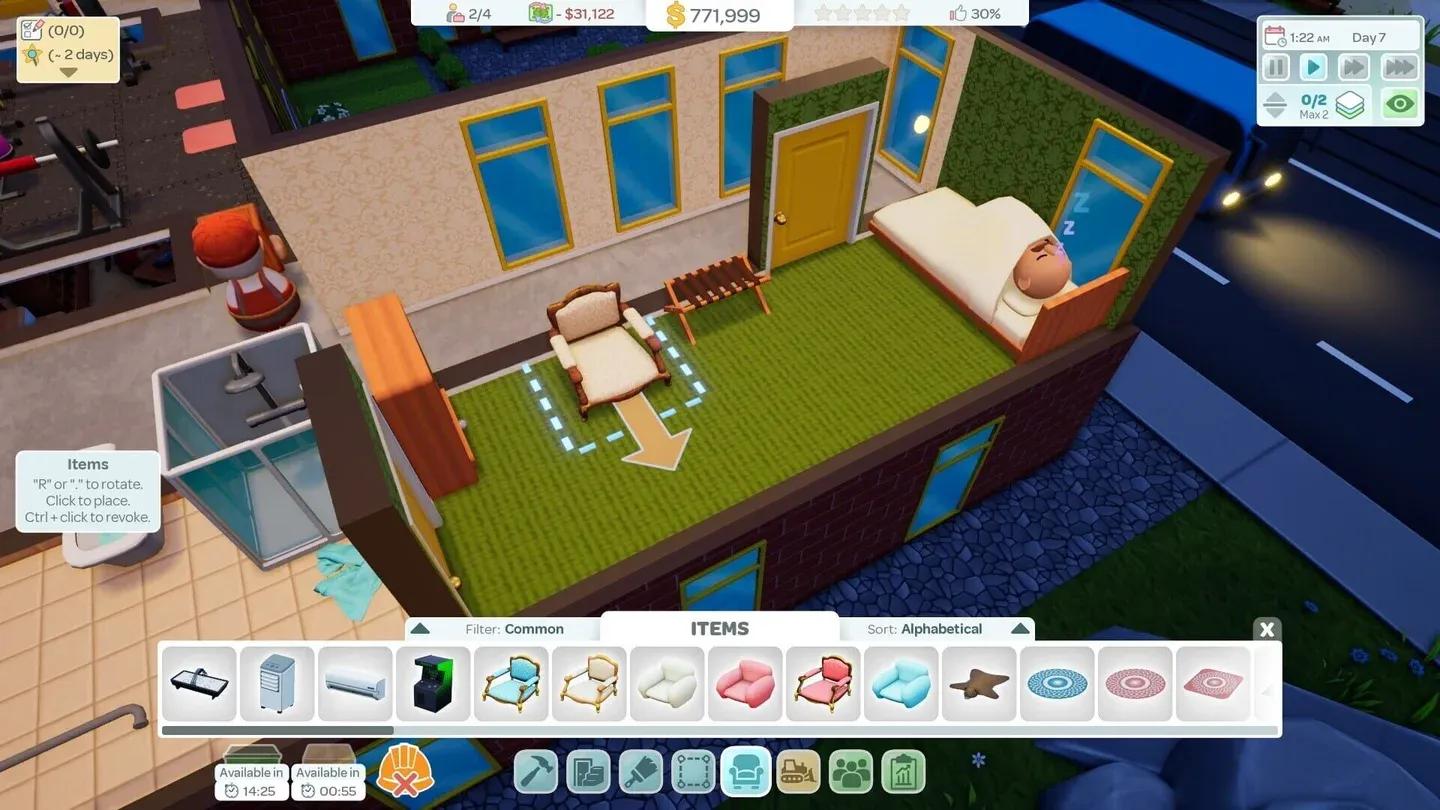
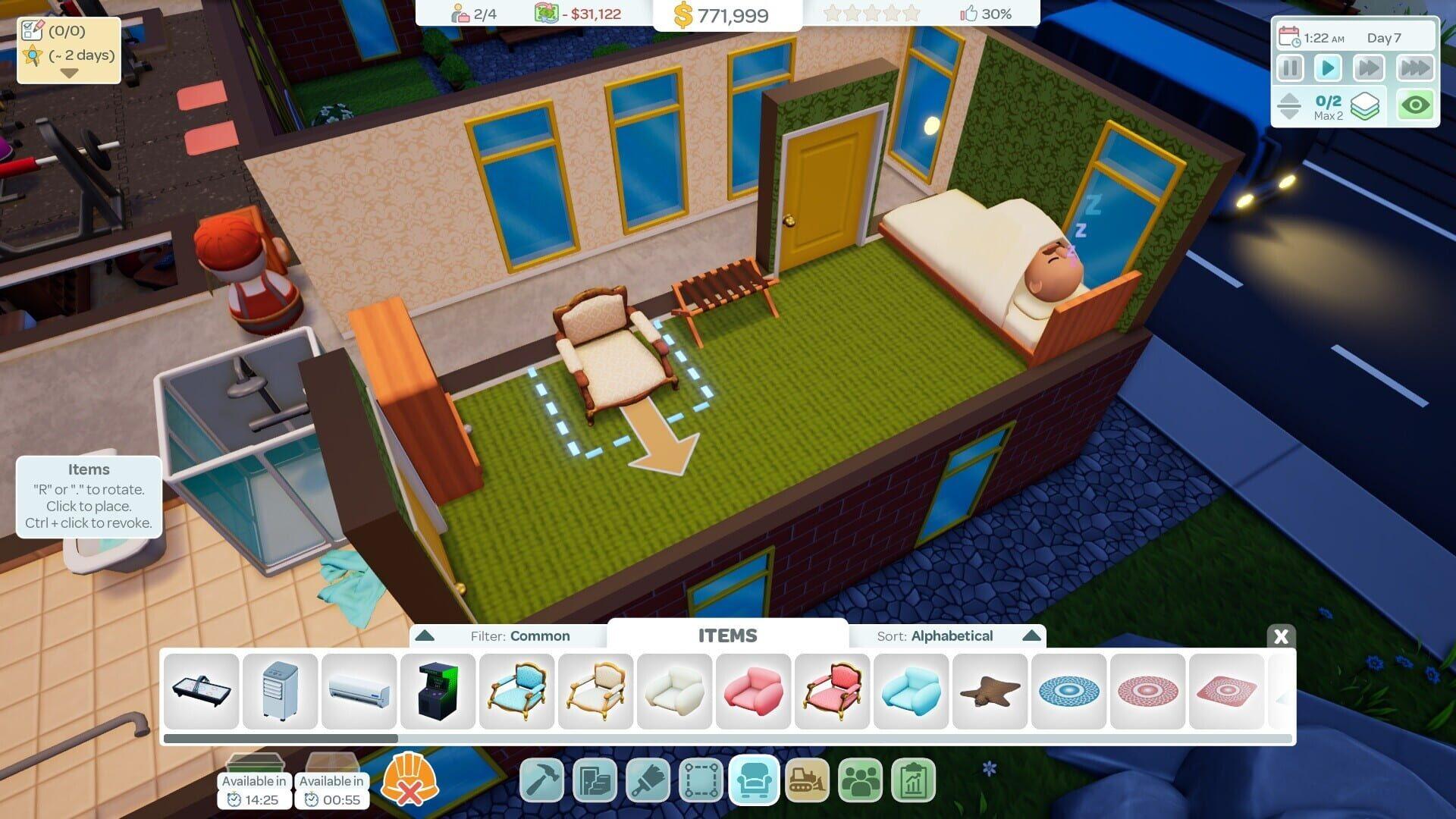
Construction plays out in real time, which means pulling up floors or swapping furniture while guests are using them will earn you bad reviews fast. The game rewards careful pre-planning over reactive scrambling, though the chaos of a fully operational hotel means you will be doing plenty of both.
How do the advisor characters affect your decisions?
Three advisors handle actions that fall outside day-to-day hotel management: the Accountant, the Manager, and the Lawyer. The Accountant can apply for loans and adjust financial reports to improve credit ratings. The Manager helps adopt new operational policies and secure business partnerships. The Lawyer handles legal disputes and negotiates subsidies with local politicians.
The catch is that each advisor has an influence meter. Push them too hard with risky or borderline-illegal requests and their effectiveness drops. Get too aggressive and the Lawyer can end up unavailable entirely. It adds a light risk-reward layer to the financial and operational side of running the hotel that keeps decisions feeling meaningful.
Logistics and the supply chain
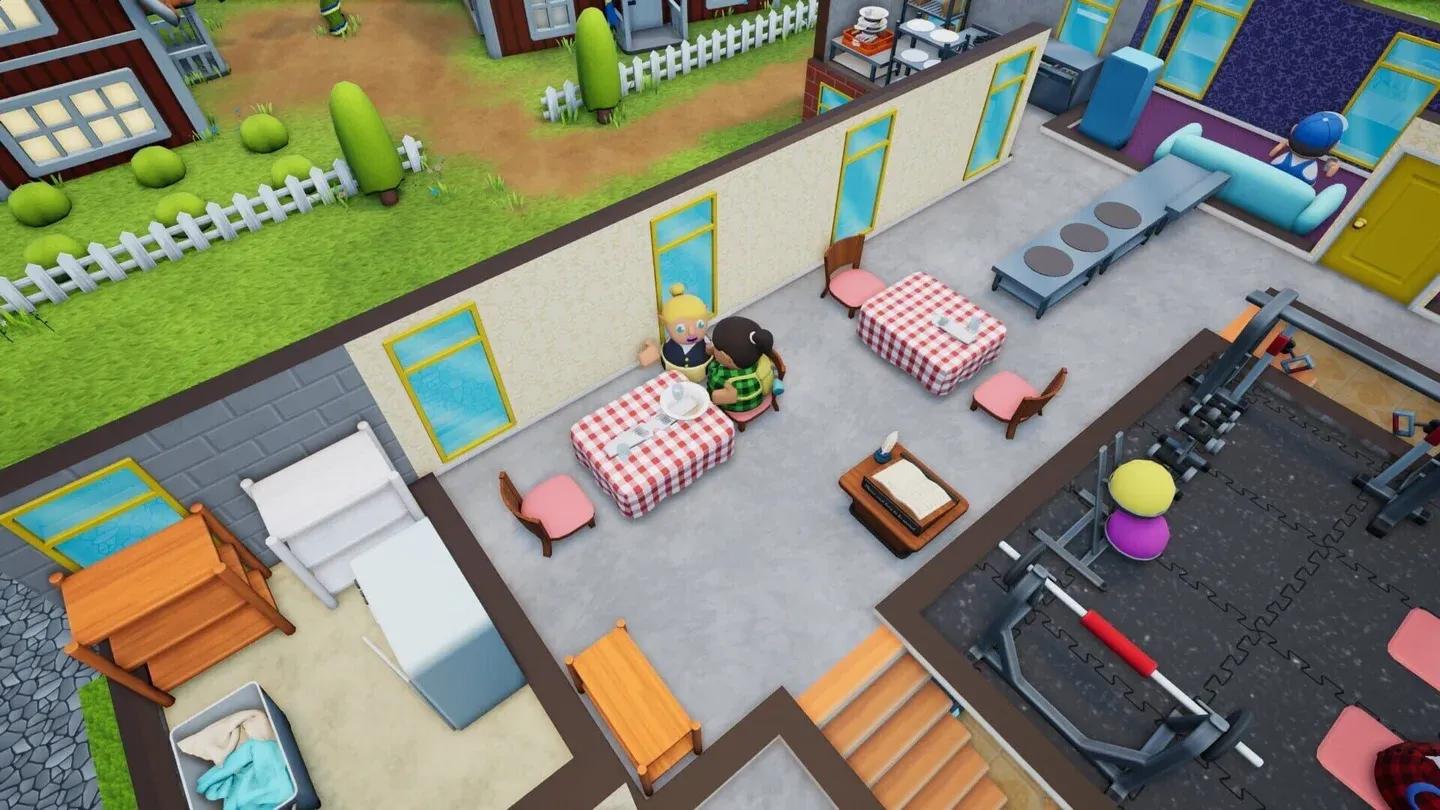
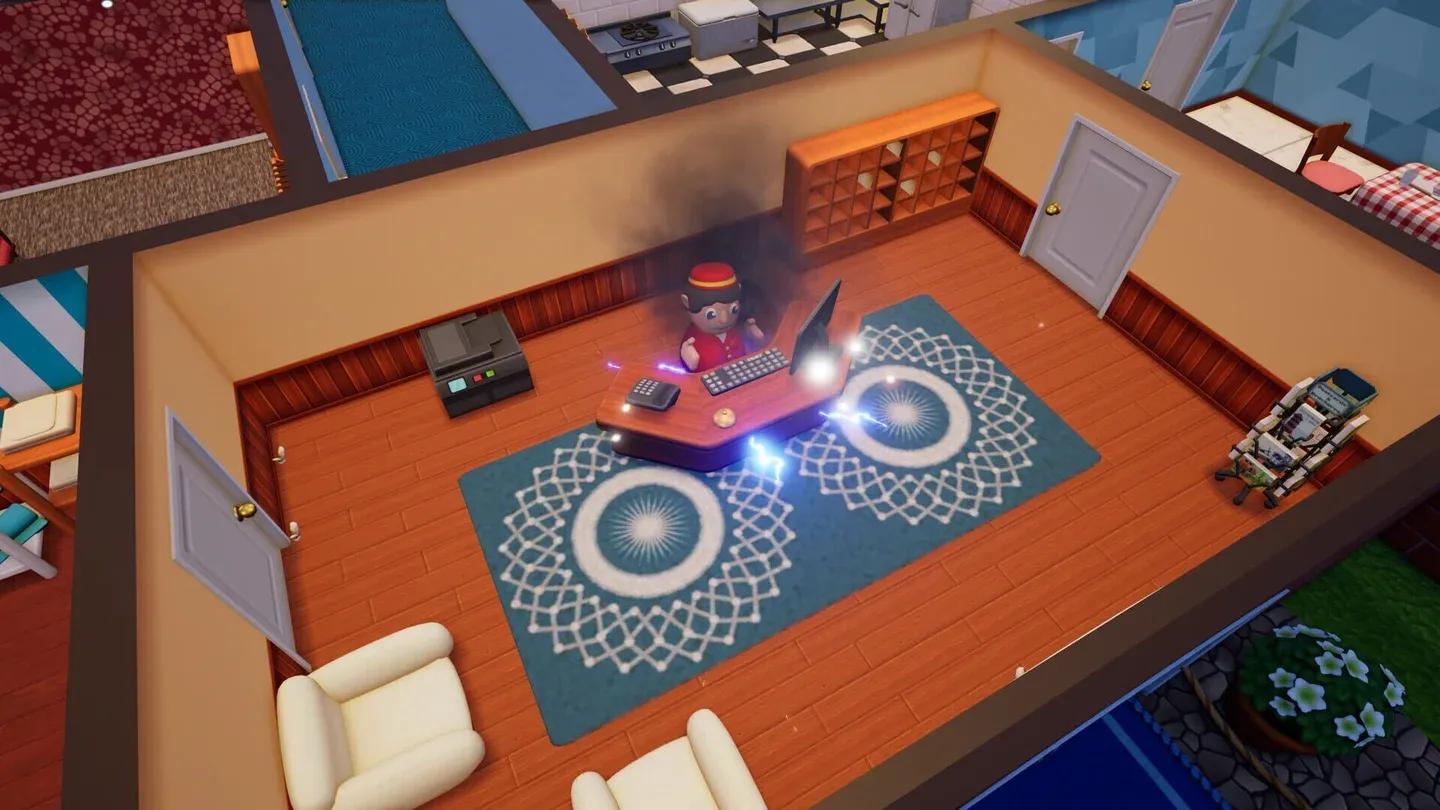
The logistics system is where Hotel Architect earns its complexity. Every action in the service chain is visible and traceable. If the kitchen runs out of clean plates, the waitstaff stalls, guests wait longer, and reviews take a hit. Solving that problem means deciding between hiring more dishwashing staff or buying a dishwasher, and each choice has a cost attached.
This granularity extends across every department. Staffing decisions carry real weight because attributes vary between workers. Choosing between a world-class chef and a competent receptionist is a genuine tradeoff, not a rhetorical one. Getting the balance right across multiple floors and departments is the central challenge the game keeps throwing at you.

Content and replayability
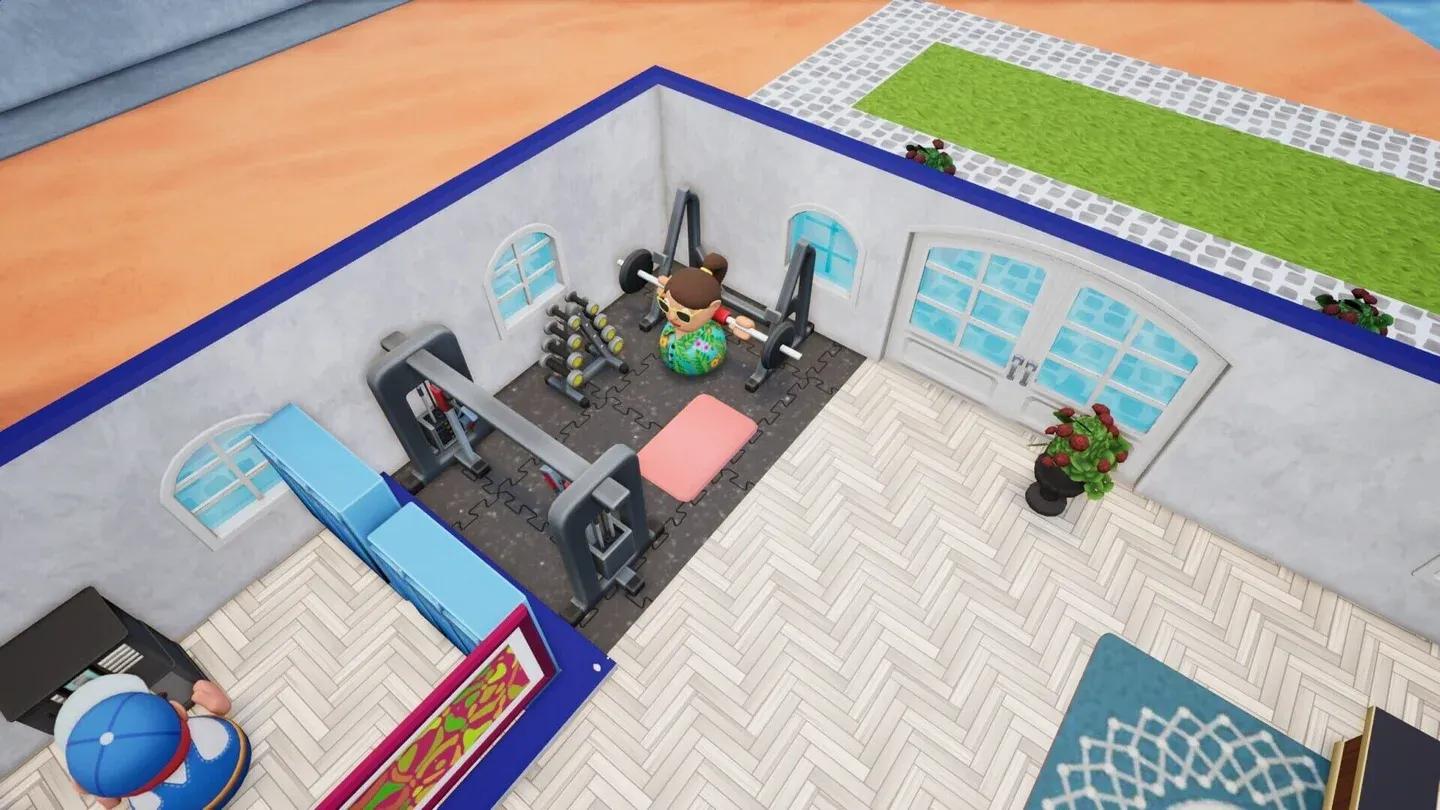
Each location in Hotel Architect comes with its own guest types and environmental challenges, so the strategies that work in one setting do not automatically transfer. The career campaign feeds directly into sandbox mode, meaning players who grind through the objectives get access to a fully open version of that map. That progression model gives both structure-focused players and creative builders a reason to keep going.
The review system, where culinary and hospitality critics assess everything from room cleanliness to food quality, ties all the systems together. Higher reviews attract higher-paying guests, which funds better facilities, which drives better reviews. Getting that loop running efficiently across multiple hotel locations is what the game is ultimately about, and it holds up as a genuinely satisfying tycoon management challenge.