

House Flipper Remastered Collection throws a lot at you fast. New regions unlock before you have the tools to handle them, the map fills up with DLC areas that look urgent, and the gap between "doing a cleaning job" and "profitably flipping a mansion" feels enormous. The good news: the game has a clear learning curve if you follow it instead of fighting it. This guide covers everything from picking your starting mode to identifying hidden rooms worth more than $40,000.
Game Modes
This is the first real decision the game asks you to make, and it matters more than it looks.
Classic Mode starts you from zero funds and gates tools, skills, and regions behind normal progression. Every job you complete teaches a specific mechanic, and the unlock order is designed to build on itself. If this is your first run, Classic Mode is the right call.
Free Play gives you broader access to tools, cash, and houses from the start. There is no structured teaching curve, which makes it genuinely useful once you already understand the loop. Use it to test room layouts, repeat a sale setup you liked, or rebuild a property you already sold.
What should you do first in Classic Mode?
Your starting office is intentionally rough. Do not try to fully renovate it. Clean just enough to move around and reach the laptop, because the laptop is where everything happens: accepting jobs, browsing houses, and switching between properties.
Once you can use the laptop, take the job Ex-Boyfriend Stole the Radiator. This first job is the game's actual tutorial. It covers the four actions you will repeat constantly: cleaning trash, removing dirt, buying a missing item from the tablet, and mounting a fixture properly.
A few habits to build during this job:
- Pick up visible trash before doing anything else
- Check behind furniture and in corners for hidden stains
- Open the task list when progress stalls, not after you've wandered around for five minutes
- Mount the radiator rather than just placing it on the floor
- Walk through every room before marking the job complete
Most "stuck at 97%" moments in early jobs come down to one missed trash item or an unmounted fixture. The task list tells you exactly what is missing if you read it room by room.
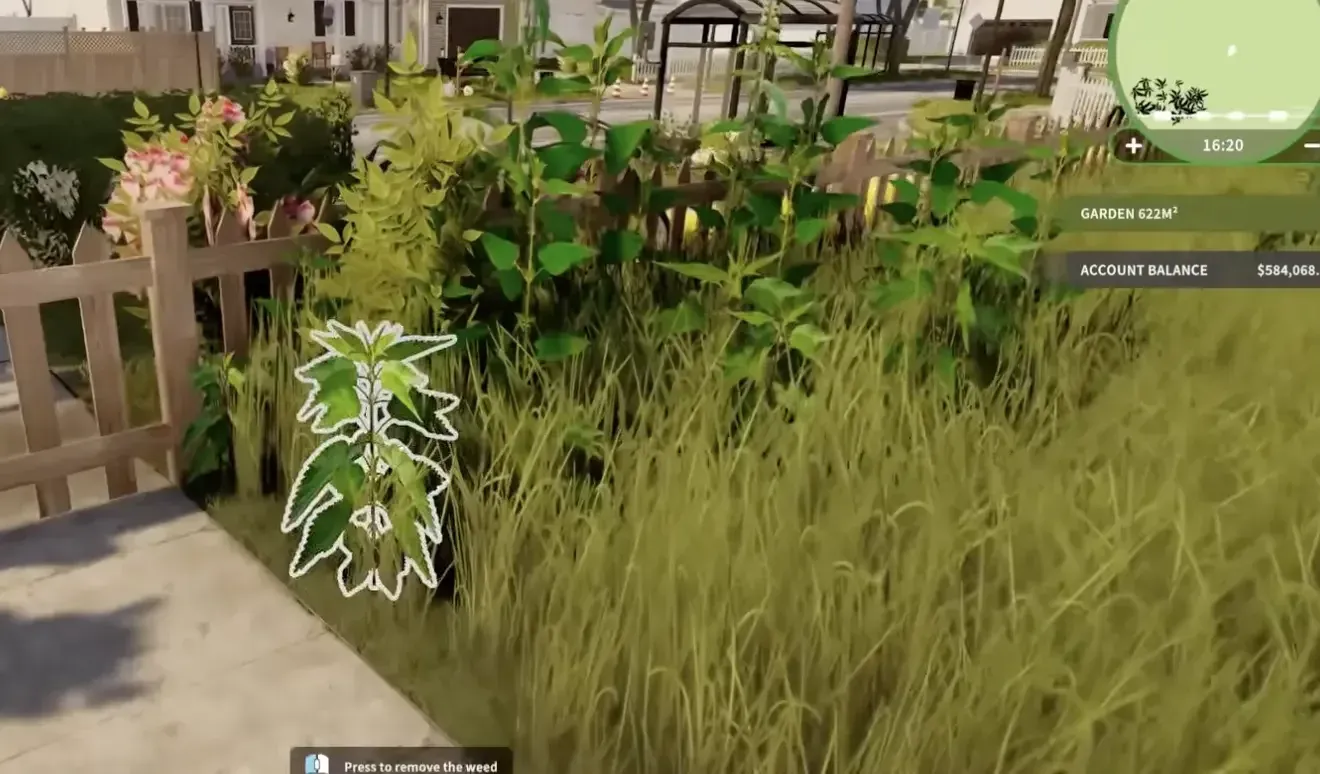
Check the task list every room
What is the best early job order?
The first five jobs are best treated as a tool unlock sequence rather than money-making opportunities. Each one introduces a specific mechanic you will need later.
- Ex-Boyfriend Stole the Radiator covers cleaning, trash removal, buying items, and mounting fixtures
- Cleaning the Garage introduces deeper cleaning, window objectives, and the UV light
- A Heated Argument adds radiators, towel radiators, sinks, and more handyman practice
- Art in Every Corner brings in painting, the paint roller, outlet repair, and wall work
- The Princess on the Way focuses on room-specific objectives and furniture placement
Following this order means you arrive at your first house purchase with all the basic tools already feeling natural. Skipping ahead to random jobs or jumping straight into a house purchase before finishing this sequence is the single fastest way to burn through money on a renovation you are not equipped to complete.
Which perks should you unlock first?
Spend perk points on whatever is slowing you down right now, not on what sounds impressive later.
Cleaning upgrades should come first for almost every player. Dirt, trash, stains, and windows appear in every single early job. A faster mop saves more time across the first ten hours than any late-game perk.
A simple priority order: cleaning speed first, dirt visibility second, mounting speed third, painting support fourth, negotiation last. Do not spend points randomly just because you have them.
Prioritize cleaning perks first
How does the UV light work?
The Cleaning the Garage job introduces a mechanic that catches most players off guard: a room can look visually clean while the task list still shows incomplete dirt objectives.
Hidden dirt hides in predictable places: behind radiators, under furniture, on door frames, at the bottom of window niches, near ceiling edges, and occasionally on exterior walls. The UV light reveals stains that blend into surfaces and are invisible under normal lighting.
When a cleaning job gets stuck:
- Check behind boxes, bikes, shelves, and large furniture
- Look along floor edges and in corners
- Clean windows if the task list mentions them (a very common miss)
- Switch to UV light if the room looks clean but the objective is not done
- Do not move or sell client items unless the job specifically asks for it
Why does the map feel so overwhelming?
After a handful of early jobs, House Flipper Remastered Collection opens up a lot of regions at once. This is not a signal to explore all of them. Most of those regions assume you already have tools and game knowledge you do not have yet.
The safe approach is to stay in North Levyville until the basic toolkit feels solid, then branch into Cozy Village or South Levyville as your first optional detour. The regions to leave alone until much later:
The map opening fast is a Remastered Collection feature, not a sign you should use all of it immediately.

Start in North Levyville only
How do you increase property value before selling?
Cleaning alone does not maximize sale price. Several room types and additions push the value up significantly.
Bedrooms attract buyers and are easy to create: any room with the necessary furniture qualifies. Bathrooms need a sink, toilet, and either a shower or bathtub. Storage areas matter to nearly every buyer type, so bookshelves, shelving units, and filing cabinets are worth adding even in smaller properties.
Beyond the basics:
- A sauna room is one of the strongest value additions. Either build a dedicated sauna with benches or install a shower-sauna unit.
- A gym with an exercise machine and wall bars adds appeal without requiring much space.
- Indoor pools push value up substantially if the floor plan allows it.
- Decoration items do not need to be elaborate. A few carpets, plants, pictures, and sculptures are enough.
For properties with outdoor space, the Garden Flipper system can increase property value by over 30% through garden competitions. American and Japanese garden styles are the most efficient to complete. Clean the yard, remove weeds, trim grass, plant flowers, place category-appropriate items, add lighting, and submit.
What is the most efficient renovation workflow?
After working through many properties, a consistent order minimizes wasted effort:
- Remove all garbage first
- Sell unnecessary furniture
- Clean dirt, stains, and windows
- Demolish or build walls
- Fix plastering
- Paint, tile, and lay flooring
- Install fixtures and appliances last
Installing appliances before cleaning is the most common mistake. Dirt hides behind installed fixtures, and you will have to work around them or miss the objective entirely.
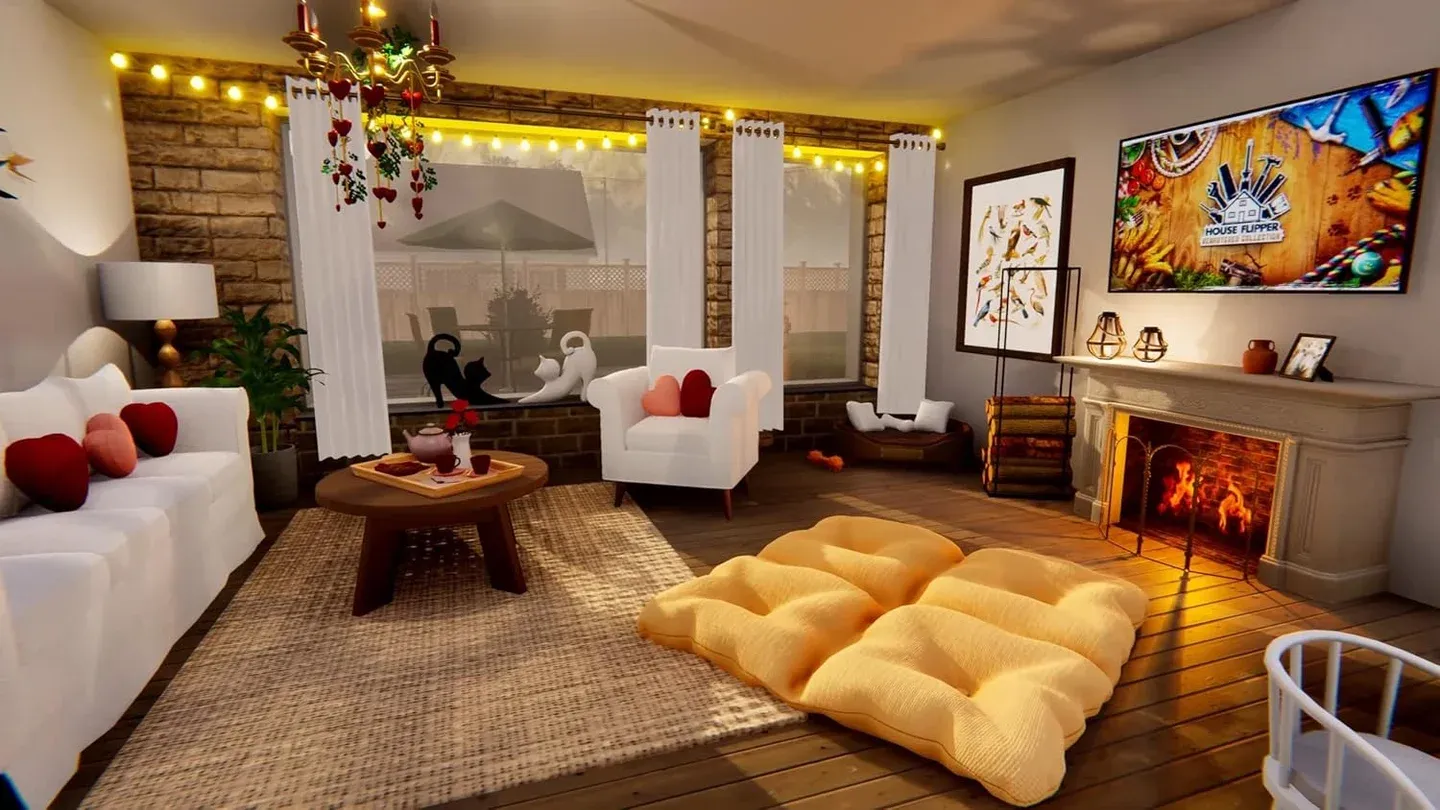
Paint before installing fixtures
Beginner mistakes that cost real money
- Buying a house before the toolkit is ready. You spend money on a renovation you cannot finish efficiently.
- Ignoring the task list. One missed socket, stain, or unmounted radiator keeps the room from completing.
- Selling leftover paint or tiles too early. You will need them again before the job is done.
- Spending perk points randomly. Late-game perks are weak if you still take twice as long to clean a bathroom.
- Jumping into late regions immediately. The map opens fast, but Heart Valley and Moonrise Bay expect skills you do not have yet.
- Forgetting windows. Windows count toward cleaning objectives and are one of the most commonly missed items during final checks.
The renovation simulation genre rewards patience in the early hours. The players who rush past the job-based learning phase consistently hit walls that slower players never encounter. For more guides covering every part of the game, check the House Flipper Remastered Collection strategy guides collection on GAMES.GG.
Remastered features worth knowing about
This is not just the original game with better visuals. Several quality-of-life tools change how fast you can work once you know they exist.
- The Tool Selection Wheel lets you switch tools quickly once you have cleaning, painting, mounting, and selling tools all unlocked
- The Favorites Tab saves items you buy repeatedly, like common fixtures and lighting, so you stop hunting through categories
- Area Cleanup handles defined sections faster when the game offers the option, though you should still check the task list afterward
- Photo Mode is mainly useful for before-and-after documentation, not required for progression
- House Naming and Export helps when you start testing sale setups in Free Play
None of these need mastering in the first hour. Get comfortable with the laptop, cleaning, mounting, and task lists first. The quality-of-life tools become valuable once more mechanics are in play.
If you enjoy renovation and simulation games, there is a lot more to explore across shooter games and other genres on GAMES.GG. For everything specific to this game, the House Flipper Remastered Collection page has the full overview to get you started.