

Overview
Hydroneer drops you into a low-fantasy world where water pressure is the backbone of everything. You start with basic hand tools, dig up raw materials, sell them, and reinvest in bigger, more automated systems. The loop sounds simple because it is, but the depth comes from how far you can push that automation. Pipe networks, pressure valves, modular rigs, and land parcels with different resource distributions give the game a genuinely addictive build-and-optimize quality that keeps sessions running longer than planned.
The game sits comfortably in the mining simulation genre but borrows enough from base-building sandboxes to feel distinct. You are not just digging holes. You are designing a facility, managing throughput, and occasionally stepping away to go fishing when the pipes get overwhelming. That tonal flexibility, serious enough to reward optimization, loose enough to let you goof around, is what separates Hydroneer from its closest competitors.
Gameplay and mechanics: how does Hydroneer actually play?
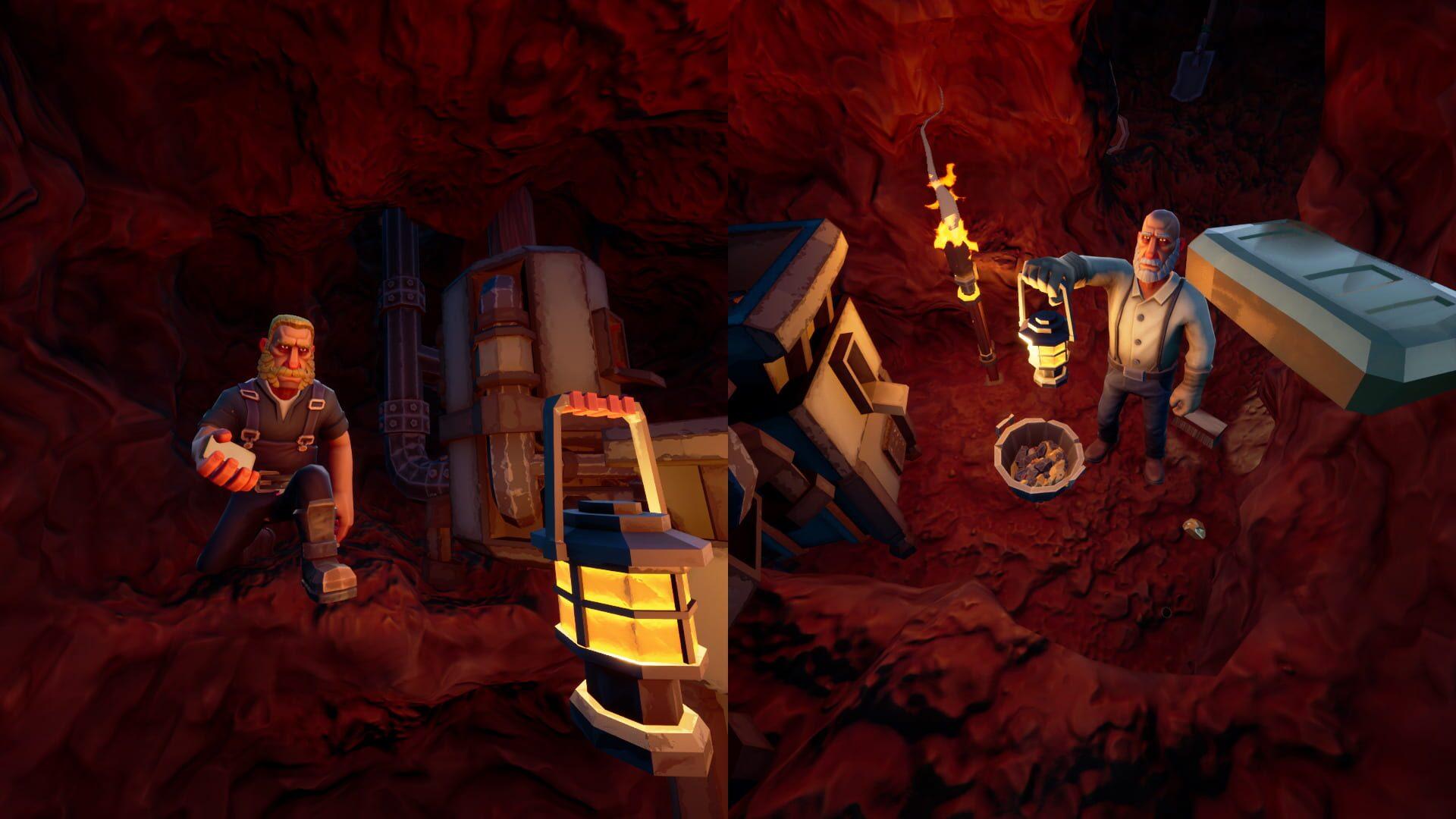
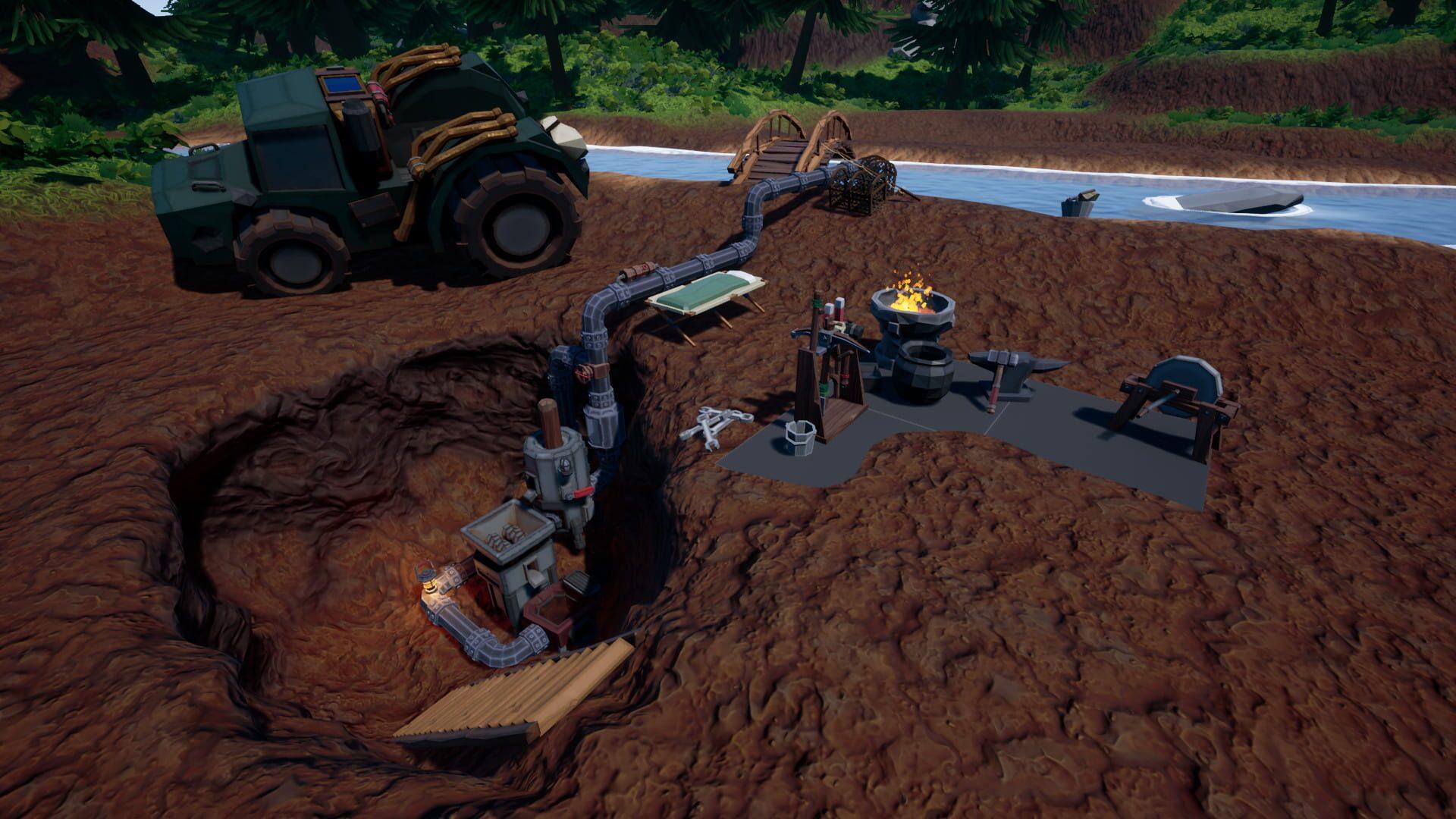
Hydroneer's core loop runs through a few interconnected systems. You dig terrain using the voxel-based ground deformation engine, which lets you carve out cave networks, quarry pits, or just chaotic mud piles depending on your mood. Raw materials get processed through player-built machinery powered by hydro pipes, and the output gets sold to fund the next upgrade.
Key mechanics at a glance:
- Voxel terrain digging and shaping
- Modular hydro-powered rig construction
- Resource refining and crafting (bars, weapons, jewelry)
- Land parcel purchasing across multiple zones
- Fishing as an optional income source
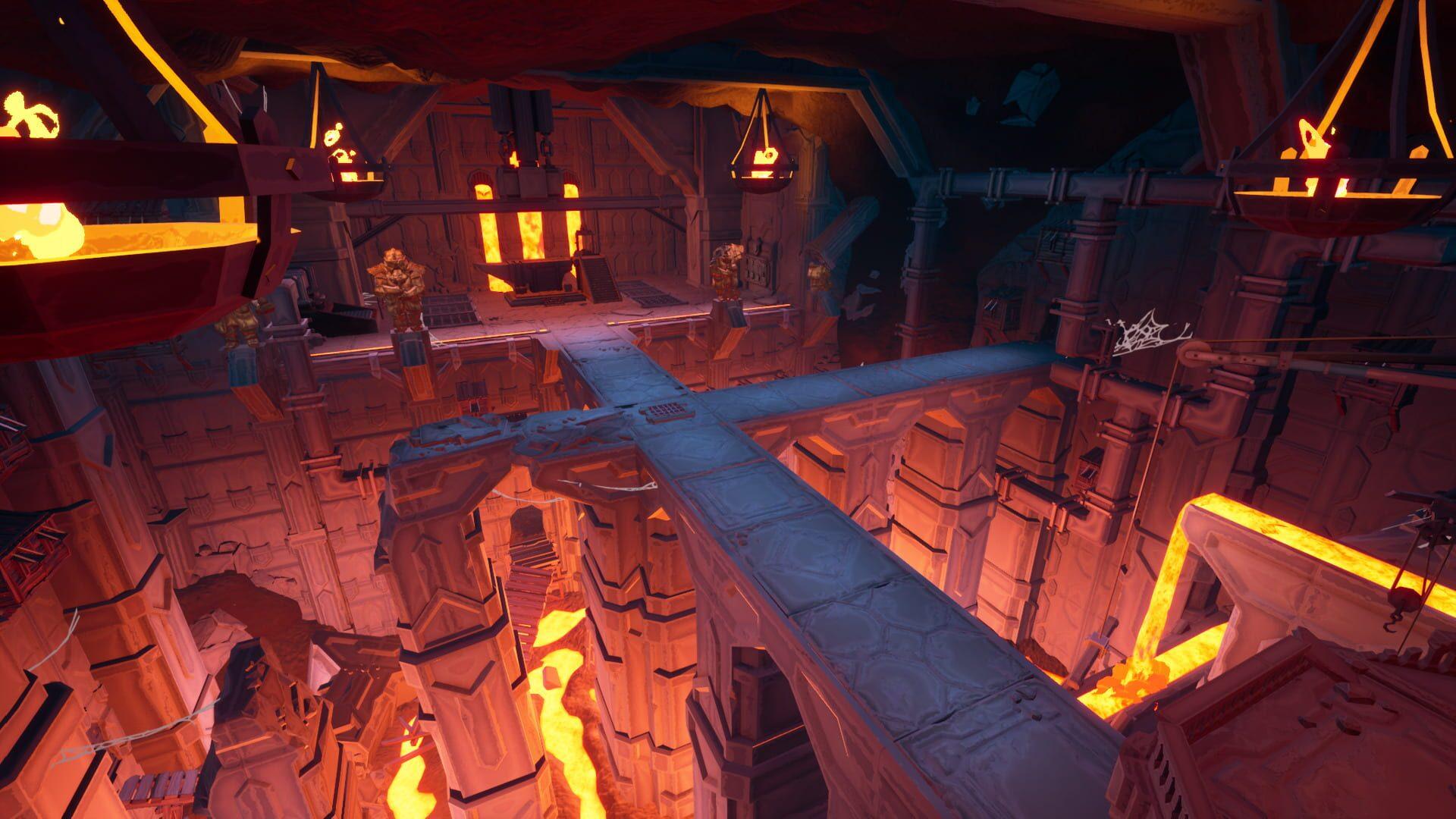
The modular rig system is where Hydroneer gets genuinely clever. Rigs are large machines you assemble from components, and their function depends entirely on how you configure them. A transport rig moves pay dirt. A digging rig chews through terrain. Getting those systems to talk to each other through pipe pressure is the puzzle the game keeps presenting, and solving it feels satisfying in a way that a lot of sandbox games promise but don't deliver.
What can you build and craft in Hydroneer?
Beyond mining, Hydroneer supports a full crafting chain. Gold nuggets become gold bars. Iron becomes weapons. The game also lets you craft jewelry, grow vegetables, and cook soup for villagers, which sounds absurd but fits the low-key charm of the world. These secondary systems give players who have maxed out their mining operation something else to sink time into.
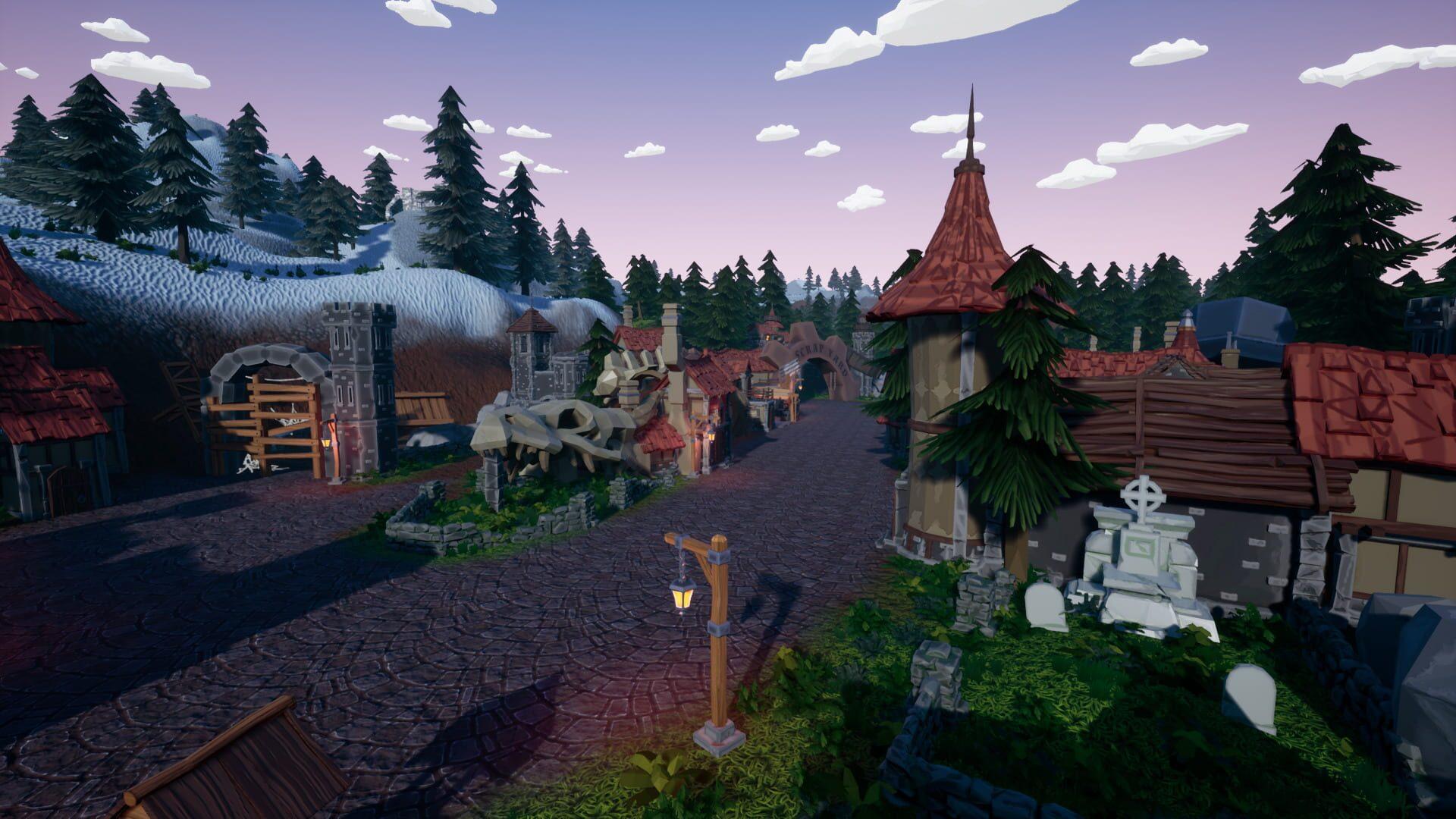
Land parcels add a strategic layer to progression. Different zones offer different advantages: deeper resource veins, better scenery, proximity to shops. Choosing where to build your base is a real decision with real tradeoffs, not just a cosmetic preference.
Multiplayer and social features
Hydroneer supports 1 to 4 players, so the whole operation can be a cooperative project. Running a mining outfit with friends adds a natural division of labor: one person digs, another manages the refinery, someone else handles sales runs. The co-op structure suits the game's systems well without requiring it, since the solo experience holds up on its own.
Conclusion
Hydroneer is a mining sandbox simulation that earns its hours through smart system design rather than spectacle. The voxel terrain, modular machinery, and resource-chain crafting give players enough interlocking pieces to stay genuinely engaged, and the optional fishing and cooking content keeps things from feeling like pure spreadsheet management. At $11.99 on PS5 (currently discounted from $14.99) and available on PC via Steam, Xbox, and PlayStation, it is one of the better-value sandbox games in its genre for players who like building systems as much as they like breaking ground.