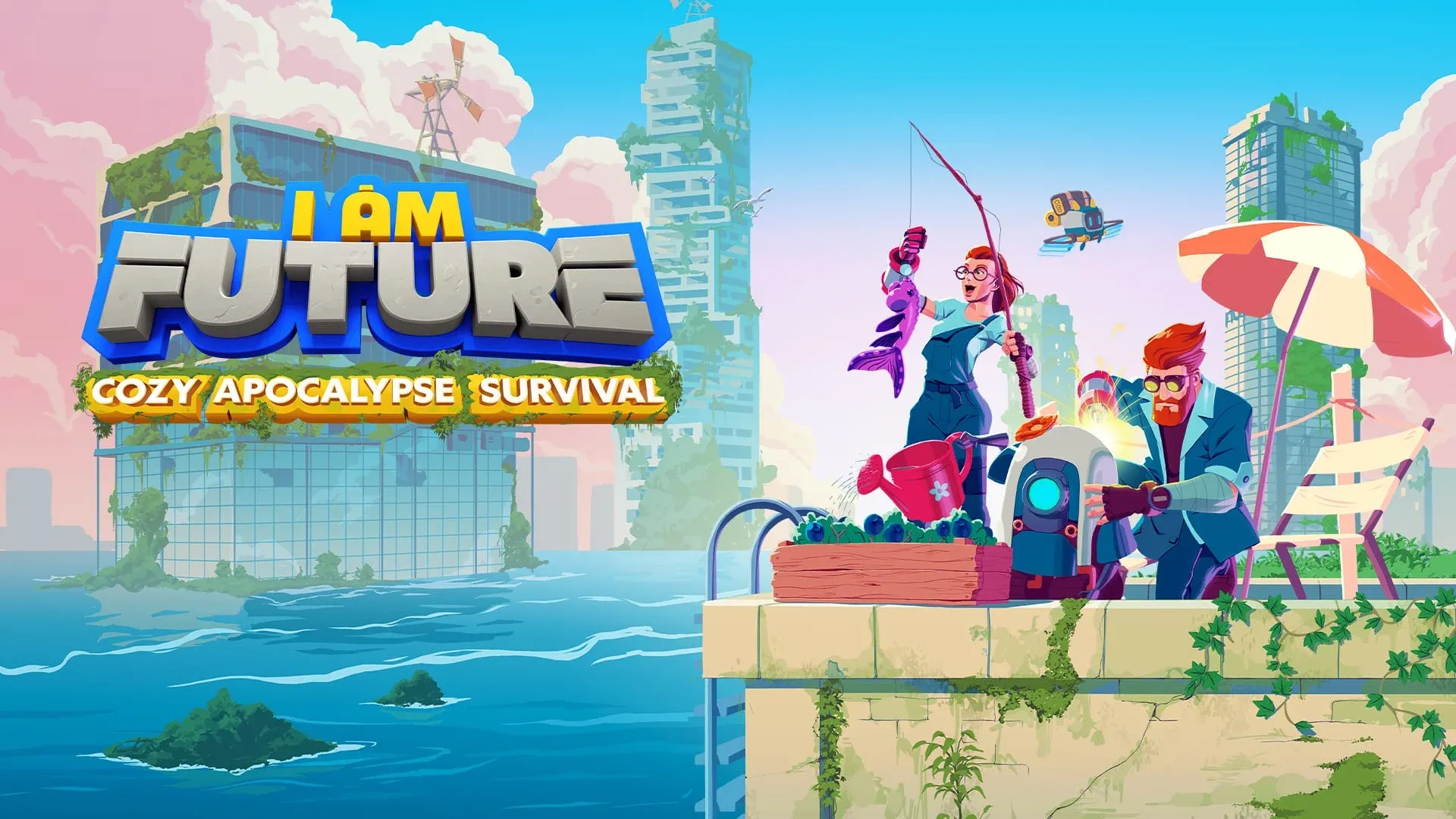


The world ended, and somehow you ended up on a rooftop with a robot and a whole lot of junk. That's the premise of I Am Future: Cozy Apocalypse Survival, a base-building survival game developed by Mandragora. The flooded city below is mostly off-limits early on, so your rooftop is your entire world for a while. Learning what to prioritize in those first few hours makes the difference between a thriving little settlement and a frustrating grind.
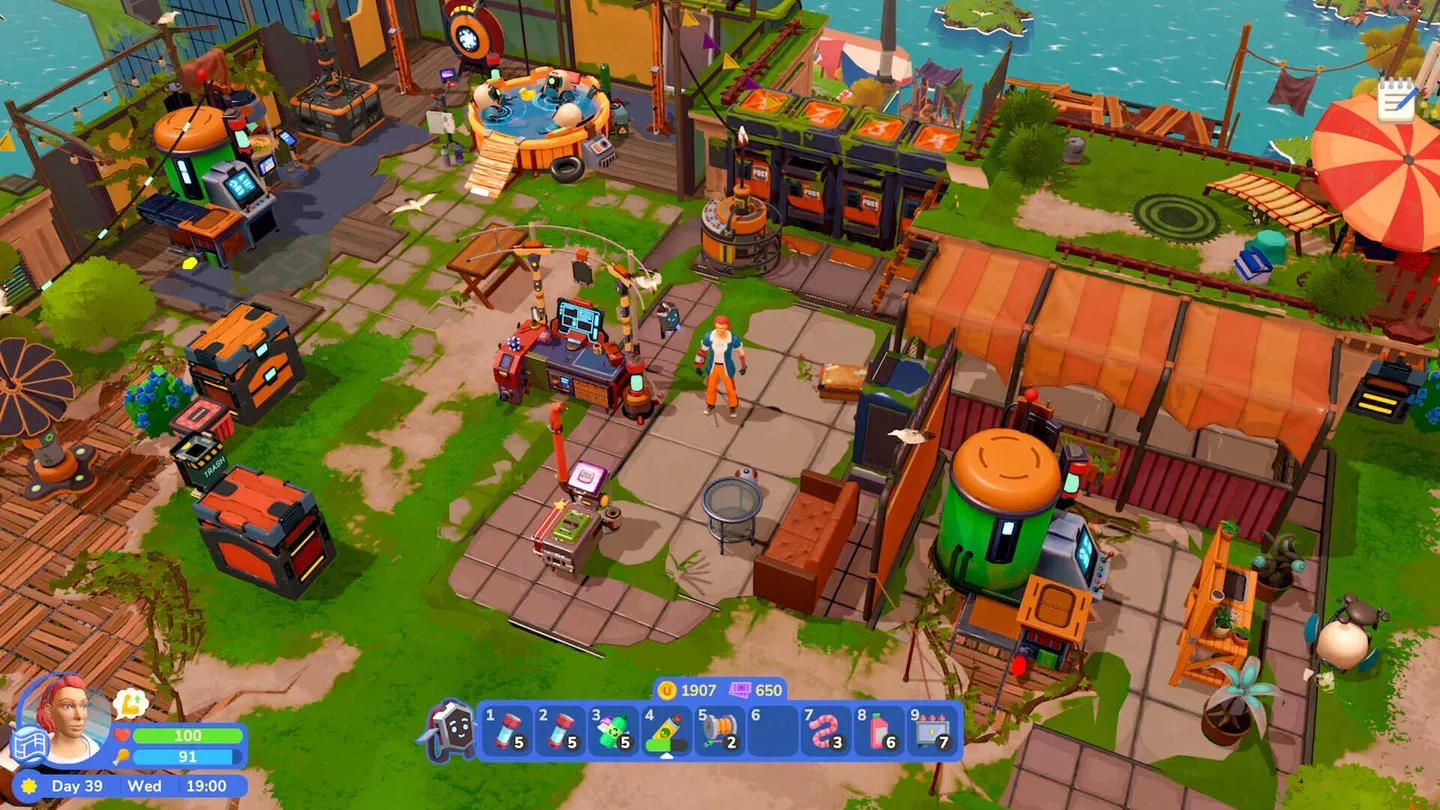
Rooftop base overview
How does resource gathering work?
Resources are the backbone of everything you build. The city below your rooftop is flooded, but debris, scrap, and salvageable materials float or sit on partially submerged structures nearby. You send out your robot companion to retrieve materials from these locations, which means managing your robot's tasks is one of the first real systems you need to understand.
The community guide library on Steam highlights crafting and loot as two of the most-searched categories for this game, which tells you something: players consistently find resource management the steepest early learning curve. Prioritize clearing nearby debris nodes before they reset or become inaccessible, and keep your robot's task queue filled so you're not wasting downtime.
- Scrap metal and wood are your most common early materials
- Food resources require separate attention since your character has a hunger mechanic
- Sending your robot on longer expeditions unlocks rarer materials but takes more time
What should you build first?
The crafting system in I Am Future is tied directly to your base structures. You need specific workbenches and stations to unlock new recipes, so your build order matters more than it might seem at first glance.
Based on community walkthroughs (including the full gameplay walkthrough guide by DualShot66 on Steam), the early game loop revolves around establishing basic food and shelter infrastructure before expanding into more complex crafting chains.
Early build priority order
- Basic food production structures to keep your hunger meter stable
- Crafting stations that unlock the next tier of building materials
- Storage solutions to prevent material overflow and keep your workspace organized
- Robot upgrade stations as soon as they become available, since a better robot means faster resource collection
How do robots fit into your survival strategy?
Your robot companion is not just a flavor detail. It's your primary tool for interacting with the world outside your immediate rooftop. The Steam community guide titled "How to bring 3 robots to the stage" by Мойка улГерцена hints at a specific quest mechanic where you need to bring multiple robots to a stage area and interact with a microphone, which suggests robots play a role in story progression as well as resource gathering.
This dual function means you should think of robot management as both a logistical task and a narrative one. Upgrading your robots and completing robot-related objectives moves the story forward.
Robot task comparison
Managing hunger and health
The game tracks both health and hunger as core survival stats. A Steam community guide specifically dedicated to modifying health, hunger, and currency values (by Captain Autismo) exists, which confirms these are the three most impactful player stats in the game.
In normal play, keeping hunger topped up requires building food production early and consistently harvesting food resources. Health management is less demanding in the early game but becomes more relevant as you expand your base and take on riskier activities.
- Build food sources before you feel the pressure of a depleted hunger meter
- Health can be restored through crafted consumables once you unlock the right recipes
- Currency functions as a third resource layer, used for certain transactions within the game's systems
Tips for keeping your base organized
One thing that catches new players off guard is how quickly a rooftop base becomes cluttered. Storage management is genuinely something to plan for from the start rather than retrofit later.
- Place storage containers near your most-used crafting stations to cut down on travel time across the roof
- Separate raw materials from processed goods so you can see at a glance what needs replenishing
- Keep pathways clear between your main activity areas; a congested rooftop slows down your daily loop significantly
For more survival game strategies and genre tips, you can browse more guides on GAMES.GG.
What's the best way to progress the story?
I Am Future has a narrative layer woven into its survival loop. The robot-to-stage quest mentioned in community guides is one example of how story beats are tied to specific in-world actions rather than cutscene triggers. Progress comes from completing these objective-driven moments alongside your base-building routine.
Keep your active quest log visible and treat story objectives as equal priority to resource runs. Ignoring them doesn't just stall the narrative; it can block access to new base areas and crafting recipes that sit behind story progression gates.
Getting the most out of your first few hours
The early hours of I Am Future reward players who resist the urge to build everything at once. Pick a focused build order, keep your robot busy, and address hunger before it becomes a crisis. The rooftop setting is intentionally small at first, which makes every placement decision count more than in sprawling open-world survival games.
The community around this game is active on Steam, with guides covering everything from basic walkthroughs to specific quest solutions. Checking the Steam guide library when you hit a wall is worth the two minutes it takes.
For more tips across survival games and other genres, the GAMES.GG guides hub has you covered.