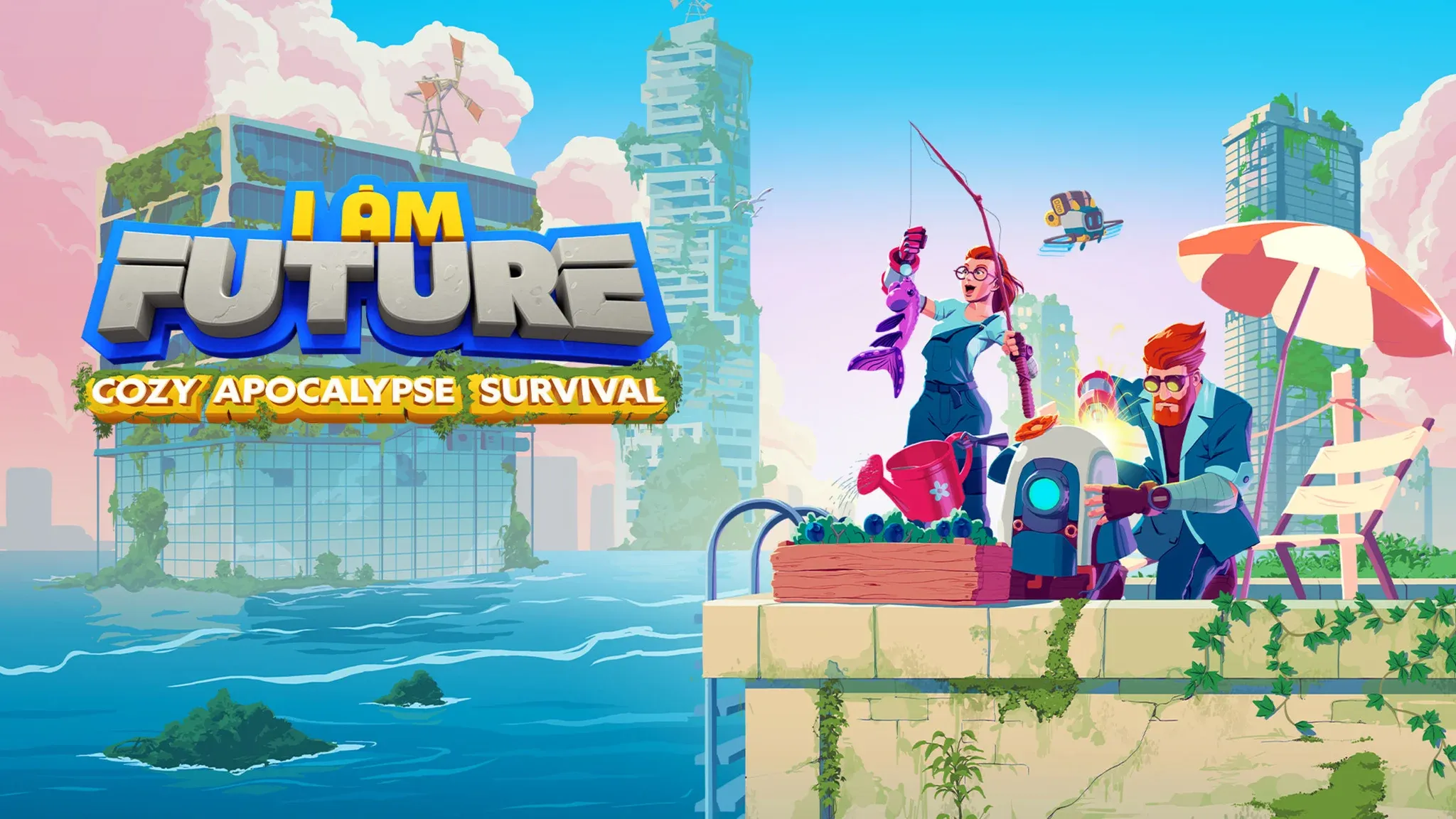


Getting started in I Am Future: Cozy Apocalypse Survival
The world has flooded, civilization is gone, and you're living on a rooftop. Somehow, I Am Future: Cozy Apocalypse Survival makes that premise feel genuinely relaxing. You play as Max, a lone survivor building a life above the waterline, crafting tools, growing food, and recruiting quirky robots to help keep things running. The game blends base building, resource gathering, and light survival mechanics into something that's easy to pick up but surprisingly deep once the systems start stacking.
Before you get too comfortable sunbathing on that rooftop, there are a few things worth knowing. The early game can feel directionless if you don't know what to prioritize, and some mechanics only reveal themselves after hours of play. This guide pulls together the most useful knowledge to get you moving efficiently from the first day.
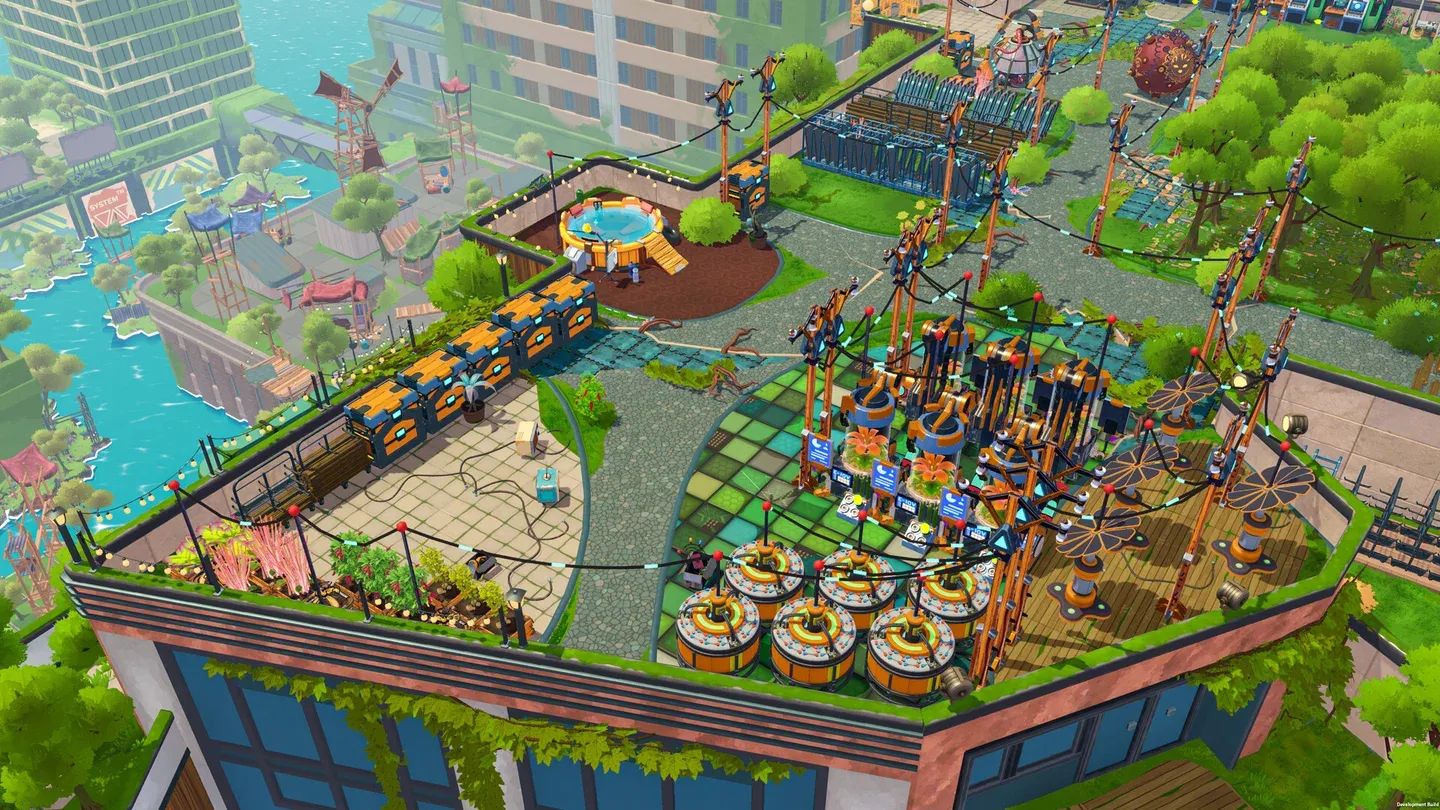
Your rooftop home base
What should you do first in I Am Future?
Your first priority is getting a workbench built. Without it, you're locked out of crafting tools and building materials, which means you can't progress. Set this up before anything else.
Once that's done, start gathering resources. The flooded city below your rooftop is packed with salvageable materials. You'll spend a lot of time fishing debris out of the water or sending robots down to collect it. Focus on these early on:
- Wood and metal scraps for most early crafting recipes
- Food ingredients to keep Max fed
- Electronic components for mid-game robot upgrades
The day cycle matters more than it looks. Fishing and scavenging runs produce better results at certain times, so learning when to do what pays off fast.
How do robots work, and why do they matter?
Robots are the backbone of your operation. Instead of doing everything manually, you assign robot companions to automate tasks like resource collection, farming, and crafting. Each robot has a specific role, and getting the right ones working early changes the pace of the game dramatically.
One quest that trips people up involves getting 3 robots onto the stage. You need to physically bring all three robots to the stage area, then interact with the microphone to trigger the sequence. If nothing happens, check that all 3 are actually present in the stage zone before trying again.
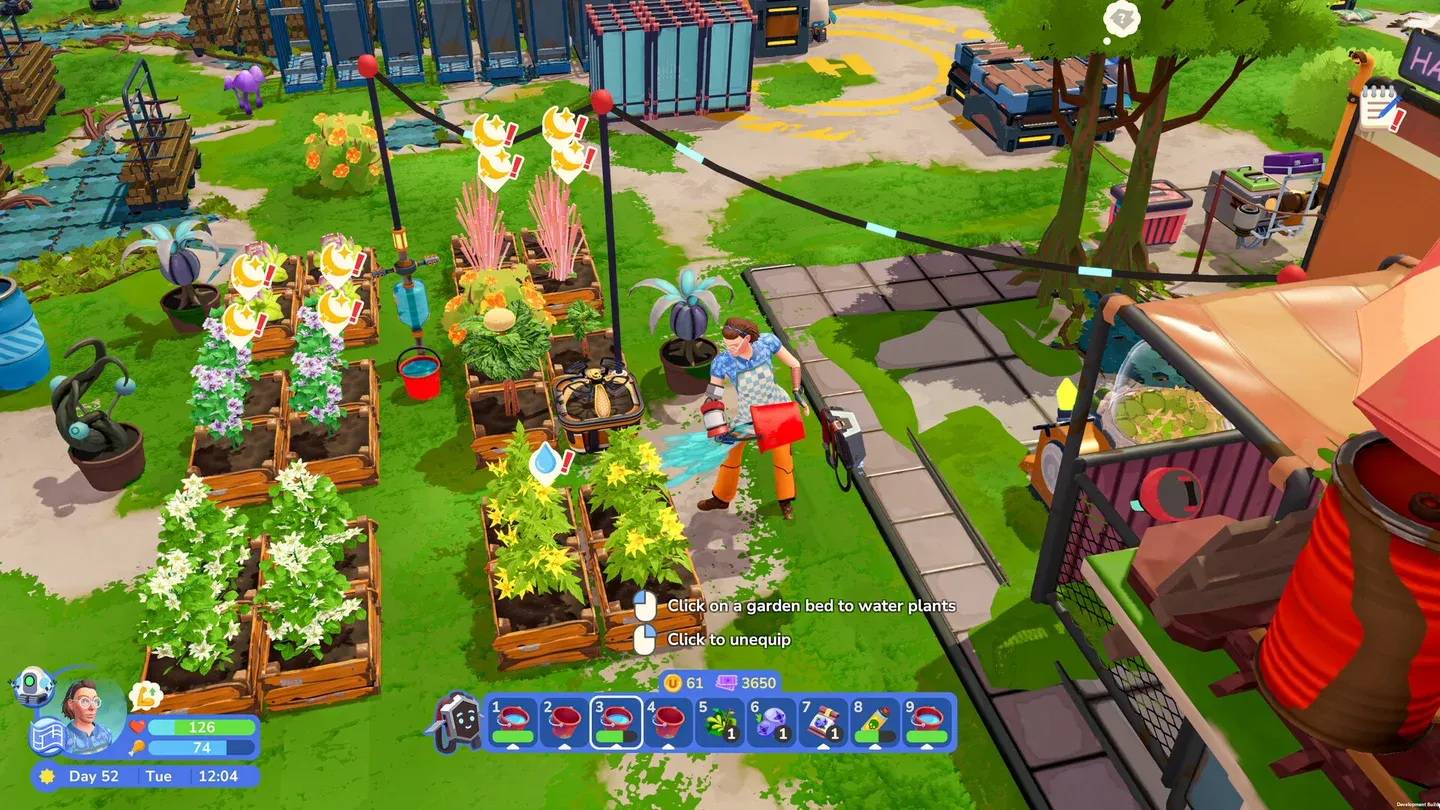
Assigning robots to tasks
Which robots should you unlock first?
Go for robots that handle resource collection first. A scavenging robot keeps materials flowing while you focus on building and crafting. Once your food supply is stable, add a farming robot to remove the most repetitive daily task from your routine.
How does crafting and base building work?
Crafting follows the standard survival game loop: gather materials, unlock recipes, build items and structures. What makes it distinct is the rooftop setting. Every expansion of your base is literally adding floor space above the apocalypse, and the visual progression is satisfying.
Your crafting stations unlock in tiers. The basic workbench handles early survival needs, but push toward the advanced fabricator as soon as your material income is consistent. That's where the better automation parts and robot upgrades are.
Building layout matters. Keep your crafting stations close to your storage containers. Running back and forth constantly adds up over dozens of in-game days.
Managing hunger and health without the grind
Max needs food to function, and hunger is always ticking in the background. Once you have a small farm running, food stops being a crisis and becomes background maintenance.
Early food sources include fishing and foraging from the water. Both are manual at first, but fishing is worth doing regularly since it brings in crafting materials alongside food. Once you have a farming robot assigned, you can shift your attention elsewhere and trust the supply chain.
Health management is simpler. Avoid fall damage, keep hunger satisfied, and Max stays in good shape. There's no combat system to worry about, which is part of what makes the game genuinely relaxing.
Tips for progressing faster
After spending time with the game's systems, a few habits separate efficient players from ones who feel stuck:
- Plan your robot assignments every morning. The day cycle is short enough that idle robots represent real lost progress.
- Expand storage early. Running out of inventory space mid-scavenge means leaving materials behind.
- Don't rush the stage quest. It requires 3 specific robots and some setup time. Trying to force it before you have the robots ready wastes a day.
- Check the crafting tree regularly. New recipes unlock as you build more stations, and some of the best automation tools are easy to miss if you don't look.
- Fish during downtime. Fishing produces both food and materials passively while you manage other tasks, making it one of the best early-game activities.
For more survival game tips and guides across a range of titles, browse more guides on GAMES.GG to find strategies that fit your playstyle.
Building toward the late game
The early and mid-game systems in I Am Future are well-paced, but the late game is where your base starts to look like an actual settlement rather than a desperate camp. Getting there requires consistent robot management, a stable food supply, and steady material income from your scavenging network.
The biggest shift happens when your automation chains are running smoothly enough that you can spend a full in-game day building rather than gathering. That's the target state. Everything before it is setup.
Max's rooftop life is genuinely one of the more original survival setups in the genre right now, and the cozy tone holds up across dozens of hours. Get your robots working, keep the workbench busy, and the apocalypse starts feeling surprisingly manageable.