Overview
IMMORTALITY is a live-action interactive mystery developed and published by Half Mermaid, the studio led by Sam Barlow, the creator behind the critically acclaimed Her Story. Released on August 30, 2022, the game centers on Marissa Marcel, a fictional film actress who made three movies across three separate decades, none of which were ever released. The player's task is deceptively simple: sift through a vast archive of newly discovered footage and figure out what happened to her.
The core mechanic that defines the experience is the "match cut," a cinematic technique borrowed directly from the language of film editing. By clicking on a person, object, or visual element within a clip, players jump to a different piece of footage that contains a matching image. This creates a non-linear path through the archive, one that the player constructs organically rather than following a prescribed sequence. It feels less like navigating a menu and more like editing a film.
What Makes IMMORTALITY's Gameplay Unique?
IMMORTALITY answers the question of what a truly cinematic game can be by treating film grammar as its primary interface. The match-cut system is not merely a gimmick; it functions as the central investigative mechanism, rewarding curiosity and visual attention in equal measure.
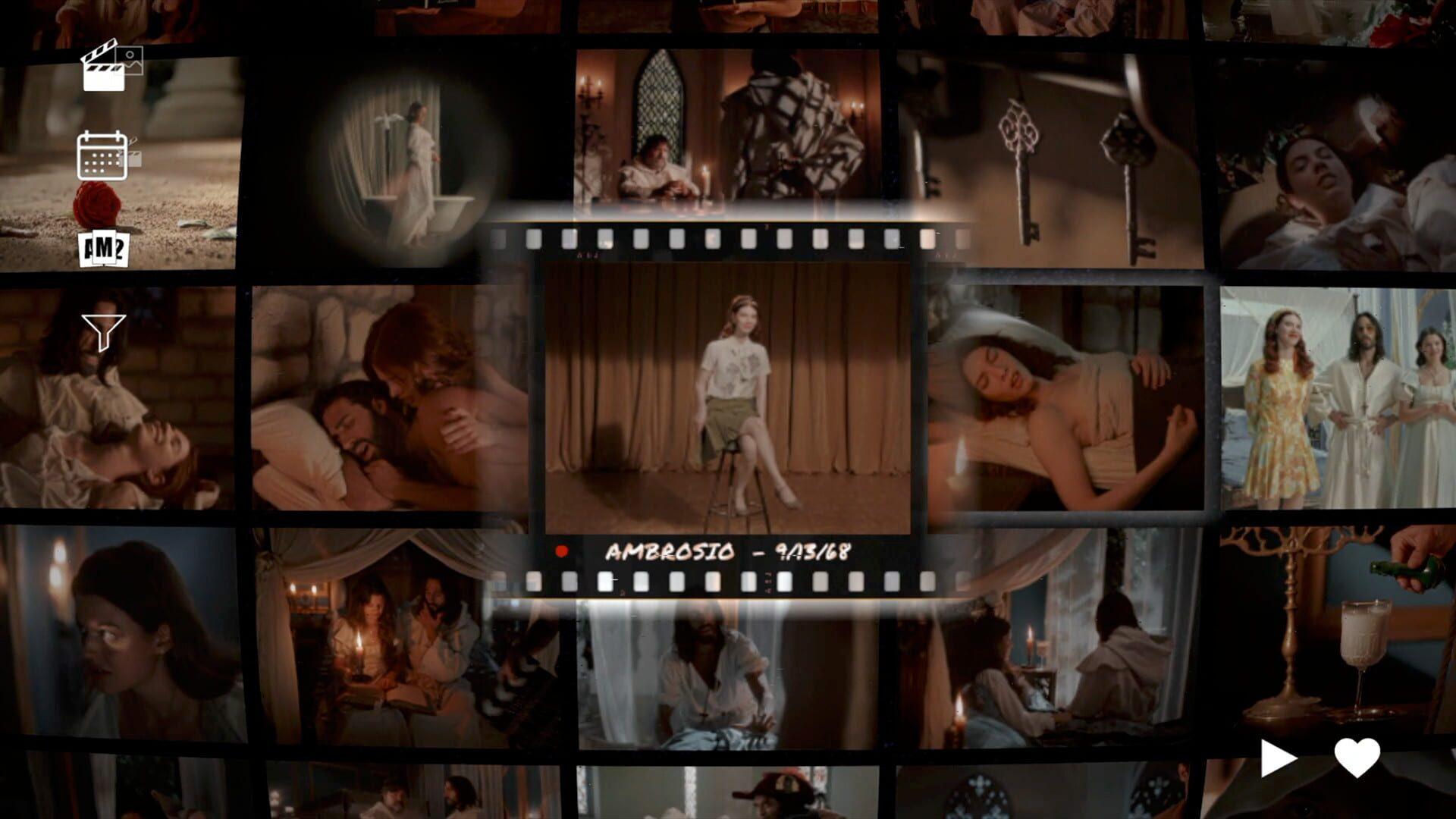
Key mechanics and features include:
- Match-cut navigation through live-action footage
- Three complete fictional films spanning 1968, 1970, and 1999
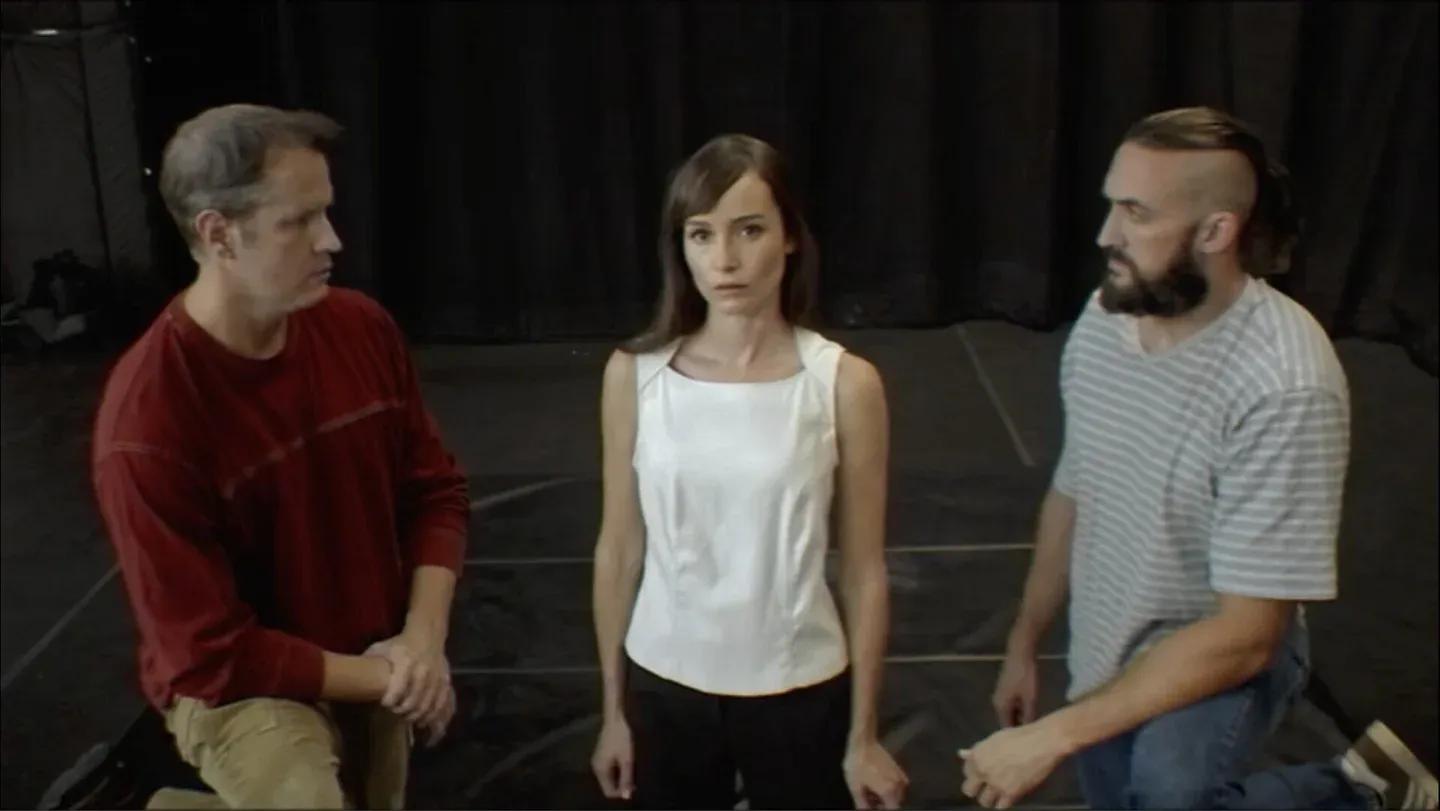
- Behind-the-scenes material, interviews, and screen tests
- A layered mystery that deepens across all three film archives
- Available across Xbox, PlayStation, PC, iOS, Android, and macOS
The sheer volume of material is substantial. Players explore not just scenes from the three films but also rehearsals, auditions, and candid behind-the-scenes footage, each clip offering potential new threads to follow.
Three Lost Films, Three Distinct Worlds
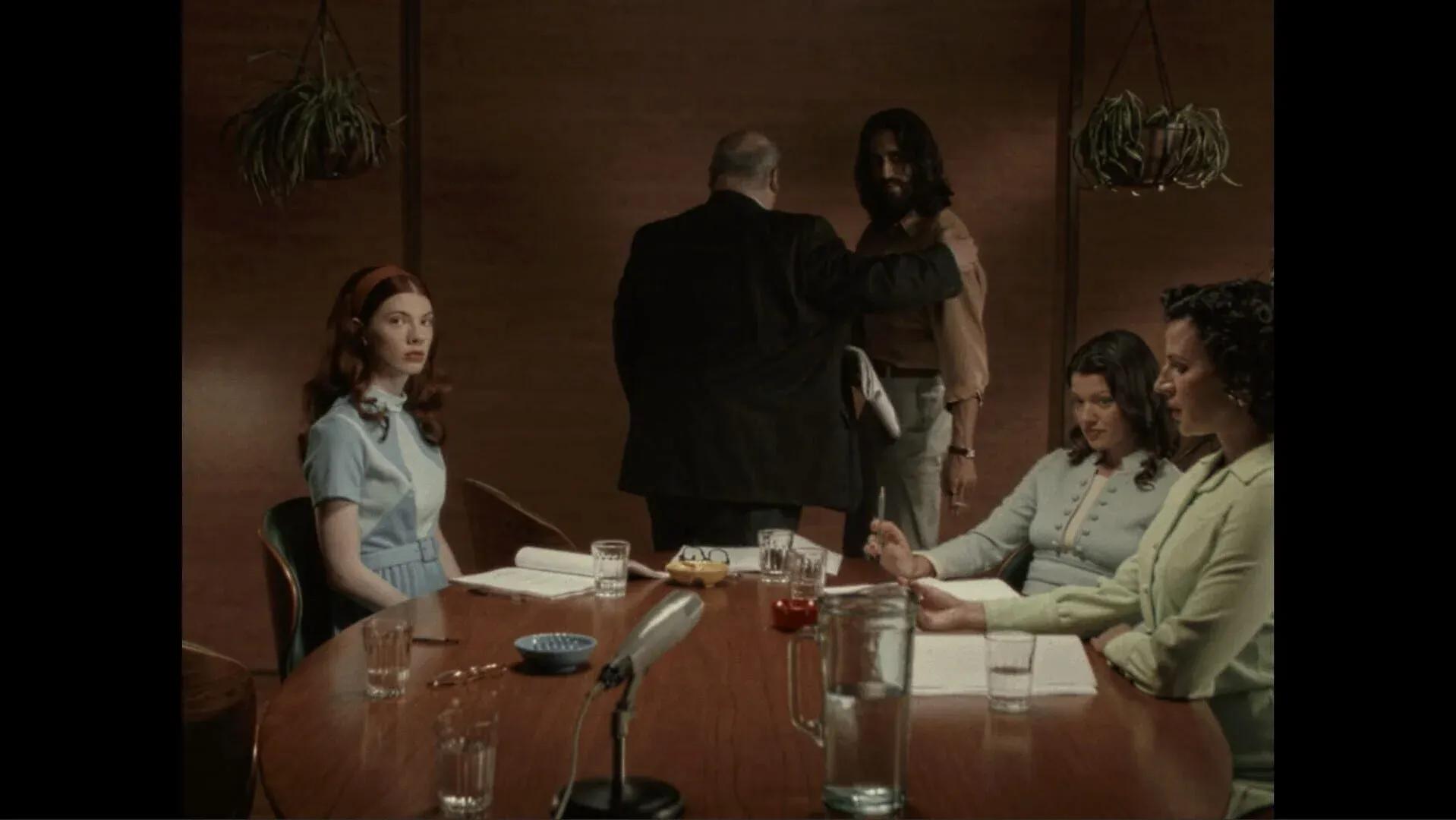
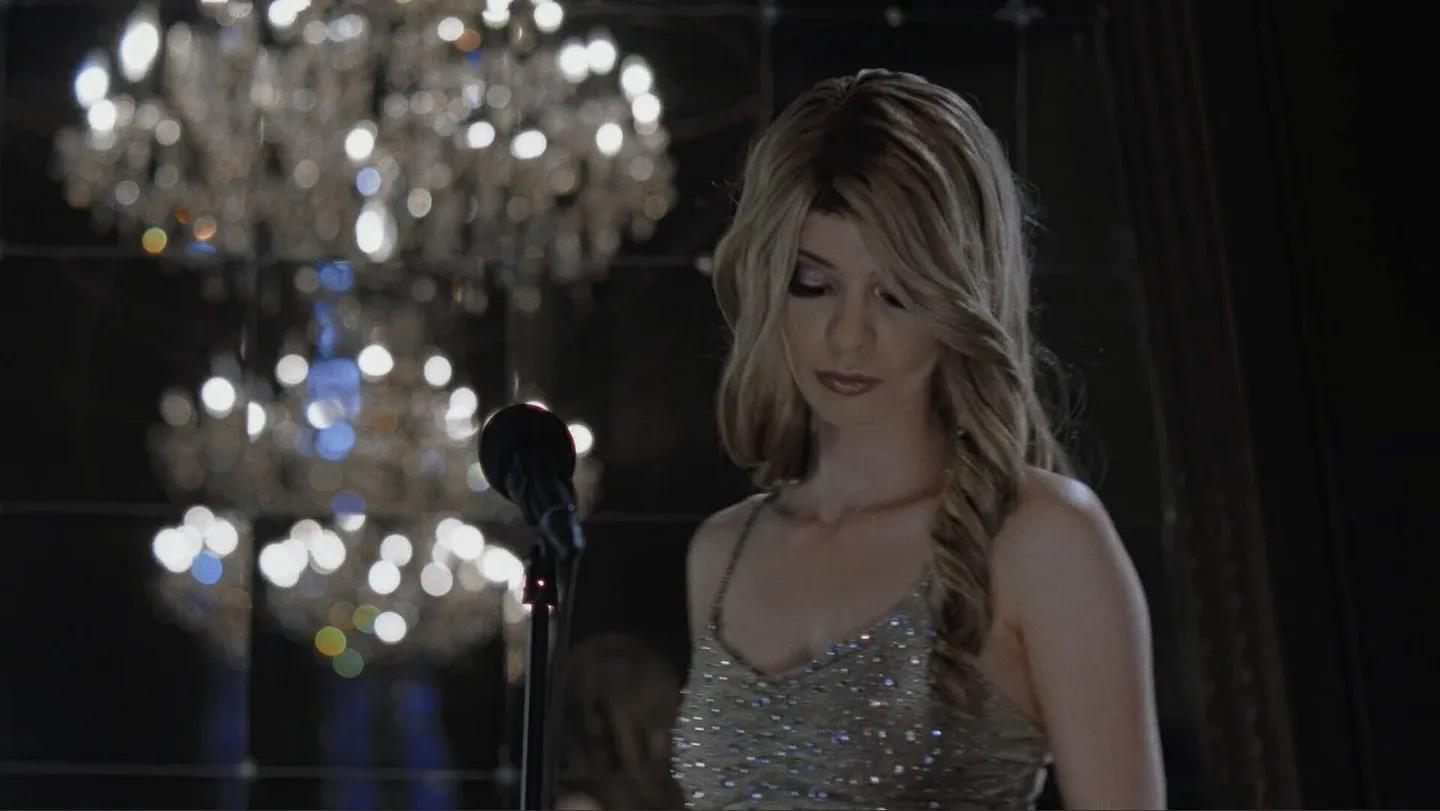
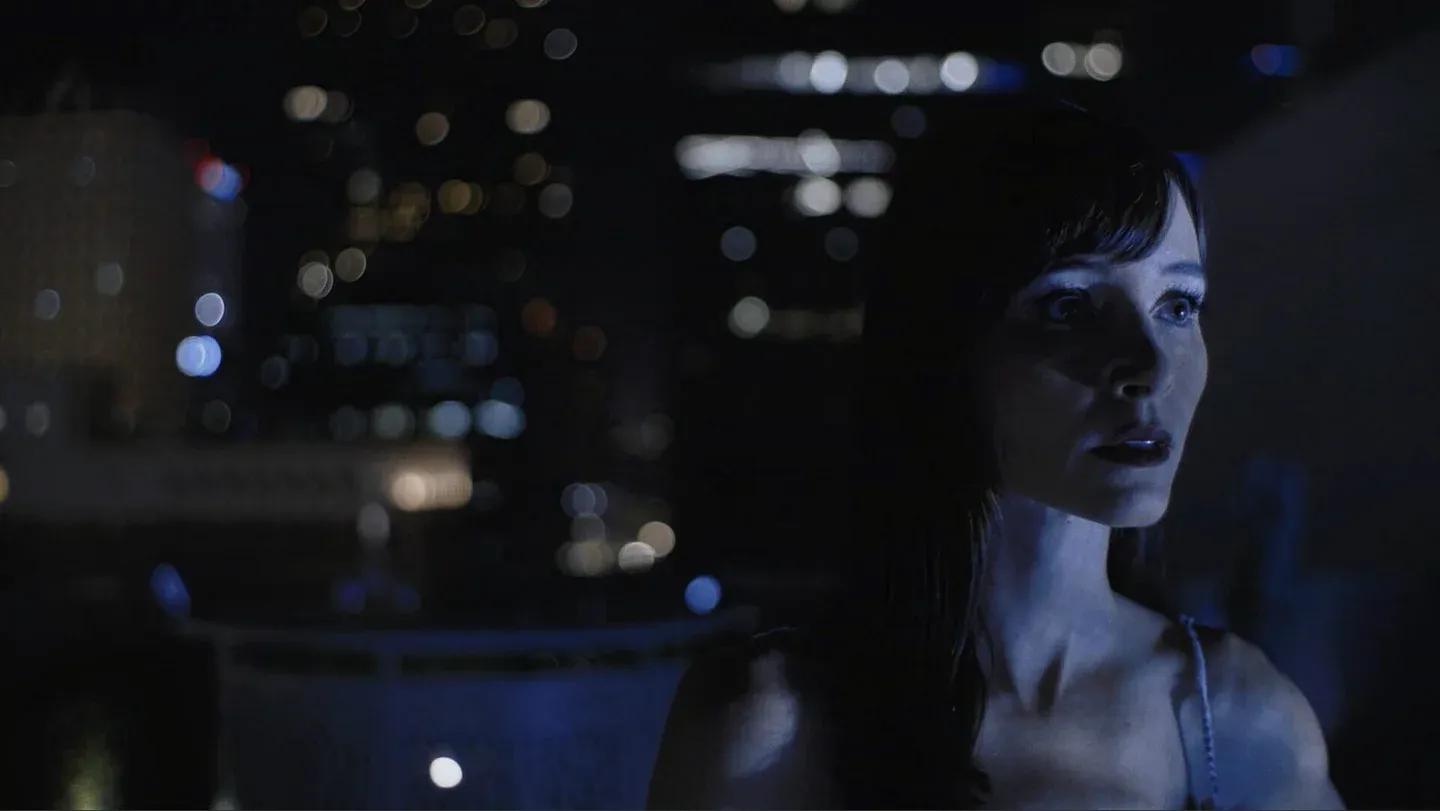
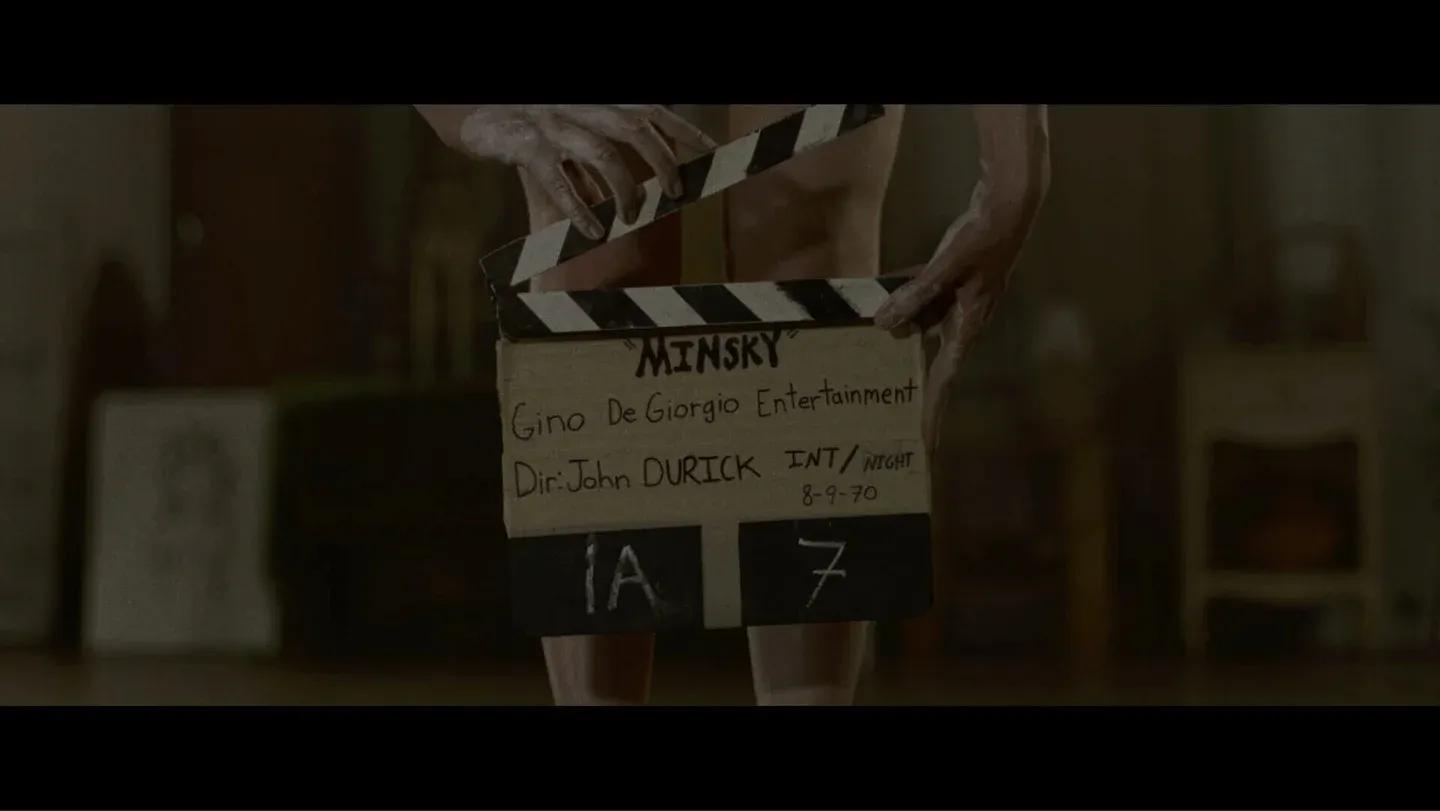
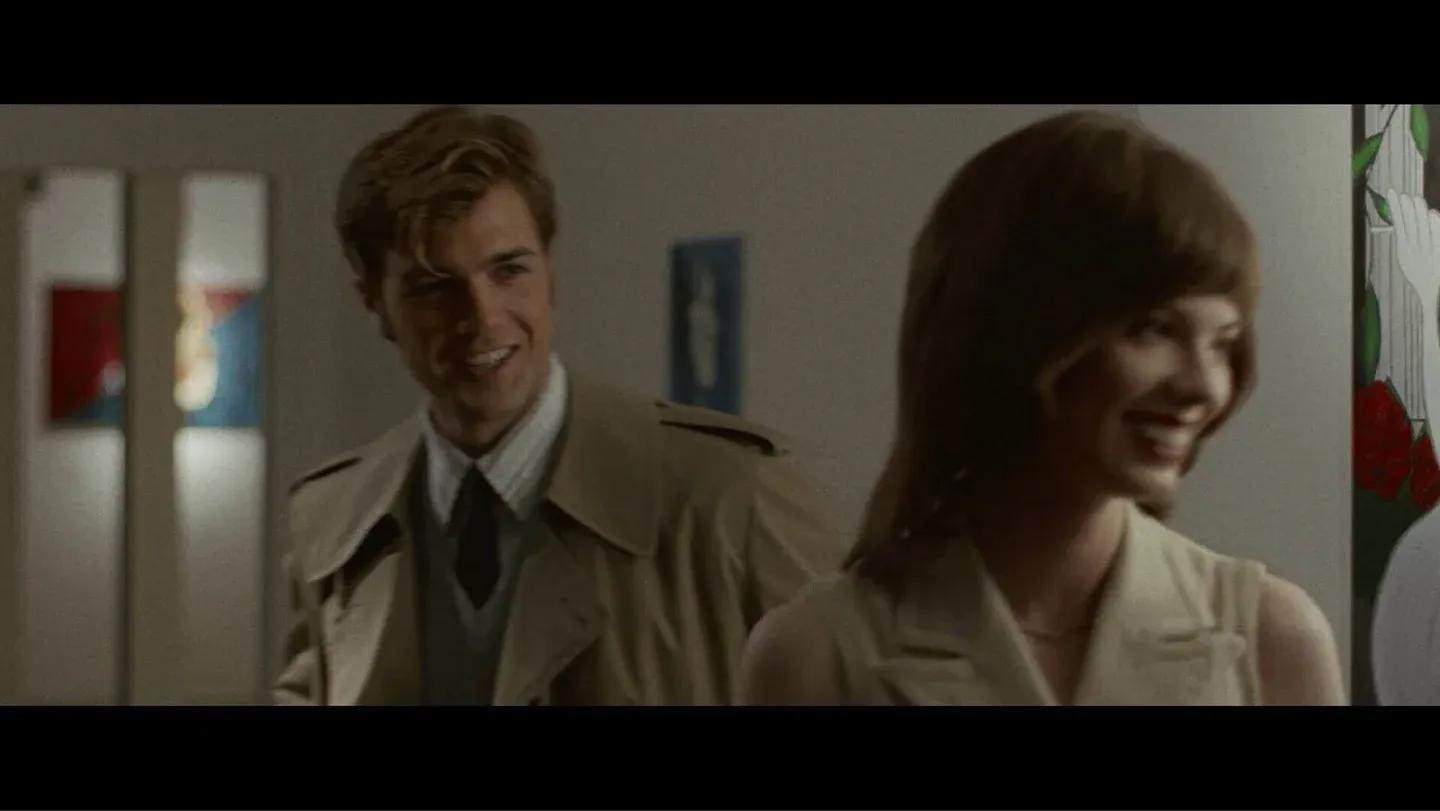
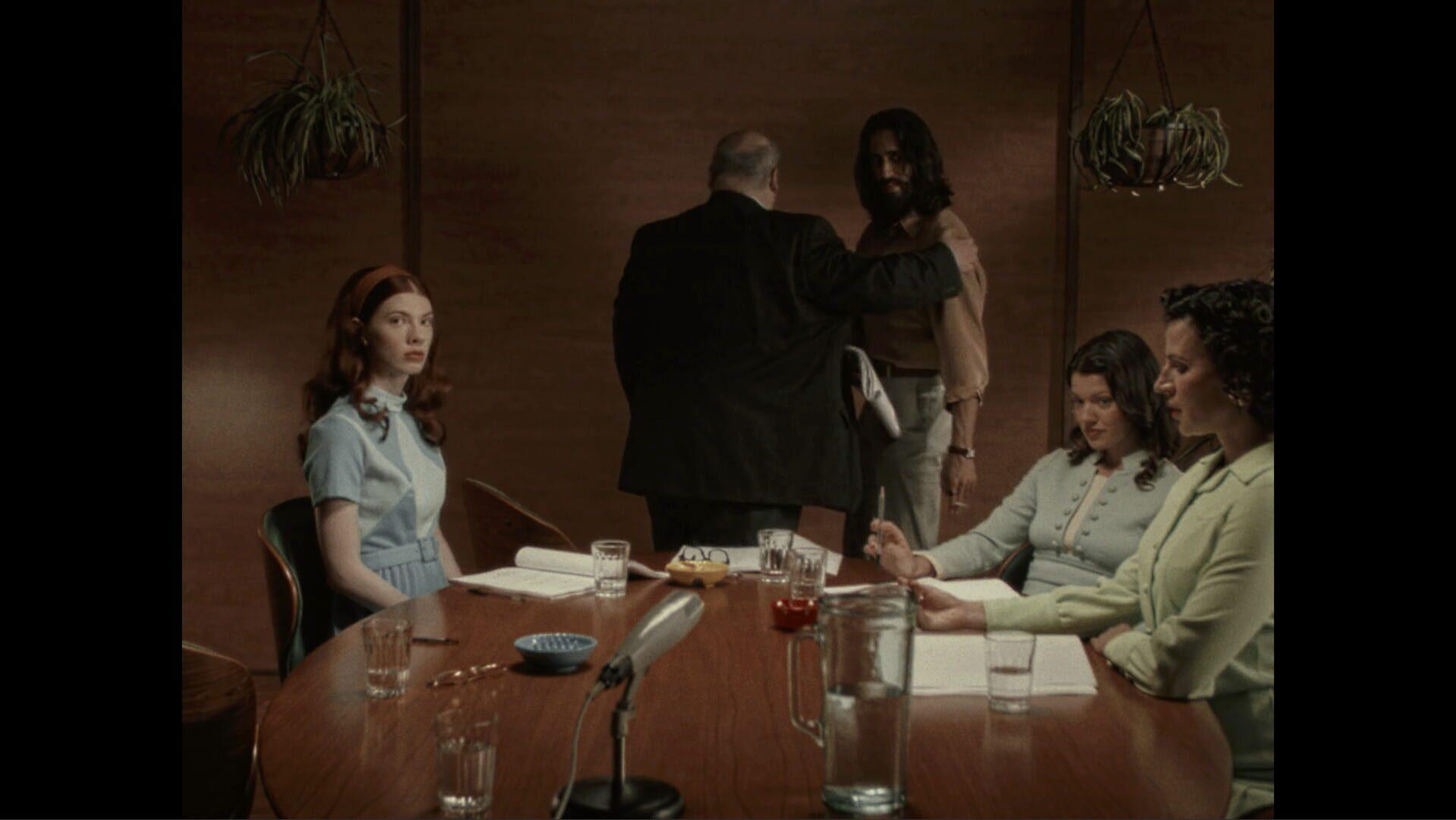
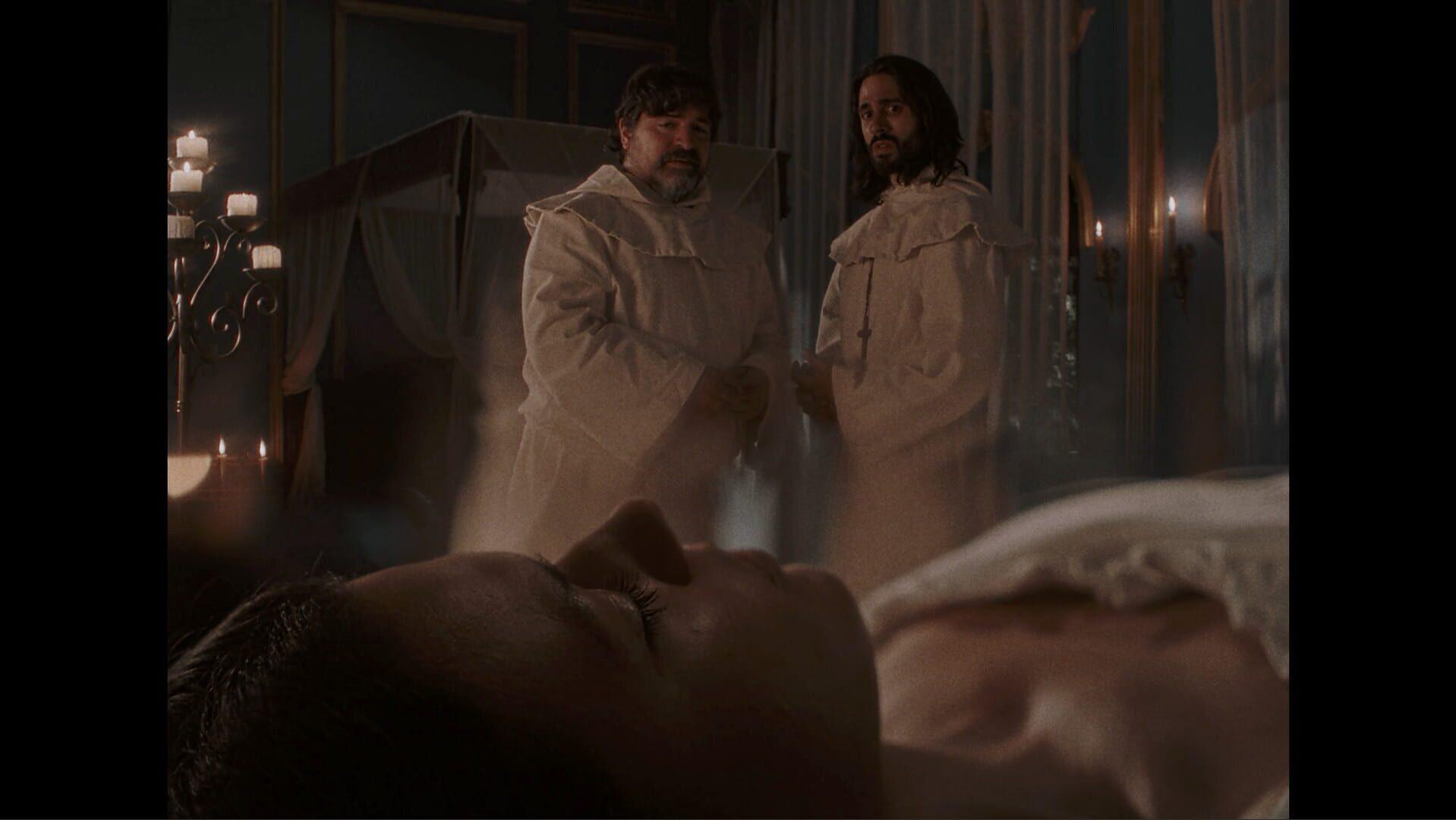
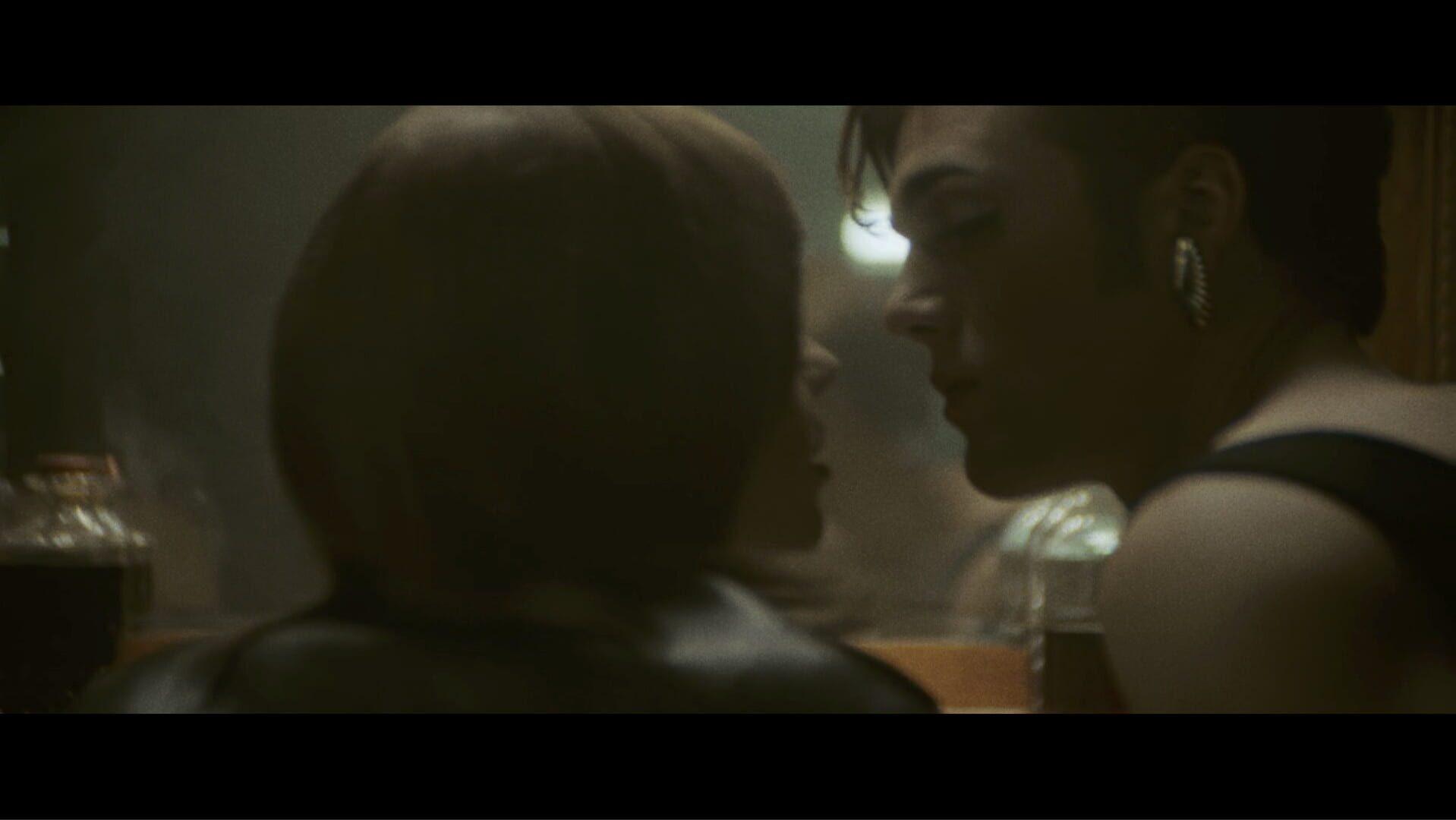
The three films at the center of IMMORTALITY each carry their own distinct identity. The earliest, Ambrosio (1968), is a Gothic horror adaptation of M.G. Lewis's novel "The Monk," directed by Alan Fischer, with Marissa playing the notorious Matilda. Minsky (1970) shifts into thriller territory, placing Marcel's character as a muse suspected of murdering a famous New York artist. The final film, Two of Everything (1999), is a subversive exploration of identity and duality, following both a pop star and her body double.
Each production era is rendered with remarkable period authenticity, from the visual texture of the footage to the costumes, dialogue, and filmmaking conventions of the time. Moving between decades creates a disorienting but compelling sense of temporal displacement, as though the archive itself is alive and reorganizing around the player's curiosity.
Visual and Audio Design: Cinema as a Playable Medium
IMMORTALITY commits fully to its live-action format. The footage carries the grain and color characteristics appropriate to each era, lending the archive a tactile, archival quality that reinforces its fictional authenticity. The performances, particularly that of lead actress Manon Gage as Marissa Marcel, carry genuine dramatic weight across all three productions.
The sound design mirrors this attention to period detail, with each film's audio reflecting its era. The result is an experience where the boundary between game and film dissolves in genuinely surprising ways.
Impact and Legacy
IMMORTALITY received widespread critical recognition upon release, earning a perfect 10/10 from Edge magazine, which called it "a new high bar for creator and genre." The game was an official selection at the Tribeca 2022 festival and received Best of E3 recognition from PC Gamer. On PlayStation, it carries an average rating of 4.49 out of 5 stars from over 400 user ratings, reflecting sustained appreciation from players across platforms.
Conclusion
IMMORTALITY stands as one of the most formally inventive point-and-click experiences available across its wide range of platforms. Sam Barlow and Half Mermaid construct a mystery that uses the architecture of cinema itself as both its subject and its interface. For players drawn to narrative-driven games that treat interactivity as something more than button prompts, this live-action mystery delivers a genuinely singular investigation into art, identity, and disappearance.