

Biggest discounts, free games, and limited-time offers across every major gaming store.
Never pay full price again.
Overview
inKONBINI: One Store. Many Stories is a cozy simulation game developed and published by Nagai Industries, set in a Japan-inspired small town during the early 1990s. Players take on the role of Makoto Hayakawa, a college student working a summer shift at a neighborhood convenience store. The game sits at the quieter end of the indie spectrum, closer to a slice-of-life visual novel than a management sim, prioritizing atmosphere and character over systems and challenge.
[VIDEO]
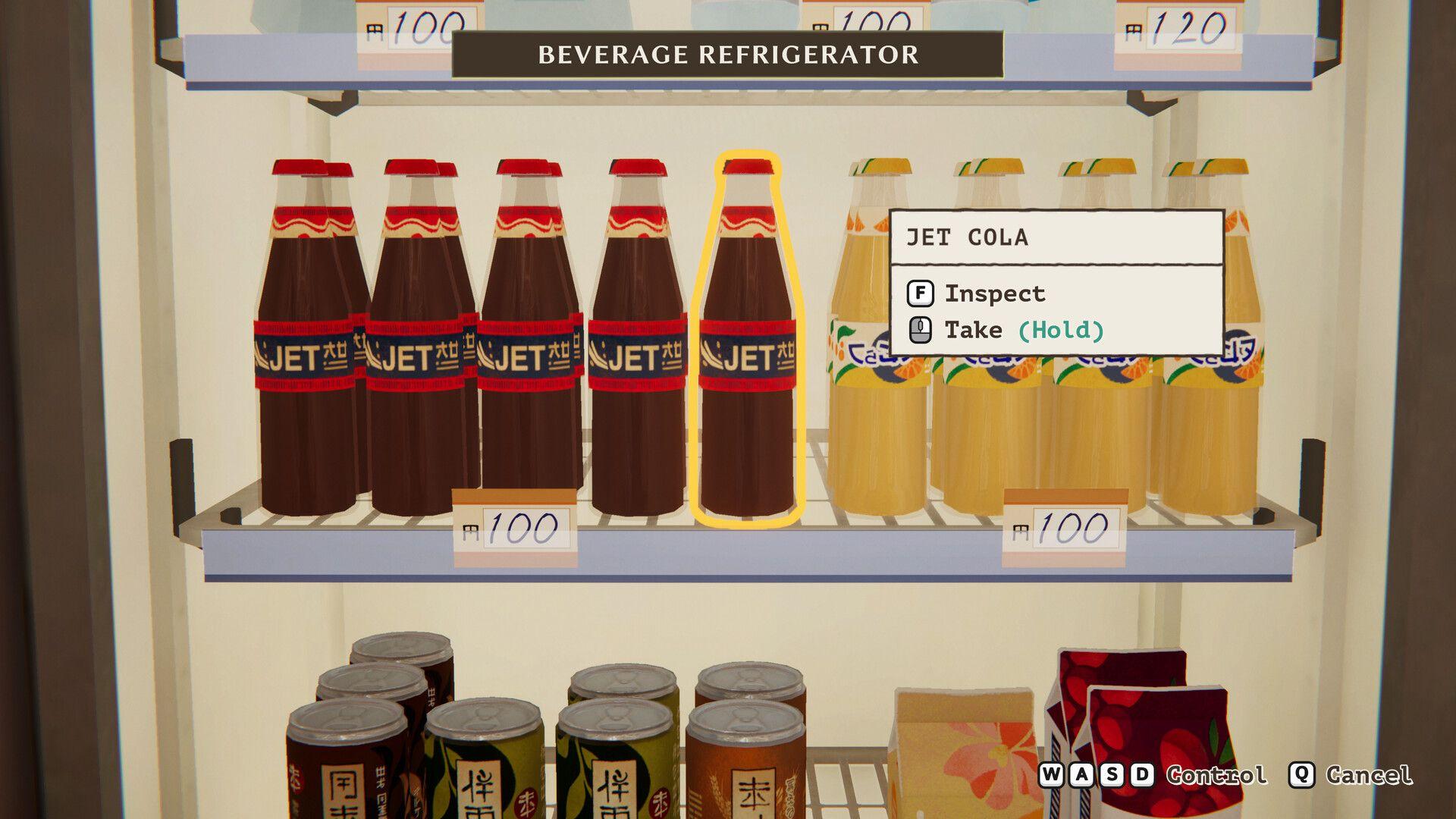
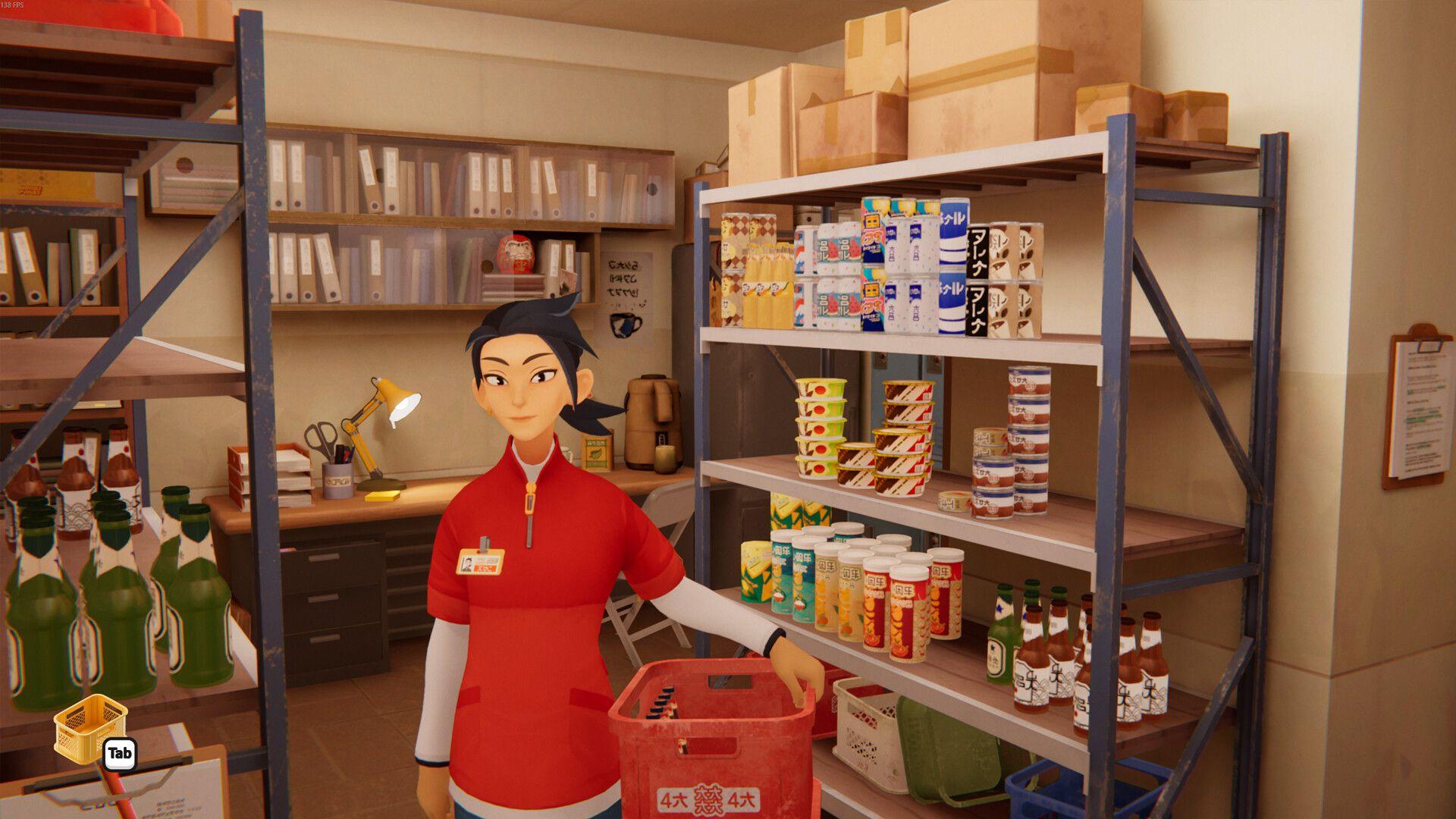
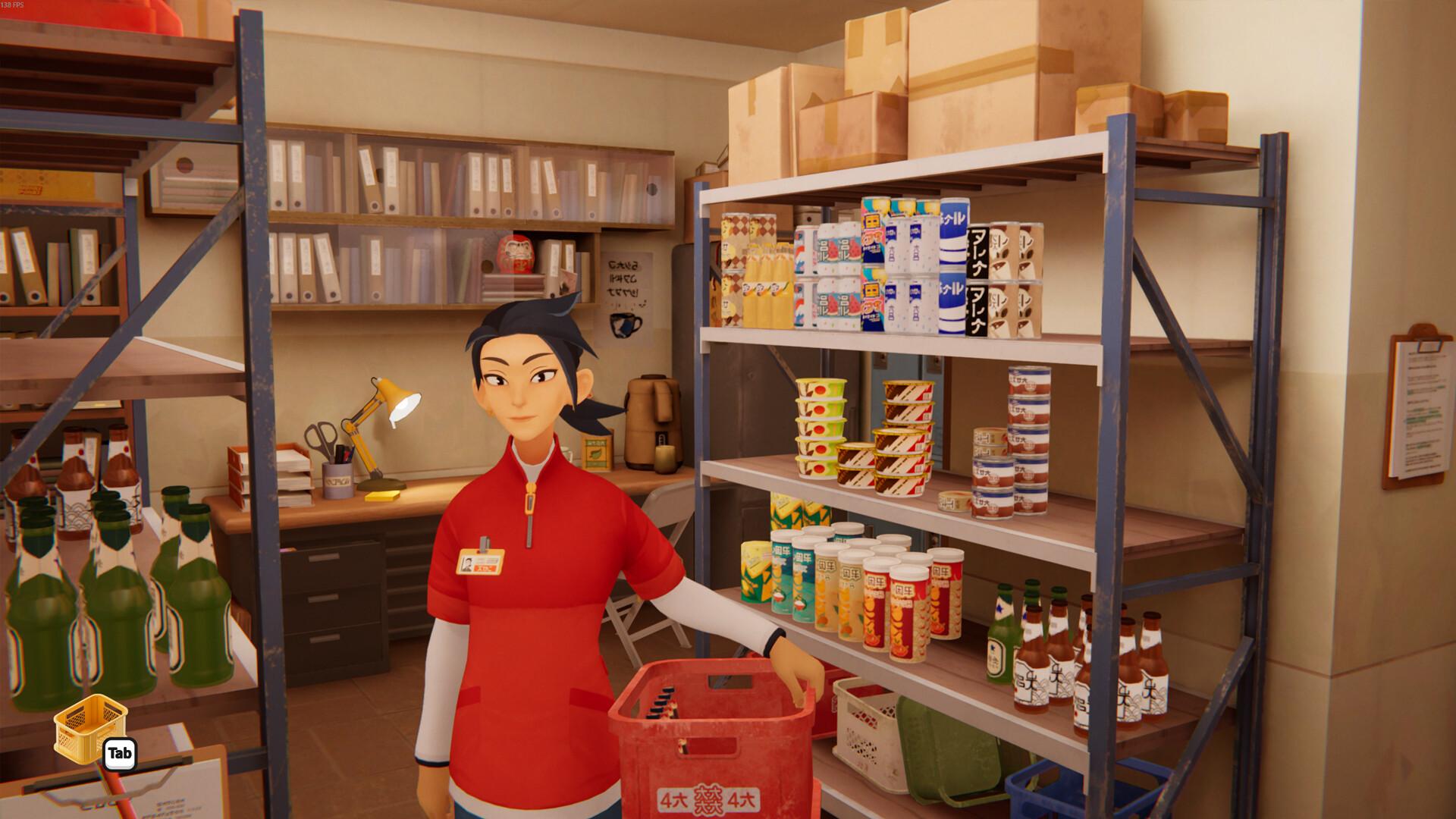
The premise is deliberately unhurried. Makoto's days follow a gentle rhythm of restocking shelves, tidying displays, and preparing the store before customers arrive. None of this is timed or scored. The point isn't efficiency; it's presence. That design choice is what separates inKONBINI from the wave of cozy games that still sneak in stress through optimization loops.
What kind of game is inKONBINI, exactly?
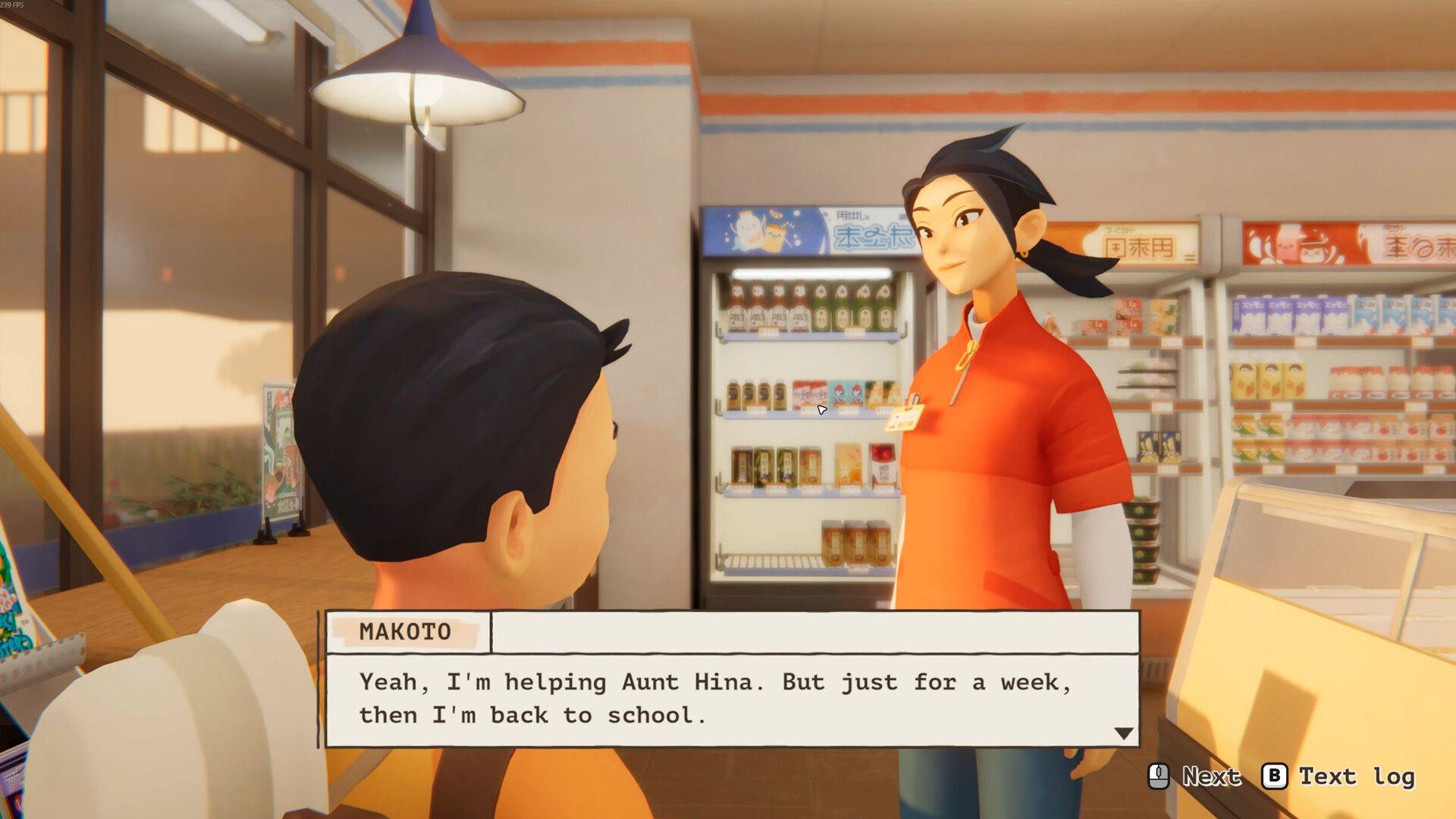
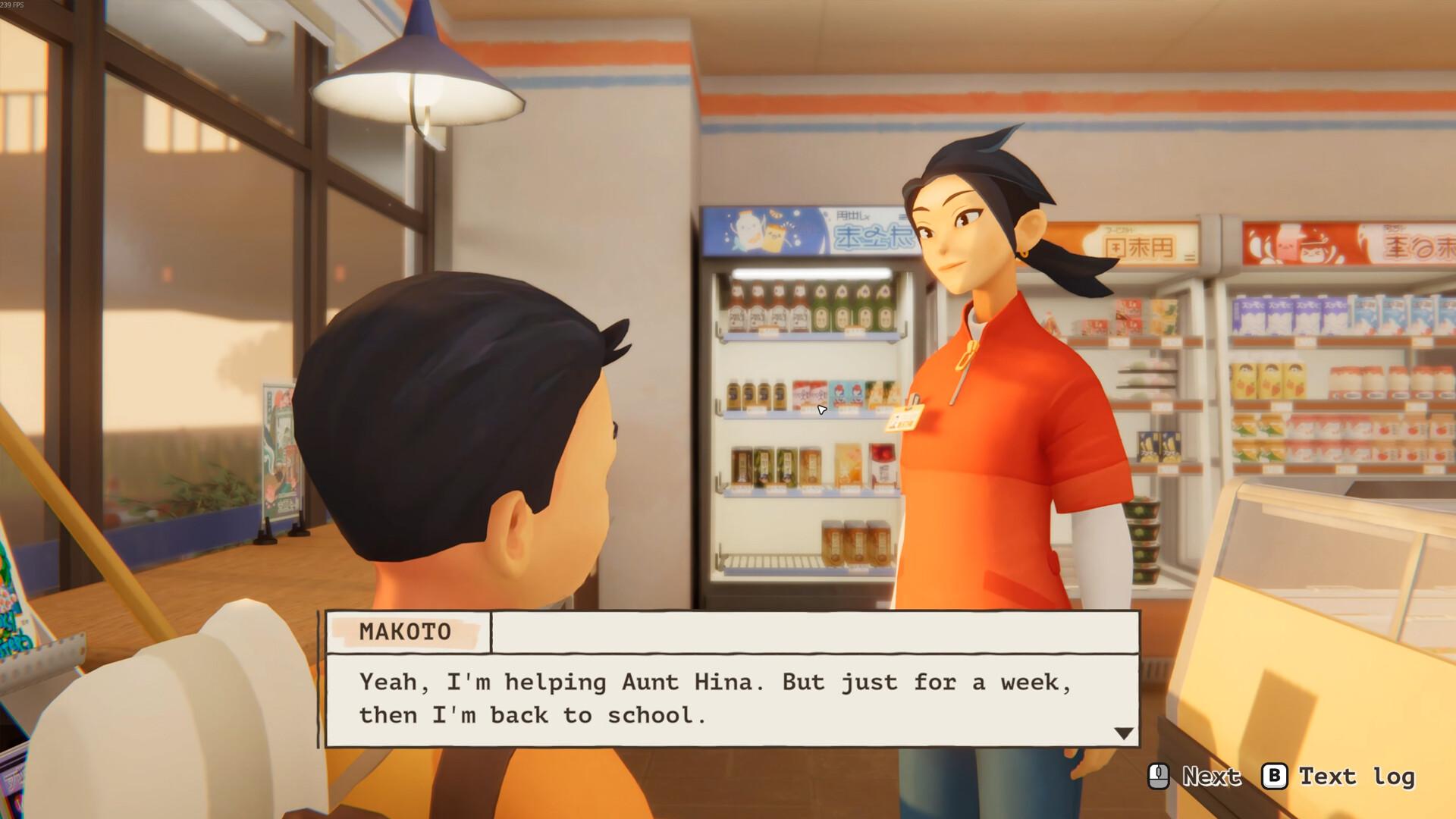
inKONBINI is best described as a narrative-driven cozy sim with light storekeeping mechanics. The simulation side is intentionally light, covering tasks like ordering goods and organizing shelves, while the narrative side carries most of the weight. Branching conversations with recurring customers reveal personal stories, neighborhood secrets, and quiet human moments that accumulate over the course of Makoto's summer.
Key mechanics include:
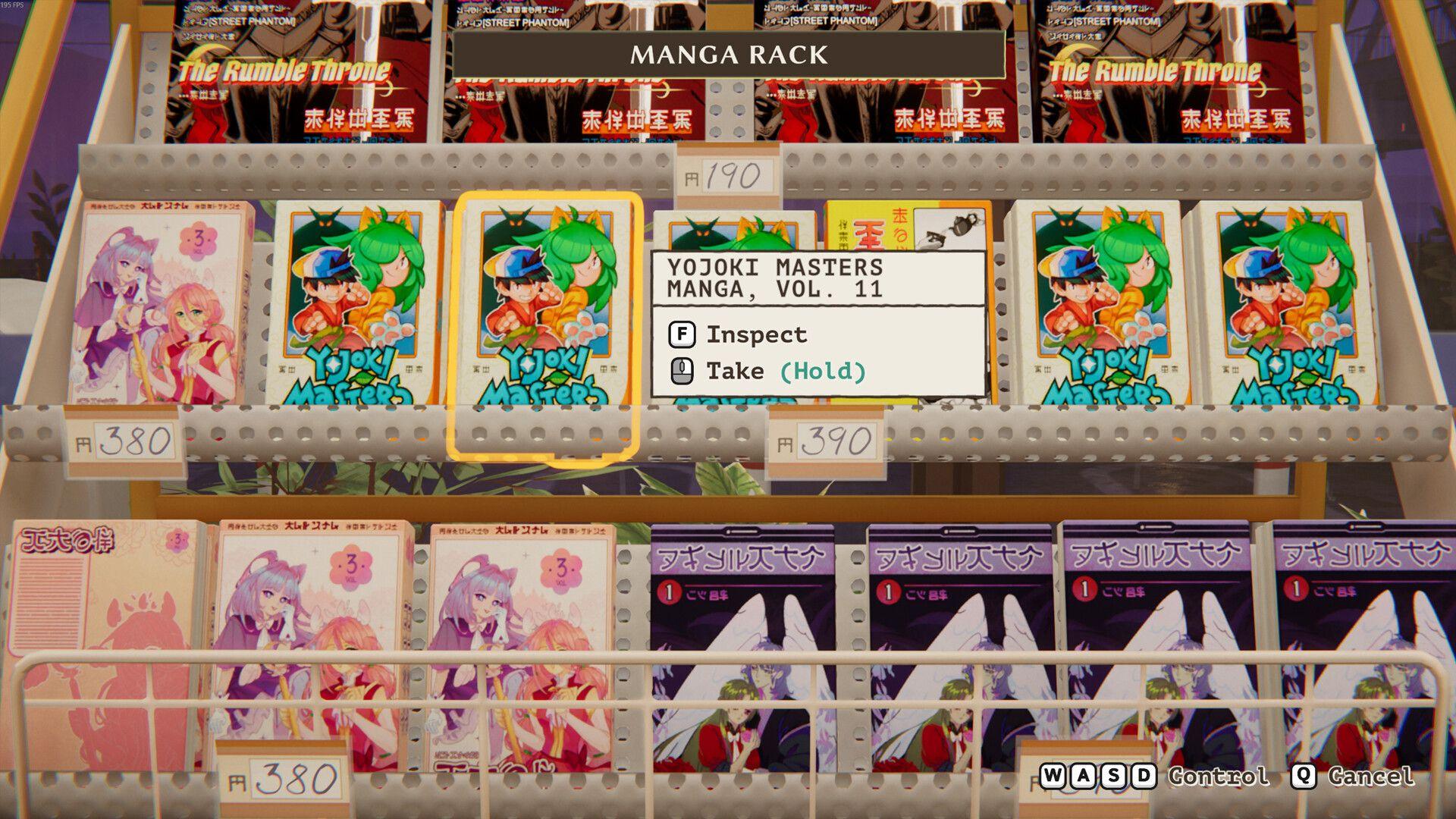
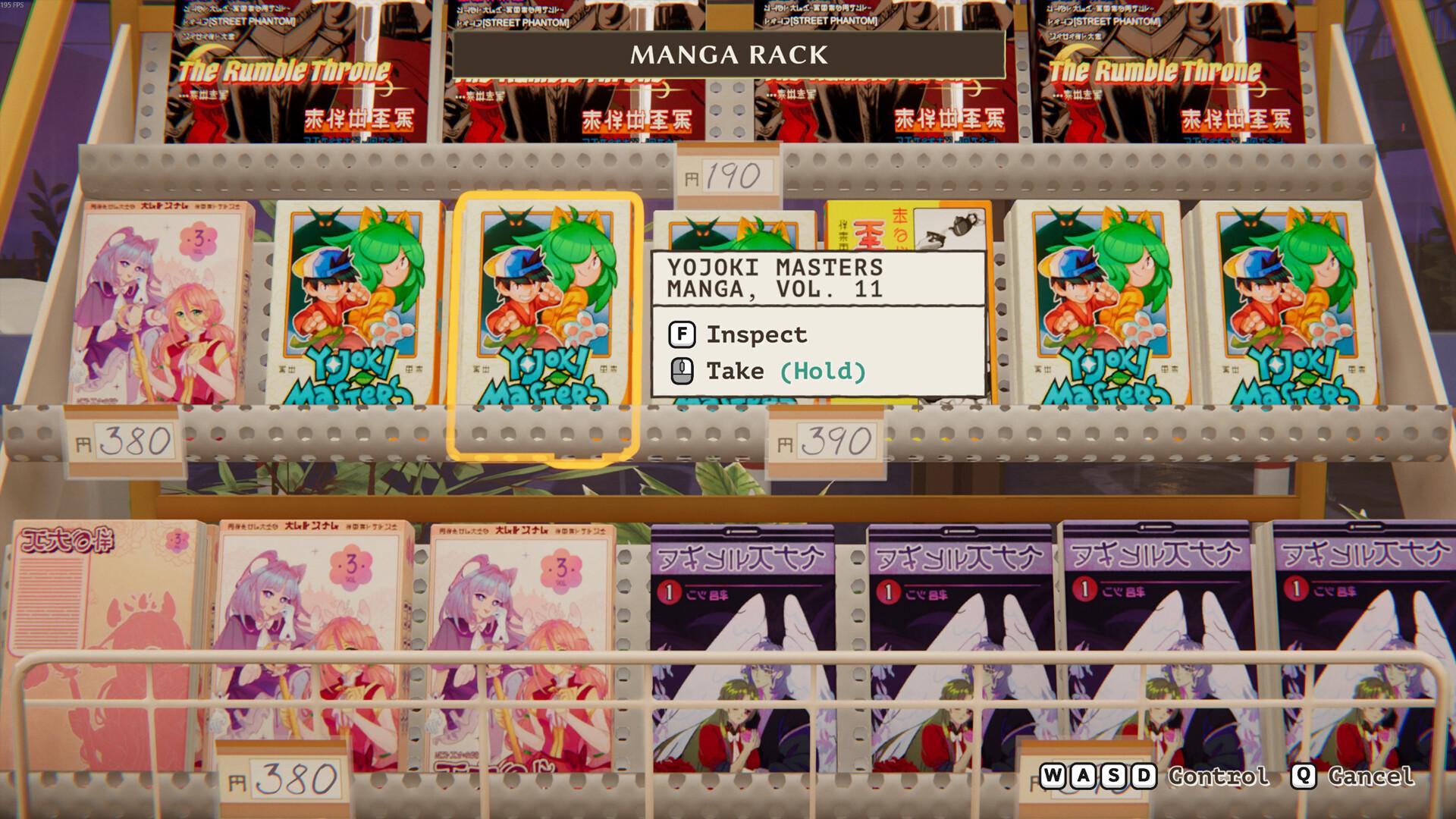
- Shelf stocking and display tidying
- Branching dialogue with neighborhood regulars
- Gachapon capsule toy collecting
- Store exploration and environmental detail-spotting
- Relationship building through repeated interactions
The branching conversation system means player choices shape how relationships develop. A customer might open up about a personal struggle if you've been attentive across multiple visits, or stay guarded if earlier interactions went the wrong way. It's a small-scale version of the relationship mechanics you'd find in something like Spiritfarer or Coffee Talk, focused on depth over breadth.
World and setting: early 1990s Japan in miniature
The game's aesthetic draws heavily from early 1990s Japan, a period with its own distinct visual personality before the country's economic bubble burst and the cultural mood shifted. Soft colors, warm interior lighting, and carefully placed details fill the convenience store and its surroundings. This isn't a recreation of a specific place so much as a distillation of a feeling: the particular comfort of a well-lit konbini on a quiet evening.
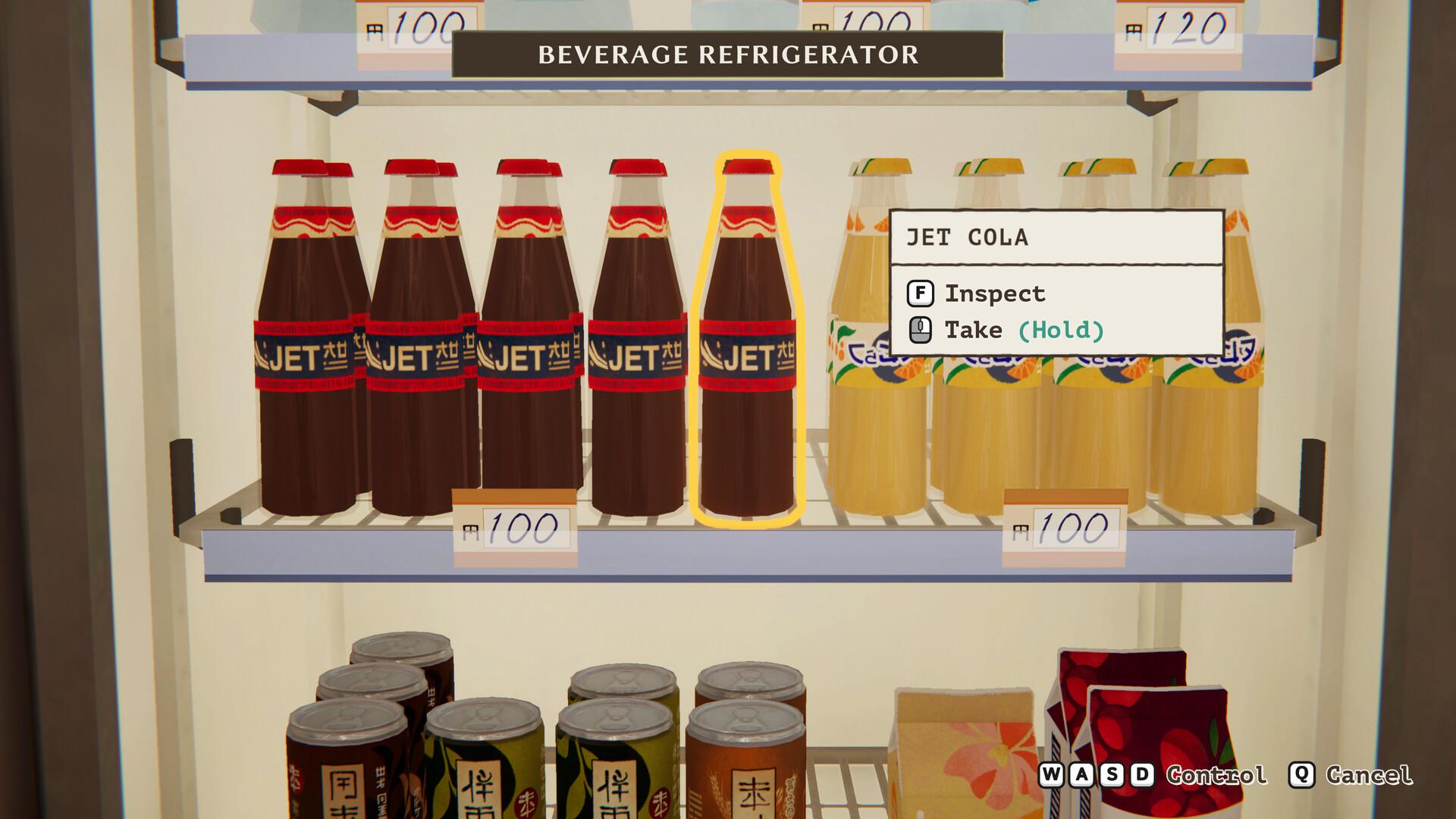
Nagai Industries backs the visuals with an ASMR-inspired soundscape built from everyday sounds. The hum of refrigerators, the rustle of product packaging, the soft chime of the door sensor. These aren't just ambient filler; they're load-bearing parts of the atmosphere. Games that take sound this seriously tend to be the ones that stick with you after the credits roll.
Visual and audio design
The art style leans warm and hand-crafted, with character designs and store interiors that feel specific rather than generic. The gachapon machine is a smart piece of design detail: it's a collectible system wrapped in one of the most recognizable objects from Japanese convenience culture, giving players a low-stakes reason to return to the store counter even on quieter days.
Conclusion
inKONBINI: One Store. Many Stories is a cozy narrative sim that commits fully to its own pace. For players who want a game that rewards attention rather than reflexes, Makoto's summer job offers something genuinely rare: a slice-of-life experience where the mundane actually feels meaningful. The combination of branching dialogue, tactile storekeeping, and a lovingly realized 1990s Japanese setting makes it a strong pick for fans of quiet, character-driven indie games.