


Invincible VS drops you into a 3v3 tag fighter with 18 characters, multiple game modes, and mechanics that go well beyond button-mashing. If you jump straight into online matches without any preparation, the experience will be rough. The good news: the game gives you everything you need to get up to speed before you face another player. Here's how to use it.
Tutorial mode selection screen
How do you get started in Invincible VS?
The first thing to do after booting the game is open Training mode from the Main Menu. It sits separately from Single Player and Versus, so there's no friction getting to it. Inside, you'll find two options: Practice and the full Tutorial. Run the Tutorial first.
The Beginner Tutorial covers 10 lessons in sequence:
- Movement — how to navigate the stage effectively
- Offense: Normals — standard button presses and their timing windows
- Offense: Specials and Boost — character-specific special move inputs
- Offense: Supers and Ultimate — finishing moves and how to set them up
- Throws — unblockable attacks that interrupt jabs and strings
- Offense: Basic Combos — foundational strings to use in matches
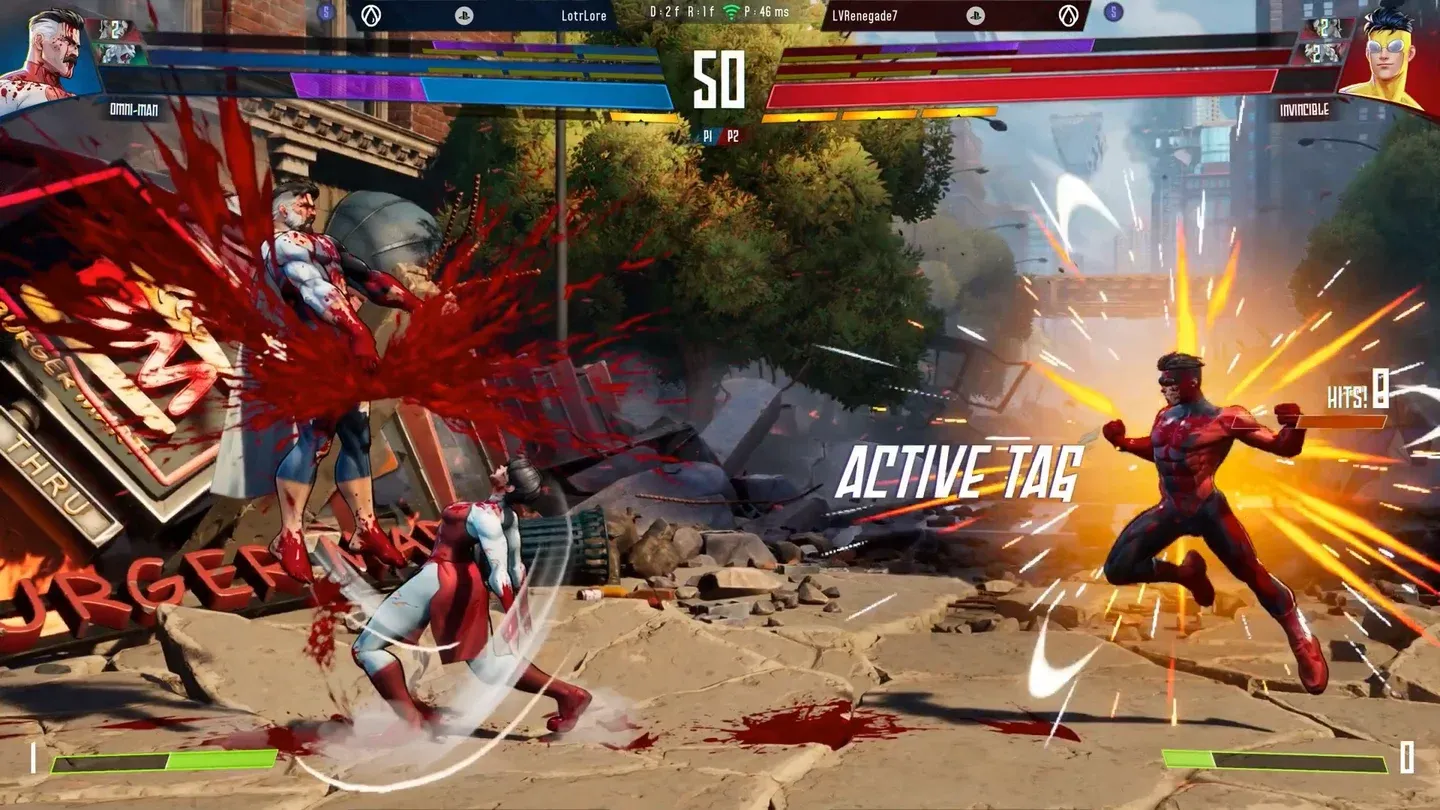
- Offense: Assists, Tags, and Active Tags — how to switch fighters effectively
- Blocking — avoiding damage and reading opponents
- Defense: Assist Breaker — stopping an opponent's momentum mid-string
- Defense: Counter Tag — bringing your fighter in against the opponent's
The button layout follows a familiar pattern for anyone who has played NetherRealm's Injustice series. The four face buttons map to Light (1/L), Medium (2/M), Heavy (3/H), and Special Attack, with tagging bound to the left trigger and bumper. Right trigger and bumper handle movement. Getting this layout into muscle memory early is half the battle.
Why does the Intermediate Tutorial matter?
Once the Beginner Tutorial clicks, the Intermediate Tutorial is where things get interesting. It goes deeper on tag mechanics, covering Active Tags, Counter Tags, Tag Feints, Delays, and Snapbacks. Feinting and delaying moves bait opponents into starting attacks early, letting you either step back to avoid them entirely or duck underneath and punish with a combo.
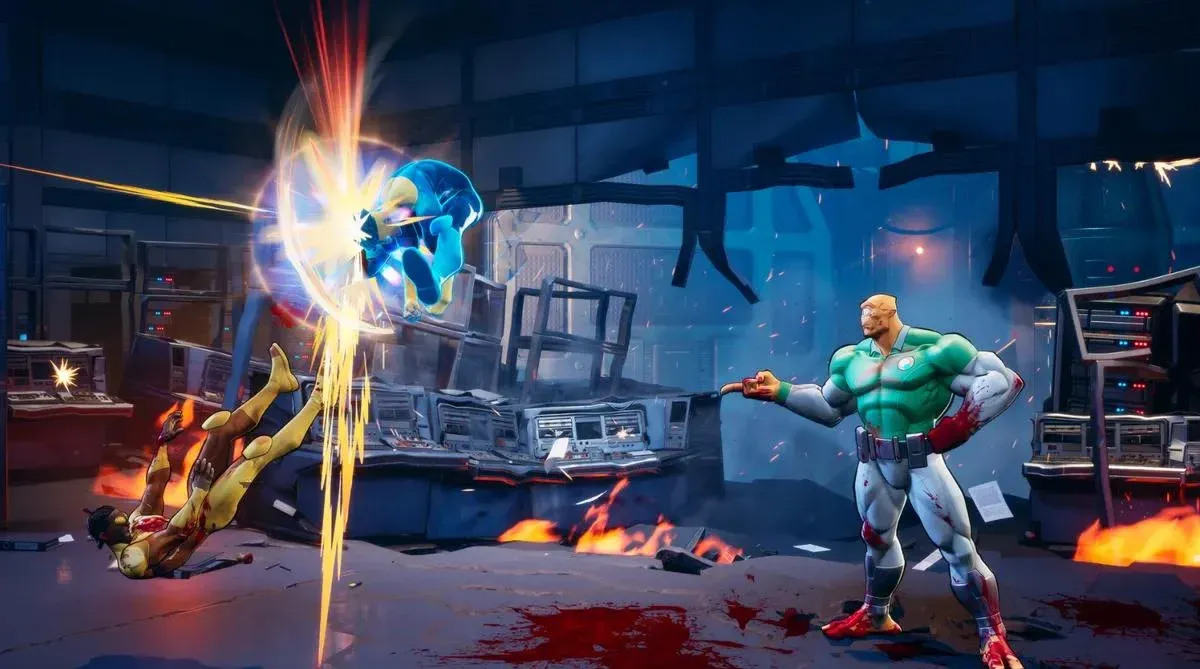
The Intermediate Tutorial also covers Heroic Strikes, Pushblocks, and Assist Breakers in high-pressure contexts. Meter burn gets its own section too, explaining how to spend it mid-combo or at the end of a string to enhance special moves. That system feeds directly into Level 3 Super attacks, which are unblockable and work as "wake up" options when you're pinned down in a lengthy combo.
Level 3 Super activation
What are the universal beginner combos?
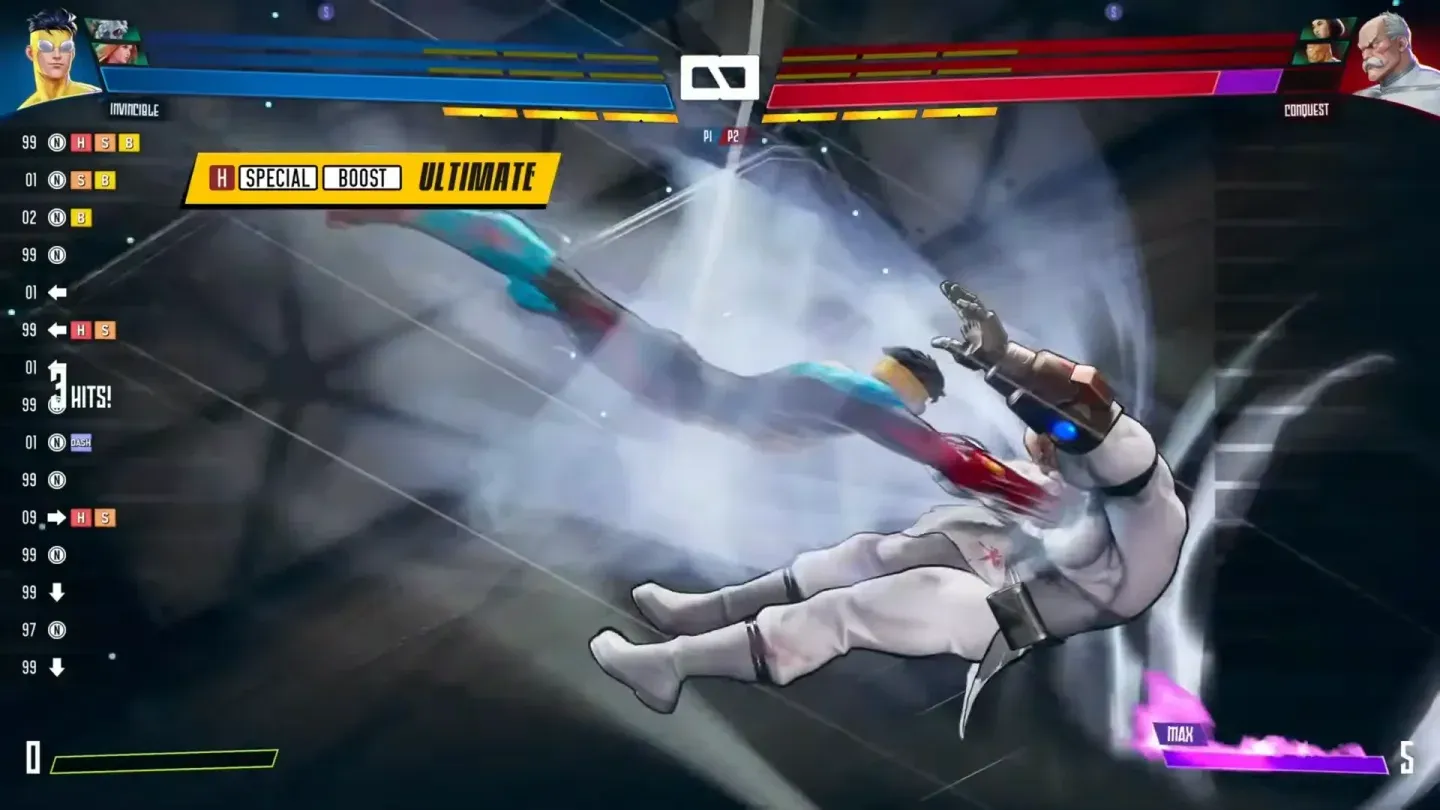
According to resources like InvincibleVS.org, two universal combo routes work across all 18 launch characters. The first deals 2,800 damage; the second deals 4,200 damage.
- Simple Universal Combo: L → M → H → S (four buttons, works with every character)
- Simple Aerial Combo: L → M → H (launch) → j.L → j.M → j.H → j.S (three ground hits into a launch, then three aerial hits)
Once those feel consistent, two more advanced routes open up:
- Assist Extension: L → M → H → Assist → L → M → H (launch) → Air Combo
- Delayed Hyper Combo: Ground String → Super 1 → DHC → Super 2
The Assist Extension and Delayed Hyper Combo are harder to time, but the payoff in damage and momentum is significant. Drill them in Practice mode before taking them online.
Universal combo input chain
Top tips for new Invincible VS players
Before anything else, fix one mindset issue: Invincible VS is not a one-character brawler. The team system is the game. Everything else flows from that.
Build your team around one character you understand
With 18 characters available at launch, the temptation to experiment constantly is real. Resist it early. Pick one character whose playstyle makes sense to you, learn their normals, specials, and easiest combo route, then pick two teammates who support that approach. Omni-Man suits players who want relentless offensive pressure. Ella Mental and Atom Eve lean toward ranged control. That kind of clarity matters more at the beginner stage than any tier list.
Speaking of tier lists, they're worth checking once you have a few hours in the game and a sense of what you enjoy. For now, playstyle fit beats theoretical power every time.
Tag with a reason, not as a panic response
Active tagging is one of the most important mechanics in the game, and one of the most abused by new players. Tag to extend a combo, bring in a healthier teammate, escape a bad matchup, or shift the pace of a fight. Randomly swapping characters because the screen feels chaotic will get you punished. Every tag should have a purpose.
Protect your team health as a resource
In 3v3 fighters, losing one character early can collapse your entire game plan. Those red health bars can recover, so tag out an injured fighter rather than letting them absorb more punishment. Beginners tend to focus entirely on offense and ignore team health until it's too late.
Use assists for more than big combos
Assists aren't just for flashy combo compilations. A well-timed assist covers your approach, forces the opponent to block, or protects you after a risky attack. Once you start thinking about assists as pressure tools rather than combo extenders, your team starts functioning like an actual tag squad.

Assist call during combo
Spend your meter, don't stockpile it
New players often save Super meter for a perfect moment that never comes, then lose the match with full meter. If a Super or Ultimate secures a knockout, that trade is almost always worth it. A dead opponent character means one fewer assist, one fewer tag option, and one fewer threat on the screen.
Don't mash after getting hit
Fast tag fighters punish panic inputs hard. When you get clipped, focus on blocking, reading the opponent's rhythm, and finding a safe defensive option. Invincible VS can be fast and brutal, so staying composed on defense matters as much as landing your own attacks.
Play Story or Arcade before touching Ranked
The launch version includes Story mode, Arcade, and competitive modes. Story and Arcade are genuinely beginner-friendly spaces to learn characters without the pressure of a ranked match. Use them. The game launched with four modes specifically so players have room to develop before treating every match like a tournament set. If you want to read more about the game's background and what critics made of it at launch, check out this CGMagazine review of Invincible VS for additional context.
Use the screen edge
Cornering an opponent and keeping them pinned at the screen edge is a reliable way to extend pressure and rack up hits. It's a basic tactic, but it works. The caveat: don't build your entire game around it. Once opponents learn Back-Throw, the corner trap loses most of its teeth, and you'll need actual fundamentals to fall back on.
What modes should beginners focus on first?
The game launched with four modes. For beginners, the priority order looks like this:
- Training (Tutorial) — mandatory before anything else
- Training (Practice) — drill combos and assists until they're automatic
- Story / Arcade — learn characters under low-pressure match conditions
- Casual Versus — test your team against real opponents before ranked
- Ranked — only once you have a reliable combo and a team you understand
For more guides covering fighting games and other titles, browse the latest guides on GAMES.GG to keep building your skills across the board.
Invincible VS has the depth to reward serious investment, but the on-ramp is well-designed. The tutorials cover everything from movement to Delayed Hyper Combos, the universal combo routes give you a damage foundation on day one, and the mode structure lets you develop at your own pace. If you want a broader picture of what the game offers before committing time to it, the Game Rant breakdown of Invincible VS covers the 3v3 structure and tag mechanics in detail.