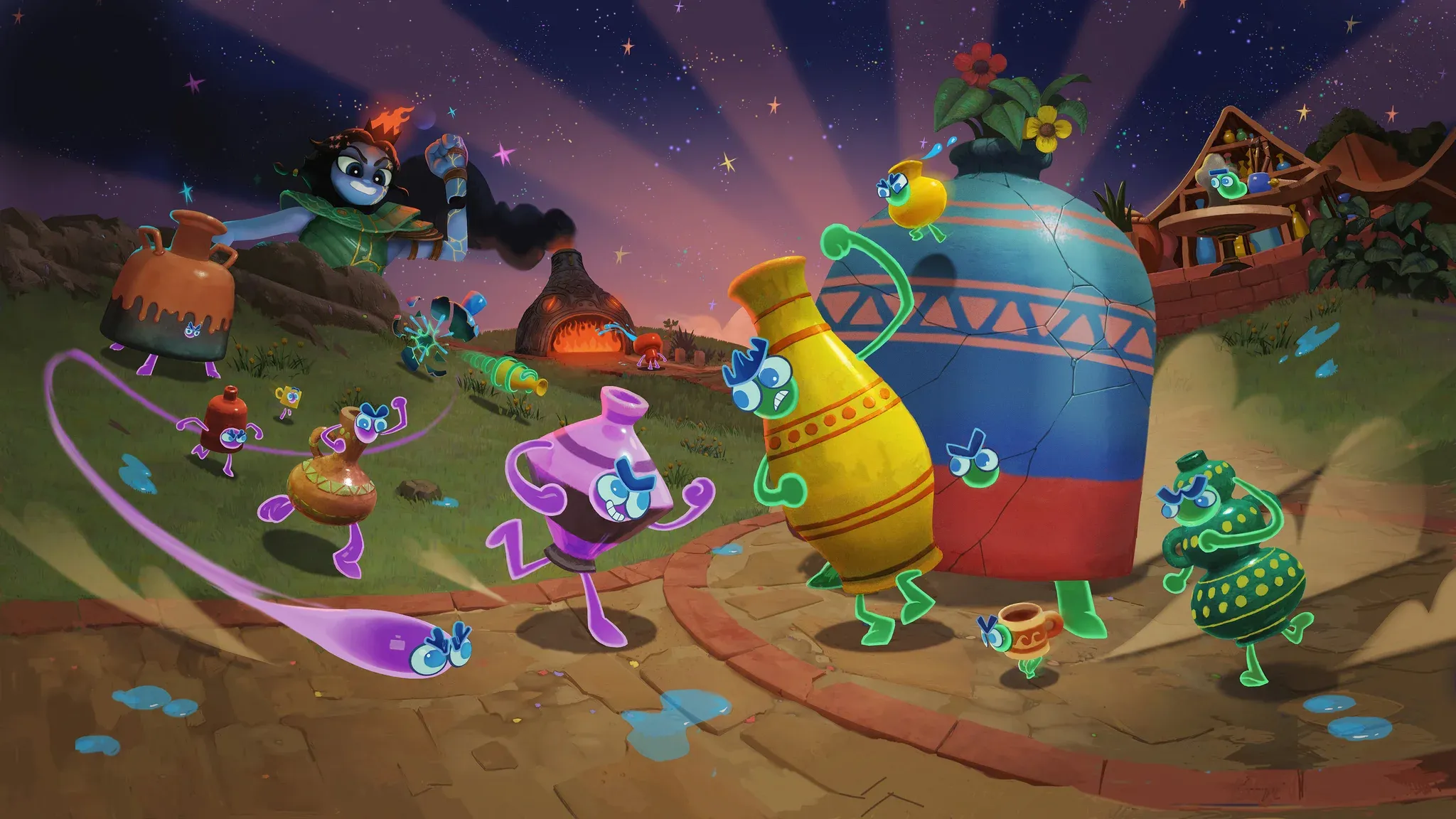

Double Fine's Kiln is one of the stranger party brawlers to come out of a major studio in years, and that's entirely the point. You throw pottery, shape it into a fighting vessel, then roll that vessel across mythological arenas trying to smash your opponents' kilns before they smash yours. The concept sounds absurd until you're actually in a match and realize how much your pot's shape genuinely changes how you play.
How does vessel shape affect gameplay in Kiln?
This is the core mechanic everything else hangs on. The size and shape of your vessel directly determines its speed, strength, and abilities. A massive vase can pound enemies into the ground but rolls slowly across the map. Smaller, narrower pots move faster but hit with less force.
There are no presets. Every vessel is built from scratch by the player, which means two people sitting down for the first time will naturally create different fighters just by instinct. That variety is the engine driving replayability.
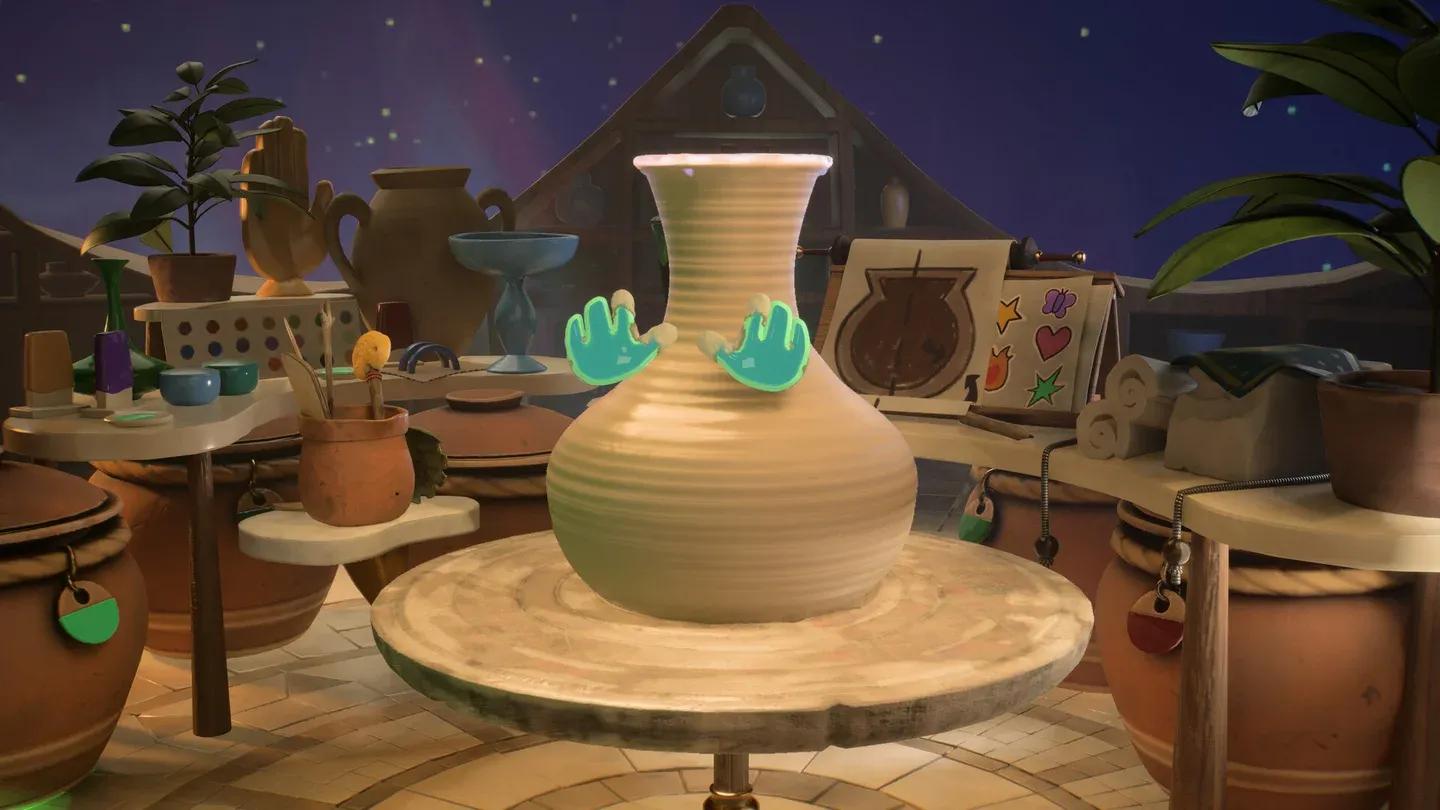
Build your vessel from scratch

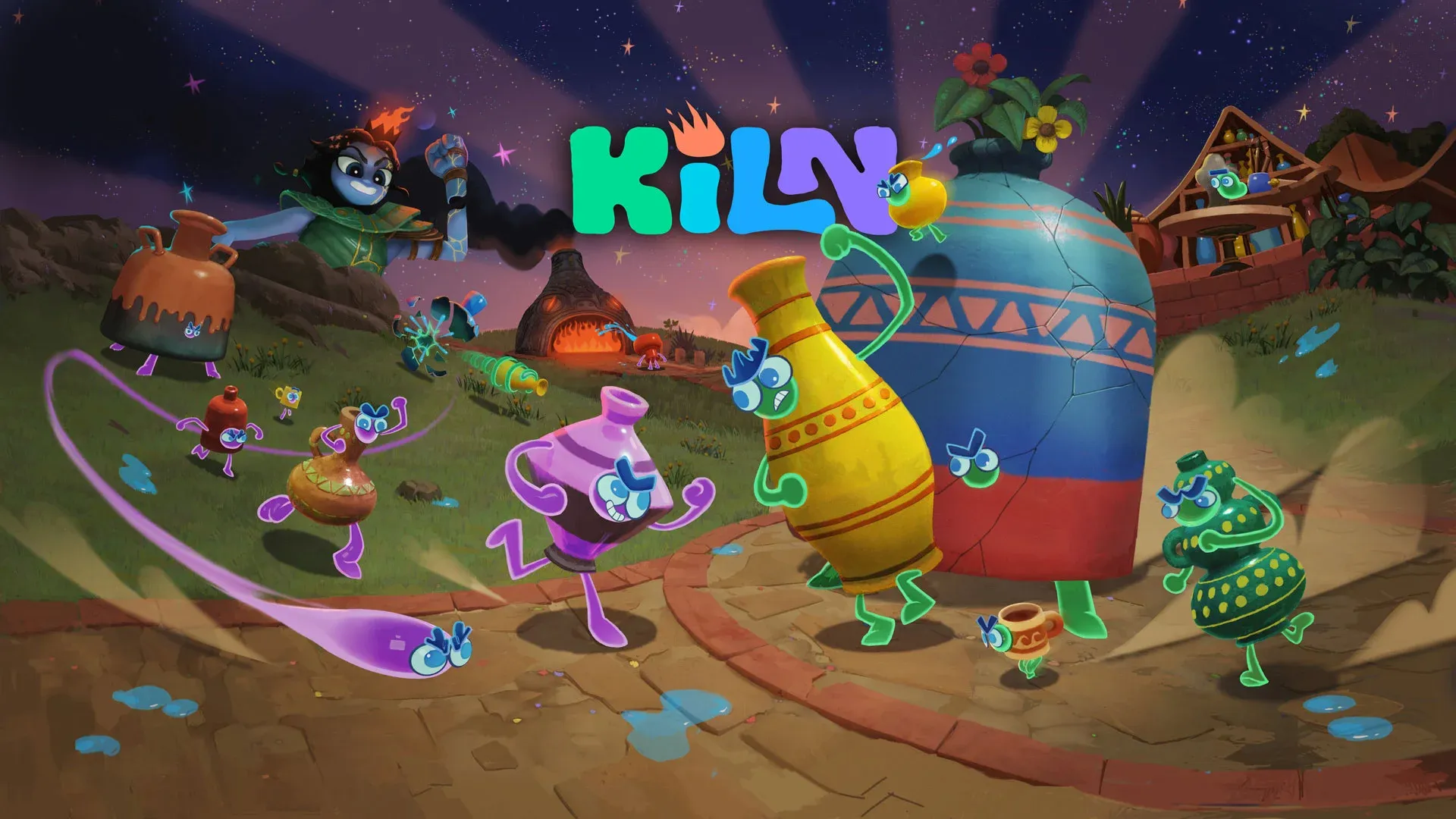
What's the goal of each match?
Matches in Kiln are team-based. Your squad rolls their vessels around the arena trying to extinguish the opposing team's kiln. Think of it less like a traditional fighting game and more like a team objective brawler where your custom pot is both your character and your weapon.
The communal lobby is designed to feel like a shared pottery studio. Players can't voice chat in it, but they can share pots with each other, which Double Fine built specifically to encourage collaboration and creativity before the fighting even starts.
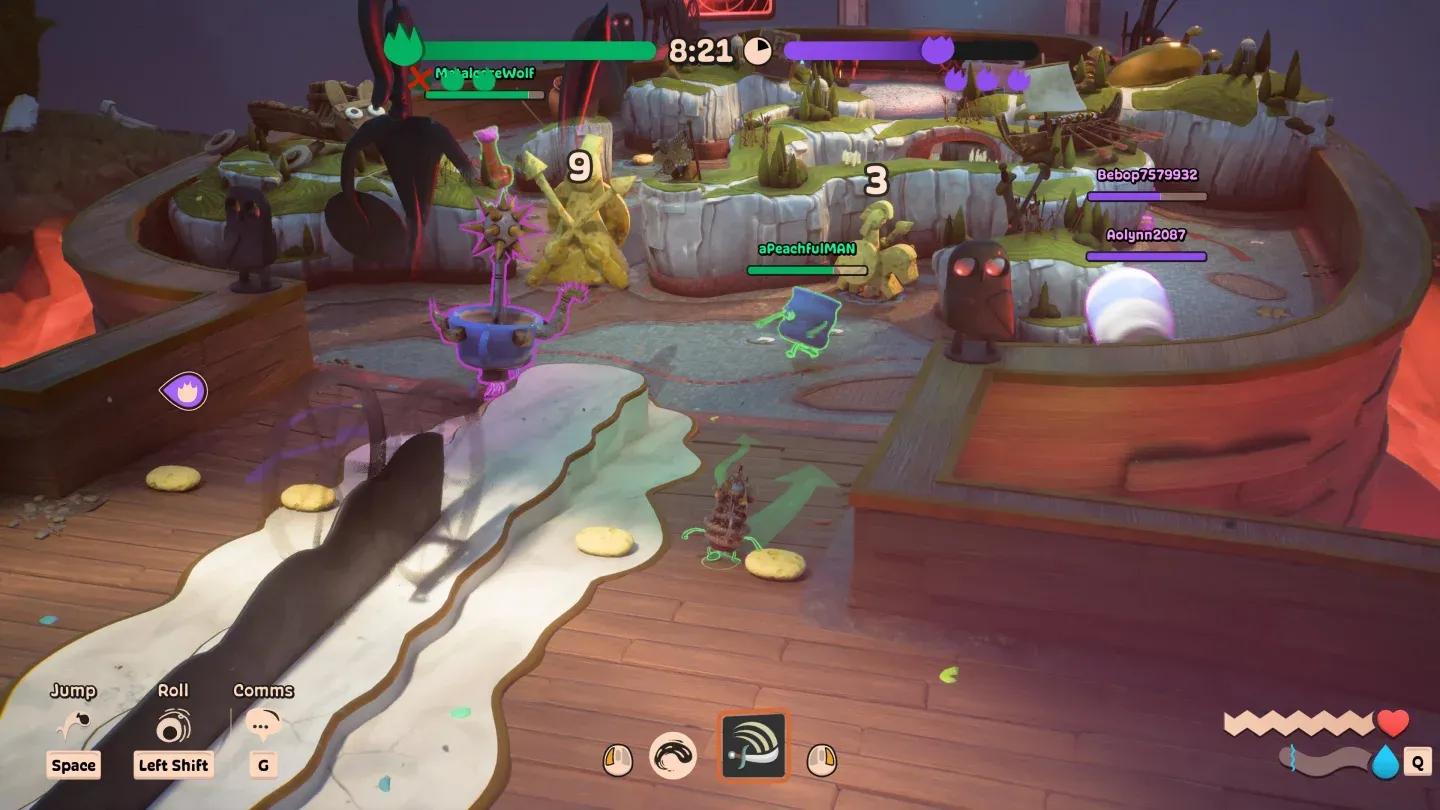
Lobby doubles as a pottery studio
Understanding vessel size: what should you build first?
For new players, the instinct is often to go big. A large vessel hits harder, and in a brawl that feels like the right call. The tradeoff is mobility. Large vessels roll slowly, which makes them easier to dodge and harder to reposition during chaotic team fights.
Smaller vessels are faster and harder to pin down, but they rely more on timing and positioning to deal meaningful damage. After testing both extremes in early matches, the most forgiving shape for beginners sits somewhere in the middle: a medium-height vessel with a stable base that doesn't sacrifice too much speed for power.
Here's a quick comparison based on how different vessel sizes perform in practice:
| Vessel Size | Speed | Striking Power | Best For |
|---|---|---|---|
| Large (wide vase) | Slow | High | Aggressive frontline play |
| Medium (balanced jug) | Moderate | Moderate | Beginners, flexible roles |
| Small (narrow pot) | Fast | Lower | Flanking, hit-and-run tactics |
How does the pottery creation process actually work?
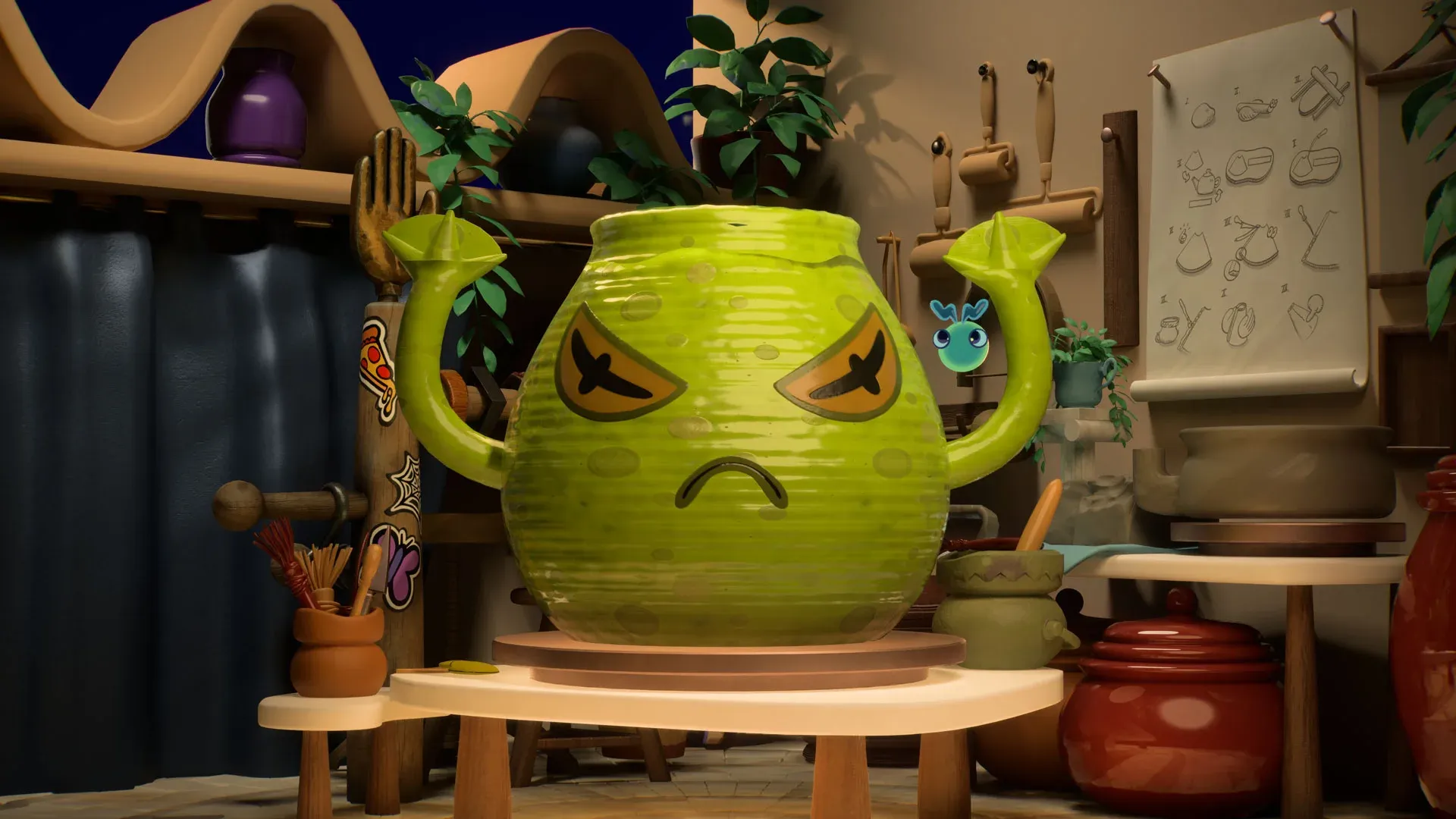
Double Fine's team took pottery classes during development specifically so the creation system would feel grounded. Lead designer Lauren Scott noted that the real craft is counterintuitive: you press the clay to make it rise rather than pulling it up, and you work it up and down repeatedly to remove air bubbles.
The game doesn't ask you to replicate that process exactly. The team had to push away from hyper-realism toward what people imagine pottery throwing looks like. The result is a system that feels tactile and expressive without requiring any actual ceramic knowledge.
You start with a blob of clay and shape it through the game's creation tools. The shapes you can produce range from squat jugs to tall vases to wide urns, and each one feeds back into your combat stats.
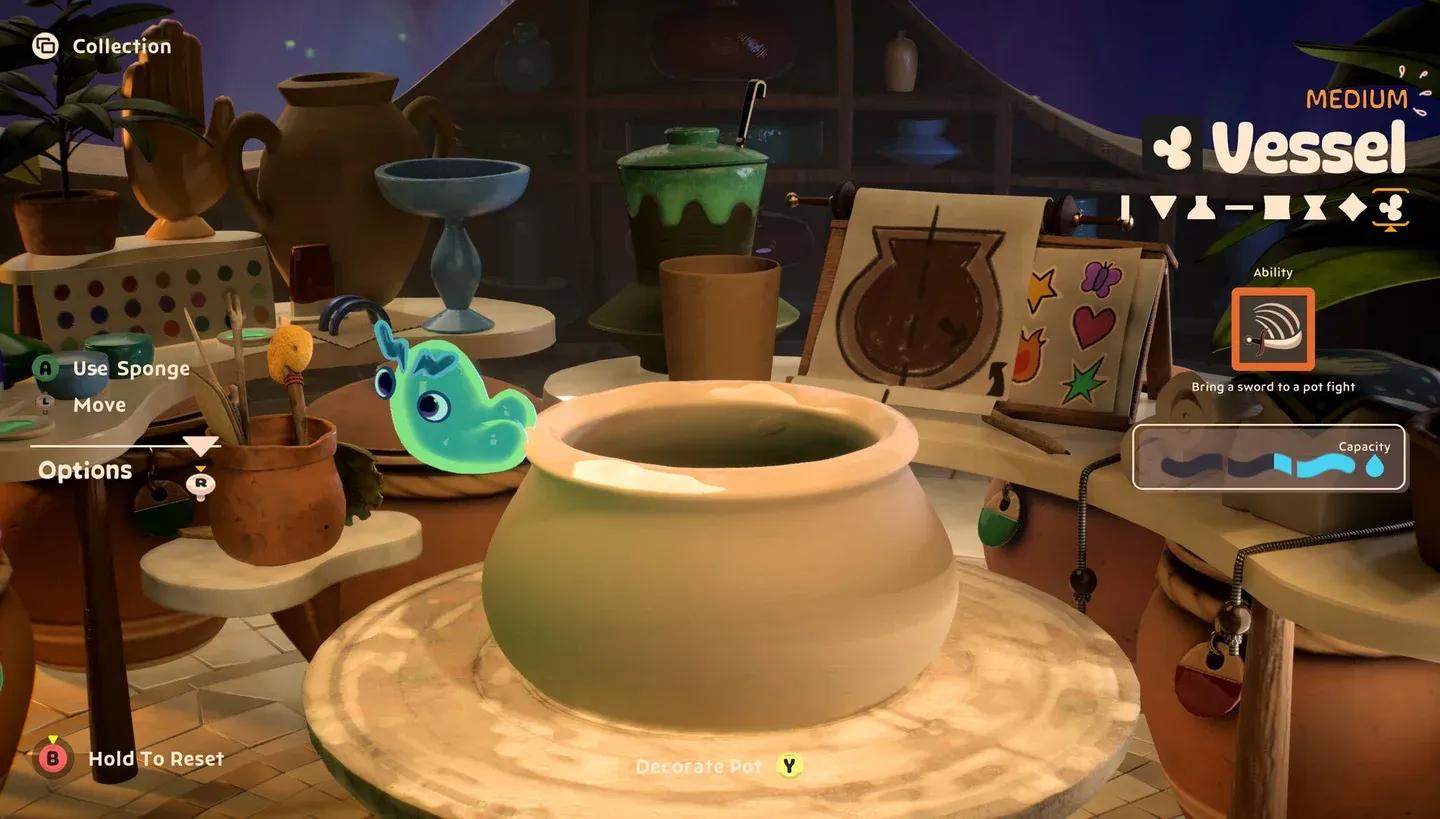
Clay shaping feeds into combat stats
What makes Kiln's maps worth learning?
Kiln has a relatively small number of maps, but each one contains enough variety to keep matches from feeling repetitive. The environments draw from mythological settings, giving each arena a distinct visual identity that also affects how different vessel sizes perform.
Spend time learning which maps favor large slow vessels versus fast small ones. That knowledge pays off when you're deciding what to build in the lobby before a match.
Tips for your first few matches
Here's what actually helps when you're starting out:
- Shape before you strategize. Your vessel shape is your build. Treat the pottery creation phase like a loadout screen, not a cosmetic step.
- Coordinate with teammates. Because vessel shapes fill different roles, a team of all large slow vessels is predictable. Mix sizes.
- Share pots in the lobby. The sharing mechanic exists for a reason. Looking at what teammates have built tells you what roles are covered before the match starts.
- Learn the map first. Kiln's arenas have enough variation that your vessel might perform very differently depending on the layout. A fast small pot on an open map is very different from the same pot in a cramped arena.
- Don't overthink the creation phase early on. The game is designed to be approachable and barely requires a tutorial. Get in, make something, and adjust based on what you learn.
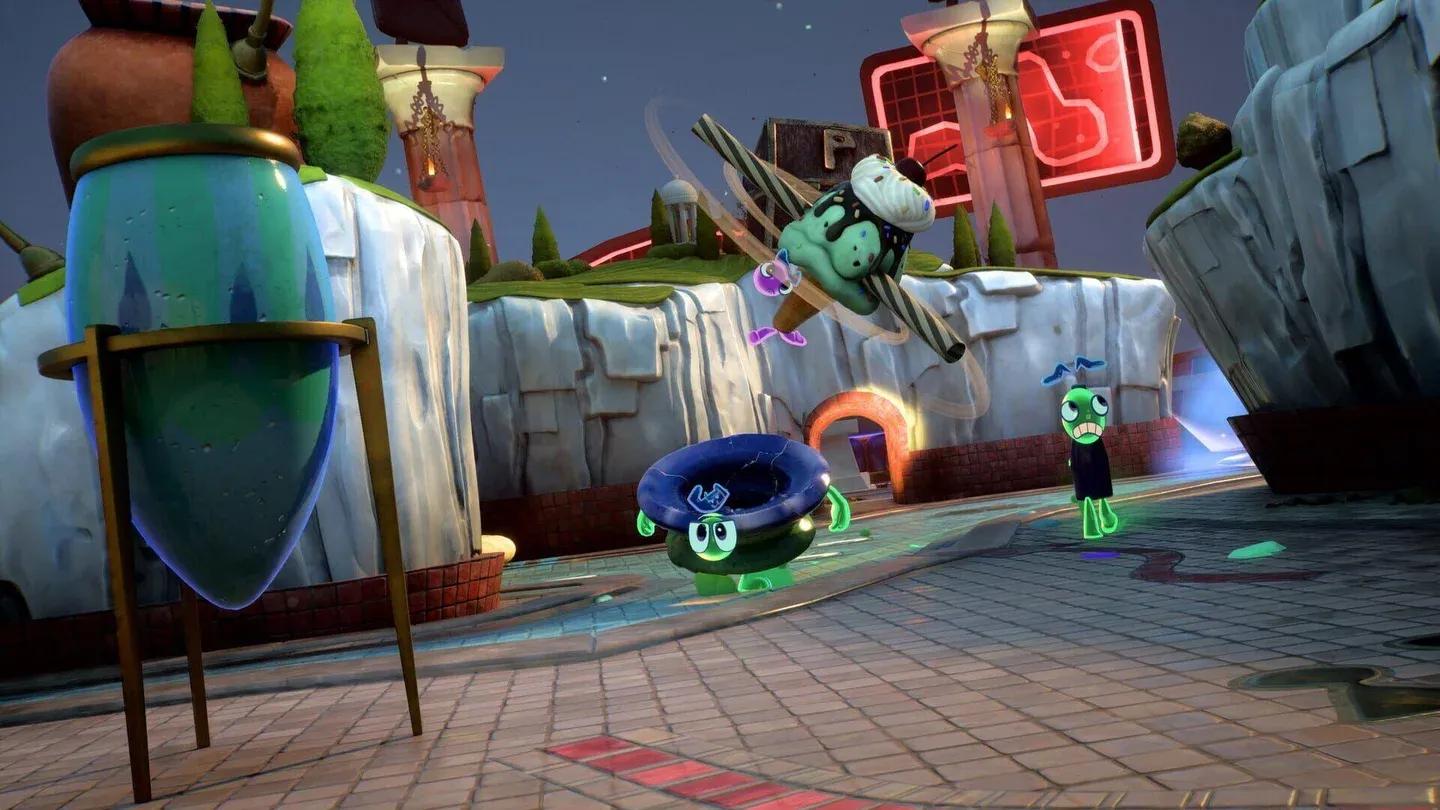
Team fights reward mixed vessel sizes
Why does Double Fine's approach matter for how you play?
Understanding where Kiln comes from helps you play it better. Project lead Derek Brand originally pitched the game in 2017 during Double Fine's internal game jam called Amnesia Fortnight, where any staff member can pitch an idea. The concept was always about catharsis on both sides: the satisfaction of making something and the satisfaction of destroying it.
That philosophy is baked into the design. You're not just fighting with a generic character. You built the thing you're fighting with, which means losing feels different and winning feels more personal. Lean into that.
For more guides covering the latest releases, browse the full guides section at GAMES.GG to stay current on what's worth playing and how to get better at it.