Overview
Knights of the Crusades, released on September 6, 2025, is a PC strategy game from Reverie World Studios that blends real-time strategy with city-building and sandbox mechanics. The setting is the First Crusades, and the scope is genuinely broad: players start as a humble knight and work toward establishing a world-spanning holy order. That progression arc from individual soldier to institutional founder gives the game a sense of scale that most RTS titles don't attempt.
The campaign starts in Western Europe and pushes east toward the Holy Land, following the historical path of the First Crusade. After the main campaign concludes, the game opens into a sandbox mode where capturing territories, building alliances, and managing rival factions becomes the primary loop. Muslim, Slavic, and Christian AI factions all compete for regional control, and the balance of power shifts depending on player decisions.
Reverie World Studios has a history with medieval strategy, and that experience shows in how Knights of the Crusades handles its economy. Silver and piety function as the two core resources, and managing both simultaneously creates real tension. Armies need silver; legitimacy and expansion require piety. Letting either slip can trigger cascading problems, including excommunication events that cut off piety generation entirely.
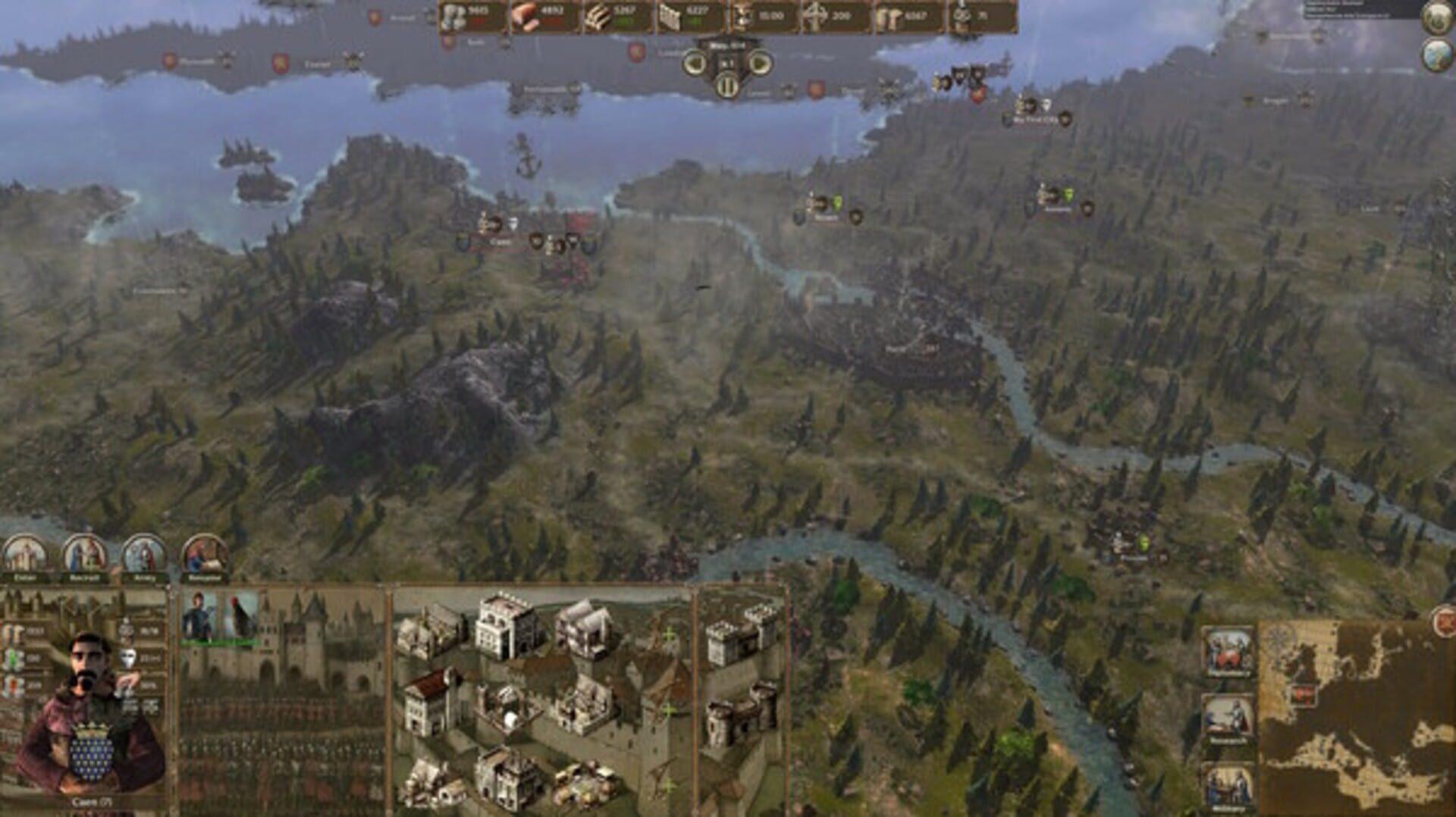
Gameplay and mechanics: how does the strategy actually work?
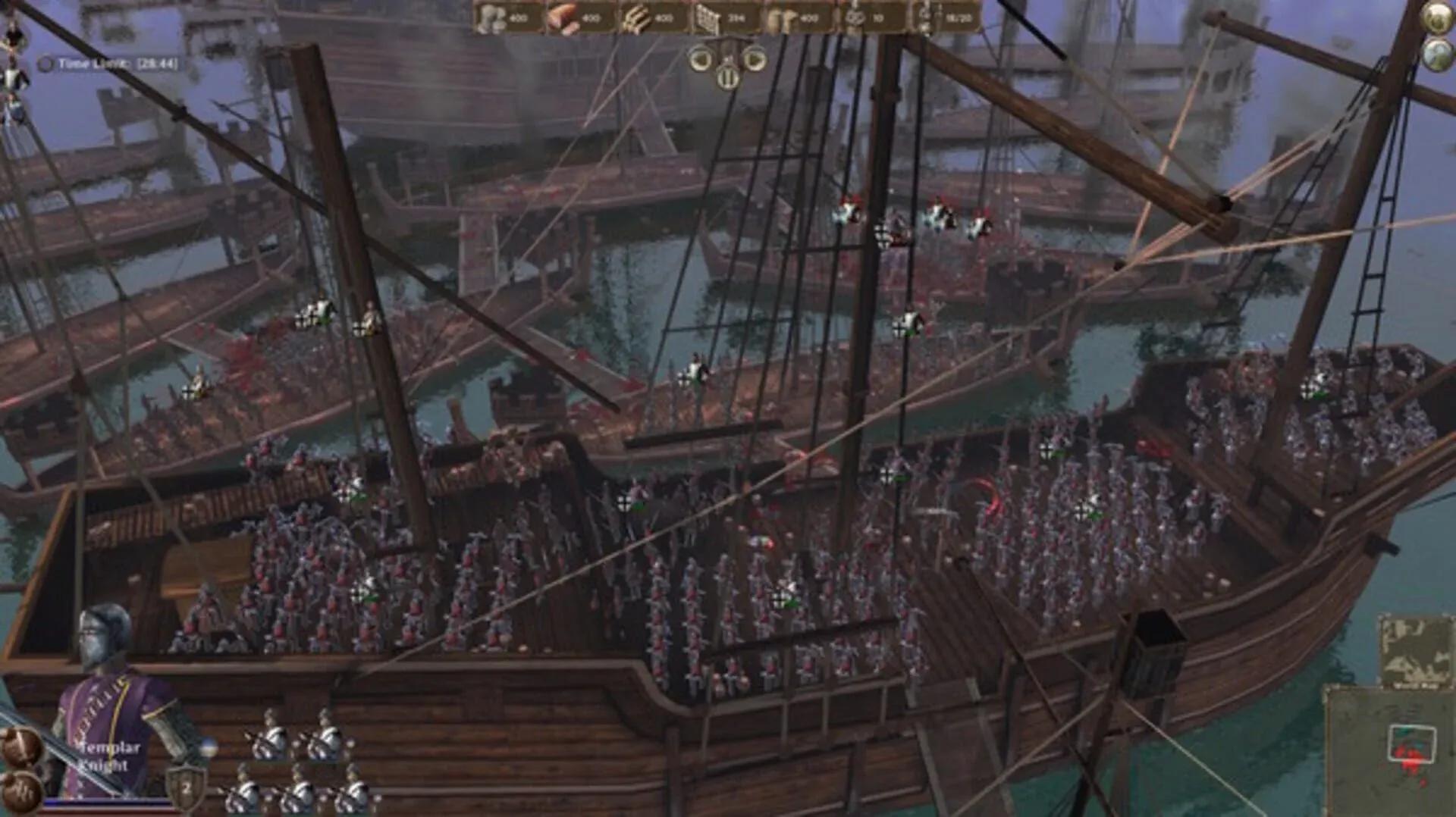
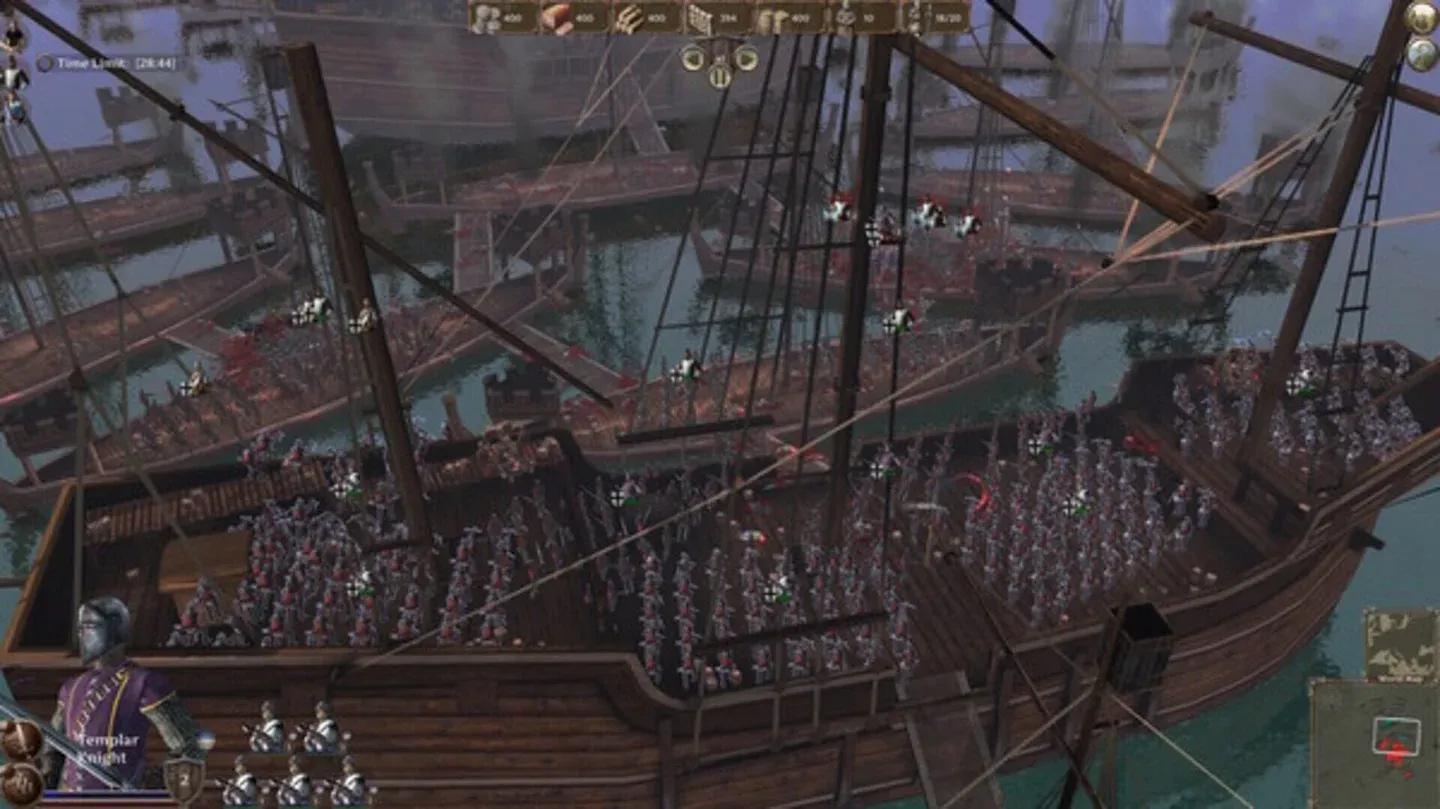
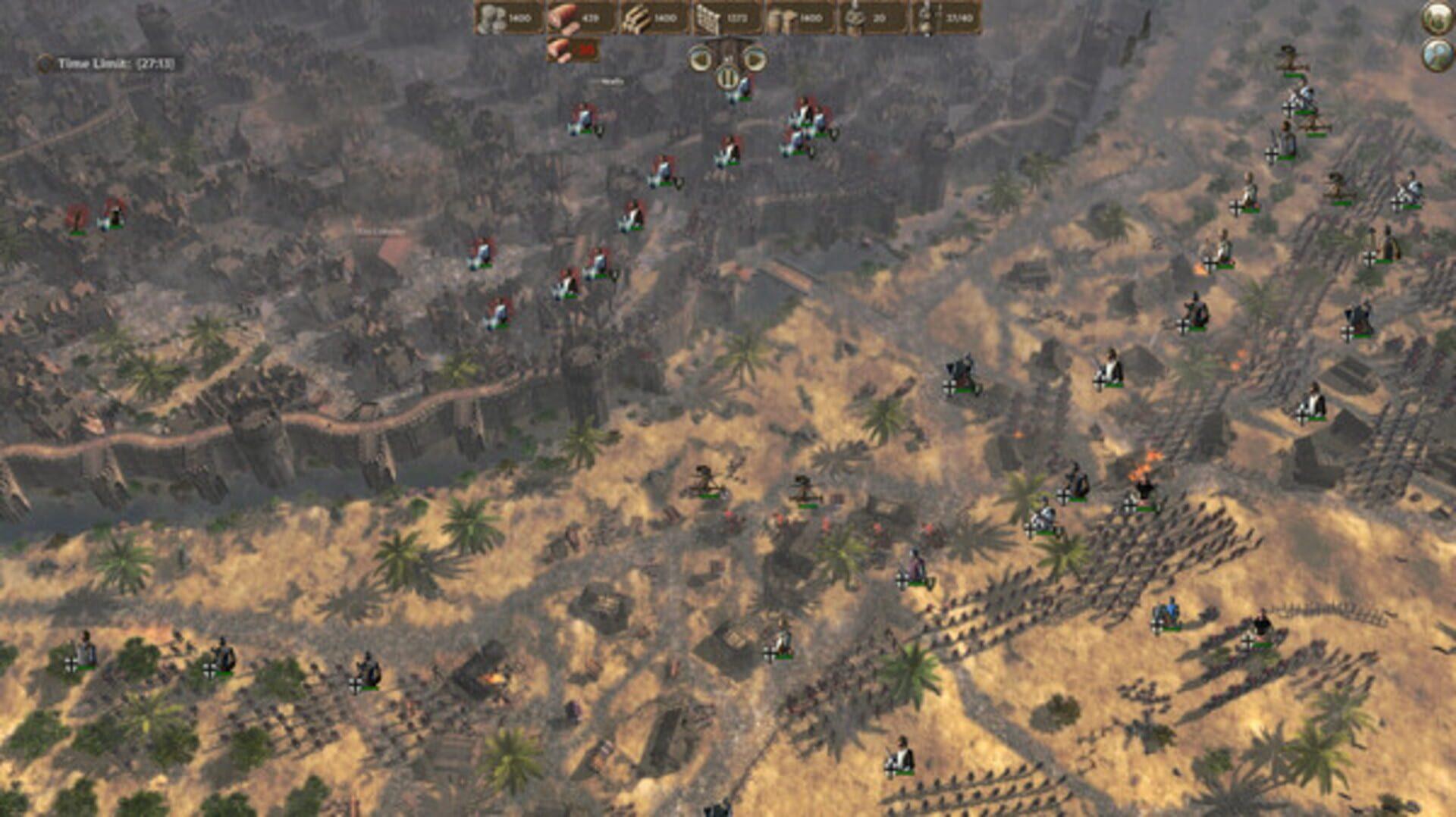
Knights of the Crusades operates across two distinct modes. The World Map handles diplomacy, resource management, hamlet development, and faction interactions at a macro level. The RTS layer kicks in for direct combat, sieges, and naval battles, putting players in direct control of unit formations and battlefield tactics.
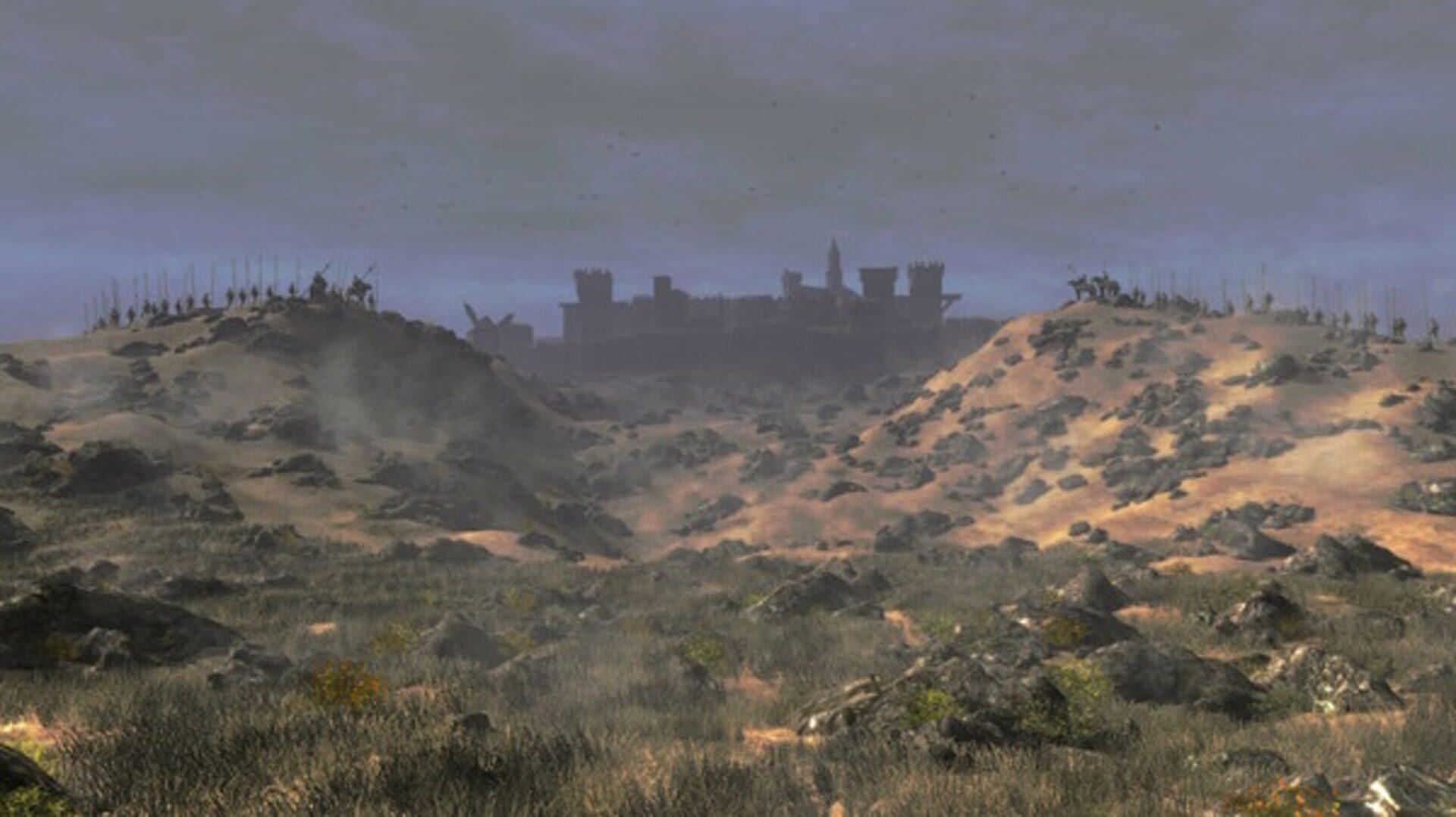
Key mechanics include:
- Hamlet capture and development with dozens of buildable structures
- Dual-resource economy balancing silver and piety
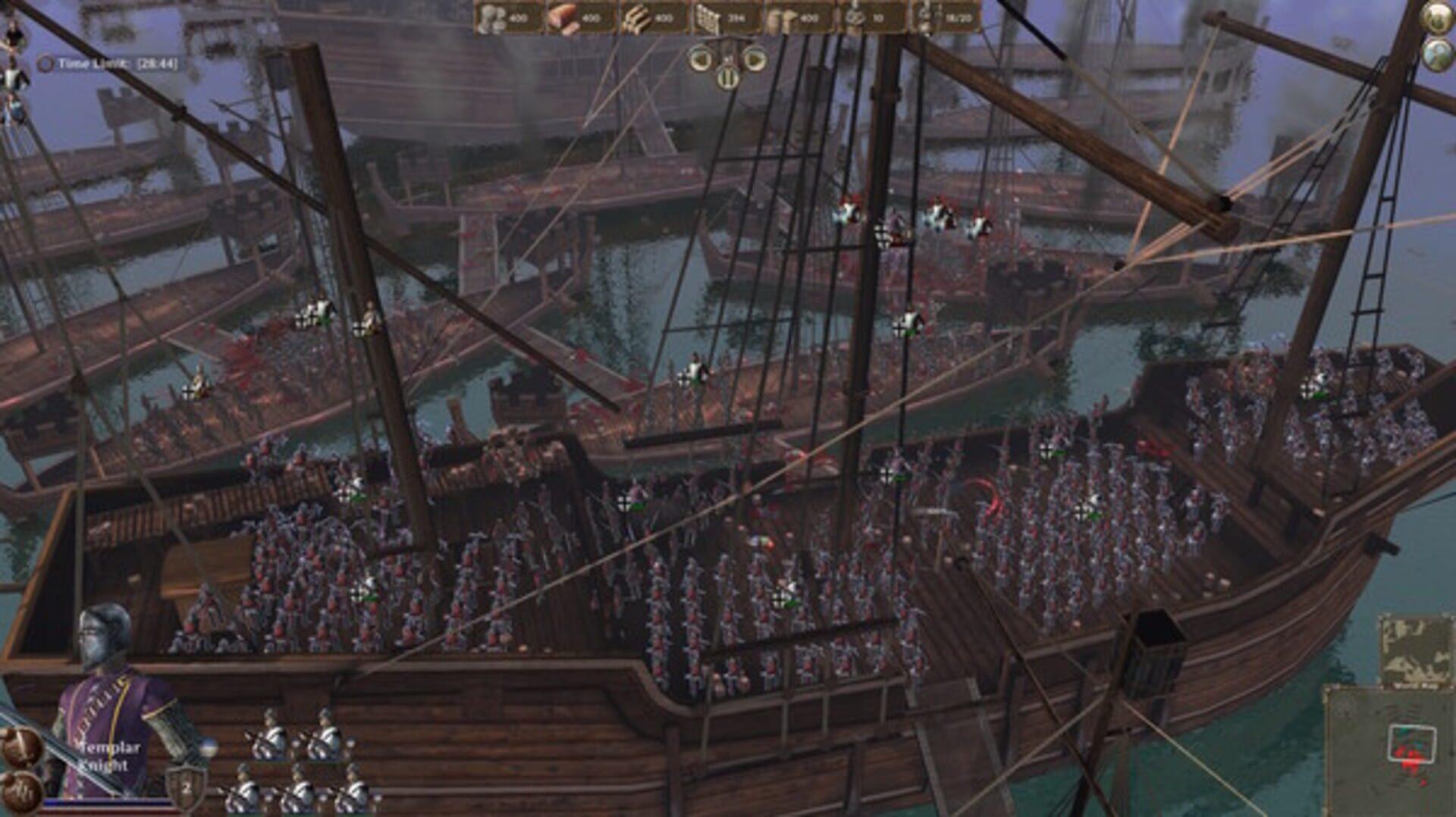
- Land and naval RTS combat against AI armies
- Scripted historical scenarios during the main campaign
- Diplomacy and alliance-building in sandbox mode
The city-building layer isn't cosmetic. Hamlets need specific structures to generate resources, support armies, and resist sieges. Choosing what to build and when is a meaningful decision, especially early in a campaign when resources are tight and threats are constant.
What historical events does the game cover?
The game covers several named historical conflicts and events. The Reconquista in Spain, the defense of Edessa, and campaigns across North Africa and Eastern Europe all appear as scenarios or sandbox regions. Pilgrim routes cross the map and function as both narrative connectors and strategic objectives.
These aren't just backdrop settings. The scripted scenarios are built around the actual pressures of those historical moments, so defending Edessa means managing the same geographic chokepoints and political pressures that defined the real conflict. The sandbox mode then lets players take those same factions and territories in entirely different directions.
Content and replayability
The transition from scripted campaign to open sandbox is where Knights of the Crusades earns its replay value. The main campaign establishes the holy order's founding, but the sandbox removes the guardrails entirely. Escalating enemy aggression from multiple AI factions, dynamic events like naval battles and faction wars, and the option to play as either the historical Templars or a custom holy order all give players reasons to run multiple playthroughs.
The piety-driven resource system also creates different strategic pressures depending on how aggressively players expand. A cautious diplomatic approach plays out very differently from an expansionist military campaign, and the AI factions respond accordingly.
Conclusion
Knights of the Crusades delivers a genuinely layered medieval strategy experience, combining real-time tactics with city-building depth and sandbox-scale ambition. The dual-resource economy, historical scenario design, and post-campaign open world give it more mechanical substance than most indie strategy releases. Players looking for a grand strategy game with direct RTS combat and a historically grounded setting have a lot to dig into here.