

KuloNiku: Bowl Up! dropped on April 7, 2026 from Gambir Studio and published by Raw Fury, and it earns every bit of its 9/10 from DualShockers. You play as a chef who has returned to the small town of KuloNiku to reopen your late grandmother's restaurant, Bakosu, and rebuild its reputation. The game blends the hands-on cooking feel of Cooking Mama with the management rhythm of Cook, Serve, Delicious and the warm character writing of Tavern Talk. The result is one of the best cozy games released this year.
What kind of game is KuloNiku: Bowl Up!?
KuloNiku: Bowl Up! is a single-player cooking and management simulator available on PC (Steam Deck Verified). The story runs about 10 hours, but the game is designed to be played well beyond that. The narrative exists as background context rather than the main attraction. Your grandmother's food built a legacy in this town, and a few residents are quick to remind you of that pressure. That setup gives you a reason to care, then steps aside so the cooking and community can take over.
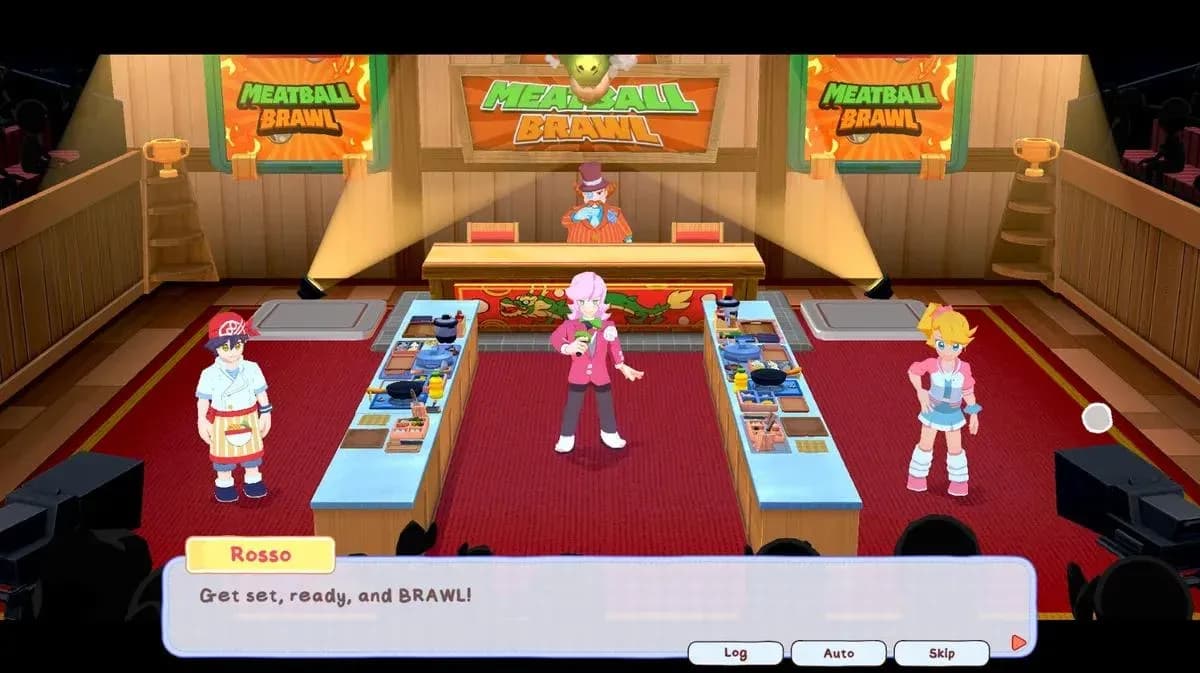
Customize Bakosu to your taste


How do the cooking mechanics work?
The core cooking loop in KuloNiku: Bowl Up! is built on a simple foundation that customer orders layer on top of. When you go through the tutorial, especially the section covering Meatball Brawls, it can feel like a lot is being thrown at you. Stick with it. The actual moment-to-moment cooking is straightforward once you are in the kitchen.
Customer orders evolve as you expand your ingredient list. New ingredients come from Ume's shop, which refreshes its stock every Friday in-game. After closing Bakosu for the night, you can head to Ume's before ending the day. The first purchase worth prioritizing is extra bowls. The in-game item description even calls this out directly: opening a soup restaurant with only 2 bowls means constant washing between customers. More bowls mean more breathing room during a busy service.
Beyond ingredients and tools, Ume's also stocks decorations and furniture for Bakosu. These do not affect the cooking mechanics themselves, but they let you shape the restaurant's atmosphere to your preference. The range of options is larger than you might expect for a cozy game of this scope.
Ume's shop refreshes every Friday
What is Cozy Mode and should you use it?
Cozy Mode is an optional setting that removes customer patience timers and cooking time pressure entirely. With it off, there is a small but real amount of tension as customers wait. With it on, that pressure disappears completely and KuloNiku: Bowl Up! becomes a pure relaxation experience. After testing both settings across multiple in-game days, Cozy Mode is the better starting point for new players. It lets you learn the cooking system without the stress of a ticking clock.
The tradeoff is that time becomes invisible. It is easy to lose track of how long you have been playing, which is either a feature or a bug depending on your schedule.
How do Meatball Brawls work?
On Mondays and Thursdays, you can travel to the studio via the bus and enter a Meatball Brawl. These are cooking competitions where you try to impress a panel of judges by cooking dishes that match their tastes, using that session's bonus ingredients, and earning points from the audience watching.
Each Brawl gives you a limited number of actions per turn and a limited number of turns total, so every decision counts. Here is how to approach scoring efficiently:
- Prioritize judge tastes above everything else. Points from matching judge preferences outweigh audience points by a significant margin.
- Use the bonus ingredients. Each Brawl session highlights specific bonus ingredients. Working these into your dishes adds meaningful points.
- Audience points are secondary. They contribute to your score, but chasing them at the cost of judge satisfaction is not worth the action economy.
The tutorial covers all of this clearly. Pay attention to it and you will win consistently.
Who are the key NPCs in KuloNiku?
The town of KuloNiku has a cast of characters you meet through running Bakosu, competing in Brawls, and talking to people on the sidewalk after closing time. Talking to NPCs on the sidewalk at the end of the day increases your friendship with them, which adds a community-building layer that fits the game's tone well.
Stella is the standout NPC. She is your main competitor in the Meatball Brawl circuit and has a tsundere personality that softens quickly once you spend time around her. Her attitude toward you is partly rooted in her deep admiration for your grandmother, which the game makes clear early on. She is the most competitive and the most interesting character in the roster.
Mami is the NPC who explains the Meatball Brawl rules during the tutorial.
The source material notes that some NPC personalities lean into visual novel archetypes, which may not land for every player. That is a fair observation. The characters who work, though, are genuinely endearing.
| NPC | Role | How You Meet Them |
|---|---|---|
| Stella | Main rival, Brawl competitor | Meatball Brawl circuit |
| Mami | Meatball Brawl explainer | Tutorial / Brawl studio |
| Ume | Shop owner | Visiting the shop after closing |
| Various residents | Friendship building | Sidewalk conversations after hours |
Stella warms up eventually
Quick tips for running Bakosu efficiently
- Buy bowls first from Ume's shop. The game's own item description tells you this, and it is correct.
- Check Ume's every Friday after closing. New stock unlocks new recipes that customers can order, expanding variety.
- Listen to the Meatball Brawl tutorial carefully. The scoring system seems complex at first but becomes intuitive fast.
- Talk to NPCs on the sidewalk after hours. Friendship progression adds depth to the community feel without requiring extra effort.
- Use Cozy Mode if you want to focus on learning the cooking system without time pressure.
- Focus on judge tastes in Brawls, not audience points. The score difference is notable.
Is KuloNiku: Bowl Up! worth playing?
For fans of cozy cooking games, yes. DualShockers awarded it 9/10, reviewed on PC. The game earns that score through a cooking system that stays accessible without becoming boring, a Meatball Brawl mode that adds just enough competitive tension, and a sound design that makes the act of cooking feel rewarding on a tactile level. The main story wraps up in around 10 hours, but the game is built for sessions beyond that.
The weaknesses are minor. Some NPC archetypes feel borrowed from visual novel conventions, and there is currently no way to interact with NPCs outside of sidewalk encounters and Brawl sessions (no in-game smartphone or messaging system). Neither issue significantly affects the experience.
Gambir Studio has built something worth returning to. For more cozy games and cooking sim recommendations, browse more guides at GAMES.GG to find your next obsession.