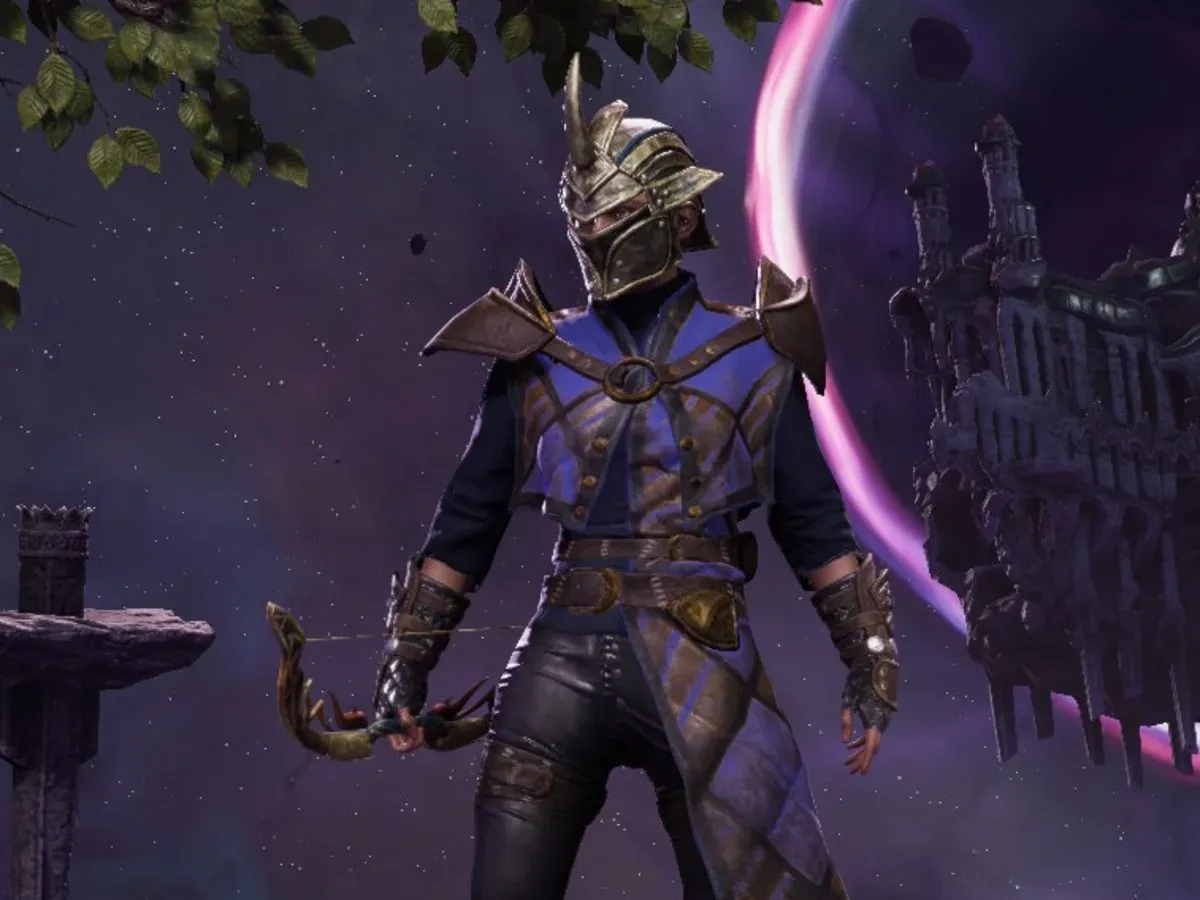


The Bladedancer is one of Last Epoch's most rewarding Rogue masteries to play. You're fast, you hit hard, and when the build clicks, entire packs dissolve before they can react. The class sits at A-Tier in most current meta assessments, with specific setups like Shadow Daggers and Dancing Strikes pushing into S-Tier for melee content. This guide breaks down the skills that matter, how to gear for corruption pushing, and what separates a functional Bladedancer from a great one.
What makes the Bladedancer worth playing?
The Bladedancer ascends from the Rogue base class and specializes in shadow manipulation, rapid melee strikes, and evasion-based defense. Unlike tankier masteries, survival here comes from not getting hit in the first place. You generate shadows, teleport through enemies, and proc damage through clones and echo effects. The skill ceiling is real, but the payoff at high corruption is worth it.
According to build data aggregated on Last Epoch Tools, over 80 Bladedancer builds have been catalogued across all seasons, with Shift appearing in 82.5% of them, Synchronized Strike in 75%, and Umbral Blades in 72.5%. Those three skills form the backbone of nearly every viable setup.
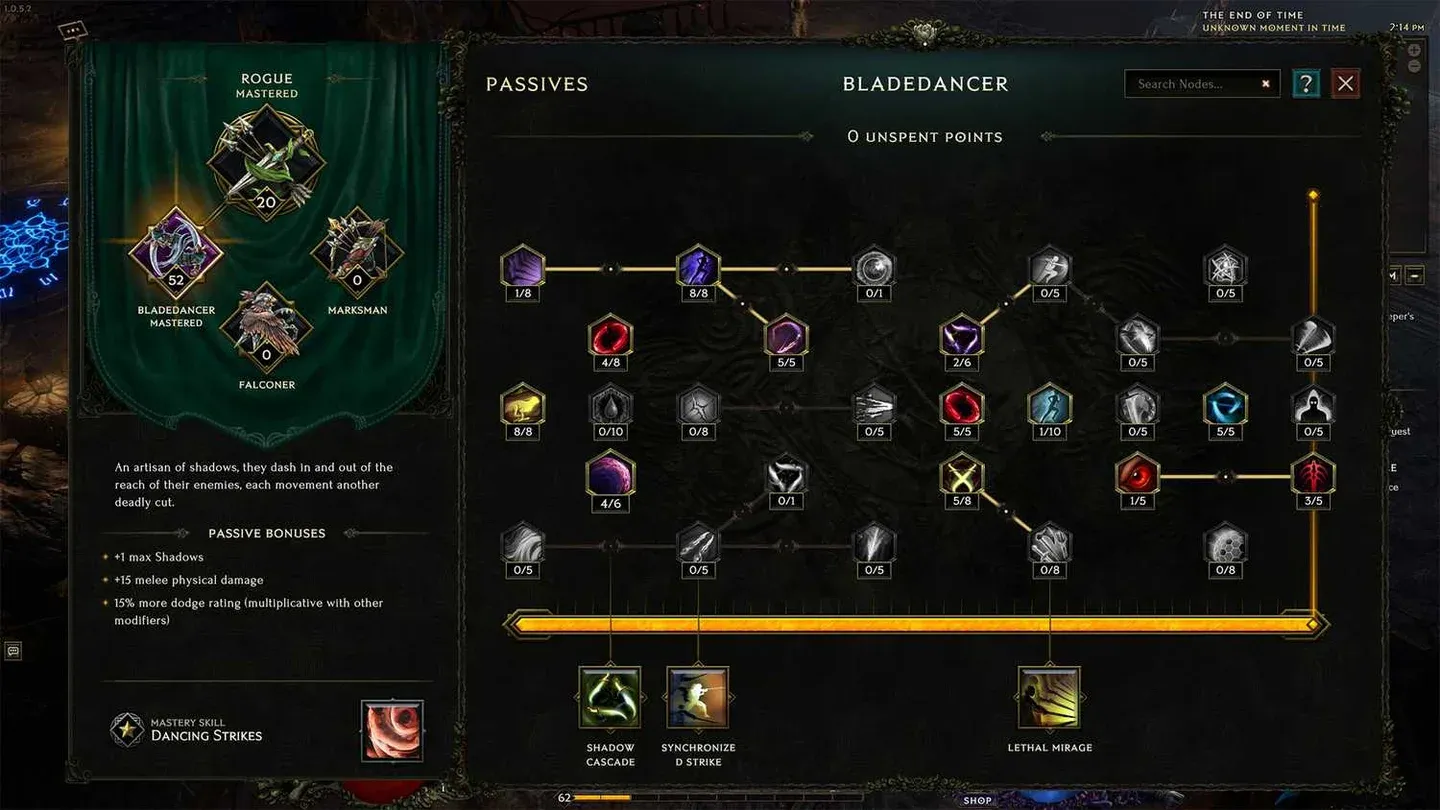
Bladedancer passive tree layout
Core skills every Bladedancer build uses
Shift
Shift is your primary mobility tool and appears in the vast majority of Bladedancer builds for good reason. It teleports you through enemies, deals damage on exit, and generates shadows depending on your spec. Most builds invest heavily into the shadow generation nodes here because shadows feed into both your damage and defensive layers.
Synchronized Strike
Synchronized Strike calls your shadow clones to strike alongside you, multiplying your damage output. The skill scales well with both physical and shadow damage, making it flexible across different build directions. Nodes that increase the number of clones or add ailment application are consistently popular.
Umbral Blades
Umbral Blades launches spectral daggers that apply Shadow Daggers, a stacking debuff that functions similarly to a bleed. The skill handles most of your AoE clearing and is the centerpiece of the Shadow Daggers build variant. If you're pushing into endgame Monolith content, this skill's debuff uptime becomes one of your primary damage levers.
For a detailed breakdown of how Shadow Daggers interact with the full skill tree, the Shadow Daggers Bladedancer Build Guide on Maxroll covers passive node choices, gear priorities, and blessing selections through Patch 1.1.
Smoke Bomb
Smoke Bomb appears in 66.3% of tracked builds and serves double duty: it generates shadows for your damage engine while providing a dodge buff that keeps you alive during dangerous boss phases. Most endgame builds treat it as a mandatory cooldown rather than an optional utility pick.
Shadow Cascade
Shadow Cascade is the second most common damage skill after Umbral Blades, appearing in about 51% of builds. It deals AoE shadow damage in a cone and has strong synergy with shadow generation nodes. Multiple Season 3 guides specifically built around Shadow Cascade as the primary clear skill, including starter-friendly versions that work well from early Monolith through 300+ corruption.
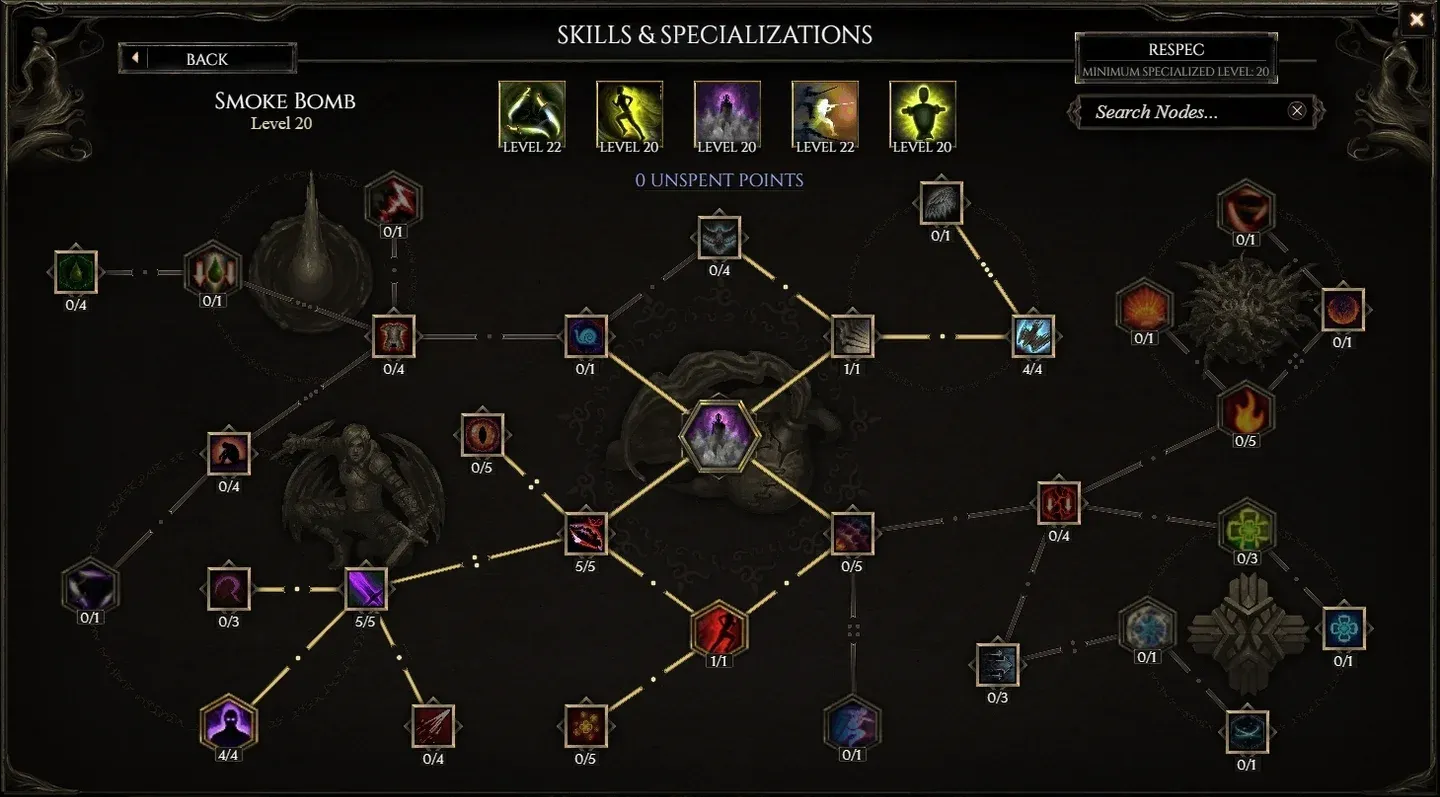
Shadow Cascade ability spec
What are the best Bladedancer build variants?
There are four main directions the Bladedancer can go, each with different strengths and gear requirements.
Shadow Daggers Bladedancer
This is the most commonly recommended build for players transitioning from campaign into endgame. The Shadow Daggers debuff stacks quickly, the playstyle is mobile without being chaotic, and gear requirements are manageable early on. It also appears on the beginner-friendly list from multiple community sources, which means clear guides and leveling paths exist in abundance.
The Maxroll guide for this variant lists specific passive node priorities and unique item targets. Check the official Last Epoch Wiki entry for Bladedancer for the full list of mastery-exclusive skills and their base values.
Infinite Shadow Loop (Shadow Cascade + Shadow Rend)
This variant, popularized by builders like Max Pita during Season 4's Shattered Omens cycle, aims to maintain permanent shadow generation through a feedback loop between Shadow Rend and Shadow Cascade. When it works, you're essentially casting Shadow Cascade indefinitely while Shadow Rend procs handle trash. The build is satisfying to pilot but requires specific passive node investments to sustain the loop reliably.
Dancing Strikes Bladedancer
Dancing Strikes remains viable deep into Season 4 according to guides published in March 2026. It's the most forgiving of the four variants because the skill handles its own targeting and the damage scales naturally with attack speed. A bleed variant using Dancing Strikes was documented pushing 400+ corruption in Hardcore mode during Season 3, which speaks to its defensive ceiling when properly specced.
Lethal Mirage Bladedancer
Lethal Mirage is the highest-ceiling option and the most demanding to execute. Hachadino's Season 2 guide documented 1100+ corruption clears and Uber Aberroth progression with this setup. The build relies on precise timing of your mirage procs and demands good knowledge of boss mechanics to avoid burst damage windows. Not recommended as a first Bladedancer build.
Key unique items for Bladedancer builds
Unique items appear across build data with clear frequency patterns. The following items show up in at least 15% of tracked Bladedancer builds:
- Siphon of Anguish (23.8%) — the single most common unique, providing sustain through health on shadow generation
- Traitor's Tongue (22.5%) — strong for builds that generate shadows frequently
- Shattered Chains (21.3%) — movement speed and dodge, core to evasion-focused builds
- Gambit of an Erased Rogue (18.8%) — popular in Season 2 and 3 builds
- Nihilis (17.5%) — scales well with shadow damage variants
- Black Blade of Chaos (17.5%) — consistent pick for physical/shadow hybrid setups
- Julra's Stardial (17.5%) — temporal mechanics that benefit proc-heavy builds
How to progress from 100 to 300+ corruption?
The jump from early Monolith into mid-tier corruption is where most Bladedancer players stall. Based on documented build progressions, the main bottlenecks are shadow generation consistency and single-target damage against timeline bosses.
Here's the general progression path:
- Campaign to Monolith entry: Use Shadow Cascade as your primary clear skill. It requires no unique items to function and handles packs efficiently.
- 100 to 200 corruption: Start building toward your target unique items. Siphon of Anguish and Shattered Chains are your priority pickups. Spec Smoke Bomb for maximum dodge uptime.
- 200 to 300 corruption: Your passive tree should be largely complete by this point. Focus on idol slots and blessings that amplify your primary damage type.
- 300+ corruption: Gear quality becomes the limiting factor. Look for high-roll affixes on your weapons and focus on crit multiplier if your build uses critical strikes.
Passive tree priorities
The Bladedancer passive tree has three main clusters worth understanding:
Shadow generation nodes feed your damage engine and should be your first priority regardless of build variant. Without consistent shadows, skills like Umbral Blades and Shadow Cascade lose significant damage output.
Evasion and dodge nodes replace traditional armor mitigation. The Bladedancer's defensive identity is built around not getting hit, so investing in dodge rating and evasion scaling early prevents the frustrating experience of dying to random hits while your damage is still ramping up.
Crit nodes are relevant for Lethal Mirage and Shadow Daggers variants but less important for Dancing Strikes builds. Don't over-invest here until your shadow generation and evasion foundations are solid.
For the complete list of Bladedancer-exclusive passive nodes and their scaling values, the Last Epoch Wiki's Bladedancer page is the most reliable reference.
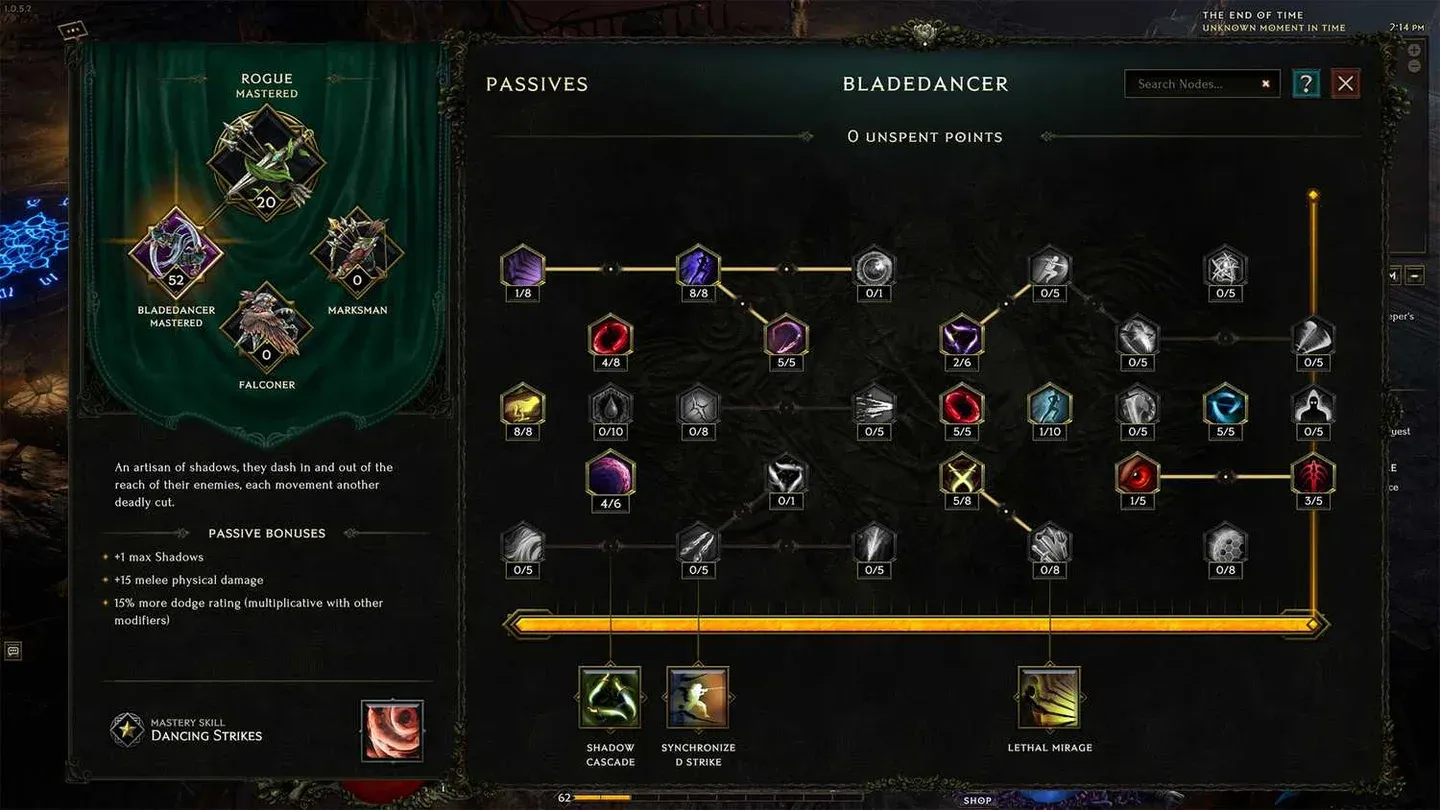
Evasion node cluster detail
Season 4 Shattered Omens changes
Season 4 introduced the Shattered Omens cycle, and Bladedancer received attention from the community almost immediately. Build creators like Max Pita published multiple new guides in March 2026 covering a Fire Bladedancer variant using Kuson mechanics, an 8-Shadows Chakram build, and updated Dancing Strikes and Shadow Loop guides. The volume of new content suggests the mastery is in a healthy spot for the current season.
The Fire Bladedancer variant is worth noting specifically because it represents a departure from the traditional shadow/physical identity. Whether it holds up at very high corruption compared to established shadow builds remains to be seen as the season matures, but early results from the creator community look promising.
For more Last Epoch guides and ARPG content, browse the latest guides on GAMES.GG to stay current as the meta develops through Season 4.