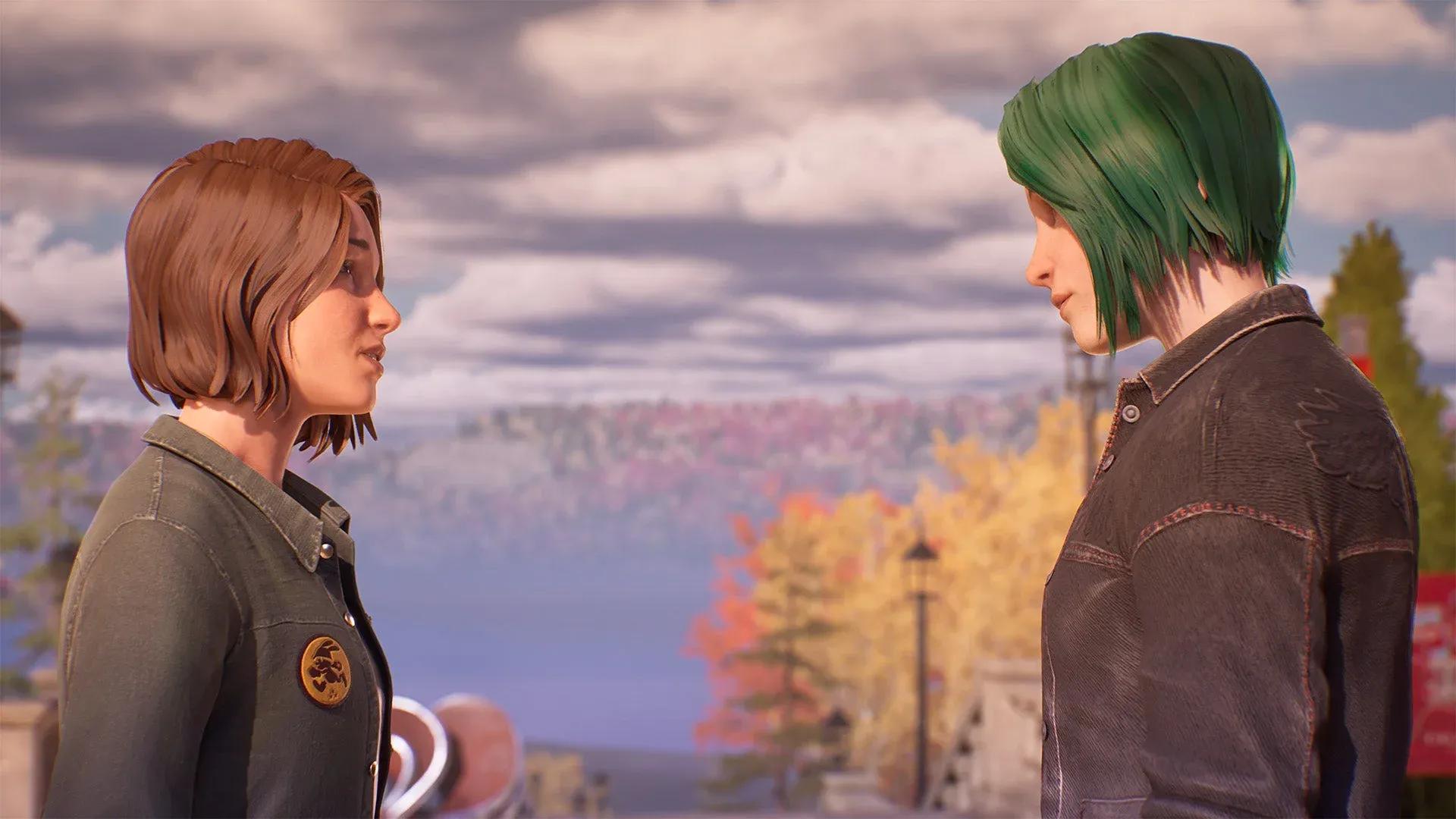


Life is Strange: Reunion brings Max Caulfield and Chloe Price back together for what developer Deck Nine has positioned as the definitive conclusion to their decade-long story. Set at Caledon University, the game layers in new mechanics on top of the franchise's familiar choice-driven format, and the big question before you hit purchase is simple: how much time are you actually committing to? The answer shifts quite a bit depending on how deep you want to go.
How long is the main story in Life is Strange: Reunion?
A focused playthrough of Life is Strange: Reunion, where you move through the story without obsessing over every optional interaction or collectible, runs 10 to 12 hours.
That window widens if you spend time talking to every side character, reading environmental details, and soaking in the world-building at Caledon University. The game rewards players who slow down, and given that this is meant to be the final chapter for Max and Chloe, rushing through it feels like the wrong call.
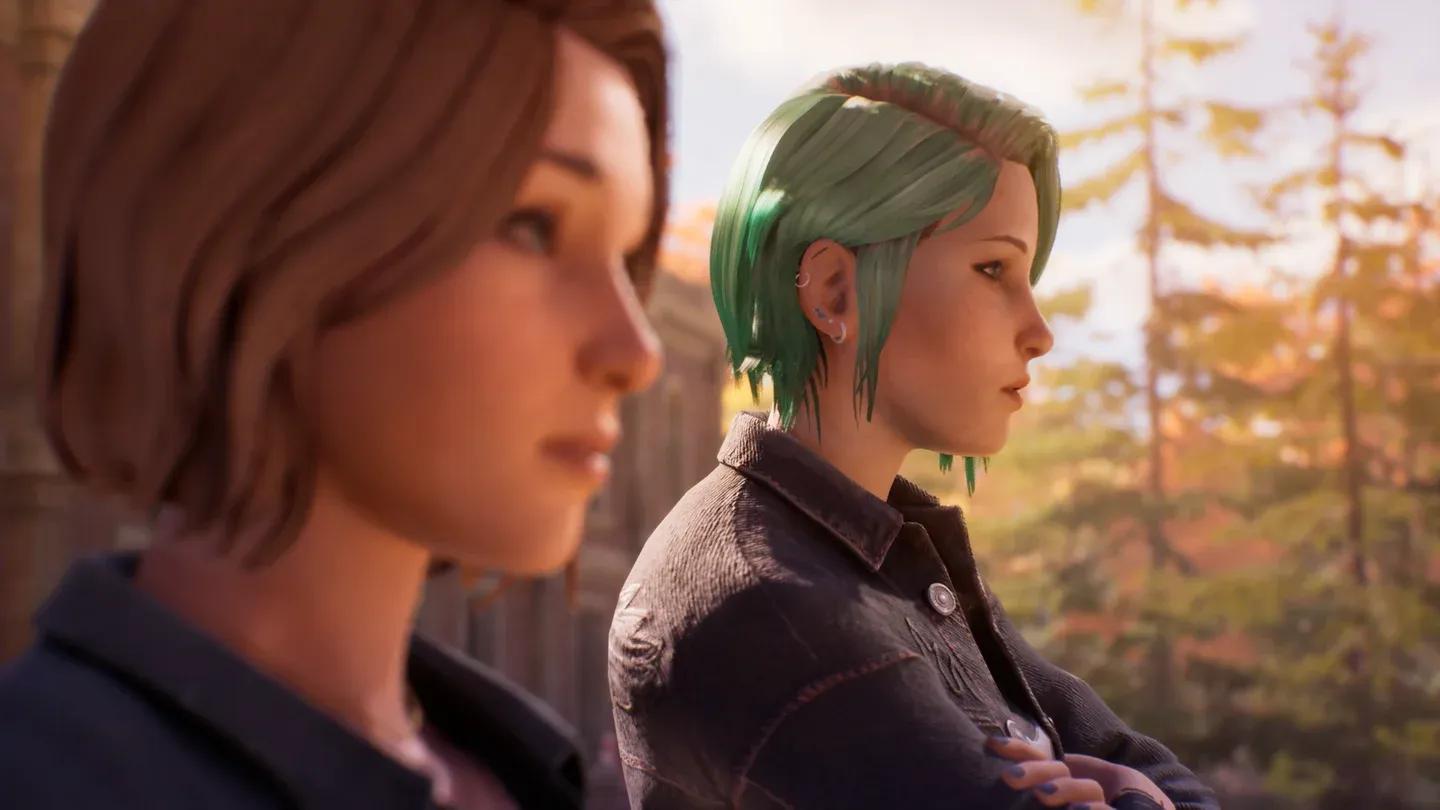
Max's rewind power in action
How many playthroughs do you need for 100% completion?
This is where the time investment jumps significantly. Life is Strange: Reunion is built around replayability in a way that makes a single run feel intentionally incomplete.
The game pulls in decisions from previous Life is Strange titles, including who Max romanced and how certain antagonists were handled. Most notably, it asks you to confirm Chloe's fate from the original 2015 game, and that single choice branches into entirely separate endings, each with their own achievements attached.
Scene Select collectible tracker
Beyond story divergence, some completion requirements are locked to a single playthrough. Winning all of Chloe's backtalk mini-games and collecting every piece of optional evidence both fall into this category. Miss them on a run and you cannot retroactively clean them up without starting fresh.
What is Scene Select and how does it help?
Scene Select is the game's built-in cleanup tool. Once you have finished a playthrough, you can jump back into any previously visited area to grab missed collectibles without replaying the entire game from scratch. Each scene even displays an icon indicating how many collectibles remain, which makes the mopping-up process far less tedious than it sounds.
For players who want to minimise total playthroughs, the practical advice is to follow a collectibles guide during your first run rather than relying on Scene Select to fix everything afterward. Scene Select handles the small stuff; it does not replace the single-playthrough-locked achievements.
Does your save history from previous games affect playtime?
Yes, and this is one of the more interesting wrinkles Reunion introduces. The game queries your history across earlier Life is Strange titles and adjusts certain scenarios accordingly. Players who have saves from the original game, Before the Storm, or Double Exposure will encounter unique dialogue and branching moments that others simply won't see.
This means two players with identical playtime can have meaningfully different experiences, and completionists who want to see every variation will need to account for that when planning their runs.
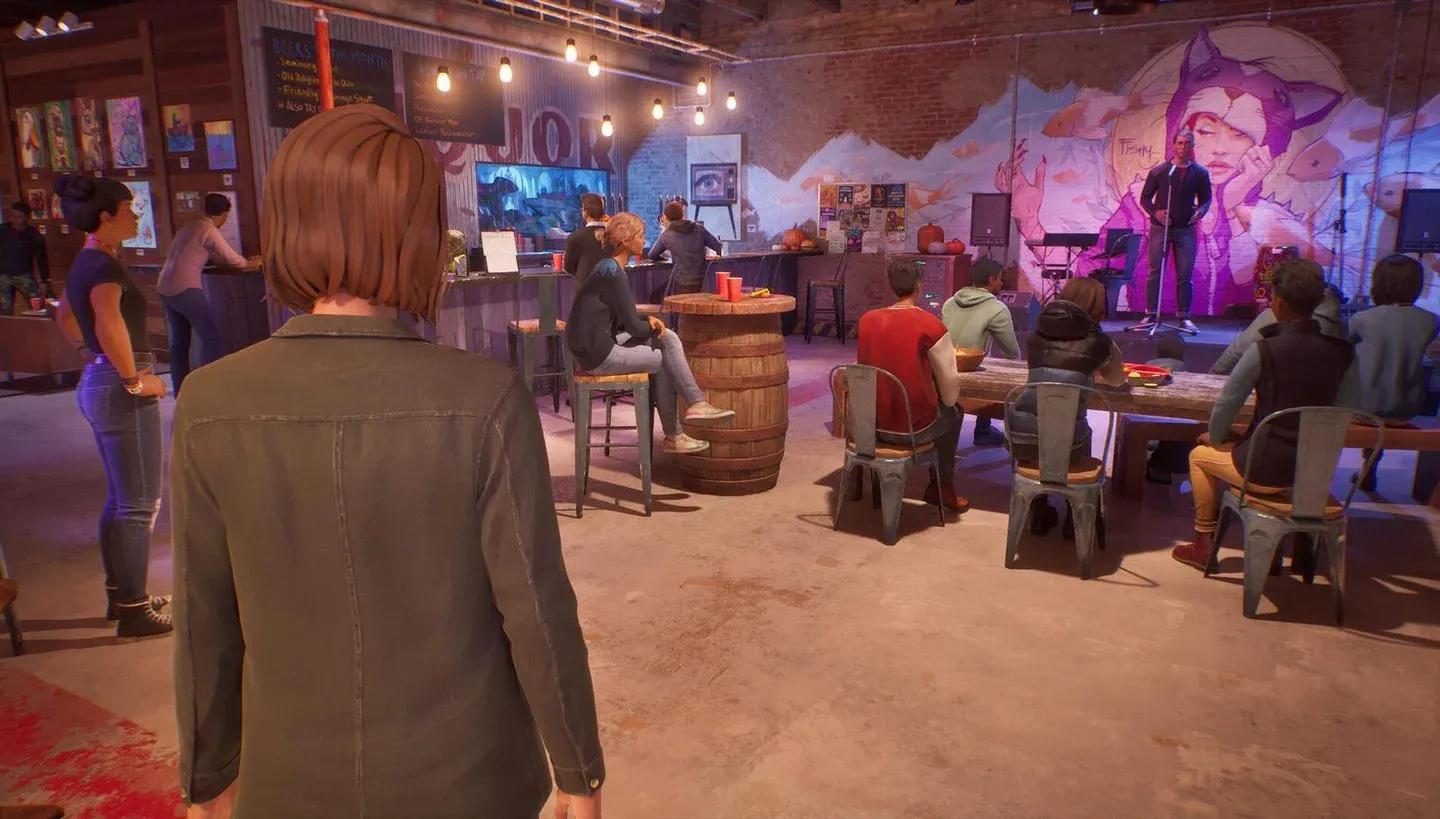
Story choice dialogue screen
Is Life is Strange: Reunion worth the time commitment?
For anyone who has followed Max and Chloe since 2015, the 10 to 12 hour main story is a reasonable ask for a series finale. The branching structure genuinely earns a second playthrough rather than just padding the clock, and the single-playthrough-locked requirements give completionists a real reason to plan carefully from the start.
The 25 to 30 hour ceiling for full completion is on the higher end for a narrative game of this type, but most of that time is spent in story content rather than grinding. If you want more guides covering Life is Strange: Reunion and other narrative titles, browse the latest guides at GAMES.GG for ongoing coverage.