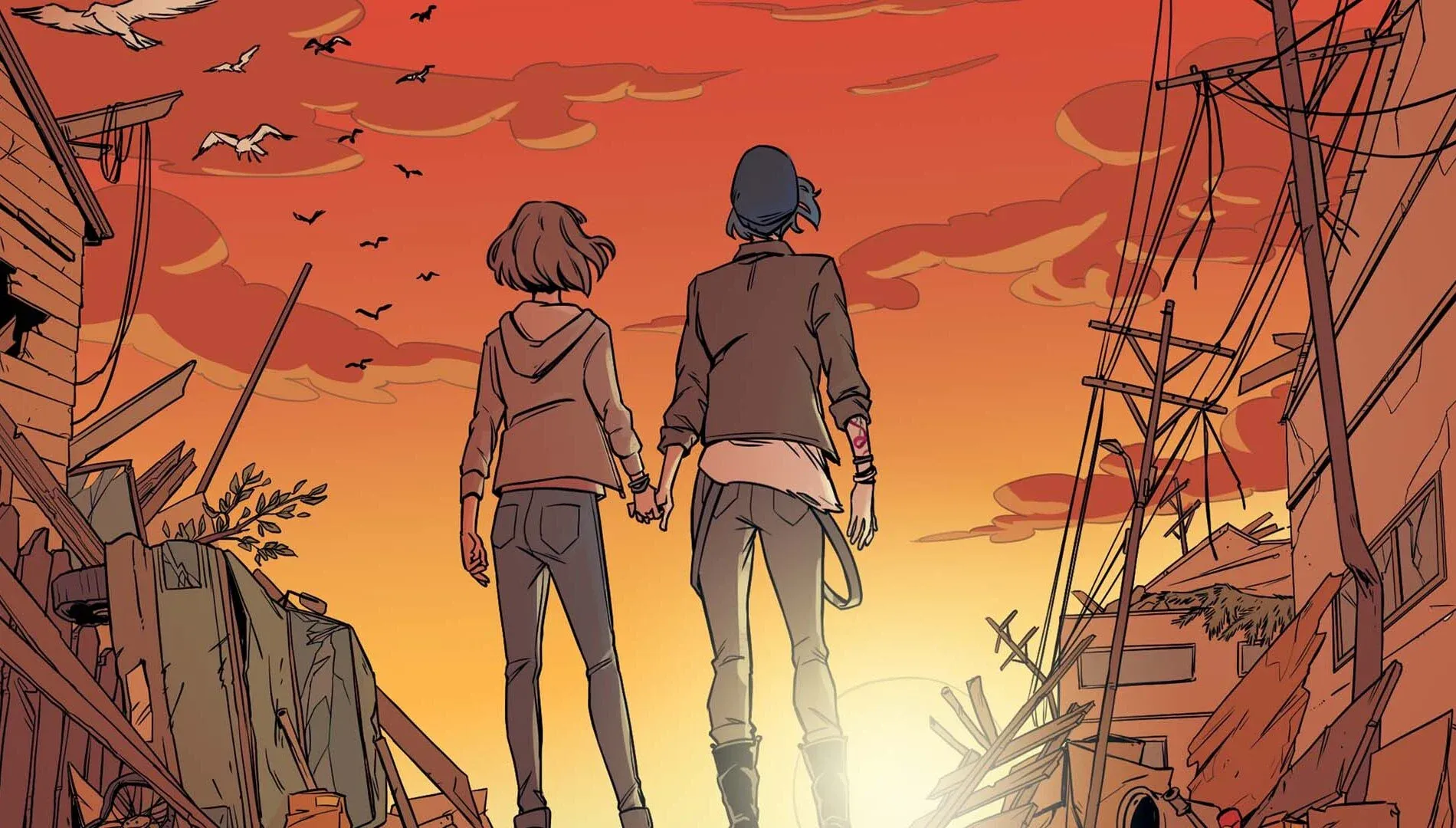


Life Is Strange: Reunion is the conclusion fans have waited over a decade for. Developed by Deck Nine Games and published by Square Enix, this full-length standalone adventure released on March 26, 2026, for PS5, Xbox Series X|S, Xbox Cloud, and PC. It picks up directly after Life Is Strange: Double Exposure, brings back both Max Caulfield and Chloe Price as playable characters, and finally addresses the franchise's longest-running question: can these two find a future together after everything that's happened?
What is the story of Life Is Strange: Reunion?
The game returns to Caledon University, where a catastrophic fire threatens to burn the entire campus to the ground within three days. That ticking-clock pressure gives Reunion a tighter, more thriller-adjacent structure than earlier entries, while still leaning into the series' trademark emotional weight and morally complex choices.
The biggest narrative swing is how Chloe's return is handled. Rather than picking one ending from the original 2015 game as canon, Reunion merges both timelines. Chloe carries memories of both her death and her survival simultaneously. Deck Nine describes this as a "full circle" moment for the series, though some fans have pushed back, calling it a convenient workaround. The honest read: it's a bold structural choice that trades clean lore consistency for maximum emotional complexity, letting both versions of Chloe's trauma inform who she is now.
The game also honors the original's choice system. Before starting, players define whether Chloe survived the storm in Arcadia Bay and whether Max and Chloe's relationship is romantic or platonic. Those inputs shape how the reunion between the two characters actually feels.
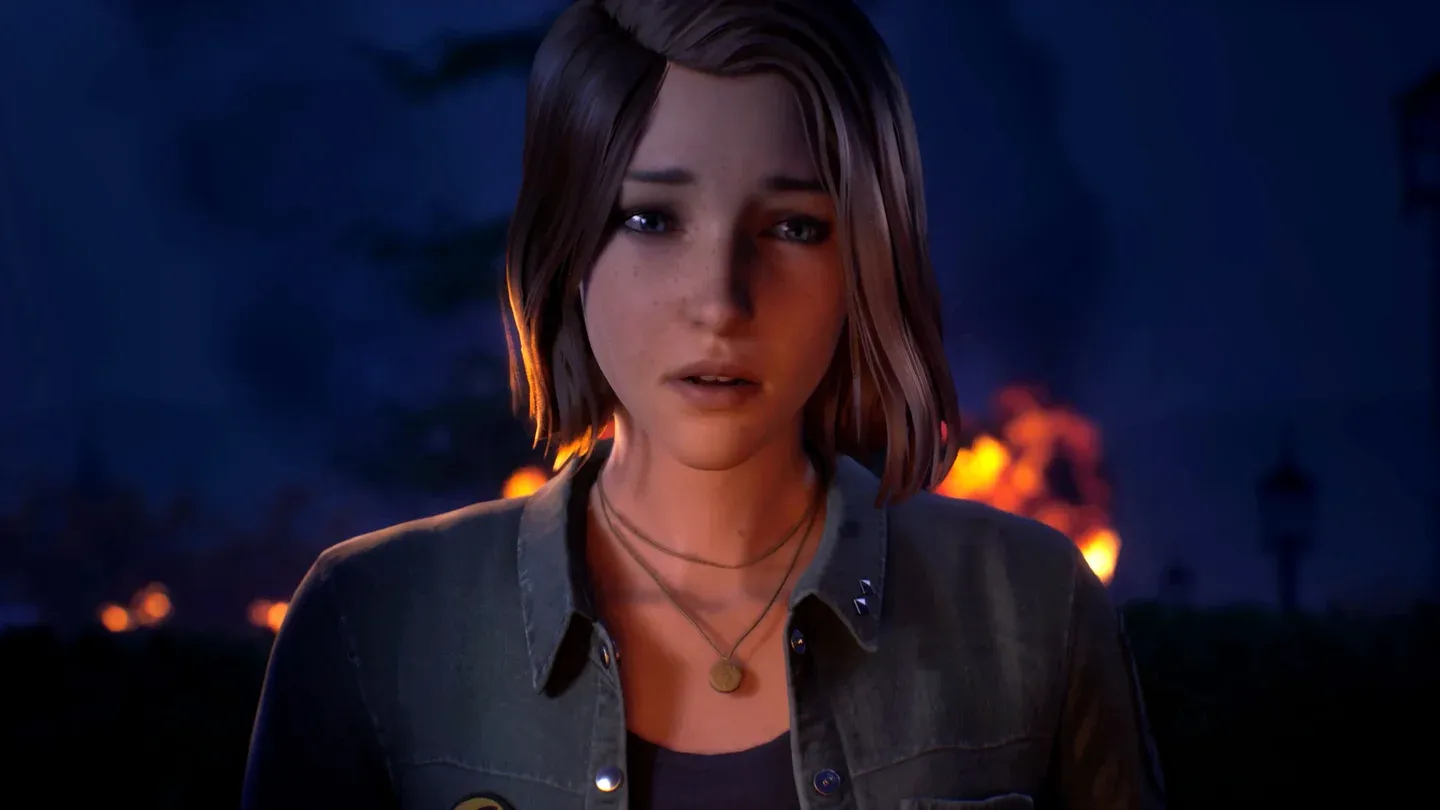
Three days to save the campus
How does the dual character gameplay work?
For the first time in the series, both Max and Chloe are fully playable, each with distinct mechanics that push the game beyond a straightforward interactive drama.
Max's evolved Rewind power
Max's signature Rewind ability returns, but it's been expanded significantly. Beyond rewinding time to correct decisions, she can now leap into Polaroid photographs and restart events from those captured moments. This opens up what Deck Nine calls 4D puzzles — environmental challenges that require manipulating the same space across different timeline states. After spending time with the party infiltration sequence shown in the official gameplay trailer, it's clear these puzzles demand actual spatial thinking rather than just button-pressing your way to the right answer.
Chloe's Backtalk mechanic
Chloe plays very differently. Her Backtalk system, first introduced in Before the Storm, drives confrontational dialogue exchanges where timing and word choice determine outcomes. She's now a touring band manager for Drugstore Makeup, which gives her access to social spaces and contacts that Max's academic position doesn't. Where Max solves problems by manipulating time, Chloe solves them by talking her way through doors.
This split creates genuine variety. Max sections tend toward puzzle-solving and quiet investigation; Chloe's lean into social pressure and rapid-fire exchanges. The two styles complement each other without feeling like they belong in different games.
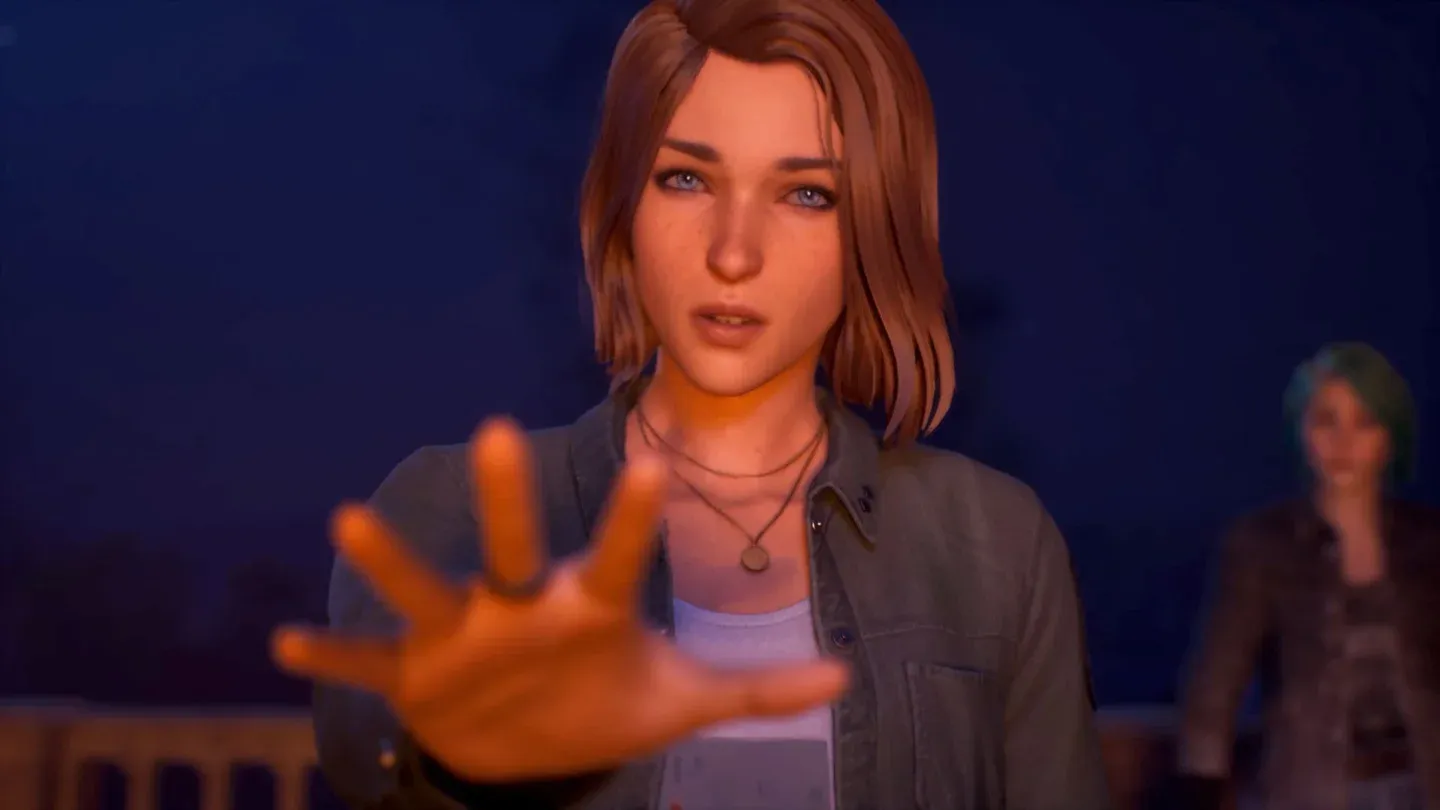
Max's expanded Rewind mechanic
What's the difference between all the editions?
There are four editions available at launch, ranging from the base game up to a substantial collector's package.
The Twin Pack is worth flagging for anyone who skipped Double Exposure. Getting both games together effectively cuts the predecessor's price in half, and understanding Double Exposure's events makes Reunion's story considerably more coherent.
The Collector's Edition goes further than most franchise merch has in years. The 12-inch vinyl is the centrepiece, but the physical extras are designed around the lore rather than just slapped on. Three double-sided guitar picks represent Chloe's world; three Polaroid art cards represent Max's. A felt anti-slip mat for the record player features the Rewind symbol. It's the kind of collector's package that actually makes sense for the game it's tied to.
What makes this the end of the Max and Chloe saga?
Voice actor Hannah Telle, who has played Max across every installment in the franchise, described the experience as weighing on her throughout production. "It's hard to let her go," she said, noting that she channelled personal trauma and life experience into the performance. Telle confirmed this is her final time playing the character.
Rhianna DeVries, who took over as Chloe after Ashly Burch departed during the 2017 voice actors strike, echoed that sentiment while noting she approached it differently. "I don't think I was thinking about it as the end as it was happening. I was just happy to be there," DeVries said. For DeVries, the bigger revelation was learning she'd be playing opposite Telle in scenes, given that Reunion marks the first time the two have performed together directly as their respective characters.
The franchise itself continues beyond this game in a different medium. Amazon has cast Maisy Stella as Chloe and Tatum Grace Hopkins as Max in a live-action Life Is Strange TV series currently in production. So while Reunion closes the video game chapter for these specific actors, the characters themselves are moving forward.
For a full breakdown of the game's plot structure and chapter details, the Life Is Strange: Reunion wiki on Fandom is being updated continuously as players work through the story.
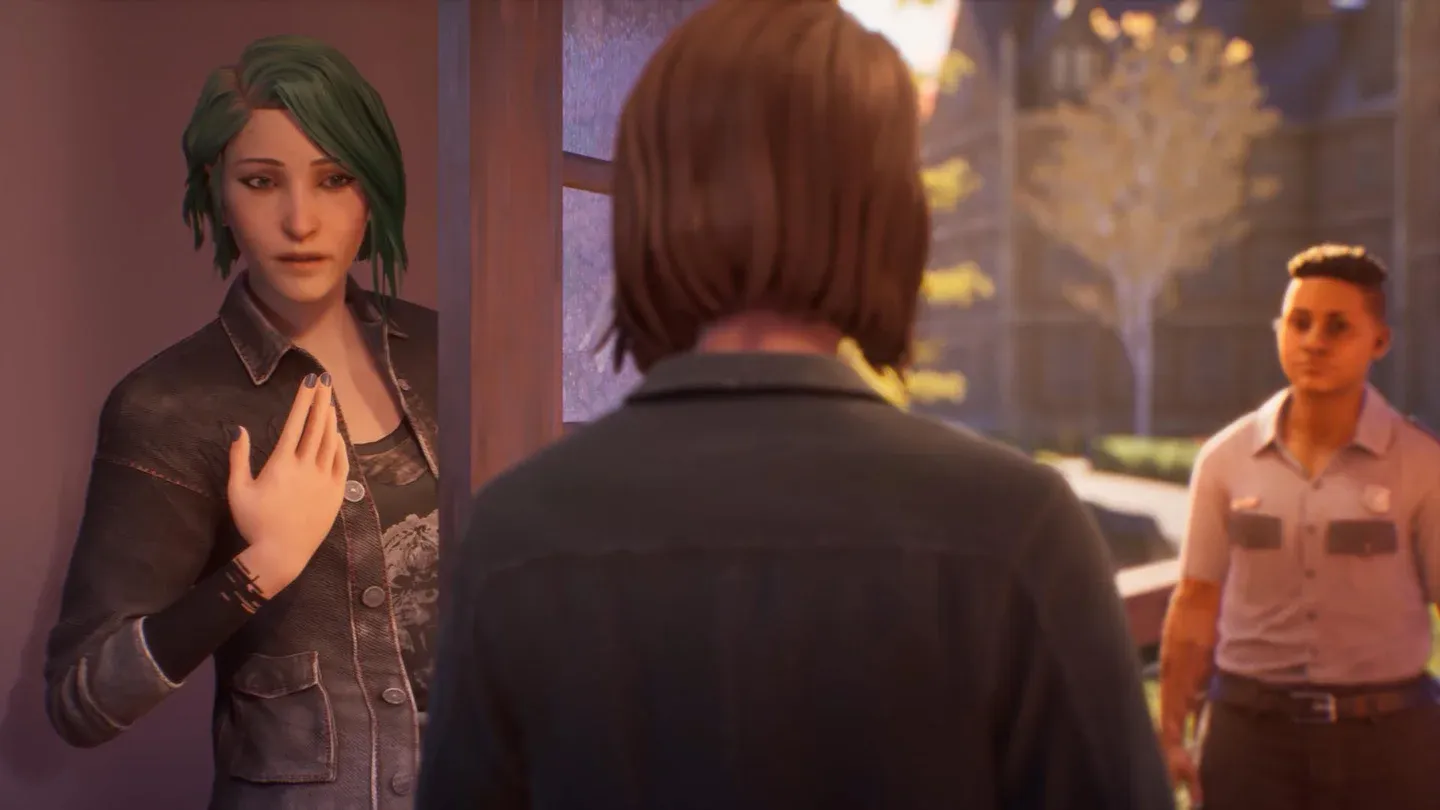
Play as both Max and Chloe
Is Life Is Strange: Reunion worth playing?
For anyone who has followed Max and Chloe since 2015, yes. The dual-character structure is the most ambitious gameplay design the series has attempted, the merged timeline concept is either a clever narrative solution or a lore headache depending on your tolerance for multiverse storytelling, and the performances from both Telle and DeVries carry genuine weight.
For newcomers, the picture is murkier. Reunion is built on emotional history. The choices it asks you to make in the opening screen (did Chloe survive? are they together?) only land if you've lived through those decisions yourself. Playing Double Exposure first is the minimum; playing the original 2015 game first is better.
Max and Chloe's respective abilities serve as the central mechanical pillars throughout, with the Rewind and Backtalk systems designed to feel complementary rather than redundant across the full runtime. The full breakdown of these mechanics and story structure shows how tightly the two systems interlock across the game's chapters.
The episodic format is gone entirely. Reunion ships as a complete experience, which means the story can breathe without artificial cliffhangers between chapters. That structural change alone makes it feel more confident than some recent entries.
For more narrative adventure guides and coverage of story-driven games, browse the latest guides at GAMES.GG to find walkthroughs, tips, and deep dives across the genre.