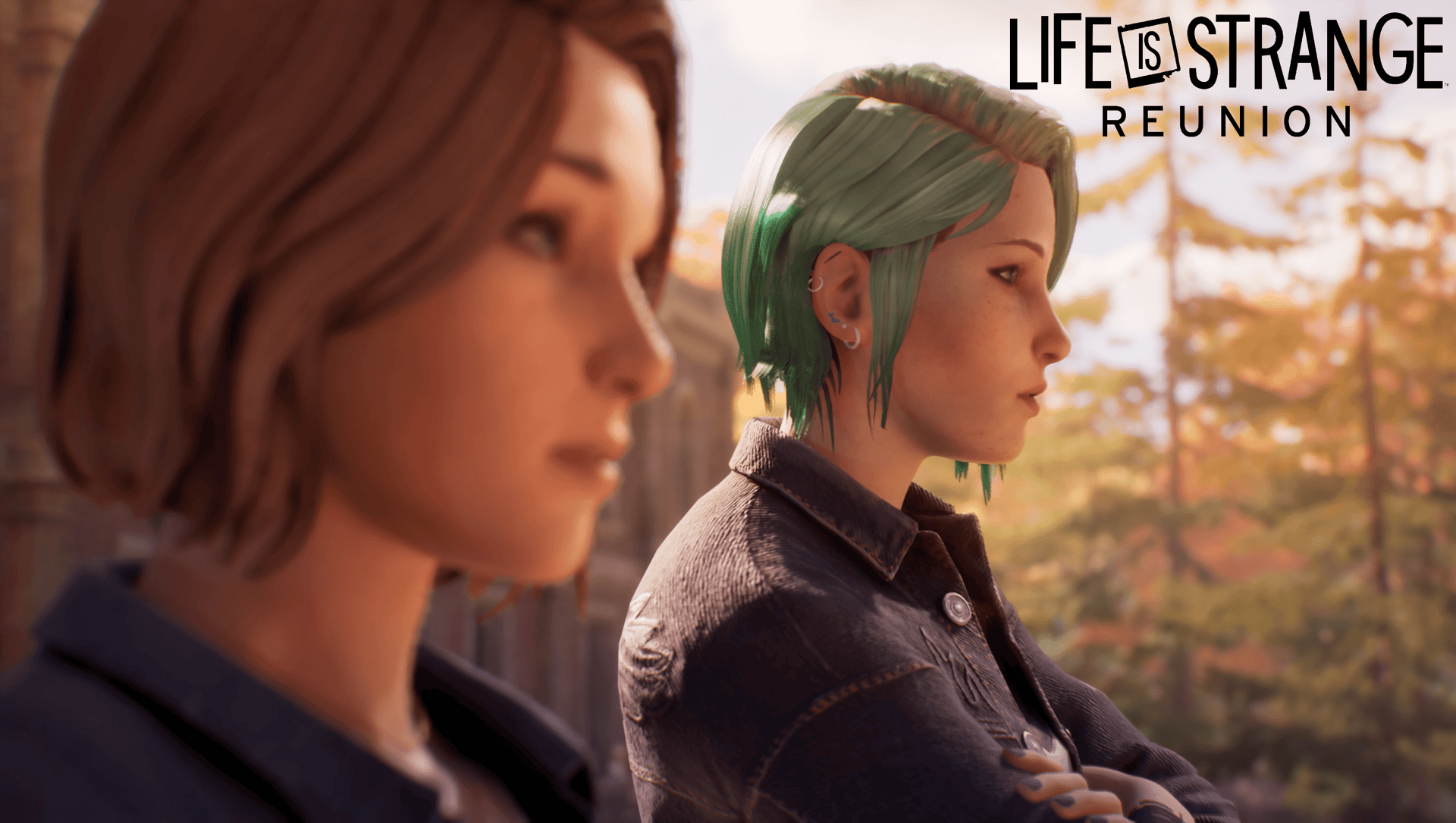


Life is Strange: Reunion arrives on March 26, 2026, and it's the first time the series has put Max Caulfield and Chloe Price back together as playable characters since the original game redefined narrative adventure games over a decade ago. Developed by Deck Nine Games (the studio behind True Colors and the Before the Storm prequel), Reunion trades the standalone spinoff format for a direct continuation. The stakes are high, and based on what's been shown so far, the tone is noticeably more mature.
What is the story of Life is Strange: Reunion?
The setup is more urgent than anything the series has tried before. Max is trying to stop a catastrophic fire from consuming Caledon University, the school where Chloe is now enrolled. Chloe reaches out because this particular disaster is beyond her ability to handle alone, which pulls Max back into her orbit after the two were separated following the events of the first game.
The trailer opens with both characters caught in the storm that closed out Life is Strange 1, a direct callback that signals Reunion isn't pretending the weight of those original choices doesn't exist. The central tension isn't just the fire itself. The real question the game is asking is whether Max and Chloe can finally build something lasting together, or whether the series' habit of tearing them apart will repeat itself.
Expect the series' signature moral dilemma structure: saving one person likely costs another. That hasn't changed. What does appear different is the emotional register. Both characters are older, and the writing seems to reflect that.
What platforms is Life is Strange: Reunion on?
Life is Strange: Reunion launches on PS5, Xbox Series X|S, Xbox Cloud, and PC (via Steam and Xbox on PC) on March 26, 2026. The release date was confirmed in January 2026. There's no announced version for Nintendo Switch 2 at this point, though that could change post-launch.
How does the dual protagonist system work?
This is the biggest mechanical shift Reunion brings to the formula. You control both Max and Chloe across the game, switching between their perspectives to experience the same events from different angles.
The two characters play differently by design:
- Max retains her time-rewinding ability, letting you undo dialogue choices, explore alternate conversation paths, and course-correct decisions before they lock in.
- Chloe has no supernatural power. Her approach relies on attitude, quick thinking, and social navigation. Her sections require faster reactions since she can't rewind out of a bad call.
This split creates a natural tension in how you approach problems. Max gives you a safety net. Chloe does not. The 'Max Sneaks Into The Party' gameplay trailer demonstrates this directly, with Max using her rewind powers to navigate a social situation that Chloe would have to muscle through on instinct.
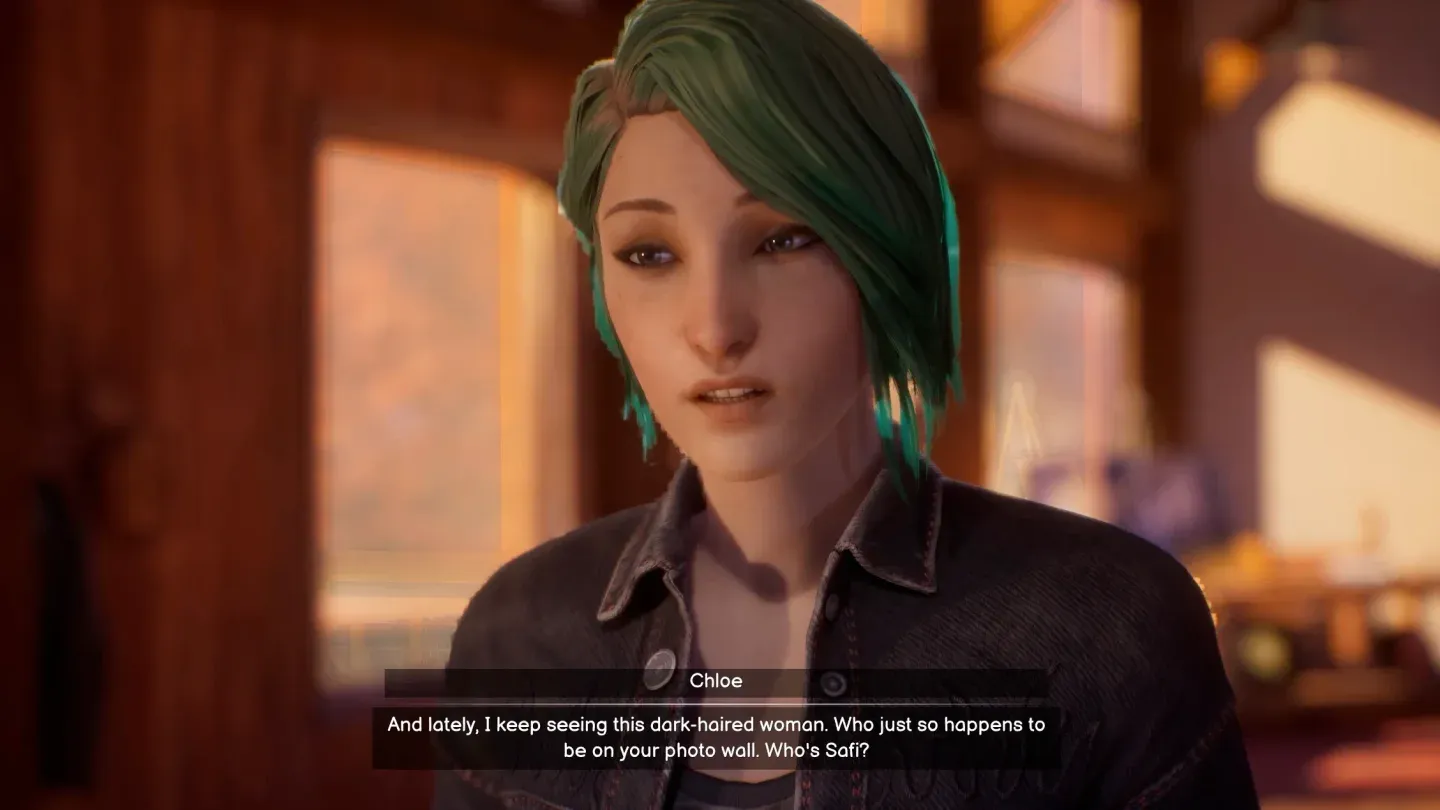
Chloe's dialogue choice screen
What carries over from previous Life is Strange games?
The core loop is unchanged from what fans know: explore environments, pick up objects, read notes and messages, and make choices that branch the story in ways you won't fully understand until later. Reunion keeps all of that intact.
What's new is the dual-character structure and the university setting, which gives the game a slightly different social texture compared to Arcadia Bay. College environments mean different relationships, different power dynamics, and different kinds of secrets.
The series has always been built around the idea that your choices carry real emotional weight rather than just narrative branching for its own sake. Reunion appears to push that further by giving you two characters whose decisions can reinforce or contradict each other depending on how you play each perspective.
Is Life is Strange: Reunion worth playing if you haven't played the originals?
Honestly, the short answer is: play the first Life is Strange first. Reunion is built around the emotional history between Max and Chloe, and the opening trailer callback to the original storm sequence will land flat without that context. The game isn't designed as a standalone entry.
That said, Deck Nine has handled continuity well in their previous entries. The studio is good at building in enough context that players who come in fresh aren't completely lost. You might miss the weight of certain moments, but the core story should still function.
For returning fans, the setup is exactly what the series has owed its audience for years: Max and Chloe, together, dealing with something neither of them can handle alone. Whether the execution matches the promise is something only the full game will answer.
For more narrative adventure guides and coverage of upcoming releases, browse the latest guides on GAMES.GG.