
What is Life is Strange and why does it still hold up?
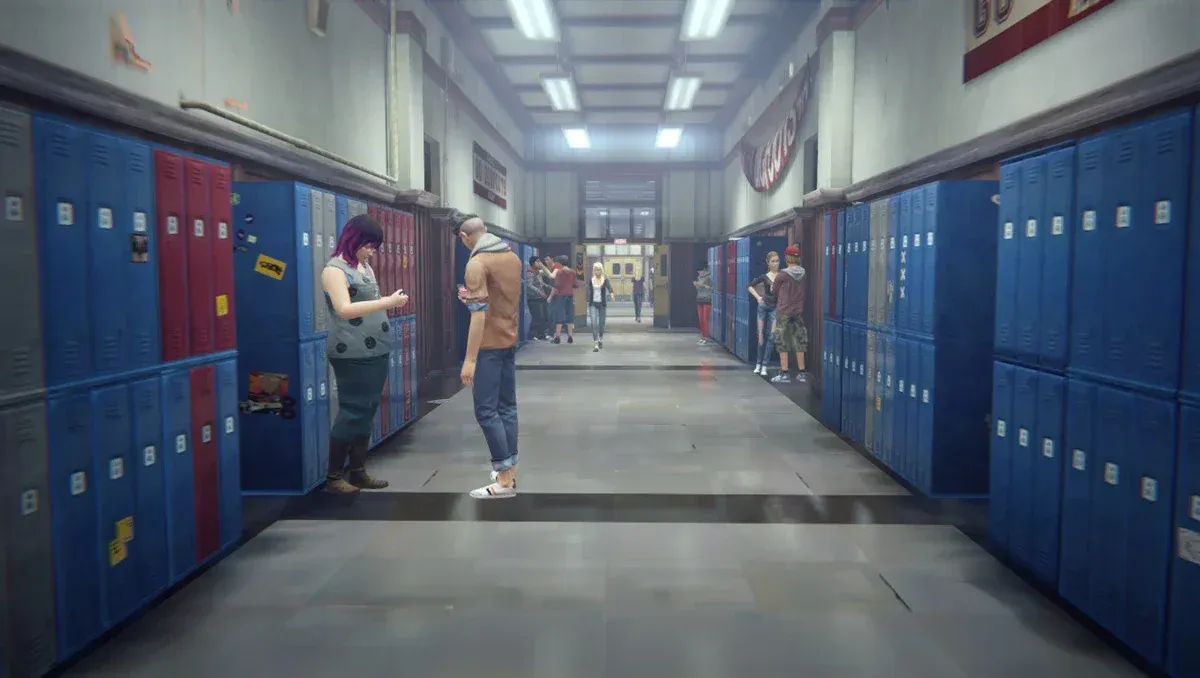
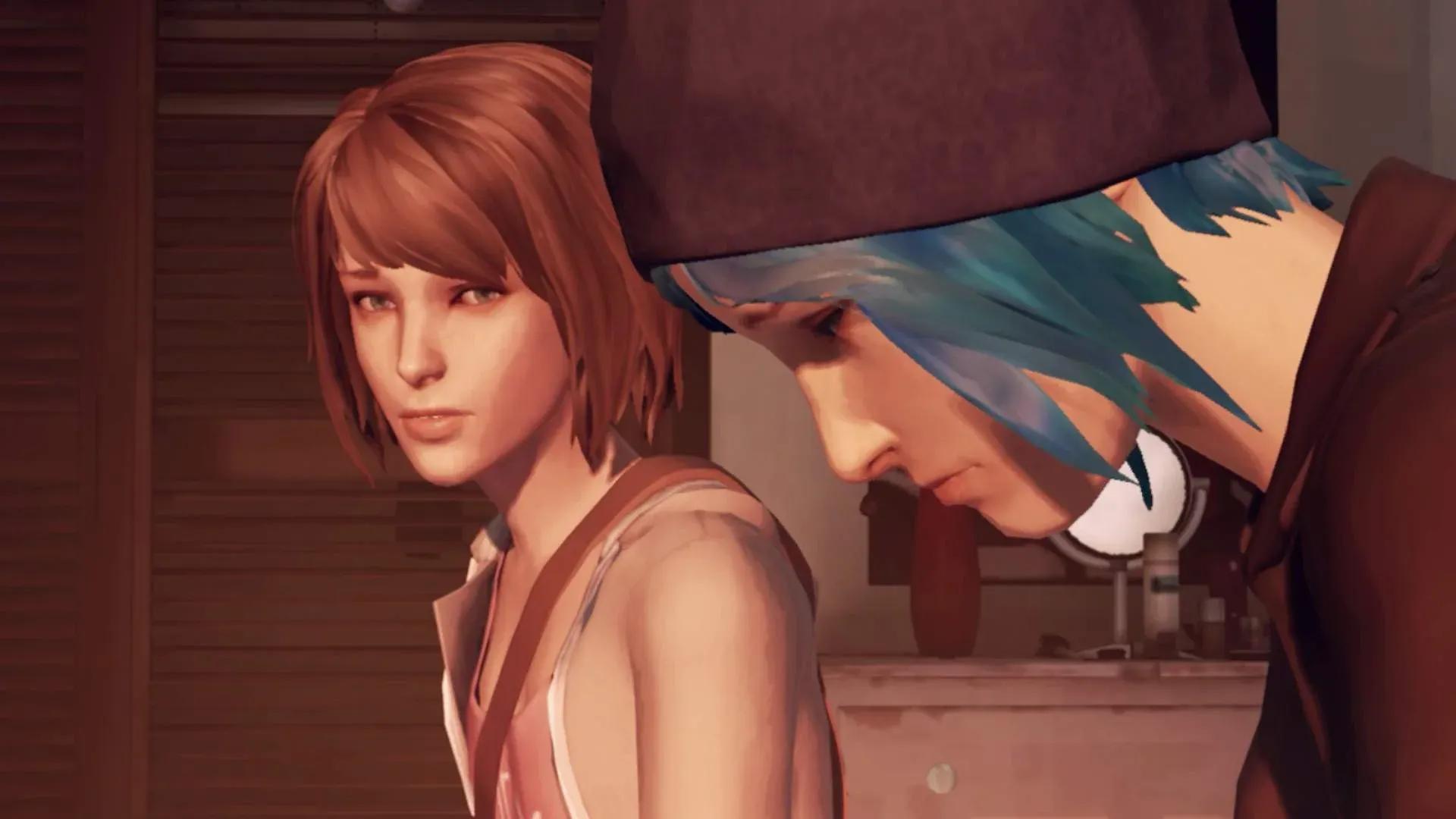
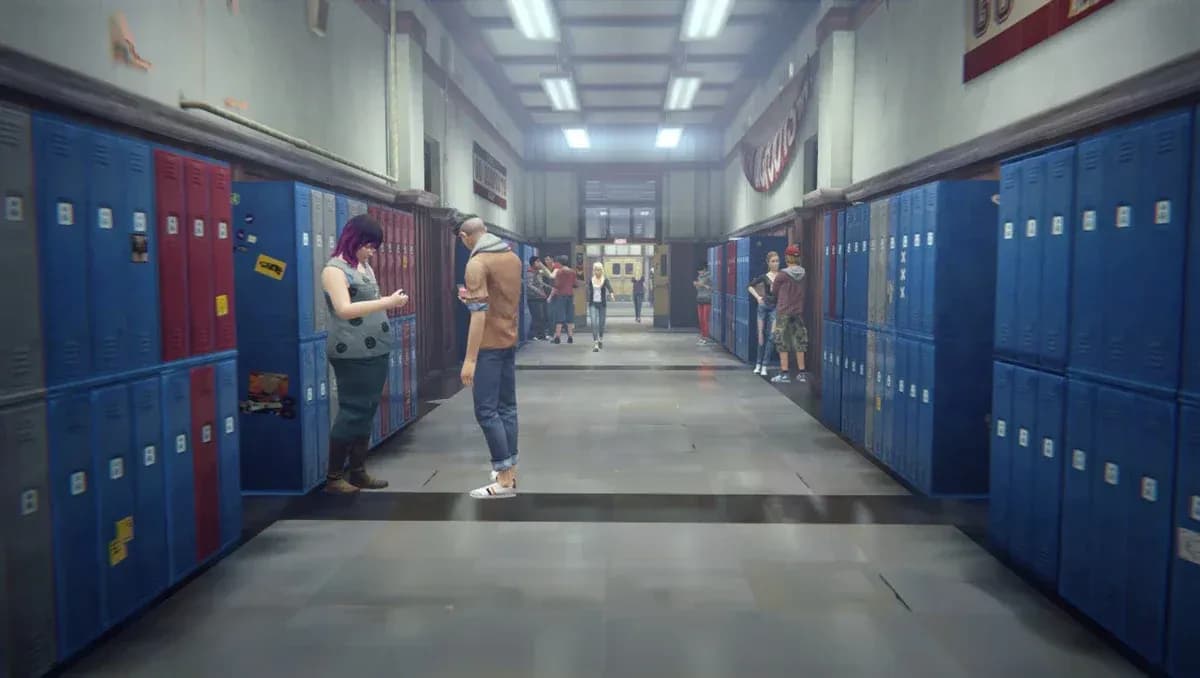
Life is Strange puts you in the shoes of Max Caulfield, a photography student at Blackwell Academy in Arcadia Bay, Oregon. One afternoon she discovers she can rewind time, and from that moment the game becomes something genuinely different from most narrative adventures. Every conversation, every object you examine, every choice you make can be revisited and reconsidered before you commit. It sounds forgiving, but the game uses that freedom to make every decision feel heavier, not lighter. Five episodes, dozens of branching moments, and one of the most debated endings in gaming history are waiting for you.

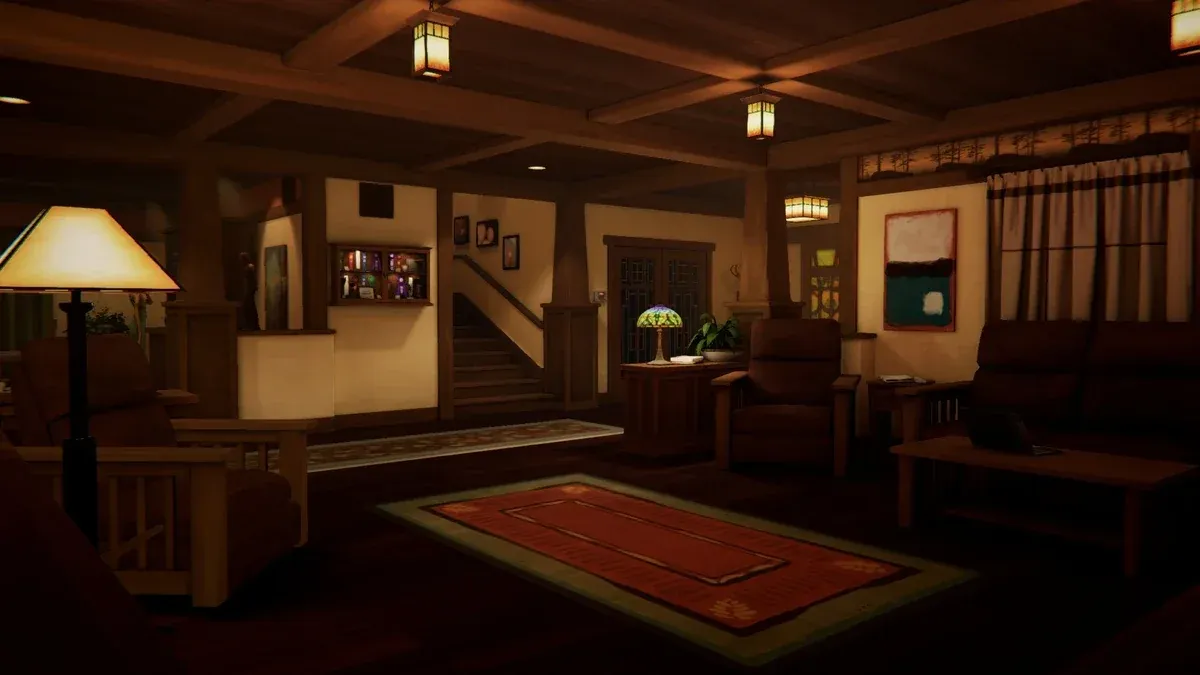
How does the rewind mechanic actually work?
The rewind ability is the foundation of everything in Life is Strange. Hold the rewind button and time flows backward, letting you undo dialogue choices, physical actions, and even puzzle solutions. There is no penalty for rewinding as many times as you want within a scene, so treat it as a built-in drafting tool rather than a cheat.
What the game does not tell you upfront is that rewinding has narrative weight. Certain moments lock permanently once a scene ends, meaning you cannot return to them from a later chapter. Before you move from one area to the next, scan the environment one more time and make sure you have spoken to every character and examined every object you care about.
Understanding the rewind limits
Rewinding works within a scene, but Max's power has an implied fatigue mechanic in the story. Overusing it in certain story sequences triggers physical side effects for Max, which feeds directly into the plot. Pay attention to her reactions; they are not just flavour text.
The rewind also does not affect optional photographs. If you miss a photo opportunity and the scene ends, that photo is gone for that playthrough. Photos are collectibles tied to an achievement and, more importantly, they flesh out Max's perspective on Arcadia Bay in ways that make the story richer.
Where are all the optional photos?
Each episode contains a set of optional photographs Max can take with her instant camera. These are easy to miss because the game never marks them on screen. After testing every episode across multiple playthroughs, the pattern is consistent: optional photos appear in locations you would walk straight past if you were rushing the story.
| Episode | Number of Optional Photos | Commonly Missed Location |
|---|---|---|
| Episode 1 | 10 | The handicapped parking space outside Blackwell |
| Episode 2 | 10 | The junkyard near Frank's RV |
| Episode 3 | 10 | The Dark Room clues in the barn area |
| Episode 4 | 10 | The hospital corridor details |
| Episode 5 | 10 | The tornado-hit areas of Arcadia Bay |
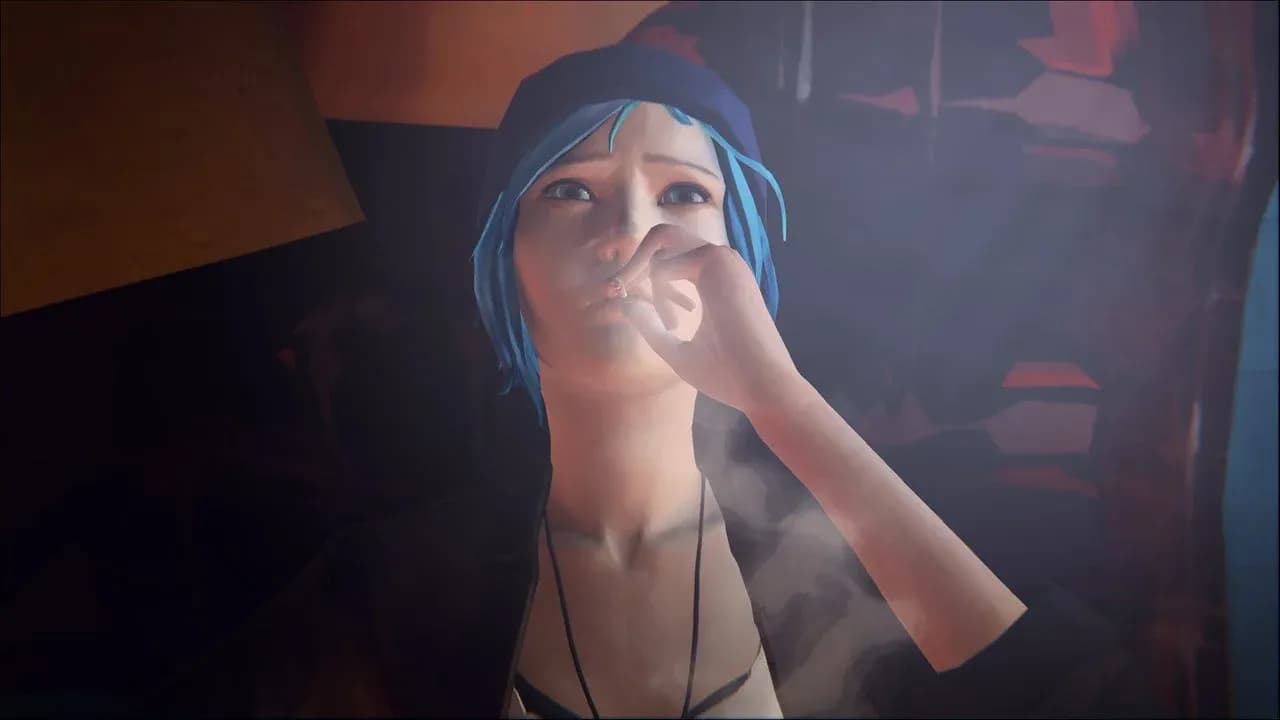
Optional photo collectible screen
What choices actually matter in Life is Strange?
This is the question every new player asks, and the honest answer is: more than you expect, but not all of them equally. Life is Strange separates its decisions into two categories, even if it never labels them that way.
Butterfly effect choices are the ones that ripple forward across episodes. Decisions like whether to warn a specific character in Episode 1, how you handle Kate Marsh's crisis in Episode 2, and what you tell David Madsen about what you have seen all carry consequences that show up in later chapters. These are the choices worth replaying to understand fully.
Flavour choices affect dialogue and Max's journal entries but do not change the trajectory of the story. Choosing what to say to a classmate in a low-stakes conversation usually falls here. The game uses these moments to build character, so engage with them genuinely rather than optimising them.
How to handle the two endings
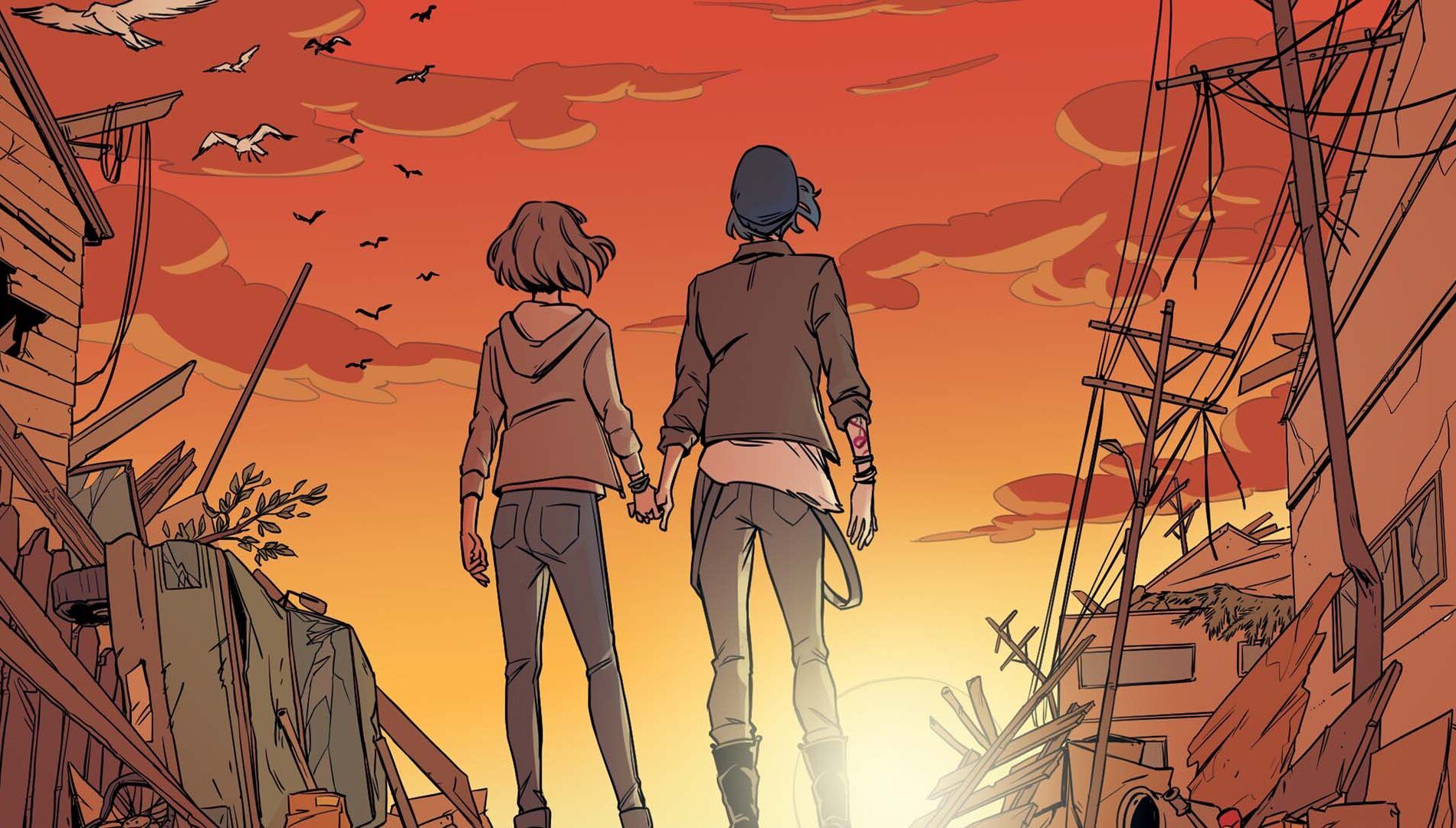
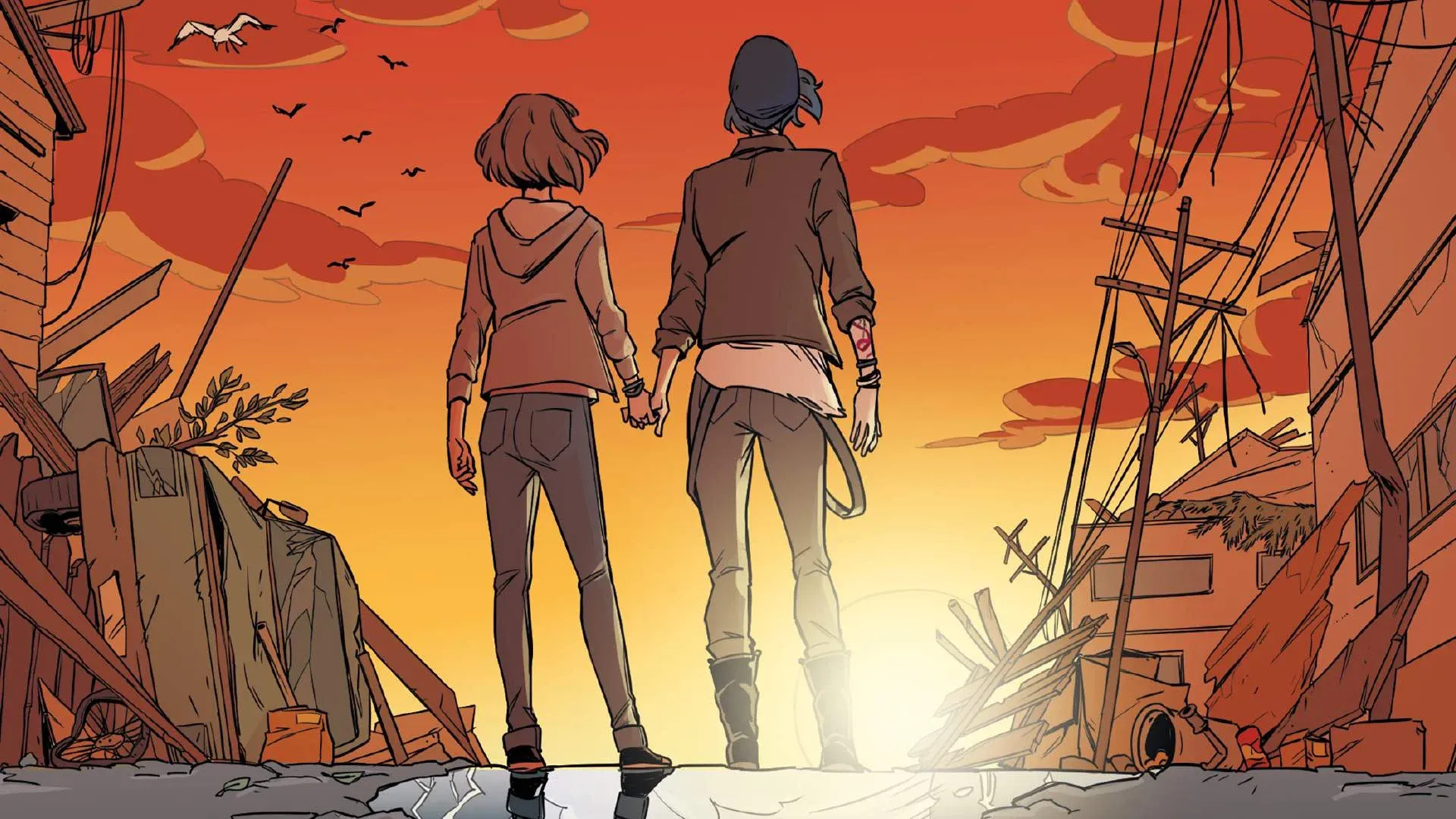
The final choice of Life is Strange asks you to pick between saving Chloe or saving Arcadia Bay. Neither ending is objectively correct, and the game earns both of them through five episodes of careful setup. New players sometimes feel blindsided by this choice, but every major decision in the game is quietly building your relationship with both Chloe and the town.
The upcoming game Life is Strange: Reunion is set to address the consequences of both endings, which means your original choice will carry forward in some form into the next chapter of the franchise.
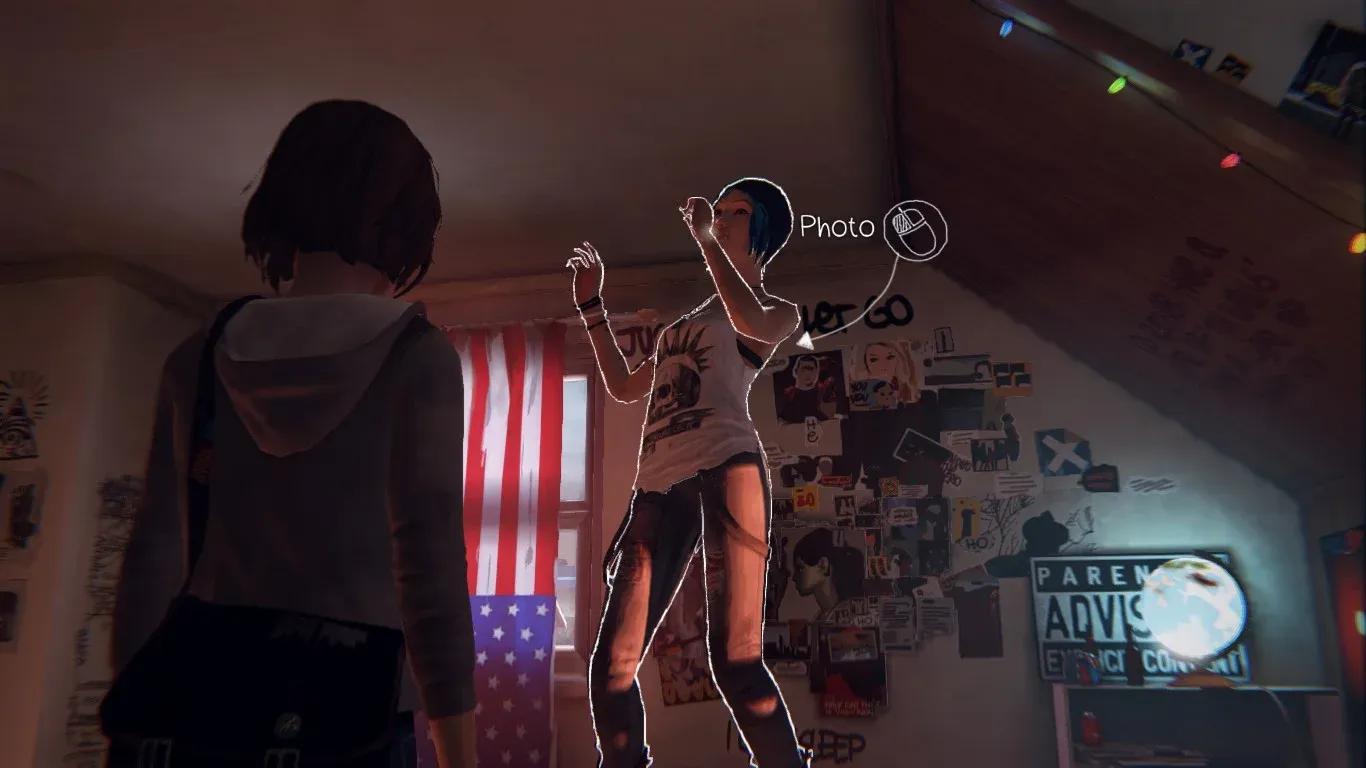
The game's defining final choice
How to approach puzzles without getting stuck
Most puzzles in Life is Strange are environmental: move an object, find a code, connect a sequence of events. The rewind mechanic removes almost all frustration from these because you can experiment freely. The ones that trip players up are the code-based puzzles, where you need to find the combination from environmental clues scattered around the area.
The rule that works every time: examine everything in the room before attempting the solution. Max will often comment on objects in a way that hints at the answer. Her journal, accessible from the pause menu, also logs clues automatically.
For players who want every puzzle solution laid out in sequence, the community walkthrough on Steam covers all five episodes including optional content.
What's the best way to experience the story for the first time?
Resist the urge to look up the "correct" choices. Life is Strange is designed around the idea that your version of Max's story is valid. The game tracks your decisions and shows you at the end of each episode how your choices compared to other players globally, which is interesting context but not a scorecard.
Play the first episode without rewinding any story choices. Just let the decisions land as they would in real life. Then, on a second playthrough or when you hit a moment that genuinely surprises you, use rewind to explore the alternative. That approach gives you the intended emotional experience first and the full mechanical experience second.
For more guides covering narrative games and everything else in gaming, browse the latest guides on GAMES.GG.
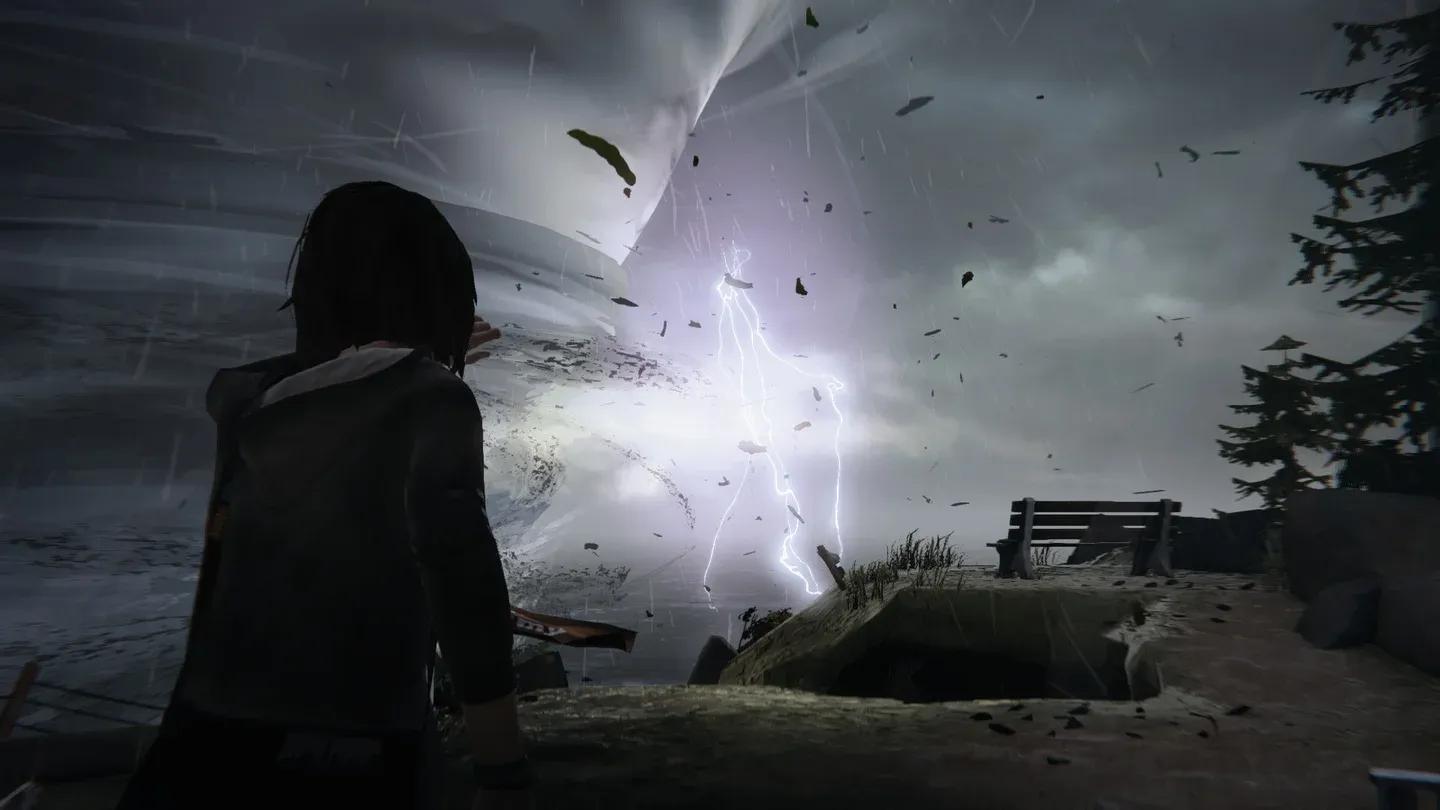
Exploring Arcadia Bay
Life is Strange: The Amazon Prime Video series
A live-action adaptation is currently in development for Amazon Prime Video, with Charlie Covell (writer of The End of the F***king World and Netflix's Kaos) serving as showrunner. The series will follow Max's story from the original game, including her discovery of the rewind power and the investigation into a fellow student's disappearance alongside Chloe.
Tatum Grace Hopkins, a Broadway actress, will play Max Caulfield. Maisy Stella, known from the TV drama Nashville and the film My Old Ass, will play Chloe Price. The casting was first revealed via an official poster shared on social media in March 2026.
The showrunners will face the same choice the game gives players: how to handle Max and Chloe's relationship and which of the two endings to adapt. Given that Life is Strange: Reunion is reportedly resolving the ending split at the game level, the TV series may have more narrative flexibility than it would have had a few years ago.
Blackwell Academy setting