
Max Caulfield does not just turn back time for convenience. Every rewind in Life is Strange carries weight, and knowing when to use it, when to hold back, and what the game actually tracks across all five episodes separates players who stumble into the ending from those who feel every beat of it. This guide breaks down how the rewind mechanic works, how it interacts with the game's choice system, and what you need to know before you commit to any decision.
How does the rewind ability work in Life is Strange?
Max discovers her power in Episode 1: Chrysalis after witnessing Chloe Price shot in a Blackwell Academy bathroom. The ability lets her reverse time by a limited window, undoing actions, dialogue choices, and physical interactions in the environment. According to the Rewind page on the Life is Strange Wiki, the mechanic emphasizes replay value by letting players see the immediate consequences of any action before committing to it.
The rewind is not infinite. It has a visible range tied to the current scene, and some decisions lock in permanently once a chapter advances. Here is what the mechanic actually covers:
- Dialogue choices: You can rewind mid-conversation to pick a different response and see how the other character reacts before finalizing your answer.
- Environmental puzzles: Rewinding lets you undo mistakes like knocking objects over or misplacing items.
- Consequence previewing: You can trigger one outcome, watch what happens immediately, then rewind to choose differently.

Max activates rewind power


What choices can and cannot be undone?
This is where most players get caught off guard. Life is Strange splits its decisions into two categories: reversible in-scene choices and permanent chapter-end decisions. The rewind handles the first category. The second locks in regardless of how many times you hit the rewind button.
The major story decisions, especially the ones that appear with a "this will have consequences" style prompt, carry forward into later episodes and cannot be rewound once the scene ends. Minor environmental interactions and most conversational branches, on the other hand, are fully reversible before you leave the area.
| Choice Type | Rewindable? | Carries to Later Episodes? |
|---|---|---|
| Dialogue responses | Yes, within scene | Sometimes |
| Environmental puzzles | Yes | No |
| Chapter-end moral decisions | No | Yes |
| Collecting optional items | Yes | No |
| Confrontation outcomes | Partial | Yes |
How does rewinding affect the story's big moments?
The five episodes of Life is Strange build toward a gut-wrenching final decision in Episode 5: Polarized, and the rewind mechanic is baked into that emotional escalation. Early episodes like Episode 2: Out of Time use the power for relatively low-stakes puzzles, including collecting bottles in a junkyard, but the narrative weight of each rewind grows episode by episode.
By Episode 3: Chaos Theory and especially Episode 4: Dark Room, rewinding stops feeling like a gameplay convenience and starts feeling morally complicated. The game asks whether you use Max's power to shield Chloe from her stepfather, knowing the consequences will circle back. Seeing both outcomes before choosing does not make the choice easier. It makes it harder.
RPGFan's review of the Remastered version notes that the narrative dominoes begin falling in earnest from the end of Episode 3, building through Episode 4 and into a finale that lands regardless of how carefully you managed your rewinds along the way.

Rewind choices in Episode 4
Episode-by-episode rewind tips
Episode 1: Chrysalis
Use rewind freely here. The stakes are low and the game is teaching you the system. Experiment with every dialogue option in your first conversation with Chloe to understand how much information rewinding can surface. Do not skip the optional exploration of Blackwell, as several environmental details pay off in later episodes.
Episode 2: Out of Time
The junkyard bottle-collecting sequence is tedious but introduces timed rewind puzzles. The real test comes during the rooftop scene with Kate Marsh. This sequence has a hard time limit and requires specific dialogue choices based on information you gathered earlier in the episode. If you missed key details, the rewind cannot save you here. Pay attention during your exploration.
Episode 3: Chaos Theory
This episode introduces a more powerful version of the rewind that extends into photographs, letting Max rewind into past moments entirely. The mechanic expands significantly here, and the puzzles become more creative. Use the photo-rewind to gather context before making any permanent decisions.
Episode 4: Dark Room
Be aware of the known bug in the Remastered version where Max phases through the environment at a sensitive narrative moment. If this happens, restart the checkpoint rather than attempting to rewind your way out of it. The rewind mechanic does not resolve this particular issue.
Episode 5: Polarized
The final episode strips back some of the rewind freedom deliberately. The game wants you to sit with your choices. By this point, your accumulated decisions across all four previous episodes shape the context of the ending, and no amount of rewinding changes what you have already locked in.
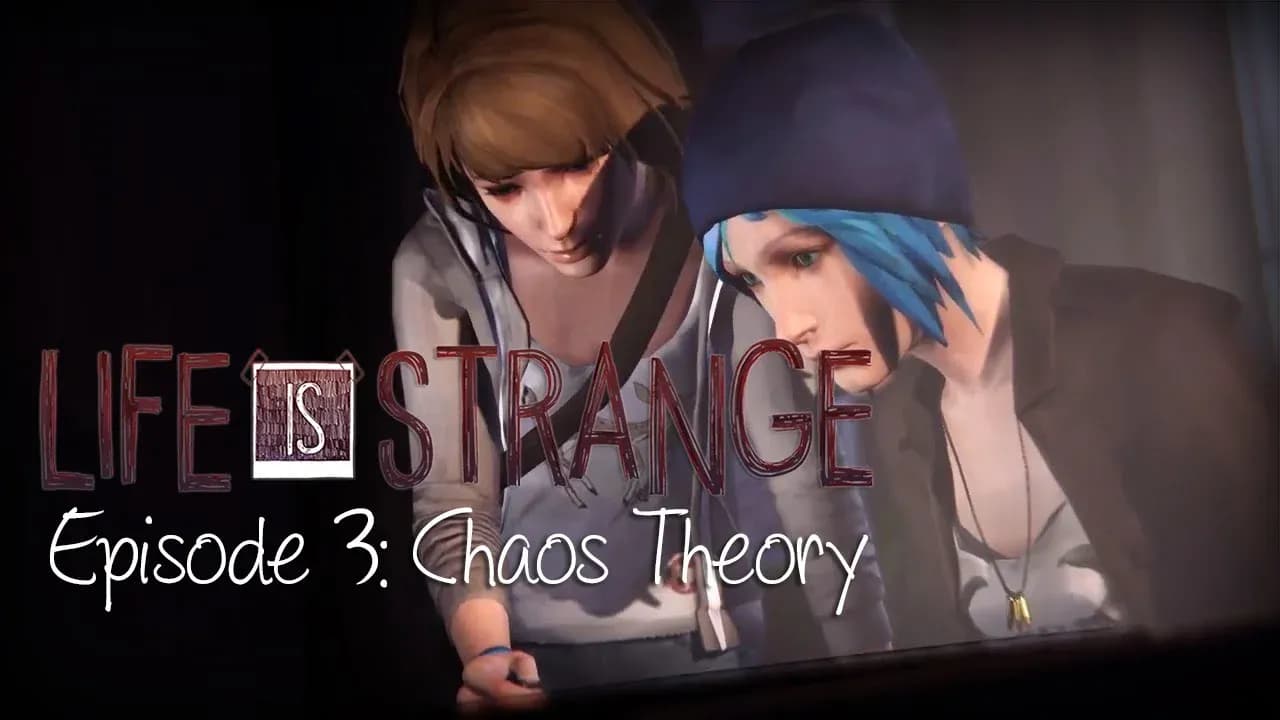
Photo rewind in Episode 3
Remastered version: what changed for the rewind mechanic?
The Life is Strange Remastered collection, developed by Deck Nine Games and published by Square Enix in 2022, did not meaningfully change how the rewind mechanic functions. The core system is identical to the 2015 original. The Remastered version added facial capture performances for main characters and smoothed out some textures, but the gameplay loop, including every rewind interaction, carries over unchanged.
For players on PS5 specifically, the Remastered version runs the original five episodes with updated visuals of varying quality. Episode 4 has notably poor texture work in the Remastered version, while Episode 5 recovers. The original Life is Strange remains a fully valid way to experience the game if the Remastered version is less accessible. You can check RPCS3's compatibility notes for Life is Strange if you are looking at PC emulation options.
| Version | Rewind Mechanic | Visuals | Known Bugs |
|---|---|---|---|
| Original (2015) | Identical | Lower fidelity | Fewer reported |
| Remastered (2022) | Identical | Mixed improvement | Episode 4 phase-through bug |
What makes the rewind mechanic worth understanding?
Most players treat the rewind as a safety net. The game actually works best when you treat it as an information tool. Seeing both sides of a choice before committing is not cheating the system. It is exactly what the developers built the mechanic to do, and the story accounts for it. The emotional weight of Life is Strange does not come from being surprised by consequences. It comes from choosing an outcome you fully understand and living with it anyway.
For more guides covering story-driven games and adventure titles, browse the full guides section at GAMES.GG to find breakdowns of similar mechanics across the genre.