
Cloak & Dagger sit at an interesting spot in the Marvel Rivals meta. Their 50.6% win rate and 6.4% pick rate tell a story that most players already feel: this duo rewards players who understand their kit, but punishes those who treat them like a simple point-and-heal Strategist. Tyrone Johnson and Tandy Bowen switch between shadow and light on the fly, dealing damage and patching up allies at the same time. Get that rhythm right and you have one of the most flexible supports in the game.
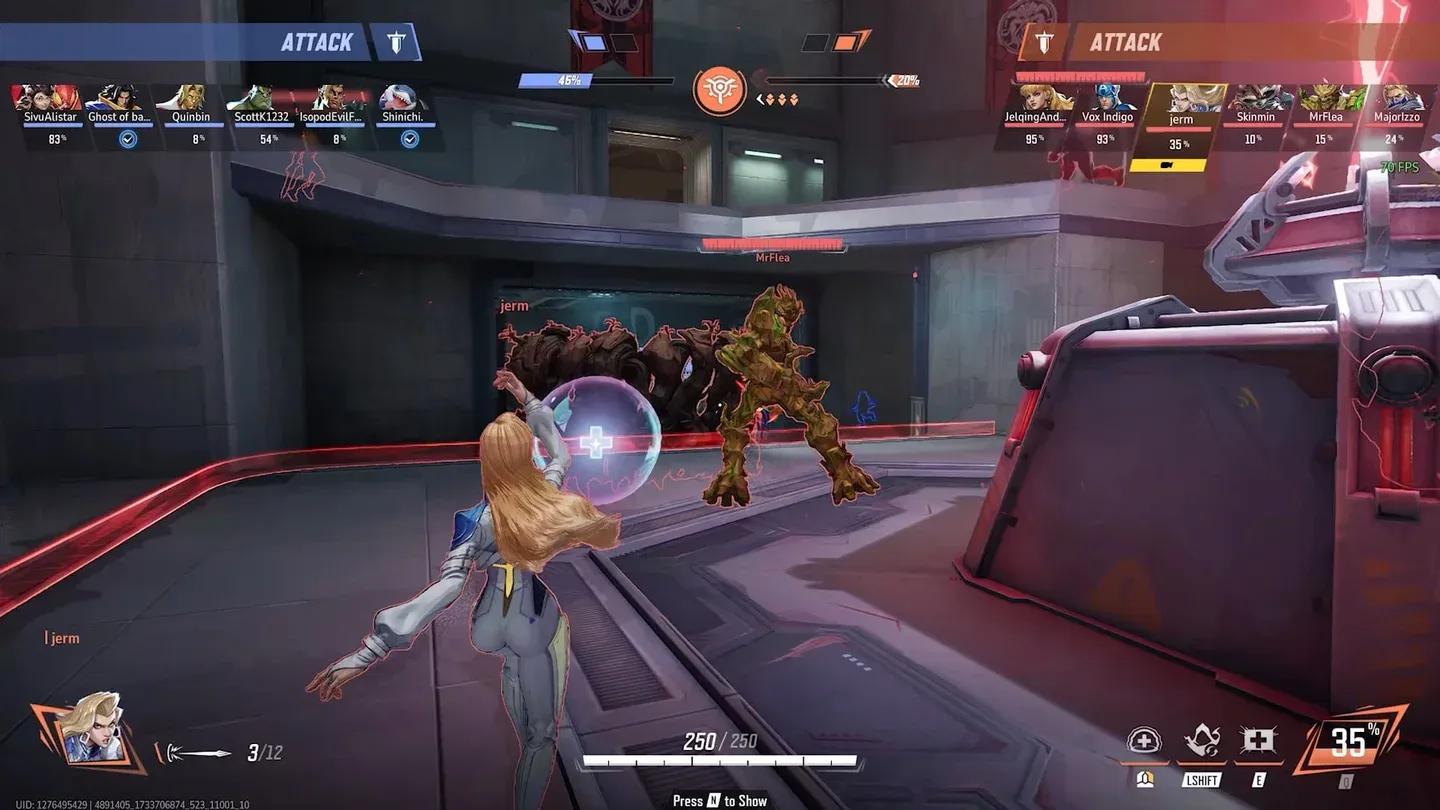
Cloak & Dagger mode toggle
What makes Cloak & Dagger unique in Marvel Rivals?
Most Strategists in Marvel Rivals commit to either healing or utility. Cloak & Dagger do both, but the catch is that each mode serves a different purpose. Cloak (Tyrone) operates in the Darkforce stance, dealing damage and applying pressure, while Dagger (Tandy) shifts into Lightforce mode to heal and pull targets toward her projectiles.
The swap mechanic is not just a gimmick. Knowing when to deal damage and when to pour healing into your team separates average Cloak & Dagger players from the ones who actually carry games.


Ability breakdown: what does every skill do?
Darkforce Cloak (Left Click, Cloak stance)
Darkforce Cloak fires attacks that target the nearest enemy to your crosshair, dealing damage. The auto-aim element makes it forgiving at medium range, but you still need to position well to hit priority targets rather than wasting shots on tanks.
Lightforce Dagger (Left Click, Dagger stance)
Lightforce Dagger launches a projectile with an attraction effect, pulling the closest target toward the crosshair on impact. The projectile also creates a spell field on landing that provides healing to allies standing inside it. This is your primary healing tool, and landing it consistently is the single biggest factor in your average healing output.
For context, Cloak & Dagger average 26,183 healing per match across Season 2 data, which is a strong number for a hero who also averages 6,666 damage in the same games.
Dark Teleportation and Dagger Storm (Right Click)
These are the stance-specific secondary abilities. Dark Teleportation repositions you or allies within the area and grants Invisibility and a Movement Boost, making it one of the better escape tools available to any Strategist. Dagger Storm fires a spread of daggers in the casting direction.
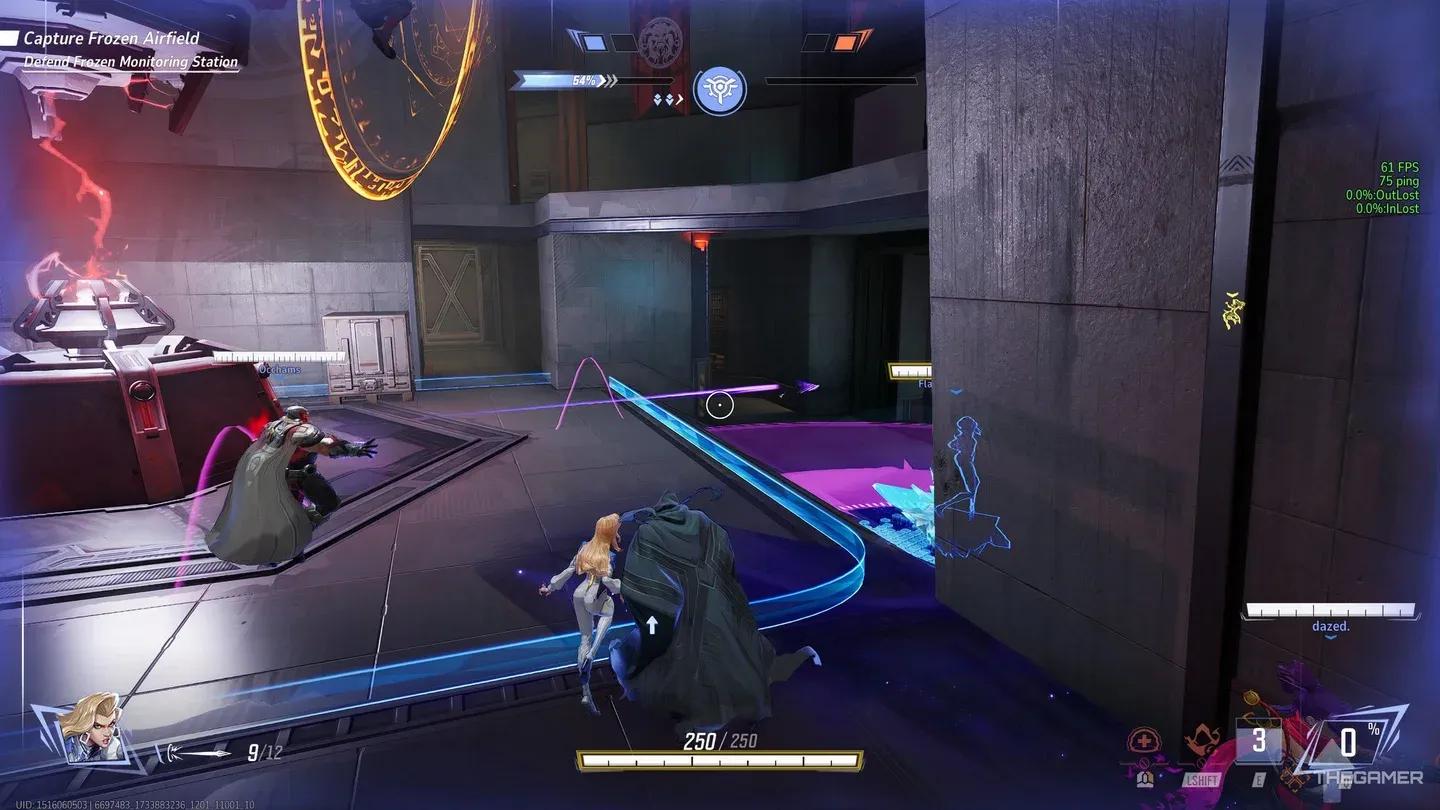
Dark Teleportation invisibility buff
Light's Embrace and Shadow's Embrace (Shift)
These Shift abilities are the stance-specific sustain tools. Use them to keep yourself or nearby allies topped off between major engagements. The exact healing values here can shift with balance patches, so check the official Marvel Rivals patch notes for the most current numbers.
Terror Cape (E)
Terror Cape sends a spell field advancing along the casting path. It is a zoning tool that can disrupt enemy positioning or peel off a flanker. The key detail is that the field moves forward rather than sitting stationary, so you need to aim it at where enemies are heading, not where they are standing.
Eternal Bond (Ultimate, Q)
Eternal Bond is the ultimate ability. It combines Cloak and Dagger's forces for a high-impact team play. The full details of its effects interact with team positioning, so practice the timing in quick play before committing to it in ranked.

Eternal Bond ultimate cast
From Shadow to Light: the team-up ability explained
From Shadow to Light is a passive team-up ability that activates when Cloak & Dagger are paired with specific teammates. The full list of compatible heroes and the exact stat bonuses are documented in the Cloak & Dagger balance changes history on the Marvel Rivals Wiki, which tracks every adjustment made to this ability since launch.
The team-up system in Marvel Rivals is worth building around. Picking heroes who activate From Shadow to Light gives your team a passive edge that compounds over a full match.
How does Cloak & Dagger compare to other Strategists?
There are 10 Strategists in Marvel Rivals as of Season 2. Cloak & Dagger rank 9th by win rate among them, sitting below the Strategist average of 52.9%. That gap is real, but their KDA of 7.82 actually beats the Strategist average of 7.00, which suggests the hero is dying less than their win rate implies.
The honest read: Cloak & Dagger underperform in the hands of players who do not actively manage their stance swaps. The raw healing ceiling is there. The issue is consistency.
| Strategist | Win Rate | Pick Rate | KDA |
|---|---|---|---|
| Ultron | 56.2% | 0.7% | 8.37 |
| Rocket Raccoon | 55.8% | 3.0% | 6.55 |
| Adam Warlock | 55.2% | 1.4% | 3.82 |
| Loki | 54.2% | 2.1% | — |
| Cloak & Dagger | 50.6% | 6.4% | 7.82 |
Data sourced from Season 2 match records (8,125 matches analyzed).
What are the best team compositions for Cloak & Dagger?
Cloak & Dagger work best in compositions that protect them long enough to cycle through their stance swaps. Because Dark Teleportation already gives you an escape option, you do not need a dedicated bodyguard, but you do need a frontline that can hold space.
A standard 2-2-2 structure with two Vanguards, two Duelists, and Cloak & Dagger as one of your two Strategists is the safest starting point. The second Strategist slot should ideally cover burst healing since Cloak & Dagger's output is more consistent than explosive.
Heroes who activate From Shadow to Light should be prioritized when your Duelists are flexible. The passive bonus is essentially free value that costs nothing to maintain once the lineup is set.

Building around Cloak & Dagger
Tips for new players picking up Cloak & Dagger
A common recommendation from the Marvel Rivals community is that Cloak & Dagger are one of the better entry-point Strategists for new players, specifically because Dark Teleportation provides a safety net that other supports lack. That said, getting real value out of the hero still requires a few habits:
- Swap stances based on the situation, not on a fixed rotation. If your team is healthy and an enemy is exposed, Darkforce damage is the right call. If your frontline is taking pressure, flip to Lightforce immediately.
- Land Lightforce Dagger on the ground near allies, not directly at enemies. The spell field heals anyone standing in it, so placement matters more than the pull effect in most situations.
- Save Dark Teleportation for your whole team, not just yourself. The Invisibility and Movement Boost it provides can bail out a Vanguard who overextended.
- Track enemy ultimates before using Eternal Bond. Spending your ultimate into an enemy ability that counters it (like Doctor Strange's portal) wastes the cooldown entirely.
- Focus on positioning over mechanics early on. Cloak & Dagger's kit is forgiving enough that good positioning will outperform mechanical perfection in most matches below Diamond.
For more hero guides and team-building resources, browse the full guides section at GAMES.GG where we cover the full Marvel Rivals roster.
Is Cloak & Dagger worth learning right now?
Yes, with the caveat that you need to commit to understanding both stances. The 50.6% win rate reflects the average player's experience, not the ceiling. Their KDA of 7.82 and average healing of 26,183 per match show that players who stay alive and manage their swaps are putting up genuinely competitive numbers.
The hero is not the easiest Strategist to pilot at a high level, but the toolkit is one of the most flexible in the roster. Dark Teleportation alone makes them worth learning for any player who struggles with dive matchups. The skill floor is accessible. The skill ceiling is high enough to stay relevant as you climb.