

Stubs are the engine behind everything in MLB The Show 26. Without them, building a competitive Diamond Dynasty roster feels like running a marathon in cleats two sizes too small. The good news? There are multiple reliable methods to stack stubs without spending real money, and once you understand how each one works, you can combine them into a farming routine that generates serious currency every single session.
What Are Stubs and Why Do They Matter?
Stubs function as the universal in-game currency powering nearly every progression system in MLB The Show 26. You use them to purchase players directly from the community marketplace, open card packs, acquire equipment for your Road to the Show character, and complete collections that unlock premium rewards. Unlike sports games that split currency into multiple tiers, stubs handle everything from roster upgrades to ballpark customization. The more you accumulate, the faster you can close roster gaps and field the high-rated players that actually move the needle in competitive modes.

Diamond Dynasty marketplace screen
How Does Marketplace Flipping Work?
Flipping cards on the community marketplace is the single most consistent stub-building method available without spending real money. The core mechanic is straightforward: place buy orders slightly above the current highest bid, then list those same cards for sale slightly below the lowest listed price. The gap between those two prices is your profit.
Targeting the Right Card Tiers
Focus on Bronze and Silver cards early in the game cycle. These move in high volume because players need them for collections and program objectives, which means price fluctuations happen frequently. A 100-stub profit per card sounds modest, but flipping 50 cards in a single session produces 5,000 stubs for relatively little effort.
Equipment and Perks as Hidden Opportunities
Equipment and perks are frequently overlooked by the broader player base, which creates wider profit margins for attentive flippers. Fewer players actively monitor these categories, so underpriced listings appear more often. Scanning equipment and perk listings alongside player cards adds meaningful stub income to each session.
Using Companion Tools
Download the MLB The Show Companion App to manage your buy and sell orders throughout the day without needing to be at your console. Third-party tracking sites like ShowZone also provide real-time market data to help you spot the most profitable cards and monitor price trends before committing stubs.
Place your sell orders just below the lowest current listing price rather than matching it. This positions your card at the front of the queue and moves inventory faster, which matters most when flipping high-volume Bronze and Silver cards.
What Offline Modes Give the Best Stub Returns?
Conquest Maps
Conquest remains the top offline mode for passive stub accumulation. Each map hides rewards under territories, including standard packs and raw stubs collected as you expand your influence across the board. Instead of capturing every single territory, target strongholds directly to complete maps more efficiently. Early in the cycle, maps like Nation of Baseball are repeatable, letting you earn bundle rewards multiple times.
Mini Seasons Mission Stacking
Mini Seasons offers a strong opportunity for mission stacking. Before starting a season, review active missions and build your lineup to address multiple objectives at once. If missions require strikeouts from Silver pitchers and home runs from Team Affinity players, use players who satisfy both conditions simultaneously. Playing on Rookie difficulty completes hitting missions faster and keeps the farming loop moving. Winning the championship earns vouchers that convert to meaningful stub and XP rewards.
Showdowns
Showdowns are scenario-based challenges that award large XP chunks and packs upon completion. The Run It Back style Showdowns historically deliver the best card-to-time ratio. Complete them quickly, gather the cards earned, and sell duplicates on the marketplace for additional stubs.
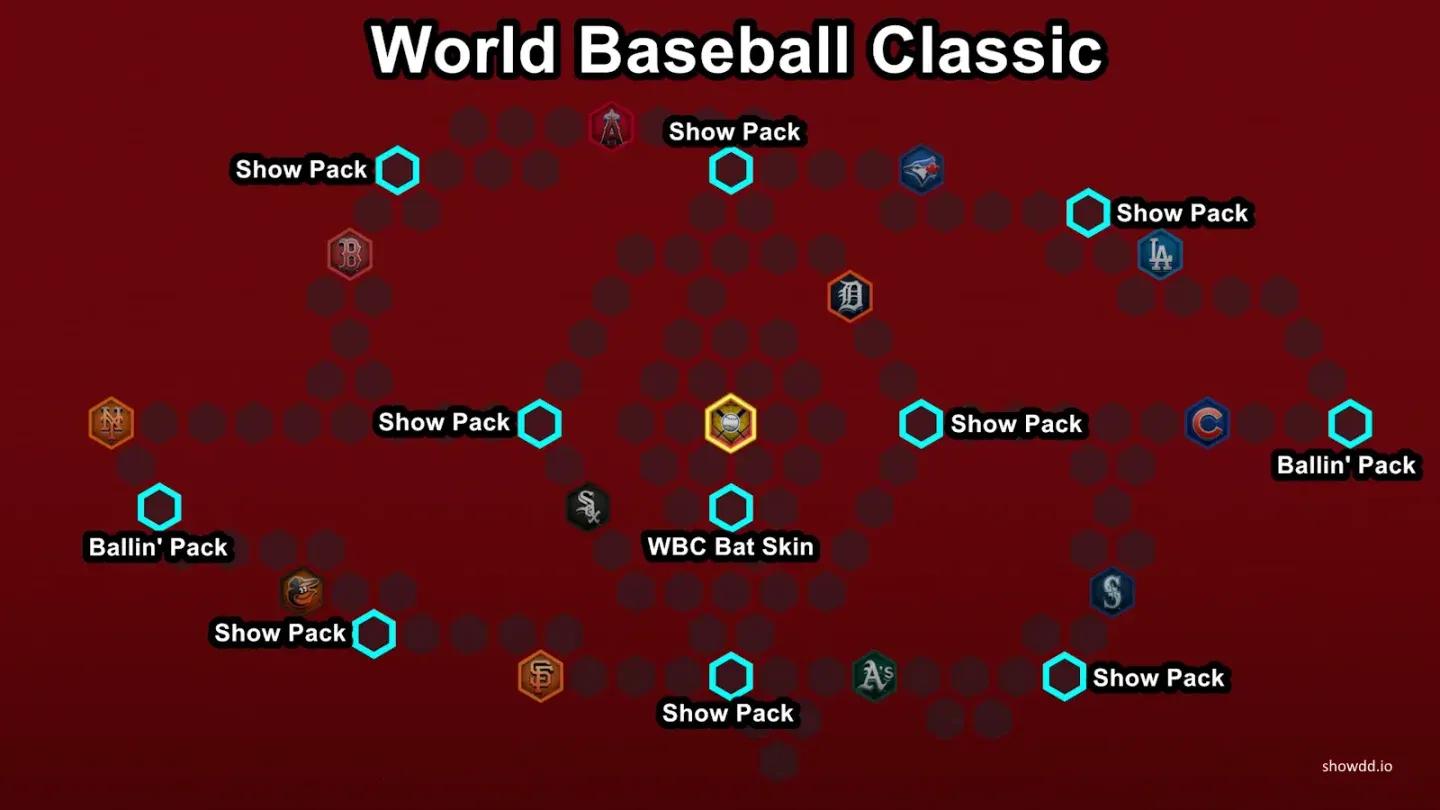
Conquest map territory rewards
How to Profit from Roster Updates
Every two weeks, Sony pushes bi-weekly roster updates that adjust player ratings based on real-world MLB performance. This predictable schedule creates one of the most reliable investment opportunities in the game.
Target Gold-rated players who are performing well enough in real life to warrant an upgrade to Diamond status. If you purchase a Gold card for 1,000 stubs before an update and it moves to Diamond, the quick-sell value alone jumps to 3,000 stubs, tripling your investment without paying marketplace taxes. Silver players on hot streaks can become Golds overnight using the same logic.
Follow real MLB box scores and identify young breakout candidates or comeback players before the broader market reacts. Acting early is where the real profit lives.
Roster updates are bi-weekly, not weekly. Time your investments to arrive at least two to three days before the expected update window so you are not caught holding cards during a price correction.
Stub Farming Method Comparison
What Free Methods Are People Overlooking?
Clean Your Inventory First
Most players sit on thousands of stubs worth of unwanted items without realizing it. Spend 15 minutes sorting through your inventory and quick-selling duplicate stadiums, equipment, jerseys, and sponsorship items you will never use. Bronze stadiums worth 150 stubs each add up fast when you have 40 sitting idle. Check your player binder for duplicate cards and non-essential Live Series players not needed for collections. This single housekeeping pass often yields 10,000 to 20,000 stubs hiding in plain sight.
Daily Exchanges
The Exchanges menu lets you trade low-value Bronze cards for Silver or Gold packs on a daily basis. These exchanges minimize cost while giving you better items to sell in the marketplace. Running them consistently builds a steady background income that compounds over time.
Flash Sales
MLB The Show 26 runs flash sales where specific card prices drop sharply for short windows, typically around one hour. Keep a reserve of stubs available during these windows, buy cards at the discounted price, and relist them 24 hours later once prices stabilize. Timing these purchases correctly turns a passive observation into reliable profit.
Daily Exchanges menu options
How to Handle Pack Discipline
Standard packs are mathematically structured to return less value than they cost over time. Spending 50,000 stubs on packs will mostly produce Bronze and Silver cards, which is a poor return compared to buying specific players directly from the marketplace.
Avoid purchasing packs directly with stubs unless you have already secured the players you need and have a significant reserve. The odds are not in your favor, and the stub drain can set your roster progress back significantly.
If you enjoy opening packs, earn them through Conquest maps, program completions, and Showdowns rather than buying them outright. This discipline alone separates players who consistently build strong rosters from those who wonder where their currency keeps disappearing.
Team Affinity as a Stub Source
Team Affinity programs reward you with tradable player cards as you grind through objectives. When you unlock a sellable Diamond from a program, check its market price immediately. Early in the content cycle, these cards command premium values before the market adjusts downward. Selling at peak price and reinvesting later when prices drop is a reliable loop that funds further progression without touching your stub reserve.
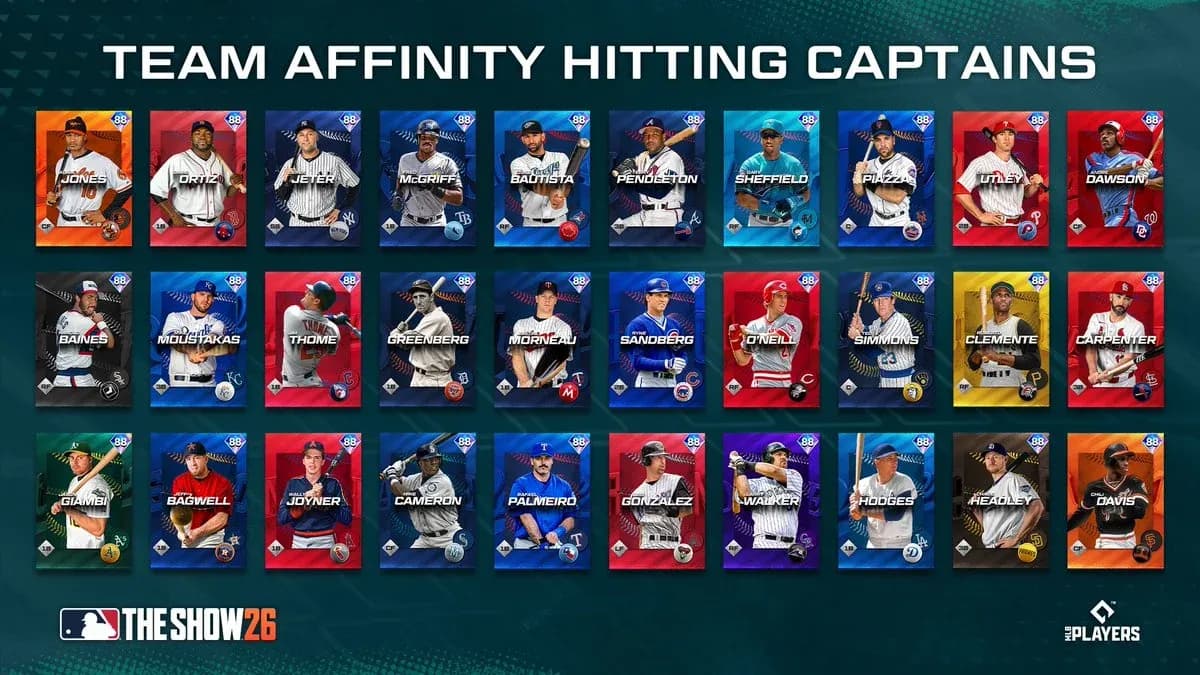
Team Affinity Diamond reward
Moments and Events for Bonus Stubs
Moments provide quick, low-effort stubs for completing specific scenarios, such as hitting a home run with a particular player or striking out a batter in a historical situation. Individual moment rewards are modest, but running through them systematically adds up quickly.
For competitive players, Events and Ranked Seasons offer substantial stub payouts at tier milestones. Participating early in the event cycle, when the competition pool is softer, helps you secure tier rewards before the skill level spikes later in the window.
Stack Moments during downtime between Conquest sessions. They require minimal focus and keep your stub income active even when you are not running a dedicated farming loop.
Building a Sustainable Weekly Routine
The most effective stub farmers combine multiple methods rather than relying on one. A practical weekly routine looks like this:
- Daily: Check marketplace orders, run Daily Exchanges, complete available Moments
- Every session: Play one Conquest map or Mini Season while monitoring flip orders
- Pre-update window: Identify roster update candidates and place targeted buy orders
- Weekly: Inventory cleanup pass, evaluate Team Affinity progress, sell earned program cards at peak price
Treating stubs as a tool rather than a shortcut, and maintaining a reserve to capitalize on market crashes when new content drops, is what separates players who consistently field competitive rosters from those perpetually chasing the next big card.