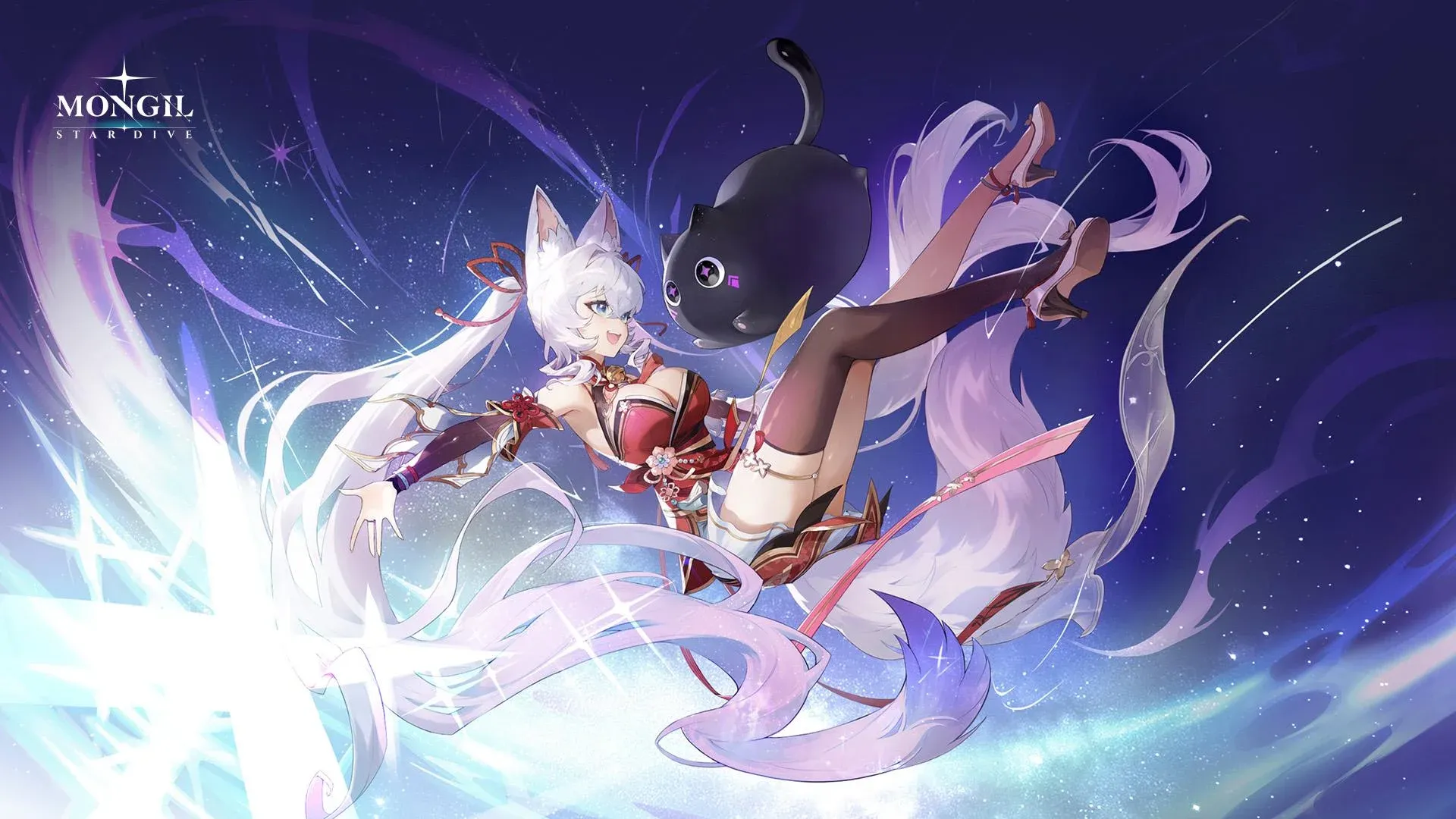


Netmarble Monster's Mongil: Star Dive arrived on PC and mobile on April 14, 2026, and it's already carving out a distinct space in the crowded anime RPG market. This isn't another Genshin clone. The game's monster-taming hook, fast-paced narrative, and chain-action combat system give it a personality of its own, and understanding how those systems connect is what separates players who breeze through content from those who hit a wall at the first Breakthrough gate.
What kind of game is Mongil: Star Dive?
Netmarble Monster spent 5 years building this free-to-play narrative-driven collection RPG with a core team of roughly 125 developers. The game functions as a spiritual reboot of the studio's earlier Monster Taming title (released in North America as Creature Academy in 2014). While some character concepts and the basic premise carry over, the development team approached this as a complete reimagining designed to fix the original's narrative shortcomings.
Comparisons to Genshin Impact and Wuthering Waves are inevitable, but the distinction matters: Mongil: Star Dive is not an open-world game. It's a narrative-focused RPG with polished real-time action combat built for a more casual audience. Expect rapid story progression, controls that work seamlessly on both mobile and PC, and systems that unlock quickly instead of hiding behind dozens of hours of grind.
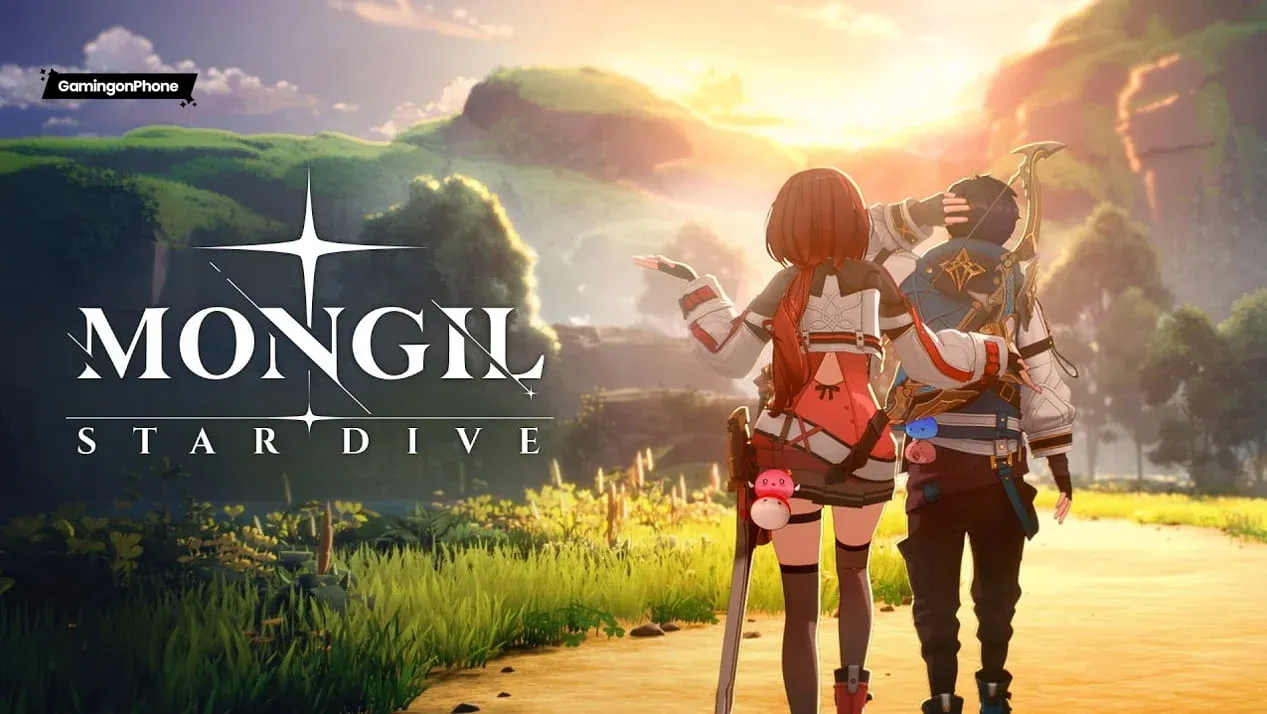
Three-man team combat setup
How does the combat system work?
Mongil: Star Dive's combat revolves around a "chain action" mechanic. You field a team of 3 characters simultaneously, and the crucial detail is that when you swap to a different character mid-combat, the character you just switched away from doesn't vanish. They remain active on the battlefield and continue attacking.
That persistent presence is where the depth emerges. Each character has distinct action patterns, a unique playstyle, and a specific method for building energy toward their ultimate skill. The interplay of elements, attributes, and action styles across your three-person squad determines your damage efficiency, and mastering swap timing is how you maximize that output.
The design goal is to enable all three team members to attack simultaneously at peak efficiency. Achieving that requires experimentation and learning each character's individual mechanics, but the controls themselves remain straightforward enough for mobile play.
What role does the elemental system play?
The elemental system ties directly into character chaining. Mixing characters with different elements amplifies your team's damage potential, and this is where the combat shifts from simple to strategically demanding. The basic swap mechanics are accessible, but optimizing elemental interactions and action timing requires genuine study.
What is the Monsterling system?
This is the game's defining feature and the most critical progression mechanic. Here's how it functions:
Your companion Nyanners can devour monster souls encountered in the field. Once devoured, a monster becomes an accessory called a Monsterling. Each character can equip multiple Monsterlings, and their bonus properties stack and combine. You can also modify the bonus features of individual Monsterlings to maximize efficiency.
Beyond field collection, there's a Monsterling fusion system. Merging two Monsterlings creates a new one, and the outcomes follow recipes visible in the menu. Some Monsterlings cannot be found in the field at all and are exclusively obtainable through specific fusion combinations.
How do you level up Monsterlings?
Monsterling progression operates on two tracks. The first involves dedicated EXP items that directly power up individual Monsterlings. The second is the fusion system described above. Monsterling growth is one of the most vital progression systems in the game, so treating it as an afterthought will slow your overall power curve significantly.

Monsterling fusion recipe screen
How does character progression work?
Progression begins with standard leveling mechanics. Characters gain levels through normal play, but eventually you'll hit a hard cap. Pushing past it requires a Breakthrough, which demands specific elite materials earned from dedicated content.
The first Breakthrough raises the level cap from Level 40 to Level 50. Beyond that, skills have their own upgrade paths that consume various materials, primarily earned through daily dungeons. Equipment follows both a level system and a tier system, adding another layer to the gear grind.
What does the gacha system look like?
The monetization approach follows proven market tactics rather than attempting to reinvent the wheel. The stated philosophy is that gacha should never gate narrative progress. You can complete the story without spending anything. Pulls make your characters incrementally stronger, not story-accessible.
The percentage rates are described as lenient compared to competitors, though specific numbers haven't been publicly detailed. The game is purely single-player with optional PvE co-op social features layered on top.
What is the story about?
The narrative follows two protagonists, Cloud and Verna, young adventurers and guild teammates who hunt monsters for bounties and occasionally tame them. Cloud possesses a unique ability to communicate with monsters and keeps experiencing recurring dreams about a mysterious fox girl with nine tails. That mystery anchors the early story and expands from there.
The world starts in a medieval Western fantasy setting with a forest region and a desert region, then opens up to dramatically different environments. A Korean medieval-era region called Sura has already been announced, and future areas include a cyberpunk-themed zone. Each region represents a distinct cultural background.
Every character in the roster has their own story, either woven into the main narrative or running as a separate storyline. The development approach builds enough narrative rationale around each new character to justify their addition to the game.
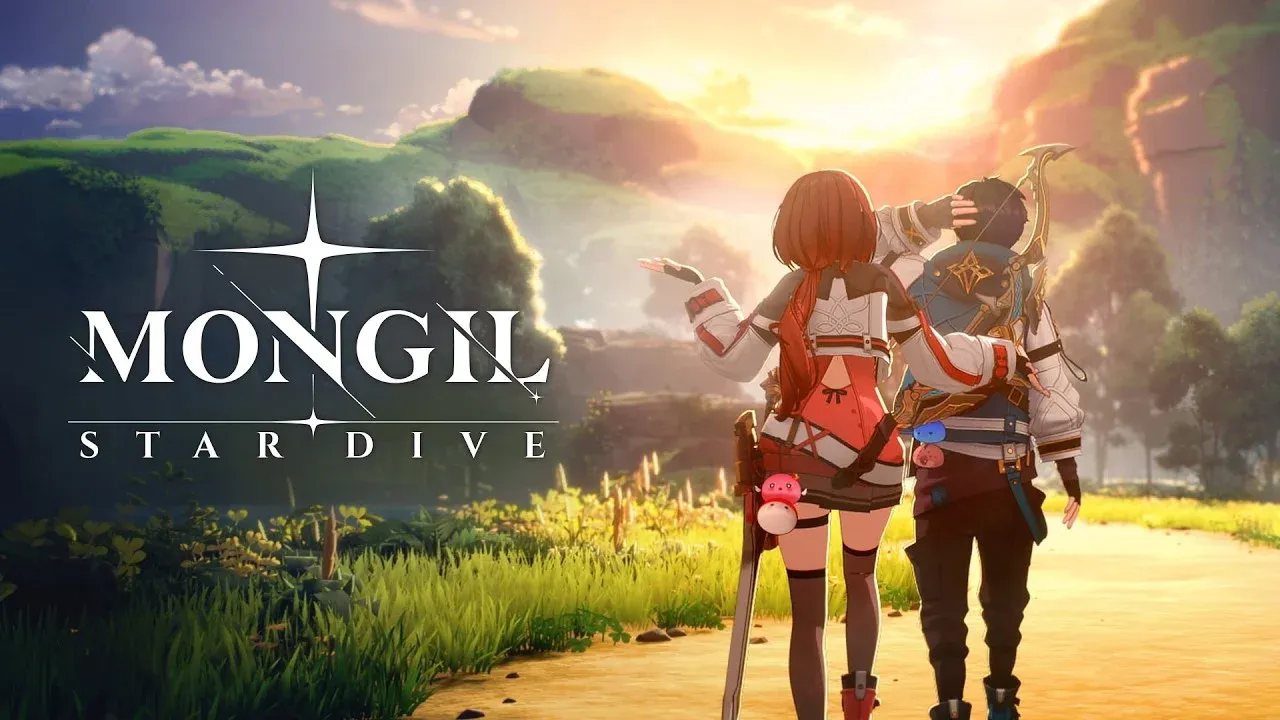
Cloud and Verna story intro
How often does Mongil: Star Dive get updated?
Netmarble plans a major update roughly every 6 weeks. Each update is expected to bring meaningful changes to game features and battle systems, along with new story chapters and characters. The schedule isn't locked to a fixed cadence, but that six-week window is the target.
What platforms is Mongil: Star Dive available on?
The PS5 and Xbox Series X/S versions are confirmed but don't have a release date yet.
Key tips before you start
Based on what Netmarble Monster has revealed ahead of launch, here's what to prioritize:
- Learn each character's energy mechanic separately. Every character builds ultimate skill energy differently. Knowing how to trigger those ultimates efficiently is the difference between a functional team and an optimized one.
- Take Monsterling fusion seriously from day one. The fusion system is the game's core differentiator, and some of the best Monsterlings require specific combinations you'll miss if you're just collecting randomly.
- Run daily dungeons consistently. Skill upgrade materials come from there, and skills have their own level system separate from character levels.
- Don't stress about gacha early. The narrative is designed to be completable without spending. Focus on learning the systems before chasing pulls.
- Experiment with team compositions. The chain action system rewards players who understand elemental interactions, not just those with the highest-rarity characters.
For more on upcoming RPGs and free-to-play games worth your time, browse more guides on GAMES.GG.