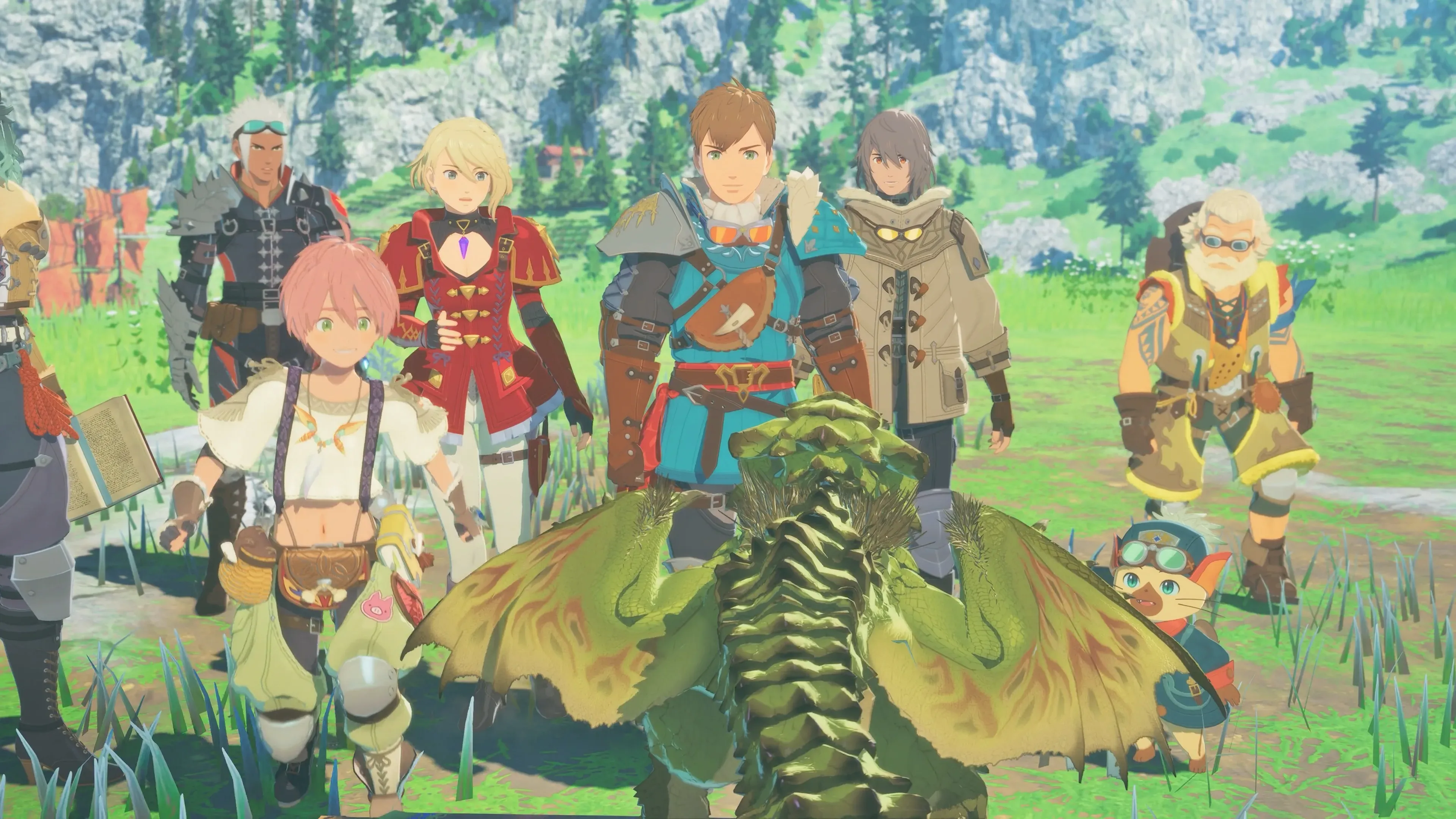


If you’ve just hatched your first egg in Monster Hunter Stories 3, you already know these little guys are way more than cute rides. They’re your squad, your damage dealers, and your key to surviving the twisted ecosystems of Azuria. The new habitat restoration system completely changed how you build them, so buckle up because this guide walks you through every evolution path, the fastest way to max stats, and bond builds that turn good monsties into absolute monsters. No fluff, just what actually works once you hit mid-game.
Monstie Evolution Paths Explained
The whole “evolution” thing in Monster Hunter Stories 3 boils down to the new habitat restoration loop, and yeah it feels grindy at first but it pays off huge. You release hatched monsties into specific map areas at camps, boost that area’s Ecosystem Rank all the way to S-rank, and suddenly the eggs you find there start mutating. That’s how you get dual-element monsties and special variants.
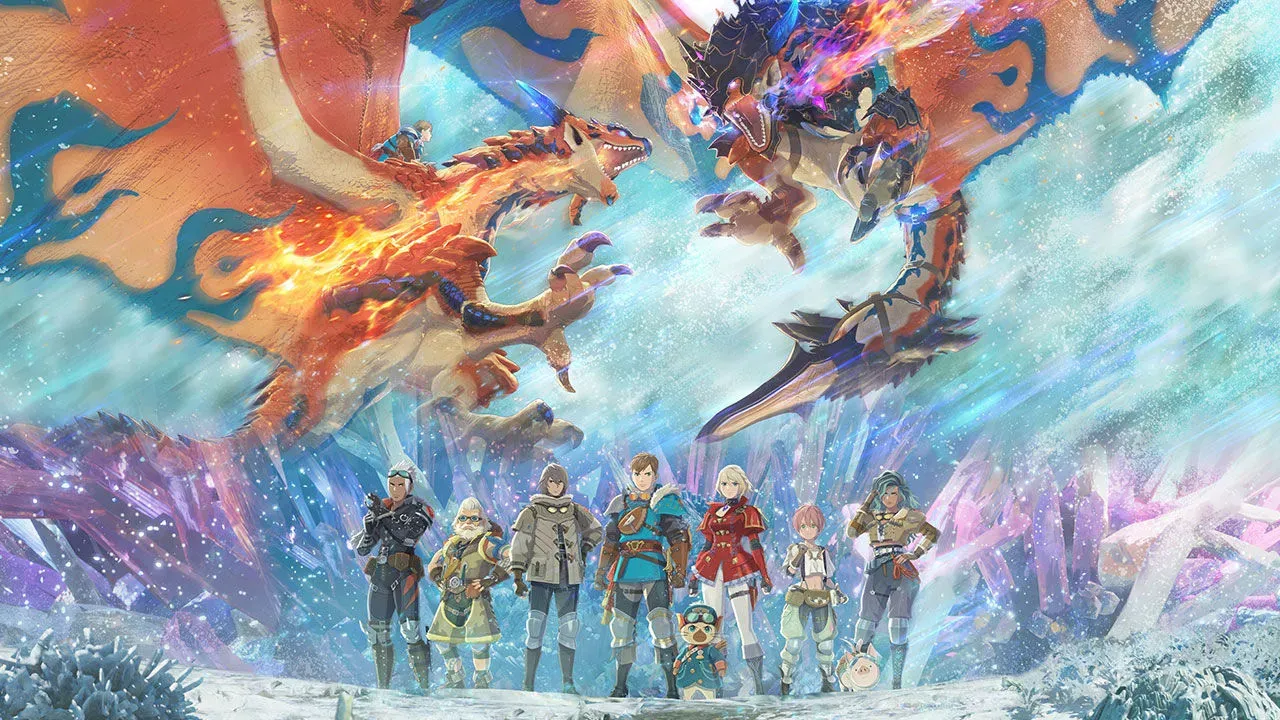
Hunter Stories 3 All Monstie Evolution Paths, Max Stats & Bond Builds
Here’s the deal: every zone has a dominant element. Drop a bunch of fire-type monsties into an ice zone, raise the rank, and your next batch of eggs can hatch with ice as a secondary element. The monstie keeps its original moves but gains new skills, boosted damage on the new element, and a fresh color palette. Tobi-Kadachi turning into an ice variant is the classic early example everyone’s farming right now.
Not all paths are the same though. Some rare deviants and subspecies only pop after you hit S-rank in very specific restored habitats or complete side stories tied to ecosystem events. You can’t force every single one yet since the game just dropped, but the method stays consistent across the board.
Dual-Element Monsties: What Actually Changes
Dual-element versions keep their base element for regular attacks and kinship moves, but any skills matching the new element get a fat damage and utility boost. Their weaknesses and resistances mostly stay the same, so you’re not suddenly weak to everything. Appearance changes too, which is sick for screenshot hunters. Check your Monsterpedia to preview colors before you commit eggs.
Pro tip: focus one zone at a time. Flood it with matching monsties, raise the rank fast, then farm eggs until the mutation hits. Takes a couple hours per zone but you’ll have a full dual-element roster before you know it.
Maxing Stats the Smart Way: Genes, Bingo, and High-Quality Eggs
Once your monstie has the right element variant, it’s time to pump those stats. Base stats from the egg matter more than ever (grab those rainbow-shine highly potent eggs from S-rank dens whenever you see them), but the real power comes from the updated Rite of Channeling and gene bingo.
Rite of Channeling is now completely non-destructive. You can freely move and copy genes between monsties without losing anything, so experiment all you want. Each gene has a type (Power, Speed, or Technical) plus an element. Slot them into the 3×3 grid on your monstie and line up three of the same type or element for massive bingo multipliers. Three Power genes in a row? Huge attack boost. Three Fire genes? Even bigger elemental damage.
Here’s a quick scan of the core gene types that carry the most weight right now:
Stack the right bingo on a dual-element monstie and you’ll see numbers that make late-game hunts feel fair again.
Leveling still happens through battles and excursions, but high-rank eggs plus optimal genes get you to level 99 faster than grinding random fights. Focus your main six monsties first, then rotate the rest. This is exactly why the last section on evolution matters. A dual-element base plus perfect bingo turns a normal monstie into an endgame beast.
Bond Builds That Actually Matter: Kinship Gauge & Ultimate Attacks
Your monstie’s bond is all about that kinship gauge now. Fill it by winning head-to-head clashes (match the correct Power/Speed/Technical prompt) and you unlock level 3 kinship attacks that hit like trucks. Every monstie has its own signature move, and dual-element versions get extra flair on the secondary element.
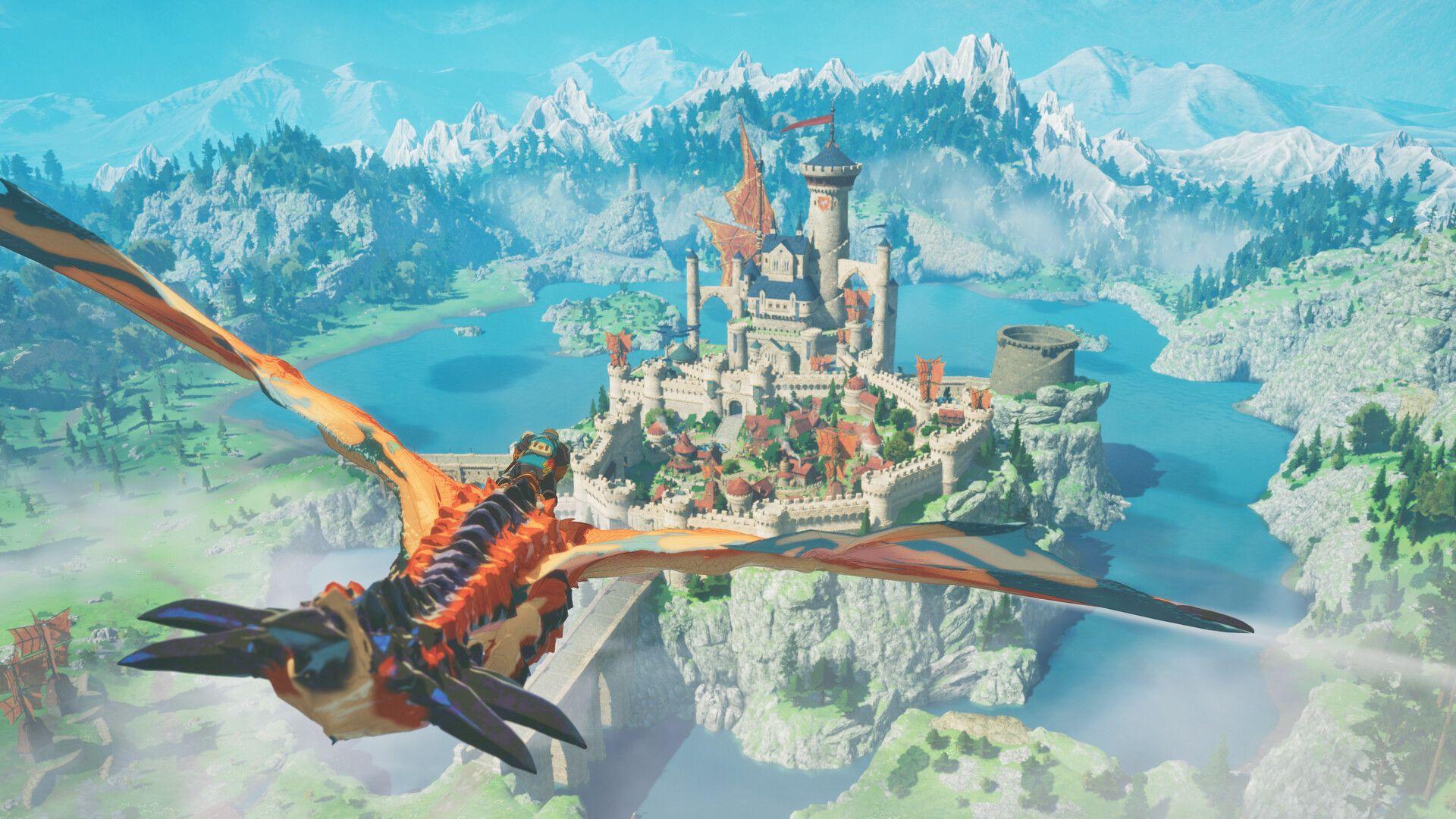
Hunter Stories 3 All Monstie Evolution Paths, Max Stats & Bond Builds
For bond builds, you want to lean into your monstie’s natural attack tendency. A Power monstie loves Critical Eye and Attack Up genes so its kinship attack crits for days. Speed builds stack evasion and speed genes to keep the gauge filling non-stop. Technical monsties shine with status genes that let you lock down bosses while the kinship meter climbs.
One strong early bond build everyone’s running: double-fire Raththeon with Fire Boost XL and Critical Eye XL genes in a bingo line. Ride it, win two clashes quick, and the kinship attack melts groups. Swap in your dual-element version later for even more spice.
Don’t sleep on party synergy either. Mix one Power, one Speed, and one Technical monstie so you always have the right clash answer no matter what the enemy throws. So scroll down because next we’re fixing exactly that problem of feeling stuck with weak kinship damage.
Wrapping It Up
There you go, rider. Start with habitat restoration to unlock those dual-element evolution paths, slap on the right genes for bingo bonuses to max stats, then build your bond around strong kinship attacks and you’ll steamroll everything the game throws at you. It feels rough when your first few mutations don’t hit the element you want, but stick with the release-and-rank loop and you’ll have a stacked stable in no time. Go hatch some eggs, restore some habitats, and make those monsties unstoppable. You got this. See you in Azuria.