


Egg Skills are one of the most exciting and frustrating parts of building the perfect monstie in Monster Hunter Stories 3: Twisted Reflection. They're completely random, tied to elemental conditions at birth, and can make or break your Rite of Channeling strategy. Knowing exactly what each skill does before you start hatching dozens of eggs will save you a ton of time and help you recognize a keeper the moment it appears.
What Are Egg Skills in Monster Hunter Stories 3?
Every monstie born under conditions that grant it a second element has a chance to receive an Egg Skill. This skill is always aligned with that second element, so the element your monstie inherits during hatching directly determines which pool of skills it can roll from. The skill itself is randomly assigned within that elemental pool, which means you have no direct control over the specific ability you receive.
That randomness is exactly why understanding the full skill list matters so much. When you know what Fire skills look like versus what Ice skills offer, you can make informed decisions about which eggs are worth pursuing and which monsties are worth investing in through the Rite of Channeling.
Every Egg Skill organized by element
Below is every Egg Skill currently in Monster Hunter Stories 3: Twisted Reflection, sorted by element for quick reference when you're evaluating what you might hatch.
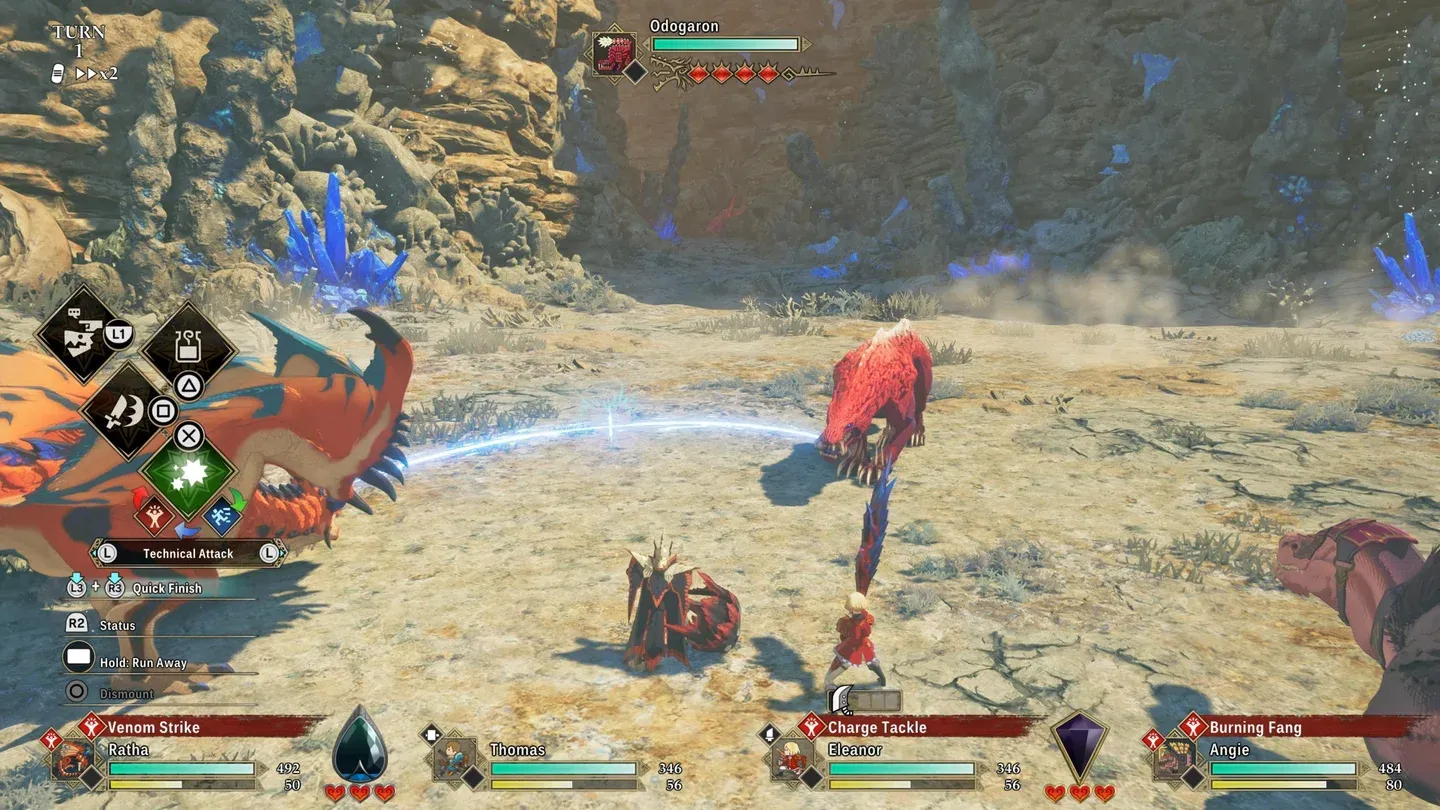
Full egg skill element breakdown
Which Egg Skills Are the Best?
Not all Egg Skills are created equal. Some provide team-wide benefits that scale with repeated use, making them far more valuable in longer or harder fights. Here's how to think about each elemental pool.
Normal Element Skills
Solar Cry stands out immediately because filling the Kinship Gauge completely is an enormous advantage. Kinship abilities are often the most powerful options in your arsenal, so having reliable access to a full gauge on demand is hard to beat. Nature Heal and Spirit Charge are solid support picks, while Circle Stance rewards players who plan for sustained defensive pressure.
Fire Element Skills
The Fire pool is arguably the strongest for offensive team builds. Fireform, Heat Shimmer, and Red Mastery all apply stacking team-wide buffs, meaning the longer a battle goes, the more dominant your party becomes. Flame Star is situationally powerful but requires you to sacrifice an attack turn, so it fits better in support-oriented monstie roles.
Dragon Element Skills
E. Dominance is a standout pick because it simultaneously reduces enemy offense and defense while getting stronger each time you use it. Dragon Gate fills a critical utility role by clearing all ailments from your entire team, which can be the difference between a wipe and a win against status-heavy enemies. Dragon Feller is the most straightforward option but relies on random targeting.
Ice Element Skills
Snow Mantle offers a strong personal buff package combining Dodge Up, Critical Up, and Speed Up all in one skill, making it excellent on fast-attacking monsties. Rime Wind is a team-wide Speed Up, which is useful for ensuring your party acts before dangerous enemies. Icebreaker applies Wyvernfell Up to the user, which boosts a specific damage type and pairs well with certain attack patterns.
Thunder Element Skills
Volt Arms is a standout for ailment-focused strategies since it raises the Ailment Inflict Rate for your whole team. If your party is built around inflicting status effects, this skill accelerates that plan significantly. Adamant Rage is a straightforward personal damage amplifier, while Charge Up provides team-wide regeneration support.
Water Element Skills
Composure is one of the better scaling skills in the game, applying Wyvernfell Up to all allies with increasing strength on each use. Lunar Cry fills a unique niche by stripping enemy buffs entirely, which is invaluable against bosses that stack powerful self-enhancements.
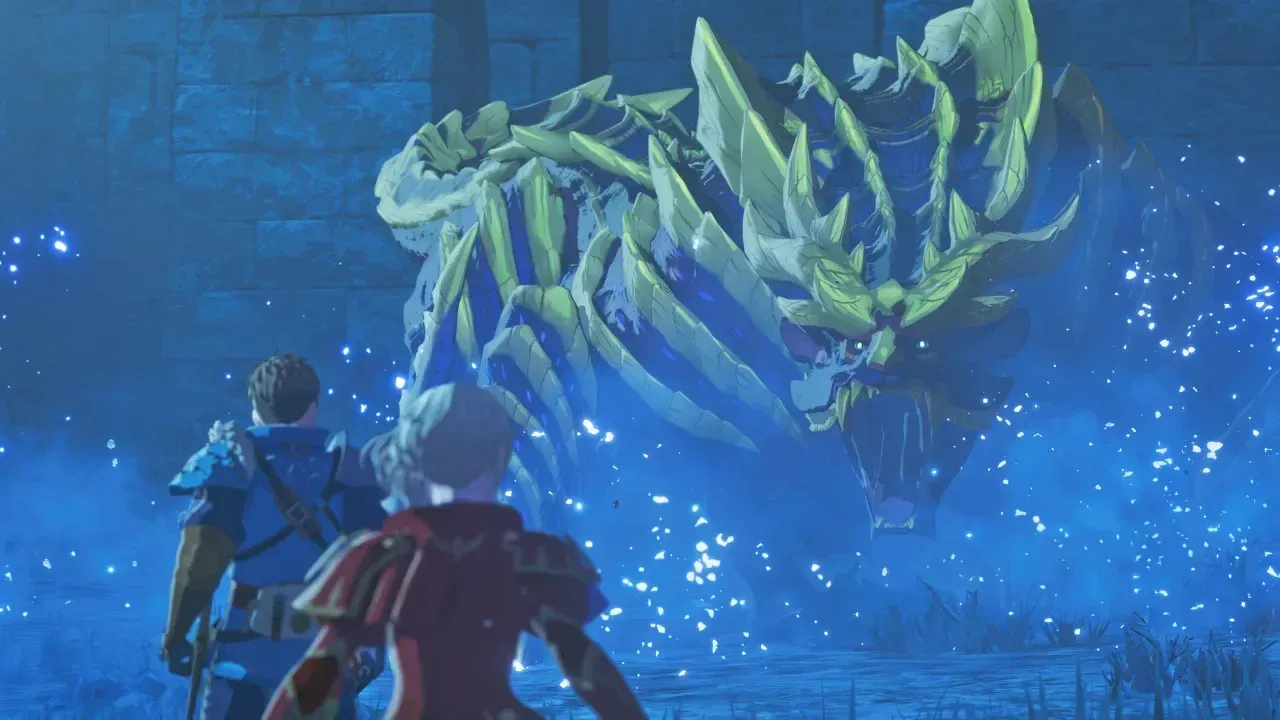
Rite of Channeling gene setup
How Do Egg Skills Interact with the Rite of Channeling?
The Rite of Channeling is where Egg Skills become truly significant. When you transfer genes between monsties, the Egg Skill attached to a monstie can influence the outcome and the power of the resulting creature. Mastering this system means you need to think about Egg Skills not just as passive bonuses but as part of a deliberate gene-building strategy.
If you want a monstie with a specific Egg Skill, you need to hatch eggs repeatedly until the right skill appears, then use that monstie as a channeling source. The randomness makes patience essential, but the payoff for landing the right skill on the right monstie is substantial.
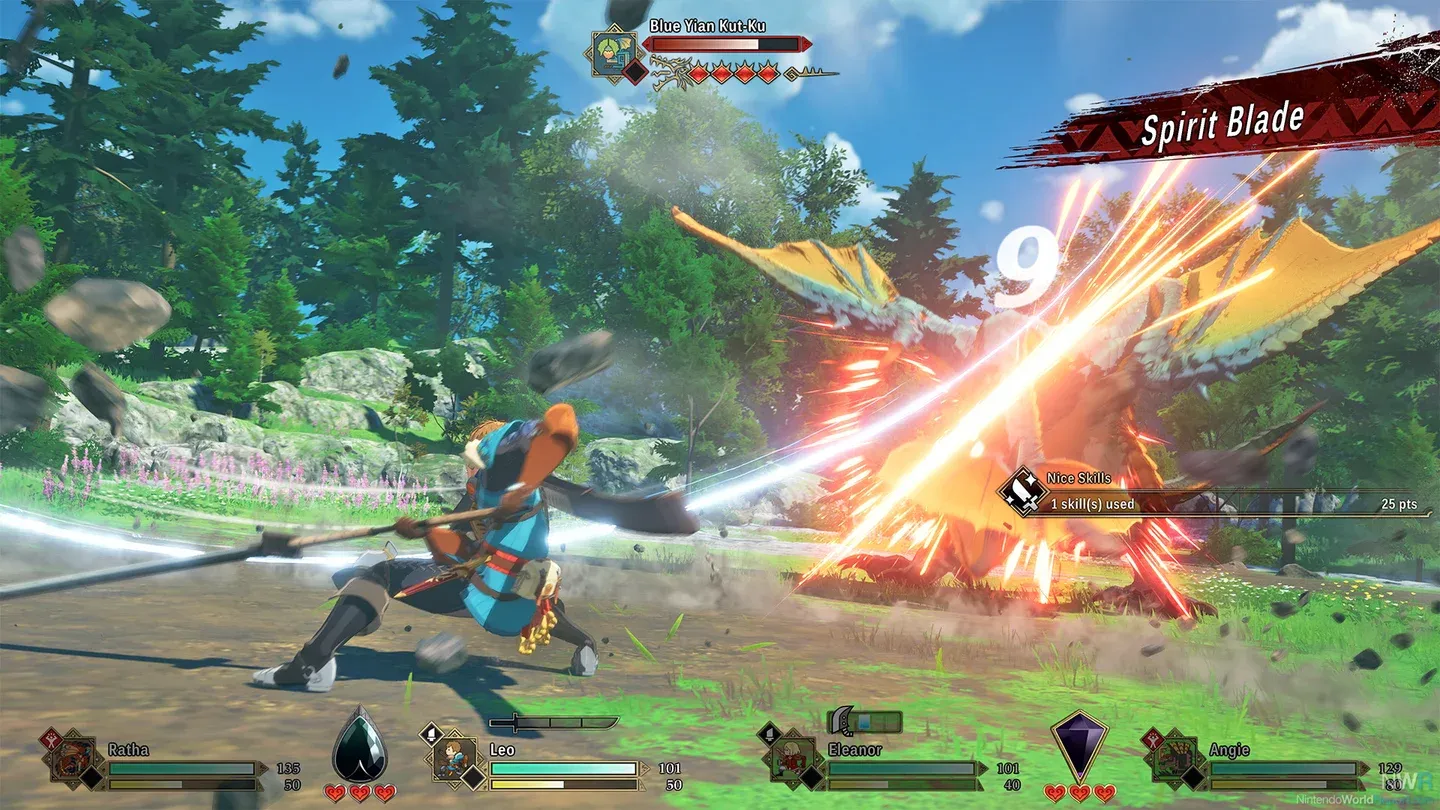
Gene channeling with egg skills
Tips for Getting the Egg Skill You Want
- Target specific elemental environments when gathering eggs so you control which elemental pool your monstie rolls from.
- Hatch eggs in batches rather than one at a time to speed up the search for a desired skill.
- Prioritize scaling skills like Fireform, Red Mastery, Composure, and E. Dominance for endgame content where fights last multiple rounds.
- Use Solar Cry on monsties that support a Kinship-heavy strategy to keep powerful abilities available throughout longer fights.
- Consider the role of your monstie before deciding which skill is best. A dedicated support monstie benefits more from Nature Heal or Charge Up than from a personal damage amplifier like Adamant Rage.