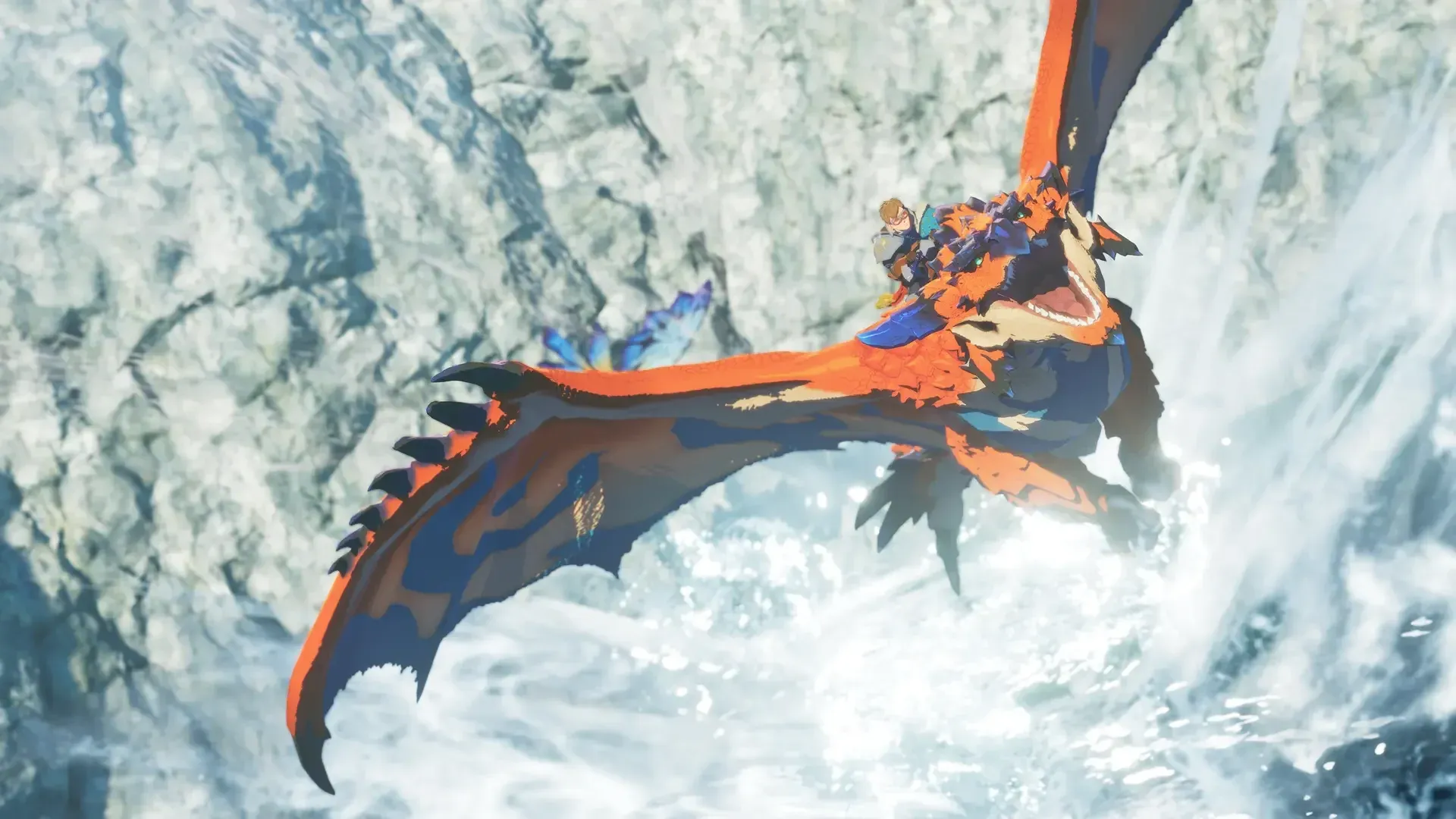


Monster Hunter Stories 3: Twisted Reflection puts your bond with monsters front and center, and the Monstie system is the beating heart of that experience. Whether you want a powerful combat partner or a creature that helps you cross difficult terrain, knowing which Monsties exist and how to get them gives you a serious edge from the very first hour of play.
What Are Monsties in Monster Hunter Stories 3?
Monsties are domesticated versions of the wild monsters you encounter throughout Monster Hunter Stories 3: Twisted Reflection. Unlike standard monsters that simply attack you in the field, Monsties are companions that serve two distinct roles: exploration partners and battle allies.
During exploration, each Monstie brings a unique traversal ability that lets you cross terrain your character alone cannot handle. In combat, they fight directly alongside you, using their natural abilities to support your attacks or deal damage independently.
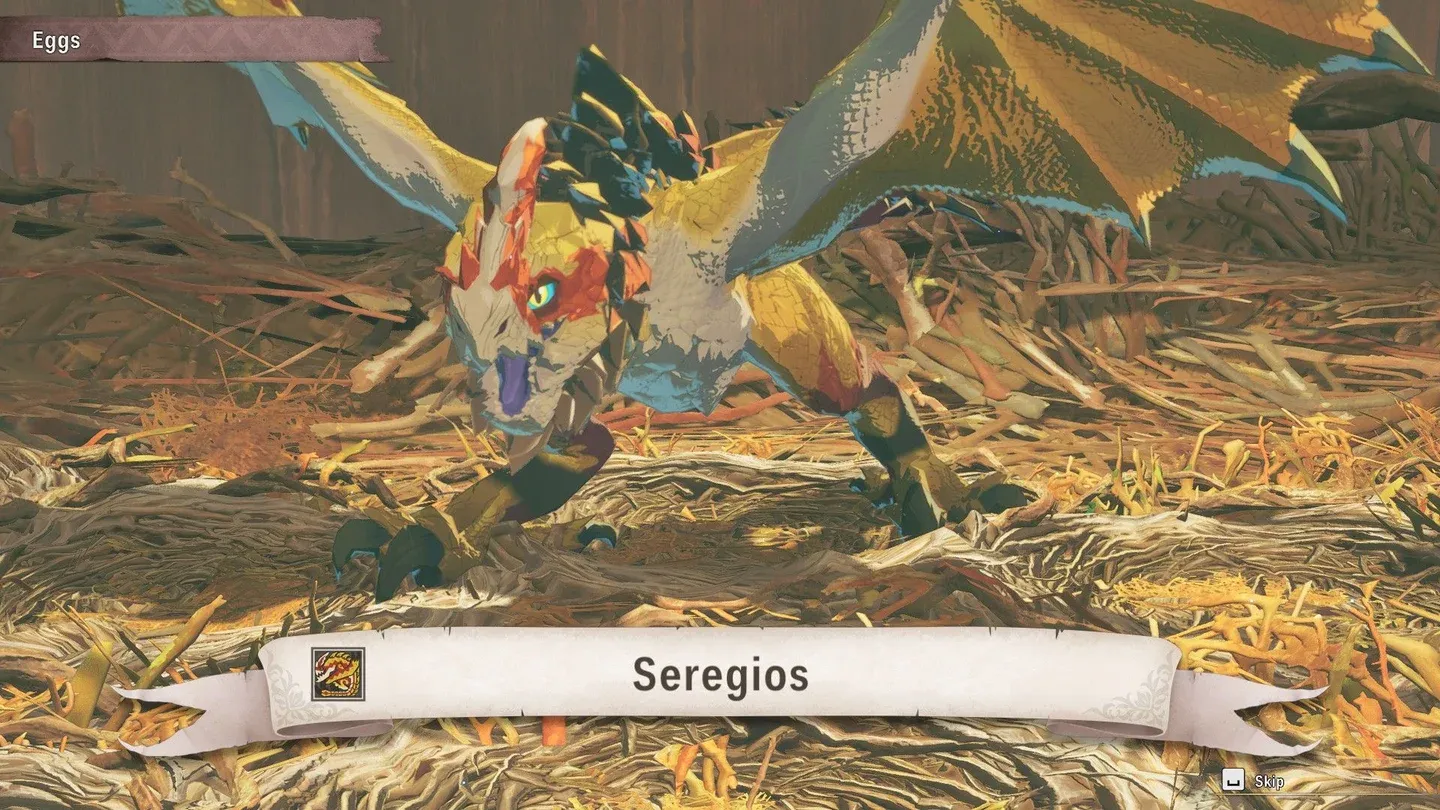
Hatch eggs to get Monsties
How Many Monsties Are in the Game?
As of the current information available, the exact total number of Monsties in Monster Hunter Stories 3 has not been officially confirmed. For context, Monster Hunter Stories 1 featured 67 Monsties, while Monster Hunter Stories 2: Wings of Ruin expanded that roster to 96. Based on this progression, the third entry is expected to offer a comparable or larger selection, though players should treat this as an estimate until an official count is released.
What Types of Monsters Can Become Monsties?
The Monstie roster in Monster Hunter Stories 3 spans a wide variety of creature classifications. Here is a breakdown of the major monster categories you can encounter and potentially hatch:
How Do You Get Monsties?
Finding and Hatching Eggs
To add any Monstie to your roster, you need to locate and hatch that monster's egg. Eggs are found in monster dens scattered across the various regions of the game. Once you retrieve an egg and hatch it at your base, the resulting creature joins your stable as a Monstie ready for both exploration and battle.
The type of egg you find determines which Monstie hatches, and rarer eggs tend to produce Monsties with stronger starting genes.
Genes and Customization
Each Monstie carries a gene grid that defines its stats and abilities. You can improve a Monstie's capabilities by obtaining better genes through repeated egg hunting and gene transfer mechanics. This system gives experienced players a way to fine-tune their favorites well beyond their base form.
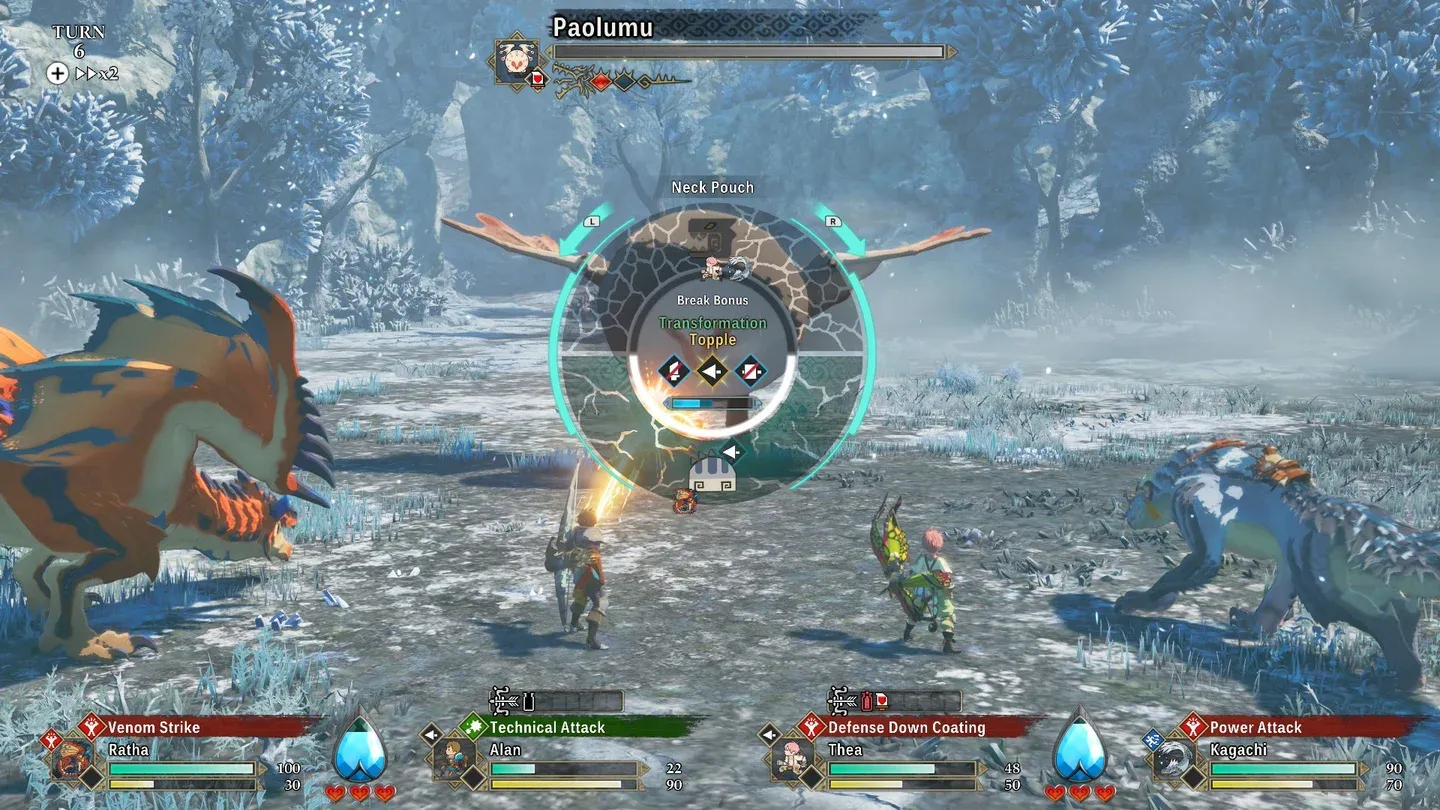
Gene grid for Monstie builds
Notable Monsties to Know About
While the full tier list is still being refined as players explore the game, several Monsties stand out based on their abilities and versatility:
- Lagiacrus: A powerful Leviathan with strong thunder-element combat potential and useful water traversal.
- Anjanath: A Bird Wyvern known for aggressive fire-based attacks that can apply consistent pressure in battle.
- Tobi-Kadachi: Offers strong aerial mobility alongside reliable thunder and poison capabilities.
- Royal Ludroth: A solid early-game Leviathan that provides water traversal and decent bulk in fights.
- Rathian and Pink Rathian: Classic Flying Wyverns with poison and fire coverage, making them adaptable in many combat scenarios.
- Nerscylla: A Carapaceon that brings sleep and poison utility, excellent for controlling difficult encounters.
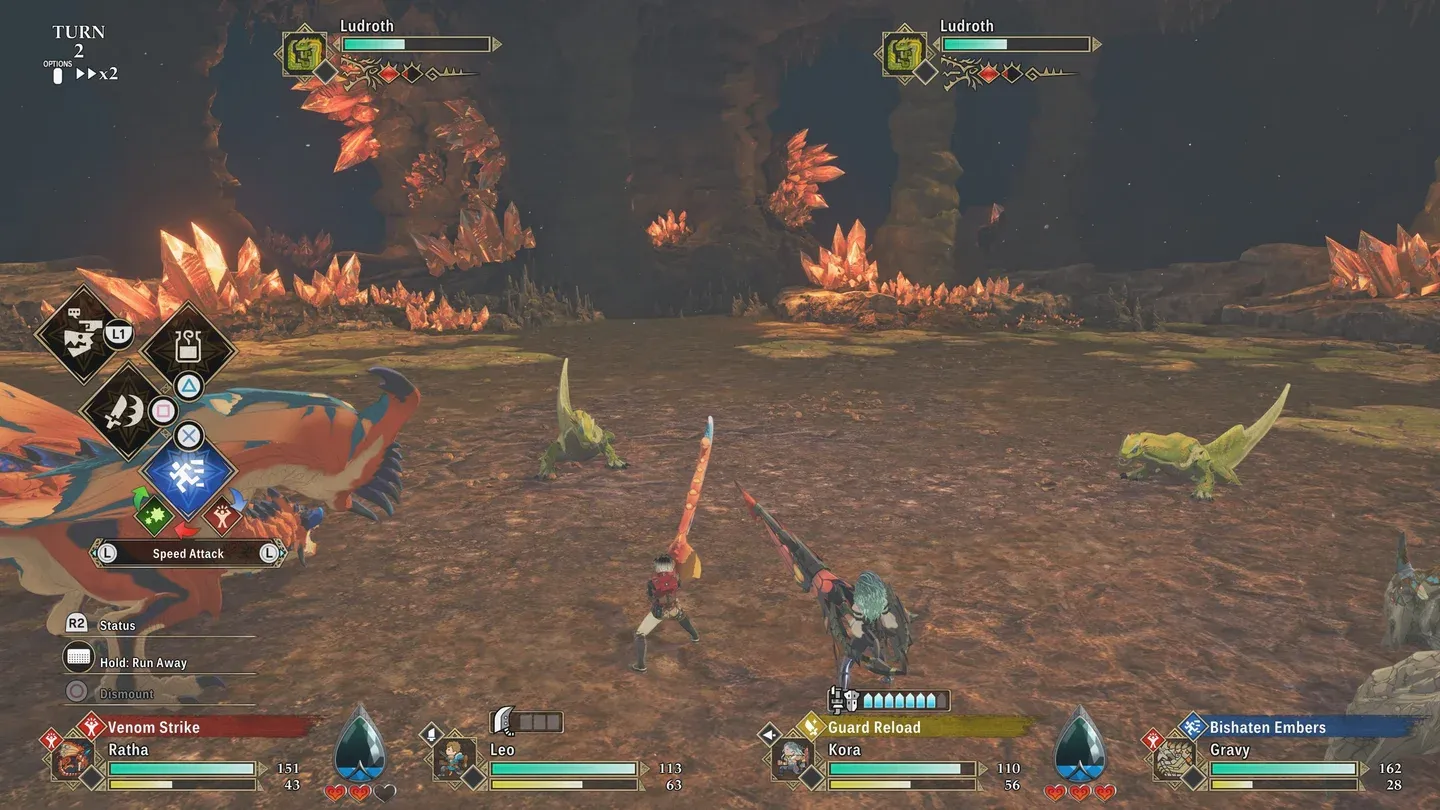
Lagiacrus thunder attack in battle
Other Monsters in the World
Not every creature you encounter can become a Monstie. Monster Hunter Stories 3 also features smaller monsters that appear in the field and can be battled, but cannot be hatched or added to your stable. These include creatures like Aptonoth, Izuchi, Bnahabra, Velociprey, Gargwa, and others. They serve as environmental hazards and resource targets rather than potential companions.
Additionally, the game features special categories of harder monsters:
- Invasive Monsters: Powerful creatures that have disrupted local habitats, including Invasive Yian Garuga, Invasive Seregios, and Invasive Shogun Ceanataur.
- Feral Monsters: Corrupted versions of standard monsters with heightened aggression.
- Mutated Monsties: Altered versions of standard Monsties with different stat profiles.
- Endangered Monsties: Rare creatures tied to the game's conservation and habitat restoration systems.
How Does the Monstie System Connect to Exploration?
Each Monstie's traversal ability is tied directly to its creature type and natural behavior. A water-based Leviathan like Royal Ludroth helps you cross rivers and flooded areas, while a nimble creature like Tobi-Kadachi may assist with vertical climbing. Matching your active Monstie to the terrain you plan to explore is one of the most practical habits you can build early in the game.
Building a stable that covers all terrain types ensures you never find yourself locked out of a den or region simply because you brought the wrong partner.
Monstie Combat Basics
In battle, your Monstie acts based on the attack type system at the core of Monster Hunter Stories 3 combat. Battles use a Power, Speed, and Technical triangle, and both you and your Monstie must read the enemy's attack type to counter correctly. When you and your Monstie target the same attack type as the enemy, you trigger a Synchro Rush, a powerful coordinated attack that deals significantly increased damage.
Choosing Monsties whose natural attack types complement your weapon style makes the Synchro Rush easier to trigger consistently, which is one of the most impactful things you can do to improve your battle performance.