Biggest discounts, free games, and limited-time offers across every major gaming store.
Never pay full price again.
Overview
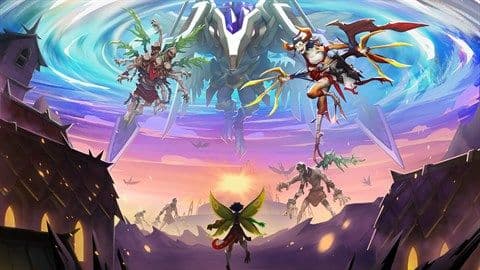
Monster Train 2 is a vertical roguelike deckbuilder developed by Shiny Shoe and published by Big Fan Games, released on May 21, 2025. The premise flips the usual fantasy power dynamic: Titans have seized control of Heaven, forcing former angels and demons into an uneasy alliance. Players command this coalition aboard armored trains, fighting through Hell, Heaven, and the Abyss to bring the Titans down before the world collapses entirely. It's a strong setup that gives the familiar card-battling structure a clear narrative spine.
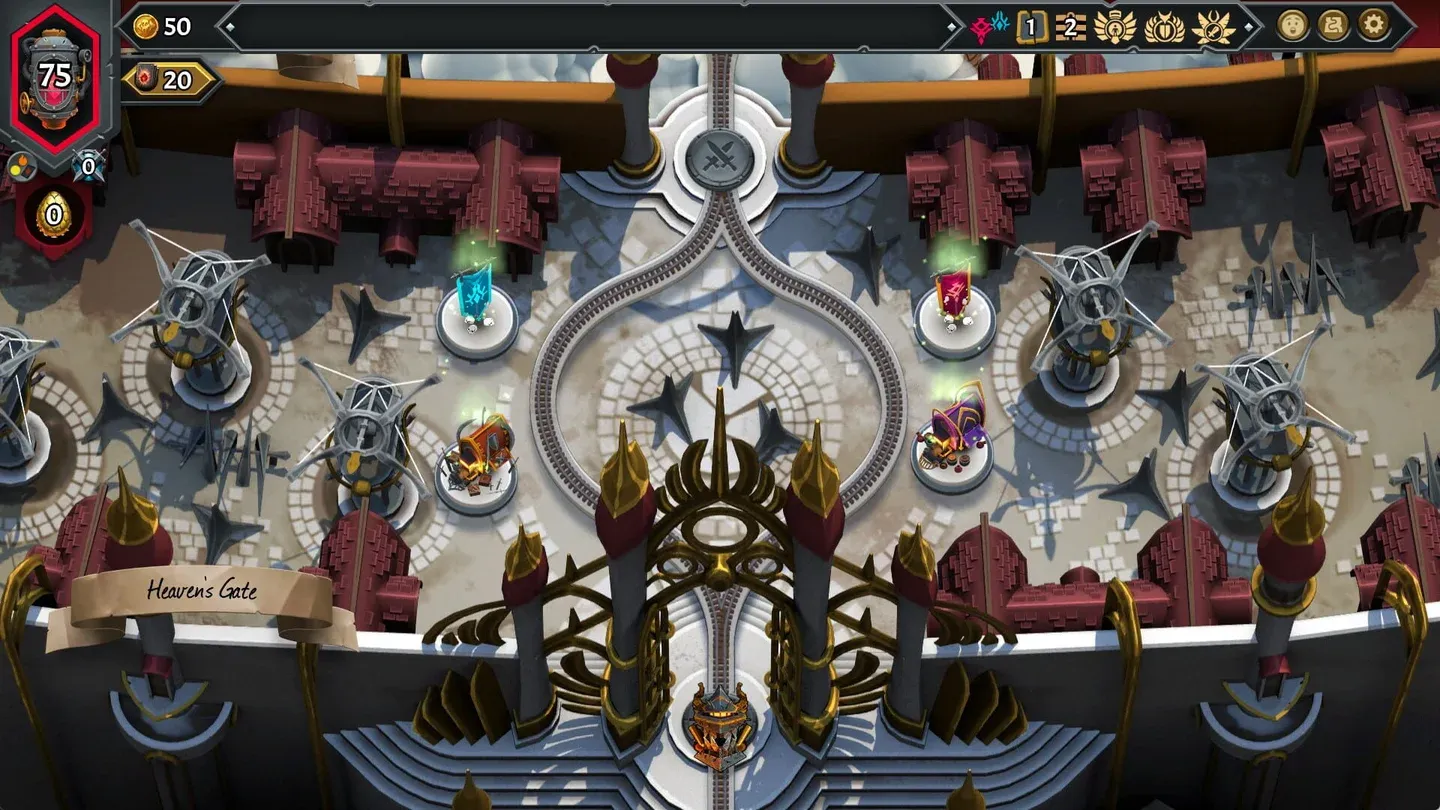
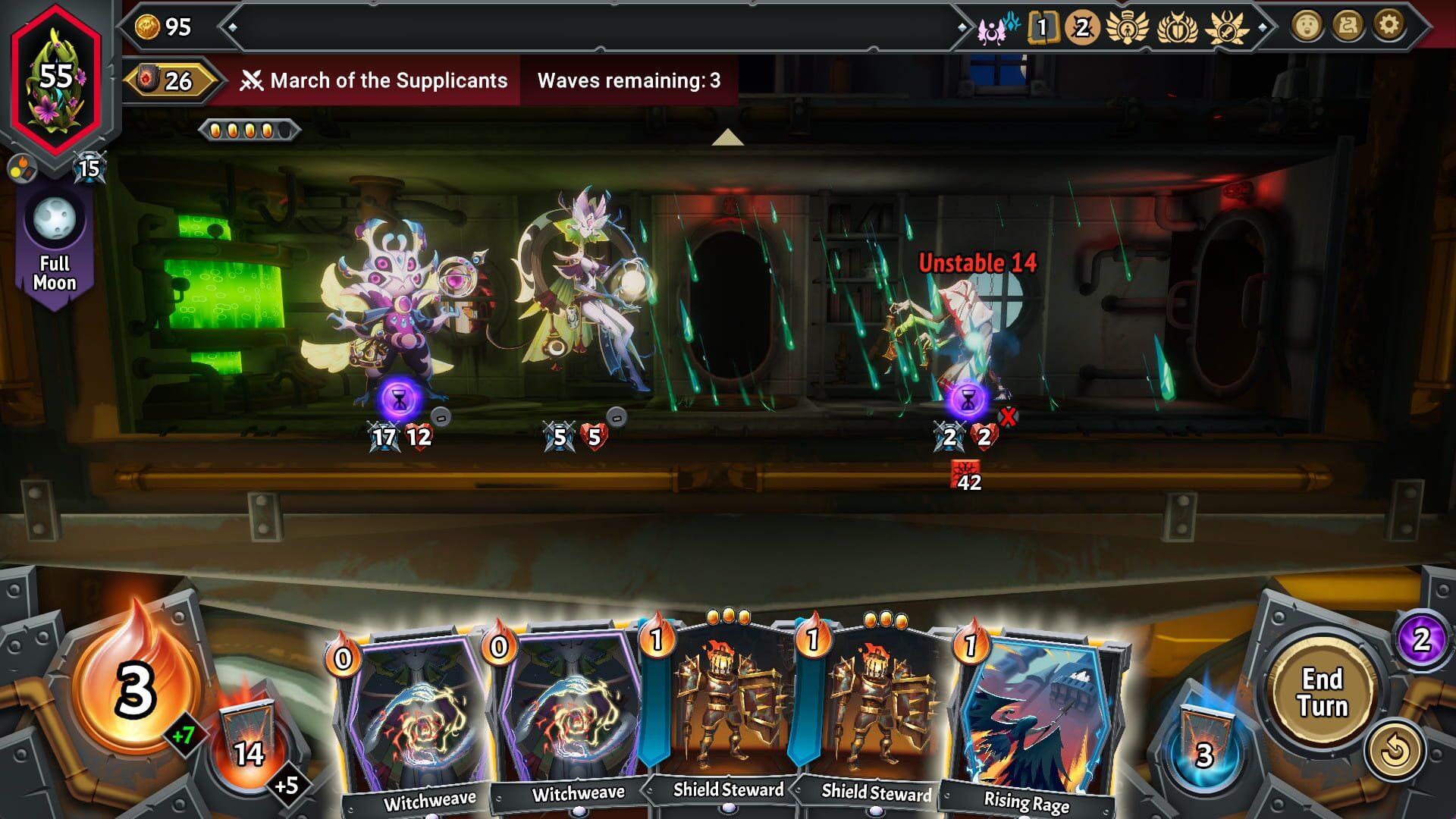
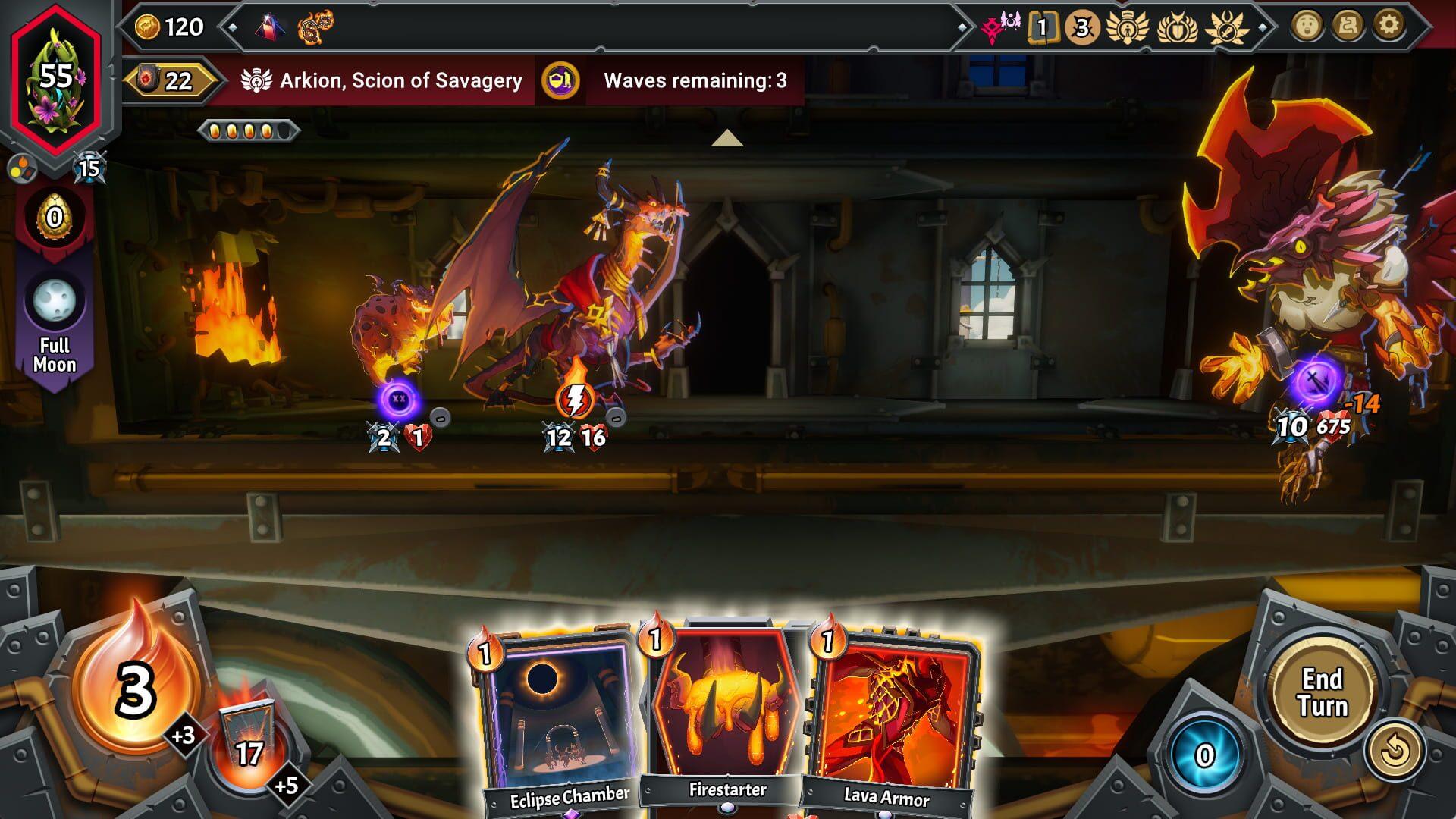
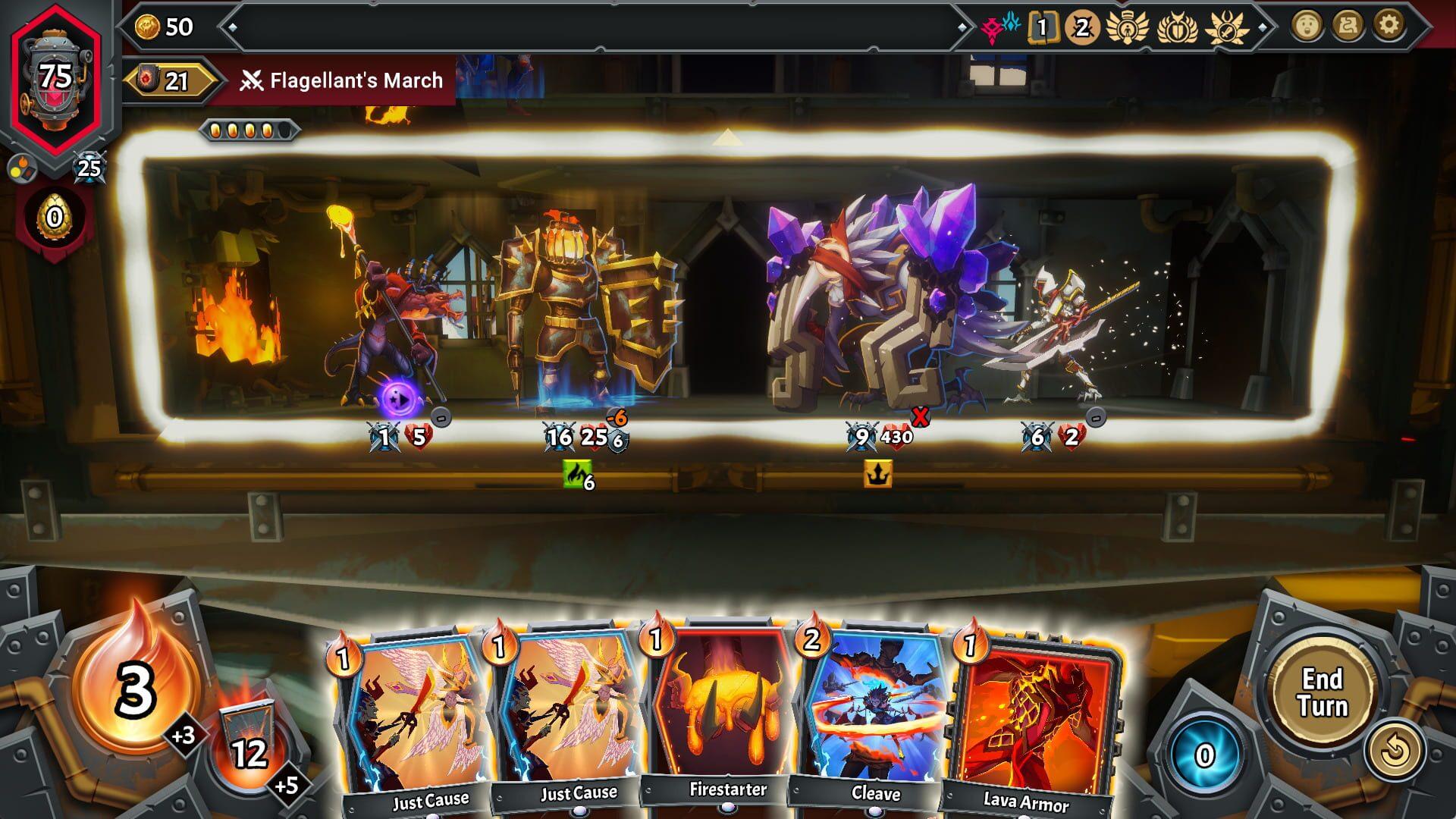
The three-tiered vertical battlefield returns from the original, and it remains the defining mechanical idea here. Enemies push up through the train's floors, and players must position units strategically across each level to hold the line. That spatial puzzle layer is what separates Monster Train 2 from flatter card games, and the sequel doesn't abandon it in favor of novelty. It builds on it.
Gameplay and mechanics: what does Monster Train 2 actually play like?
Monster Train 2 puts five brand-new clans at the center of its deck-building loop, each with distinct unit types, card synergies, and strategic identities. Choosing a clan isn't just a cosmetic decision. It shapes every run from the draft phase through the final boss encounter.
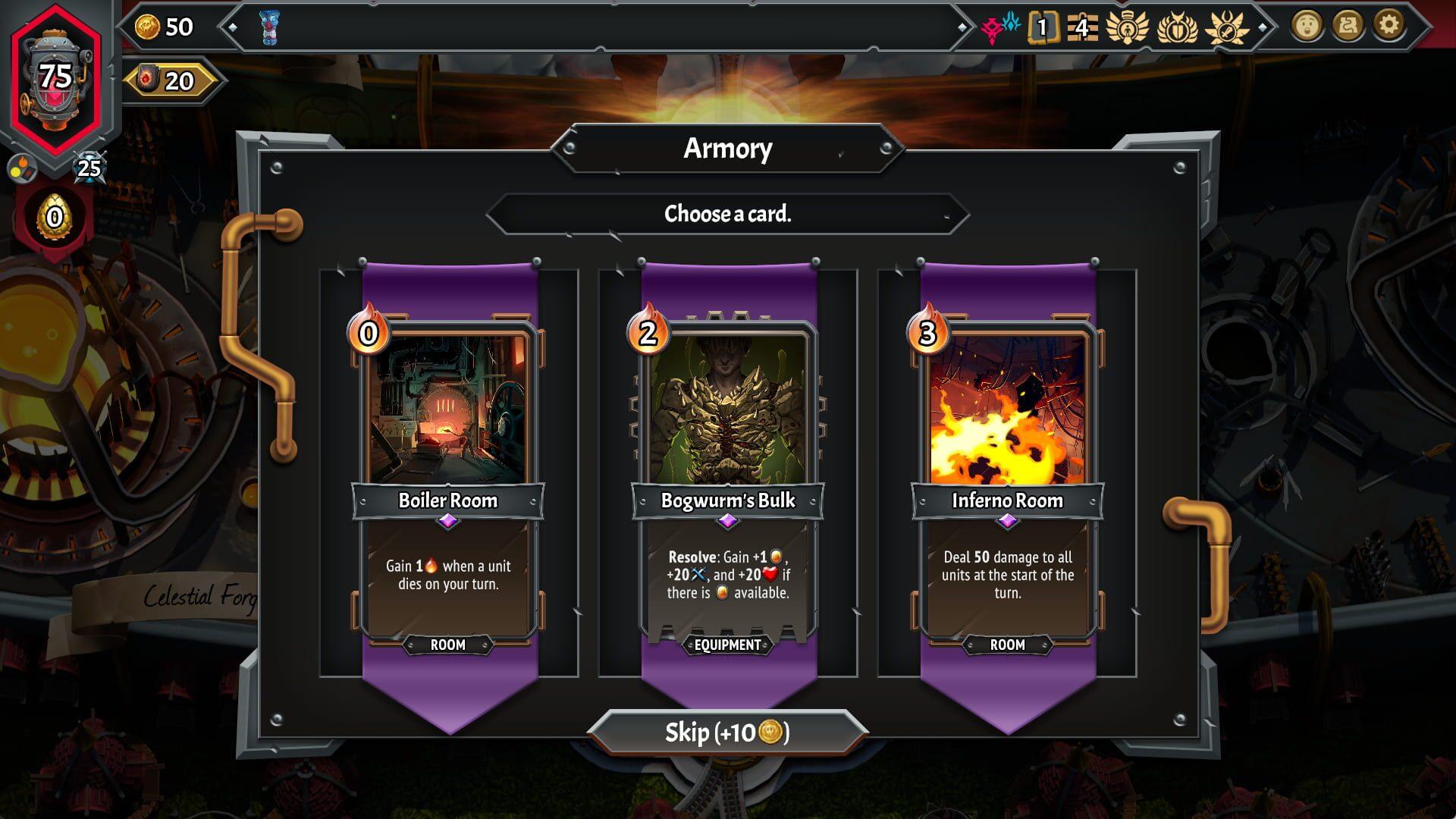
Two new card categories add meaningful depth to the system:
- Room Cards: permanent boosts installed on specific train floors
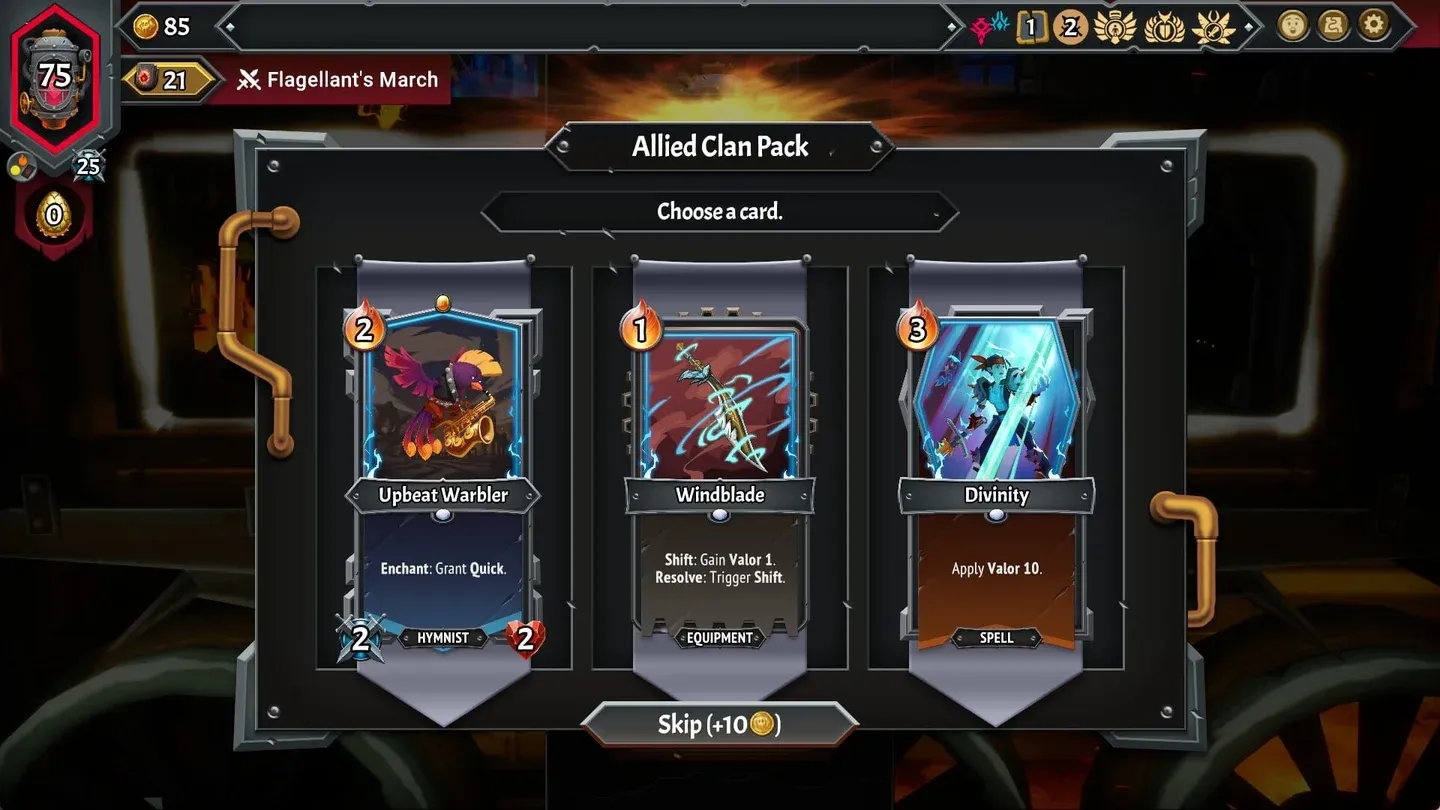
- Equipment Cards: attachments applied directly to individual units
- Pyre Hearts: run-customization items that also advance the story
- Dimensional Challenges: handcrafted scenarios with unique mutators
- Daily Challenges: global leaderboard runs with skill-based scoring
Room Cards in particular change the calculus of floor placement. Stacking a damage-amplifying room effect with a unit already positioned there creates the kind of compounding synergy that makes the deckbuilder genre satisfying at its best.
Equipment Cards work similarly for units, letting players tailor individual fighters rather than relying purely on deck composition. The result is a layered progression system where the same clan can produce wildly different outcomes depending on which cards appear and which equipment gets slotted in.
Content and replayability: how much is there to do?
This is where Monster Train 2 makes its clearest case for long-term play. The Covenant Outpost serves as the between-run hub, housing character interactions that move the story forward and acting as the gateway to every major mode. It's a cleaner structure than the original's menus, and it gives the sequel a more cohesive feel.
Beyond the core roguelike runs, Dimensional Challenges offer hand-built scenarios that sit outside the procedural loop entirely, rewarding completion with cosmetic unlocks. The Logbook tracks enemy data, collection progress, and friend comparisons, making it a genuine reference tool rather than a checkbox screen.
Celestial Alcoves introduce random events during runs, some of which reportedly pull in references from outside the Monster Train universe entirely. Endless Mode, one of the most-requested features from the original player base, also arrives here, letting players push a single run to its absolute limit against escalating difficulty.
Train customization adds a cosmetic layer on top, letting players unlock and swap out visual components for their locomotive between runs.
World and setting
The story of Monster Train 2 leans harder into its lore than the original did. The Titans aren't just a mechanical threat. They're a narrative force that reshapes the setting's entire power structure, and the alliance between angels and demons gives the writing room to play with tension and unlikely cooperation. The Covenant Outpost character interactions develop this further, tying story progression to gameplay milestones rather than cutscenes.
Conclusion
Monster Train 2 is a confident, content-rich sequel that expands the roguelike deckbuilder formula the original established without discarding what made it work. New clans, Room and Equipment Cards, multiple distinct game modes, and a story with actual stakes give both returning players and newcomers plenty to engage with. The vertical three-floor defense structure remains as strategically satisfying as ever, and the added systems layer on top of it rather than obscuring it. For anyone serious about card-based strategy games, Monster Train 2 makes a strong case for itself.