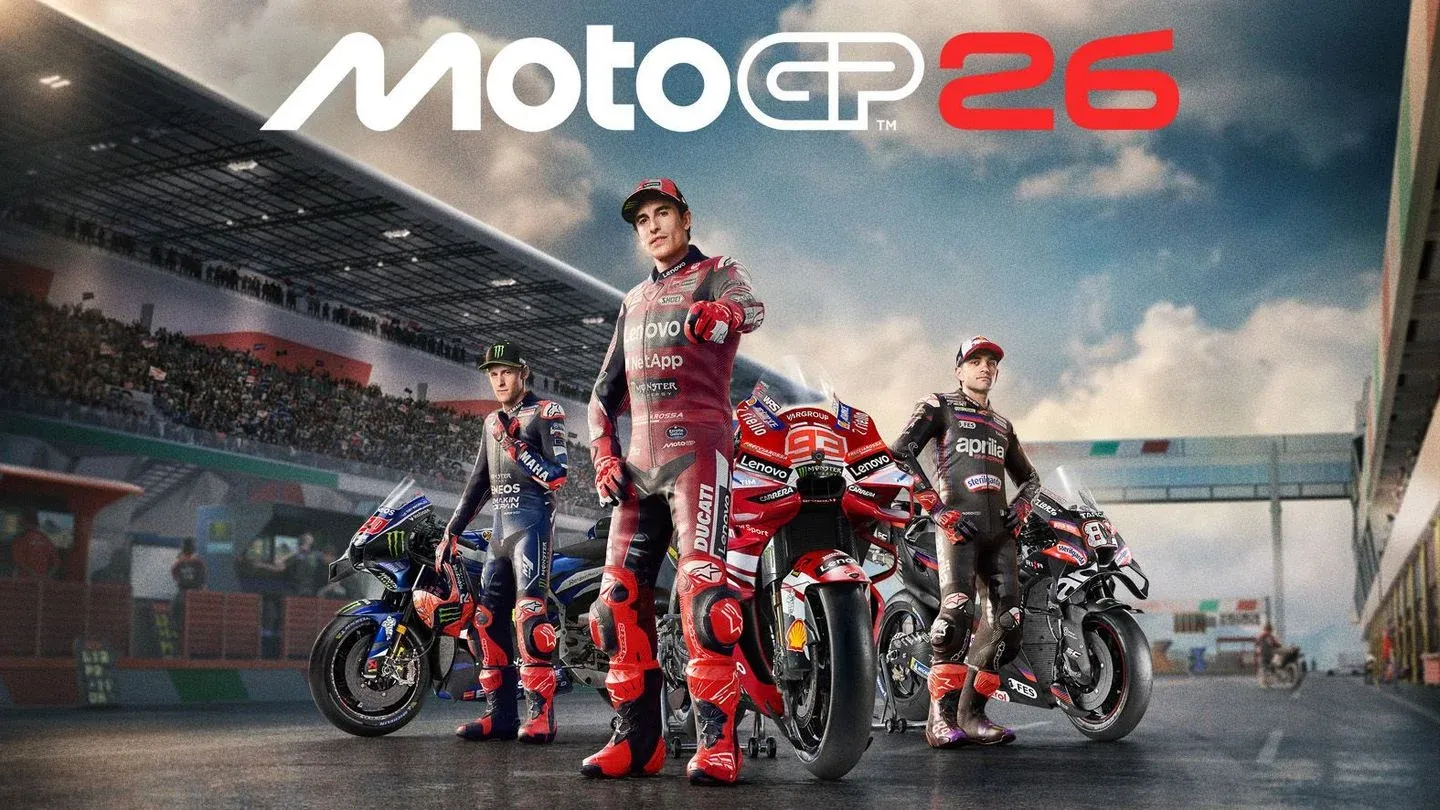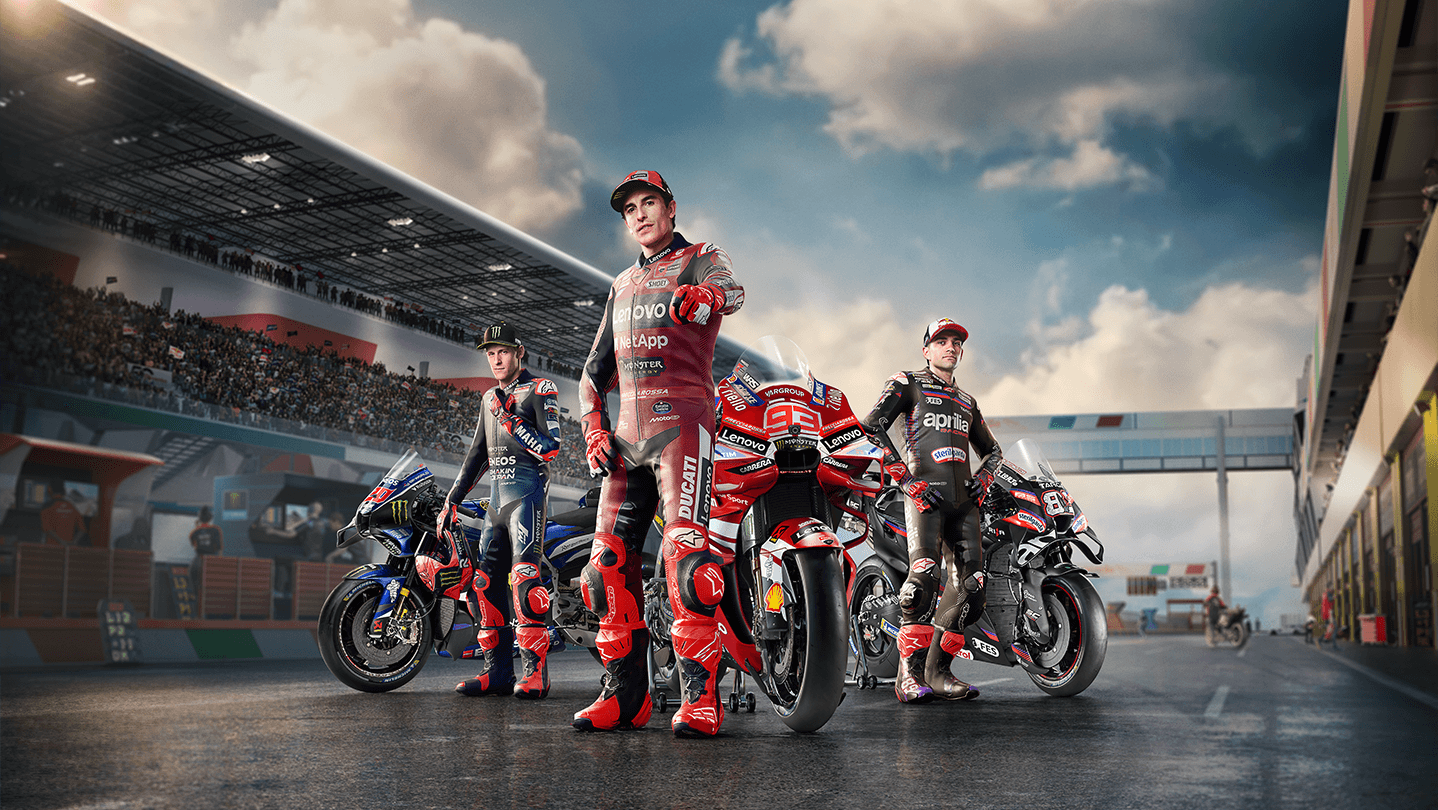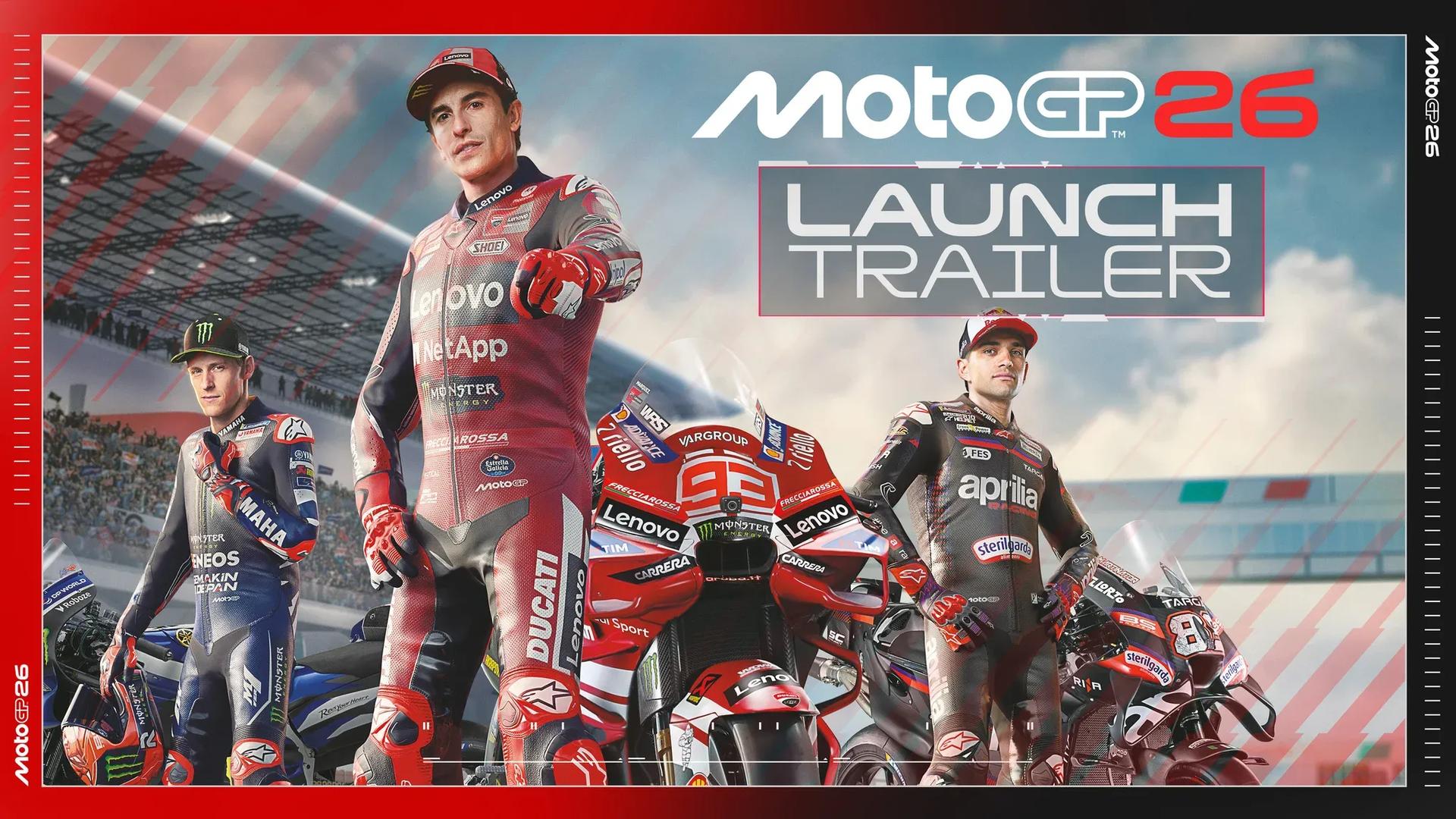

MotoGP 26 launched on April 29, 2026 across PlayStation 5, Xbox Series X/S, Nintendo Switch, Nintendo Switch 2, and PC, developed and published by Milestone S.r.l. This is not a minor refresh. The rider-based handling model, live-updating rider ratings tied to real championship results, and a 3D paddock career hub all represent meaningful shifts in how the game plays and feels. Whether you're jumping in from MotoGP 25 or picking up the series for the first time, there's a lot to get your head around before you hit the first corner.
What's actually new in MotoGP 26?
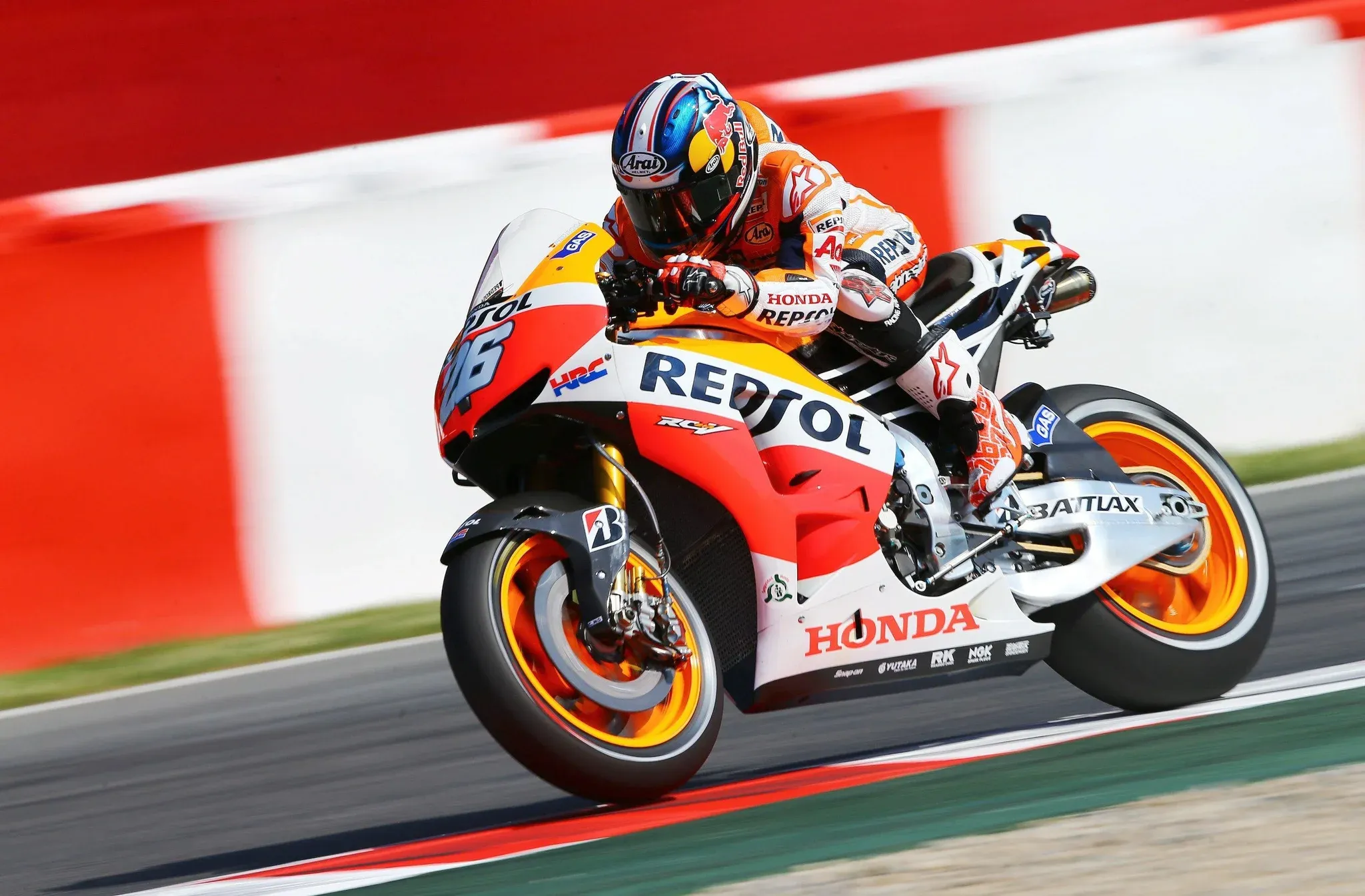
The headline addition is the rider-based handling model, which changes how your inputs translate to bike behavior. Lean angles and weight shifts now carry real consequence. Stability, cornering grip, and braking response all react more directly to how you position your rider on the bike, backed by updated animations that reflect those movements visually. As gaming journalist Neil Watton noted in his coverage for thexboxhub.com, the physics feel like a genuine step forward rather than a tuning tweak.
The second major change is dynamic Rider Ratings. Four attributes update in real time based on actual 2026 MotoGP championship results: time attack, race pace, head-to-head, and reliability. A rider who goes on a strong run mid-season will genuinely become stronger in your game. That creates unpredictability across a full career that older entries in the series simply couldn't replicate with fixed stat sheets.

Arcade vs Pro: which experience should you choose?
MotoGP 26 offers two distinct entry points: Arcade Experience and Pro Experience. Both include tutorials and adaptive difficulty, so neither throws you in cold.
| Feature | Arcade Experience | Pro Experience |
|---|---|---|
| Handling model | Simplified, forgiving | Full rider-based physics |
| Neural Aids | Available | Available |
| Adaptive difficulty | Yes | Yes |
| Tutorials | Yes | Yes |
| Target player | Casual and new players | Simulation enthusiasts |
The Arcade mode is a legitimate way to enjoy the game, not a stripped-down demo. The Pro mode is where the rider-based handling model fully expresses itself, and it's where the lean angle and weight shift mechanics have the most impact on lap times. If you're coming from a sim background or have put serious time into previous MotoGP entries, go straight to Pro and use the Neural Aids as a safety net while you calibrate.
How does the career mode work in MotoGP 26?
Career mode has been rebuilt around a 3D paddock hub that serves as your base of operations. From here, you handle contract negotiations, manage team relationships, fulfill media duties, and track your progression from Rookie to Legend status.
A personal manager guides you through the business side of racing, covering contract talks and the rider market. What you say in press conferences actually matters here. Your media responses shape upcoming challenges and influence your relationships with teams, which in turn affects bike development opportunities.
You have two starting paths:
- Start as a custom rider, building a career from scratch in Moto3
- Start as a real MotoGP rider, reliving or reshaping their career trajectory
The real rider option adds replayability. After completing a career with one rider, starting over with a different real-world athlete gives you a completely different set of starting conditions, team dynamics, and narrative beats.
What new disciplines and tracks are in MotoGP 26?
Beyond the main championship, MotoGP 26 expands its off-track training and alternative racing options significantly.
New disciplines available:
- Motard (supermoto-style racing)
- Flat Track (dirt oval racing)
- Minibike (small-scale circuit racing)
- Production Bikes (single-brand events with dedicated physics models)
These aren't cosmetic additions. Each discipline has its own handling characteristics, making them genuinely useful for developing specific skills that transfer back to the main championship. Flat Track in particular is a training method real MotoGP riders use to improve bike control at the limit.
Canterbury Park in the UK has been added to Race Off mode, giving that format a fresh venue. The official 2026 MotoGP championship circuit roster is also fully represented, with all riders, teams, and bikes licensed.
How to get the most out of collectible cards and customization
MotoGP 26 tracks your career milestones through Collectible Cards, which celebrate progress and key achievements throughout your season. These aren't gameplay-affecting items but serve as a record of your journey and notable performances.
For visual customization, the game includes advanced graphic editors that let you build a personalized look for your rider and bike. Creations can be shared online, and with online lobbies supporting up to 22 riders on a full grid, the multiplayer side of the game has room for serious competition.
For more tips and deeper breakdowns of specific systems, the MotoGP 26 guides collection covers individual mechanics in detail as new content becomes available.
Platform availability and multiplayer details
MotoGP 26 is available on PlayStation 5, Xbox Series X, Xbox Series S, Nintendo Switch, Nintendo Switch 2, and PC (via Steam and Epic Games Store). The game carries an ESRB rating of Everyone with Users Interact noted.
Online multiplayer supports cross-play between PlayStation 5, Xbox, and PC. Nintendo platforms play in their own pool. Local multiplayer is also supported for couch racing sessions.
If you're exploring other racing games on current hardware, MotoGP 26 sits at the simulation end of the spectrum, particularly in Pro Experience mode, which separates it clearly from more arcade-focused titles in the genre.