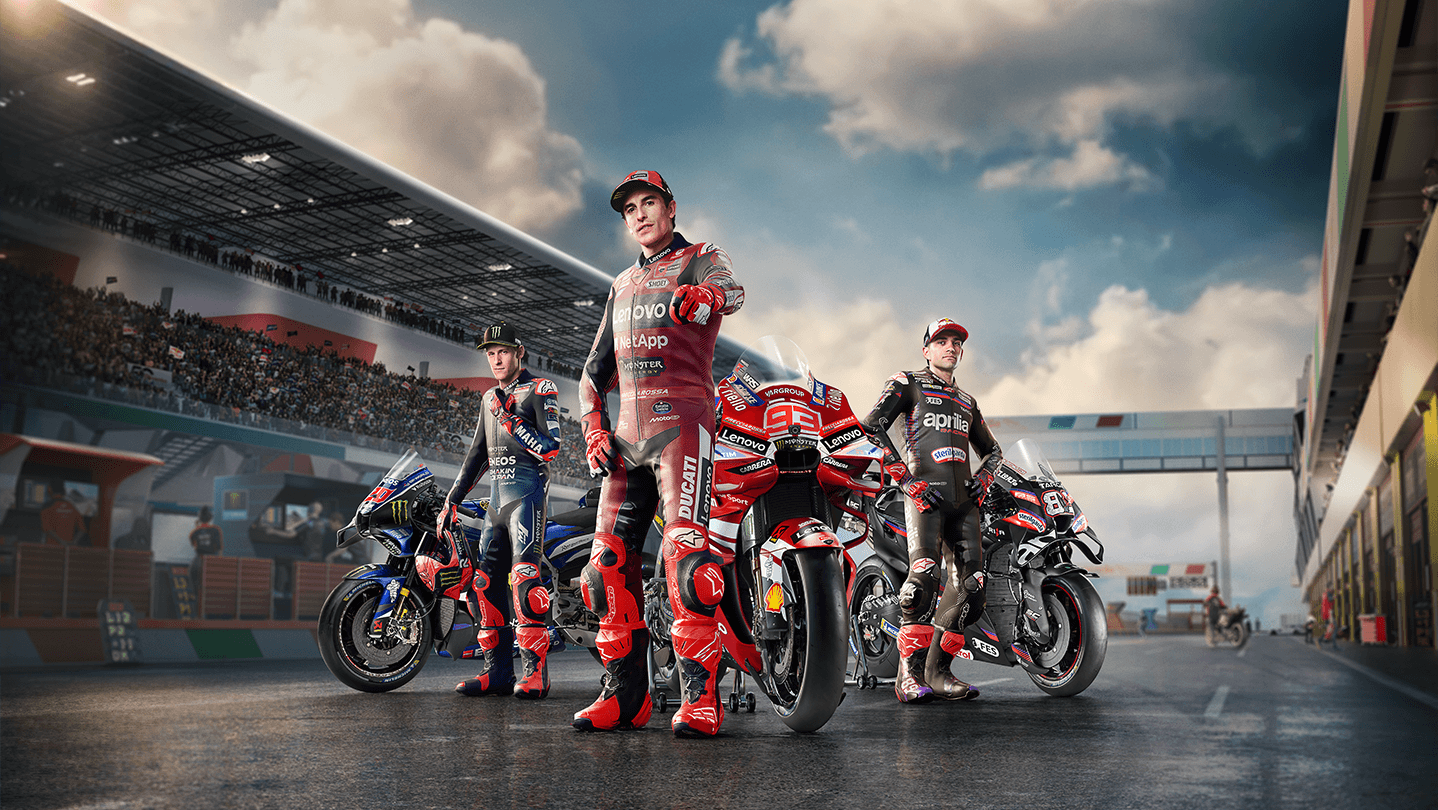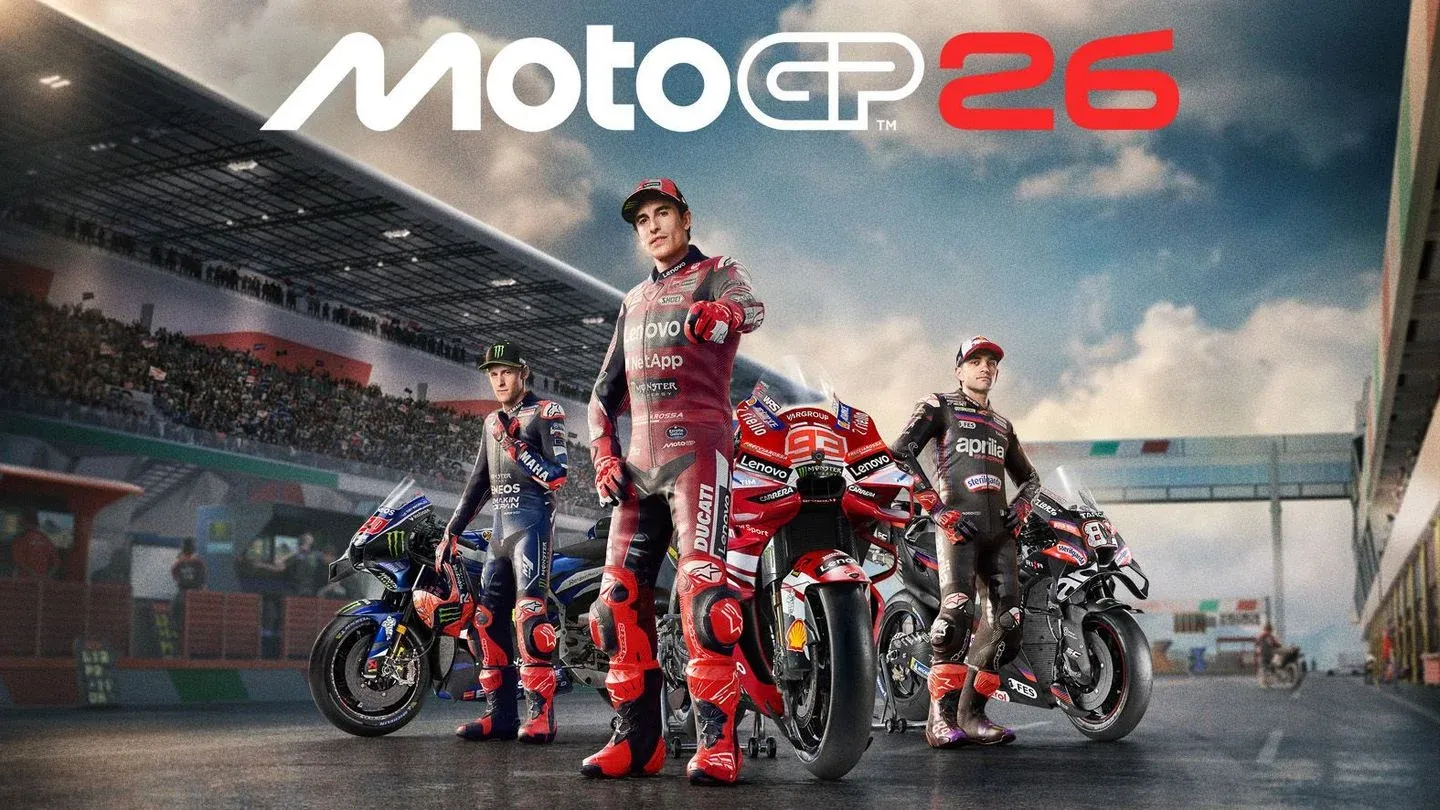

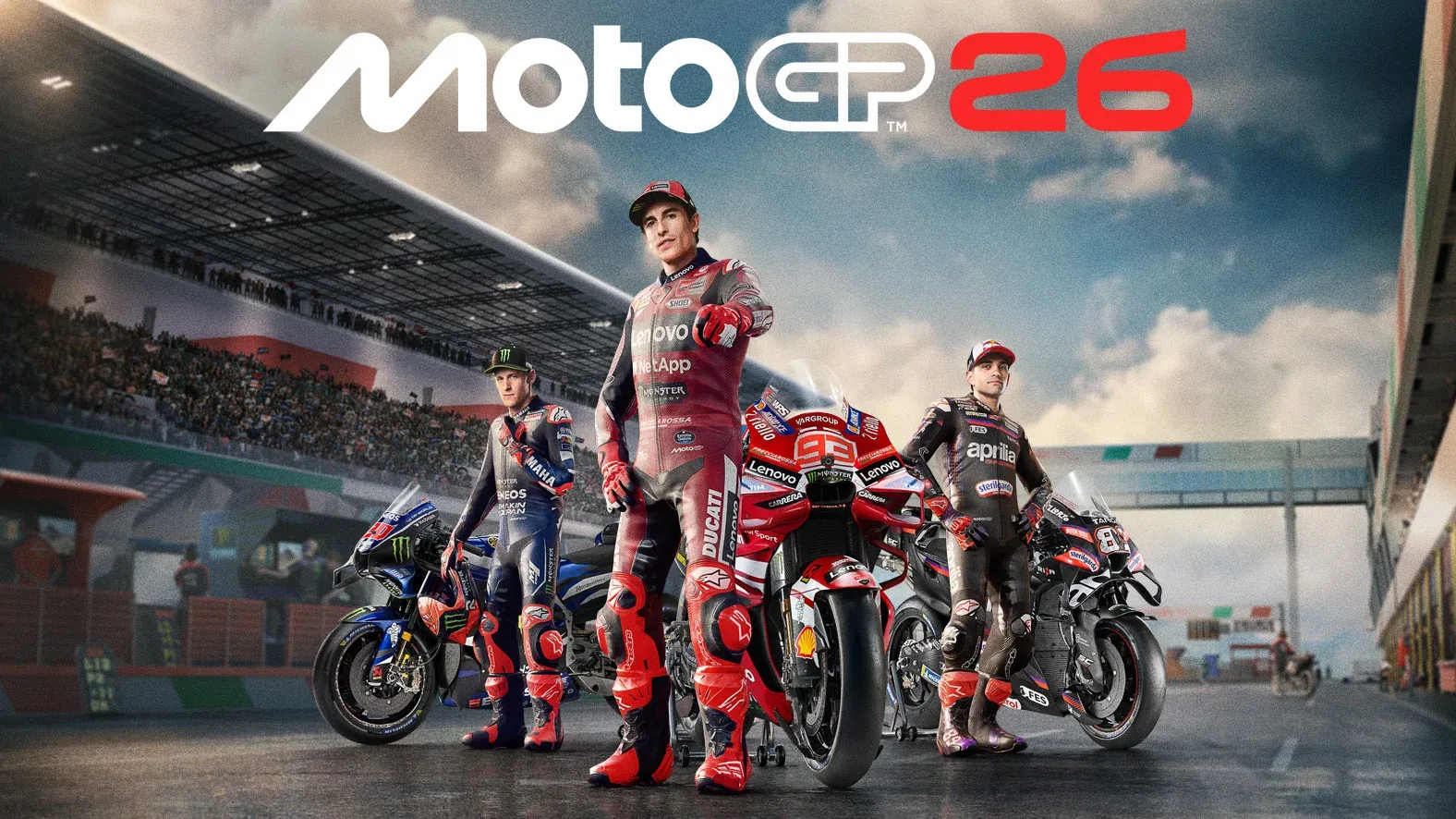
MotoGP 26 drops you straight into the deep end of professional motorcycle racing, putting real riders, real teams, and real 2026 championship circuits in your hands. Developed by Milestone S.r.l., the game builds on years of MotoGP simulation with a new rider-based physics engine, a dynamic rating system that mirrors actual race results, and a career mode that asks you to manage far more than just your lap times. If you're new to the series or to racing games in general, there's a lot to absorb before you start threatening podium finishes.
What makes MotoGP 26 different from other racing games?
Most racing games hand you a car and ask you to turn left or right at speed. MotoGP 26 asks you to think about your body. The Rider-Based Handling System is the core mechanic that separates this game from four-wheeled competitors. Body positioning, weight distribution, braking balance, and acceleration timing all feed into how your bike behaves through a corner. Lean too hard into a braking zone without adjusting your weight and you'll lose the front end. Accelerate too early out of a hairpin and the rear steps out.
This is a simulation first. The game does offer accessible control options for newcomers, but the physics engine underneath rewards riders who learn to manage inputs precisely rather than just hammering the throttle.

How does the career mode work in MotoGP 26?
Career mode in MotoGP 26 starts you as a rookie and builds toward a world championship. The progression isn't just about finishing races well. You manage contracts, develop your team, and build relationships that affect which rides are available to you as your reputation grows.
The Dynamic Rider Ratings system adds a layer of realism that most career modes skip entirely. Rider abilities shift based on real-world MotoGP results during the actual 2026 season, meaning the AI field around you isn't static. A rider who has a strong run of real-world form will become harder to beat in-game. This creates a living, unpredictable championship that reflects what's actually happening on track in the real world.
Here's what career mode asks you to manage across a full season:
- Race performance: Finishing positions directly affect your reputation and contract value.
- Team development: Investing in your team improves the machinery you race on.
- Contract management: Negotiating better rides is as much a part of progression as raw pace.
- Rider relationships: Your standing within the paddock influences what opportunities open up.
What are the key race strategy elements to understand?
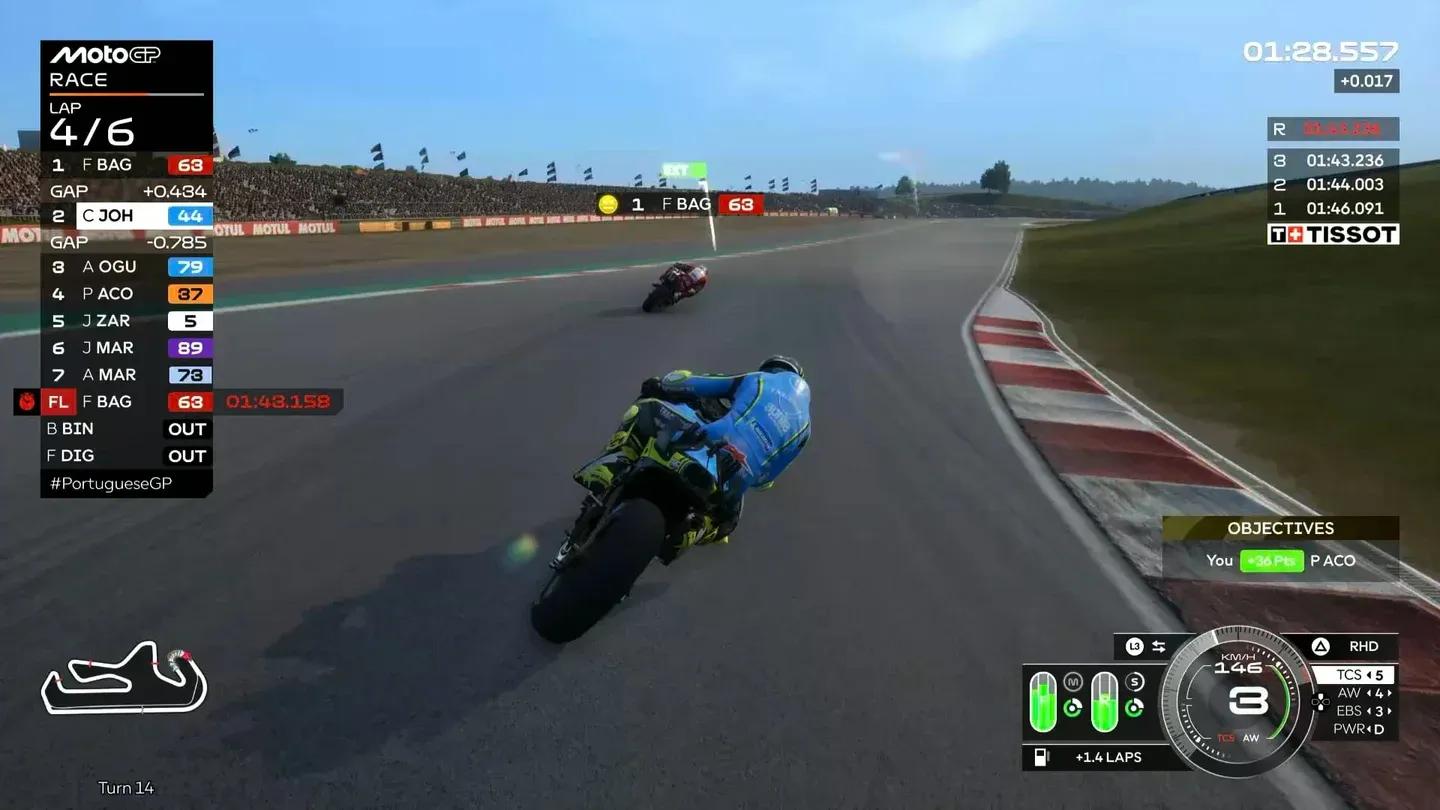
Raw speed is only part of the equation. MotoGP 26 builds race strategy into its core systems through three main variables: weather conditions, tire wear, and race positioning.
Weather affects grip levels and braking distances in real time. A dry line on a wet track is a narrow window that rewards riders who know the circuit layout well. Tire wear means that a fast early pace can leave you vulnerable in the final laps if you've pushed the rubber too hard. Managing both simultaneously is where the game separates good riders from great ones.
| Strategy Element | What It Affects | Beginner Priority |
|---|---|---|
| Weather conditions | Grip, braking distance, visibility | High |
| Tire wear | Late-race pace, corner exit grip | High |
| Race positioning | Drafting, defensive lines, pit timing | Medium |
| Team development | Bike performance ceiling | Medium |
Tire wear and weather HUD
What platforms and system requirements do you need for MotoGP 26?
MotoGP 26 runs on PC (Windows 10 64-bit), PlayStation 5, Xbox Series X/S, and Nintendo Switch. On PC, Milestone recommends at least an Intel Core i5 processor, 8 GB of RAM, a modern DirectX-compatible graphics card, and roughly 25 to 30 GB of free storage space.
The visual side of the game is worth mentioning here. Detailed bike models, accurate circuit layouts, dynamic lighting, and realistic rider animations all contribute to the atmosphere of a real MotoGP race weekend. The sound design follows the same philosophy, aiming to replicate the audio environment of standing in the paddock rather than offering a generic racing soundtrack.
How do you get started in online multiplayer?
MotoGP 26 supports competitive online racing with large grids, letting you race against riders from across the world. Before jumping into multiplayer, the advice is straightforward: build your understanding of the physics in career mode or practice sessions first. Online grids are unforgiving, and the same rider-based handling system that rewards patience in single player will punish rushed inputs when there are real opponents on every side of you.
The competitive multiplayer mode is where the game's physics depth pays off most visibly. Riders who have put in the offline hours to understand weight transfer and braking balance will consistently outpace those who haven't, regardless of setup.
For more tips on getting the most out of every mode, check out the full MotoGP 26 strategy guides collection, which covers advanced techniques as more community knowledge develops around the game.