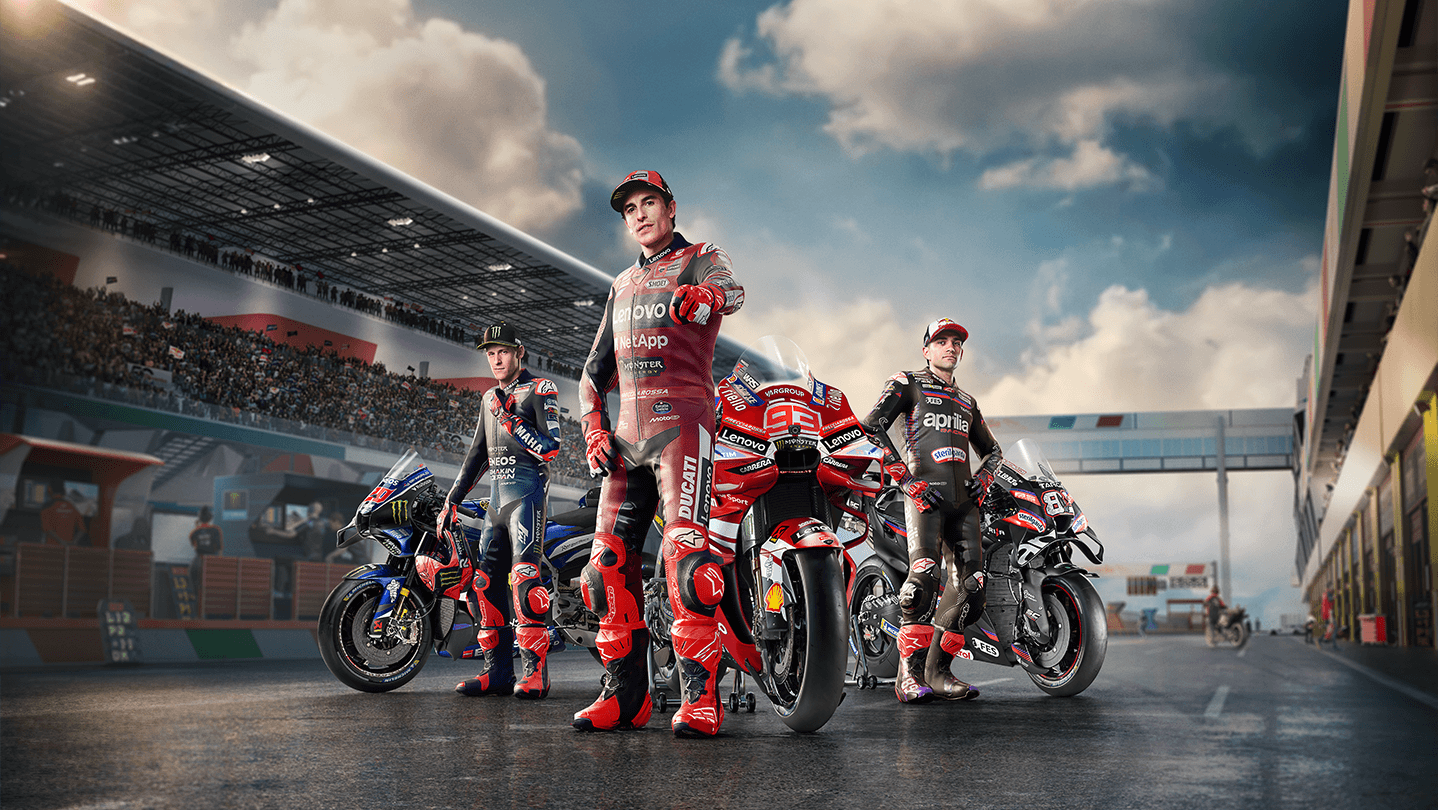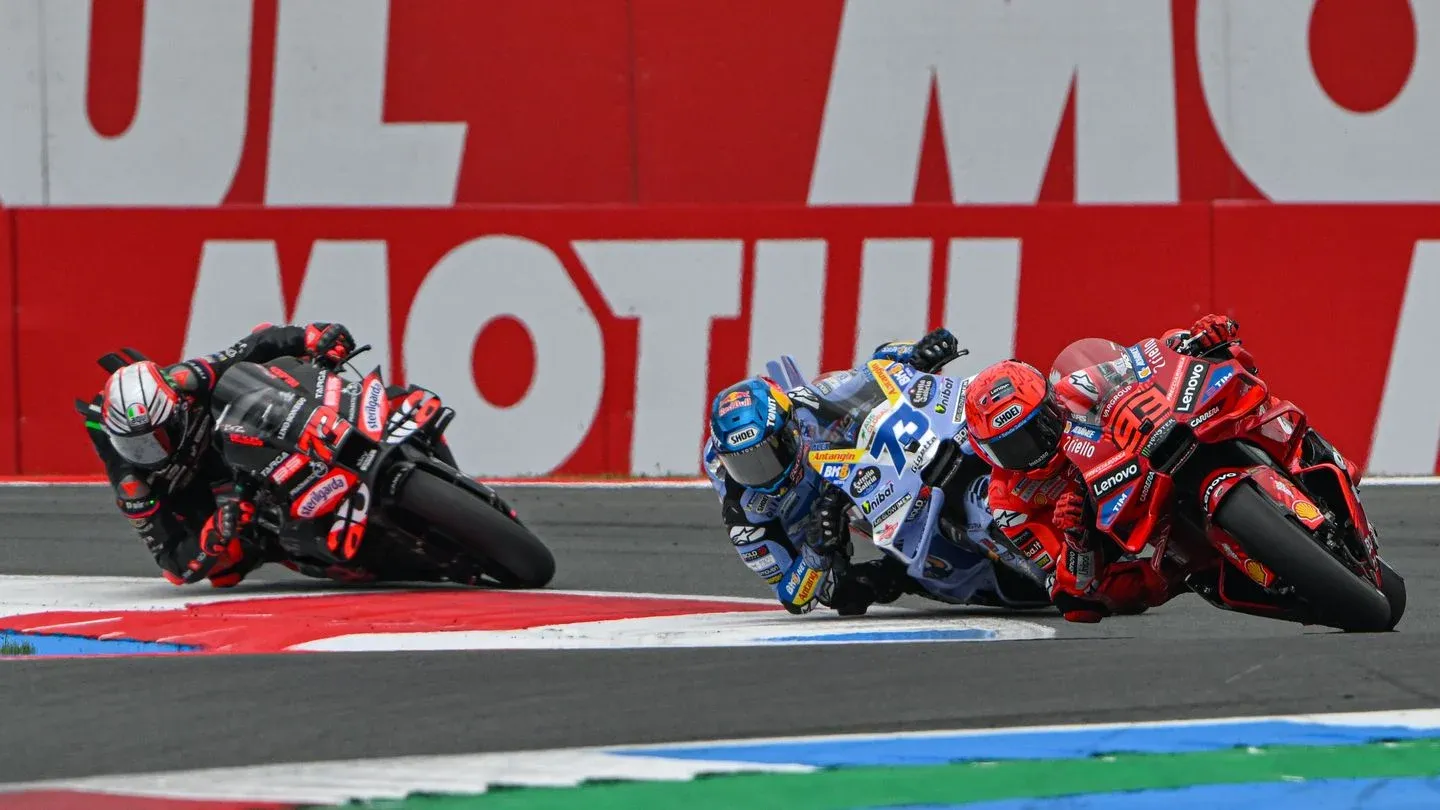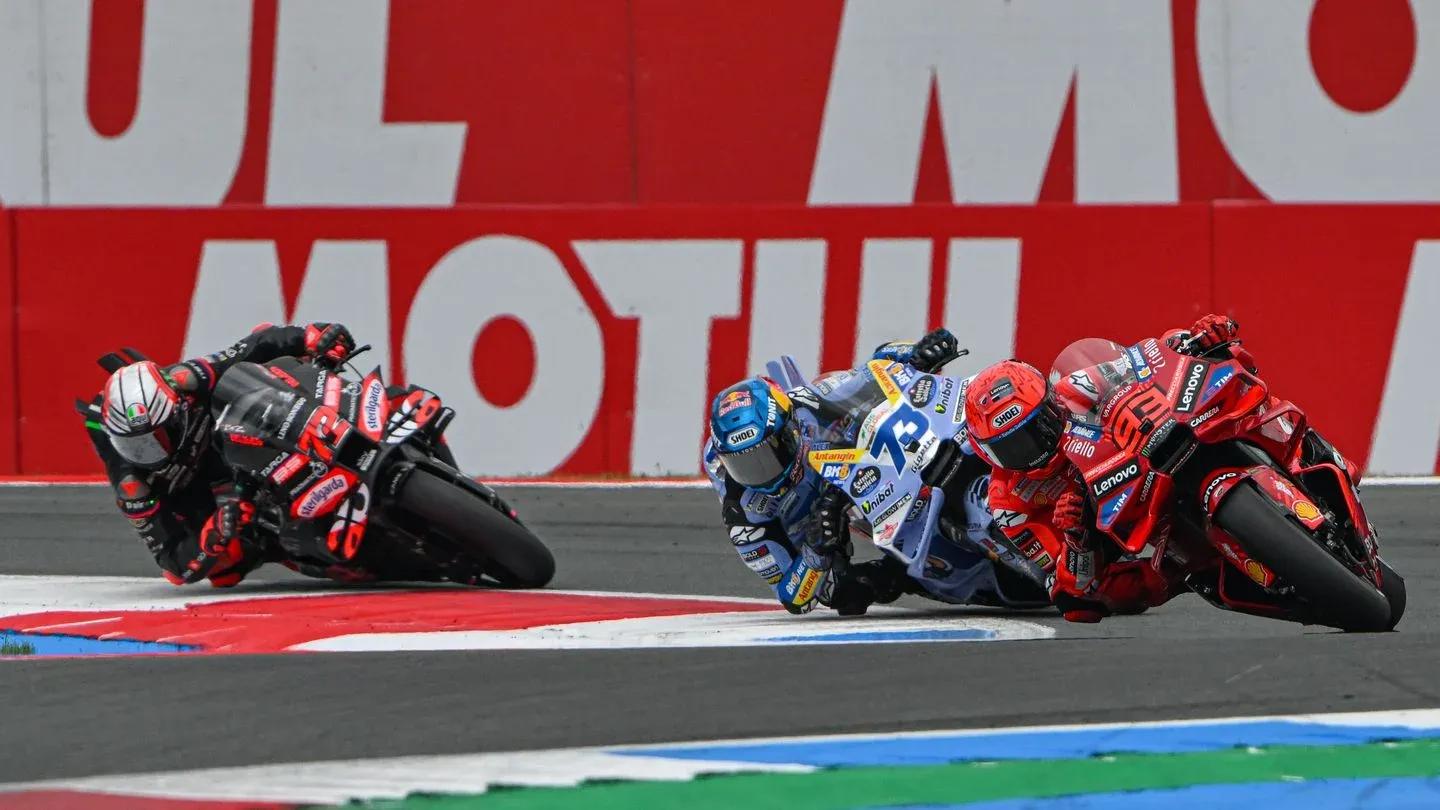

MotoGP 26 arrives as the most simulation-focused entry in the series yet, built around a rider-based handling system that makes your body position on the bike as important as the bike itself. Evolving rider ratings tied to real-world championship results keep every season unpredictable, while a redesigned career mode pulls you into the paddock politics and contract negotiations between race weekends. Whether you're coming from MotoGP 26 with zero sim experience or returning from last year's game, there's a lot to unpack here.
How does the new rider-based handling system work?
The biggest mechanical shift in MotoGP 26 is how your rider's body position directly affects bike behavior. Lean angles and weight shifts now have a measurable impact on stability, cornering grip, and braking distances. This isn't just cosmetic. Updated animations reflect real rider input, and the game reads your positioning as part of the physics simulation.
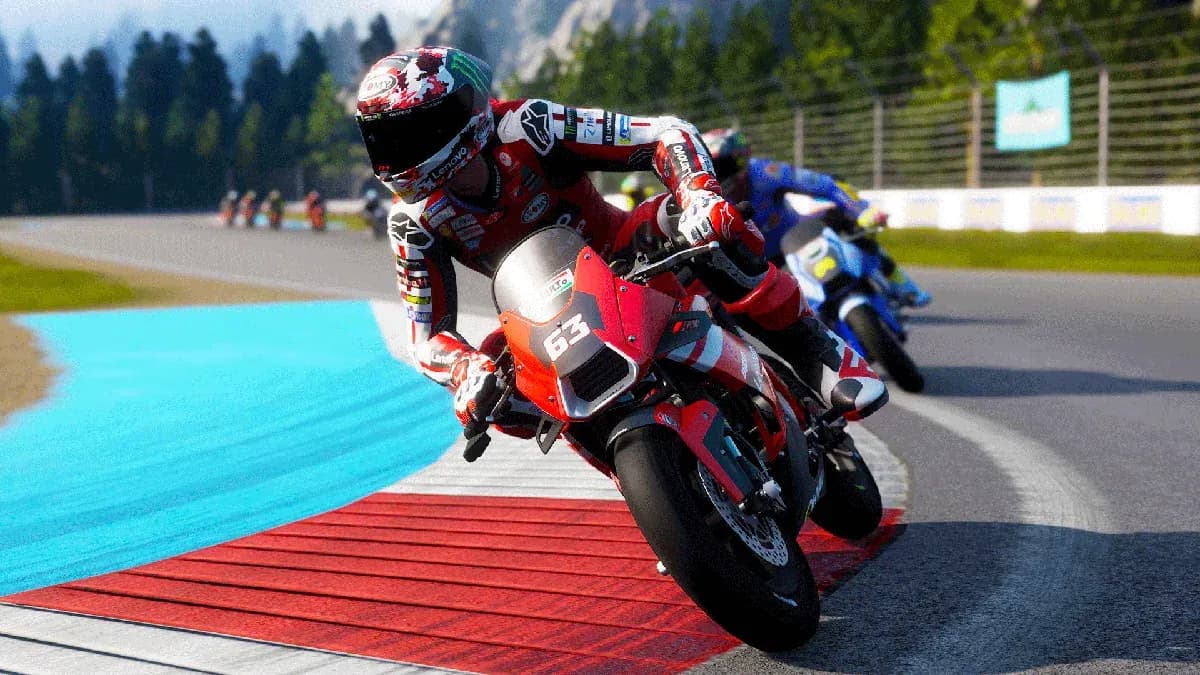
The system rewards players who learn to anticipate corners rather than react to them. Braking too late while upright bleeds more speed than a properly weighted entry. Cornering stability improves when you commit to a lean angle rather than adjusting mid-corner. Think of it less like traditional racing game steering and more like managing momentum through a sequence of connected inputs.

Arcade vs. Pro mode: which should you start with?
| Mode | Physics Detail | Assist Level | Best For |
|---|---|---|---|
| Arcade | Simplified lean physics | High assist | New players, casual sessions |
| Pro | Full rider positioning | Minimal assist | Simulation enthusiasts, competitive play |
Both modes are available from the start. Arcade doesn't strip out the rider-based handling entirely; it smooths the margins so small positioning errors don't immediately cost you a corner. Pro mode exposes every input, making the gap between a good line and a bad one much wider.
What are evolving rider ratings and how do they affect your season?
MotoGP 26 tracks four rider attributes: time attack, race pace, head-to-head, and reliability. These ratings aren't locked at the start of the season. They update based on real-world championship results, meaning a rider who strings together podiums in the actual MotoGP season will get stronger in your game as the year progresses.
As gaming journalist Neil Watton noted in his coverage for thexboxhub.com: "Rider ratings are no longer fixed. Instead, they shift based on real-world results, meaning performance in-game reflects what is happening across the actual championship. It adds a layer of unpredictability that keeps each season feeling alive."
This creates a genuine reason to keep playing deep into a career save. A rider you signed early might become one of the grid's best by mid-season, or a rival's form slump in the real world could open up contract opportunities you didn't expect. The system ties the game's fiction to real events in a way that makes the season feel less like a static simulation.
How does career mode work in MotoGP 26?
Career mode runs through a 3D paddock hub where you manage progression, handle media obligations, and navigate rivalries between race weekends. A personal manager character guides you through contract negotiations and team relationships, adding a layer of off-track decision-making that previous entries kept more surface-level.
You can start your career as a real rider from Moto3, working through the junior classes before reaching the premier MotoGP grid. This adds replayability since the path to the top varies depending on which rider and team you choose at the start.
Media interactions in the paddock aren't just flavor text. They feed into your rivalries and can influence how teams perceive you during contract talks. Treating media duties as optional is a mistake if you're trying to land a factory seat early.
What new disciplines and tracks are in MotoGP 26?
MotoGP 26 expands beyond the core championship with several new categories. Canterbury Park in the UK joins the Race Off mode as a new location. On the discipline side, the game adds Production Bike events alongside Motard, Flat Track, and Minibike categories.
Each discipline handles differently from the main MotoGP bikes. Flat Track removes braking as a primary tool and forces you to use throttle and slide to steer. Minibike events are tighter and more reactive. Motard blends on-road and off-road technique. These aren't just novelty modes; they're genuinely useful for training specific aspects of the core handling system.
New disciplines at a glance
| Discipline | Key Handling Trait | Training Benefit |
|---|---|---|
| Production Bike | Road-legal bike physics | Baseline handling practice |
| Motard | Mixed surface transitions | Adaptability and throttle control |
| Flat Track | Slide-based steering | Throttle management and balance |
| Minibike | High sensitivity, tight circuits | Precision cornering and reaction time |
Tips for getting the most out of MotoGP 26
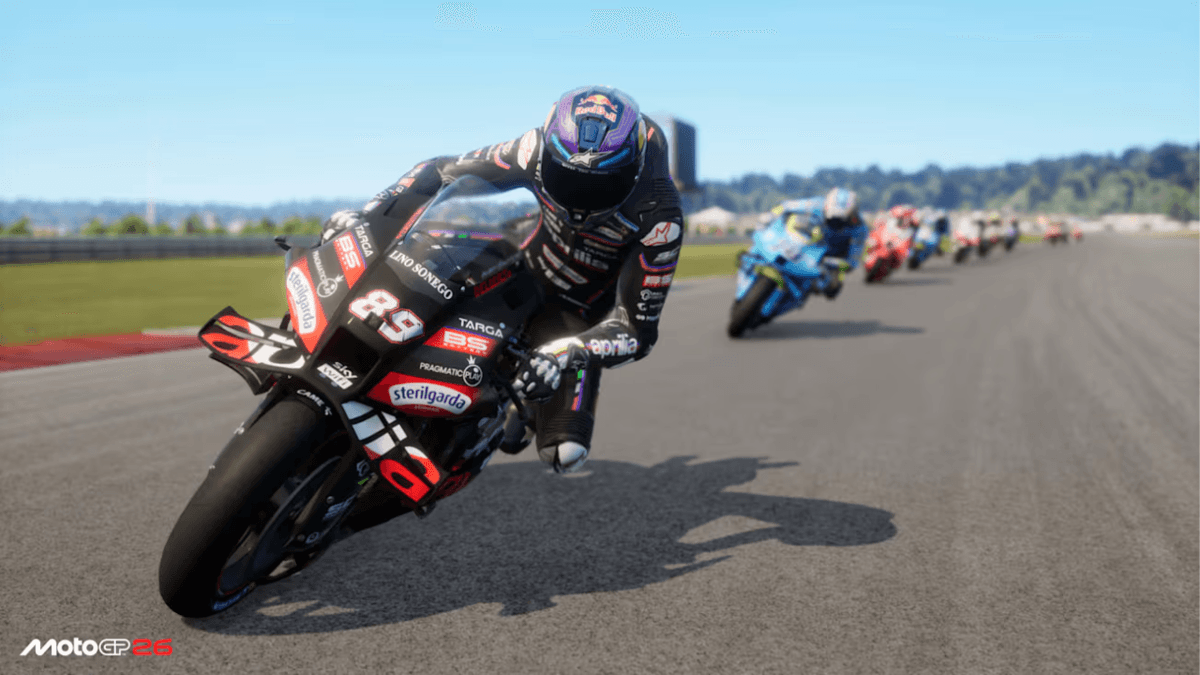
- Start in Arcade mode to learn the lean physics before moving to Pro. The handling fundamentals carry across both.
- Pay attention to your rider's four attribute ratings before each season. Reliability affects race-day consistency more than most players expect.
- Use the new disciplines, especially Flat Track, to build throttle control that translates directly to MotoGP bike handling.
- Engage with media interactions in the paddock hub. They have real consequences for contract negotiations.
- Check rider rating updates regularly. A real-world form surge can change your team's competitive position mid-season.
For more strategies across every aspect of the game, the MotoGP 26 guides collection covers everything from setup tuning to championship progression. MotoGP 26 sits firmly among the more demanding racing games available right now, and the depth of the new systems rewards the time you put into understanding them.