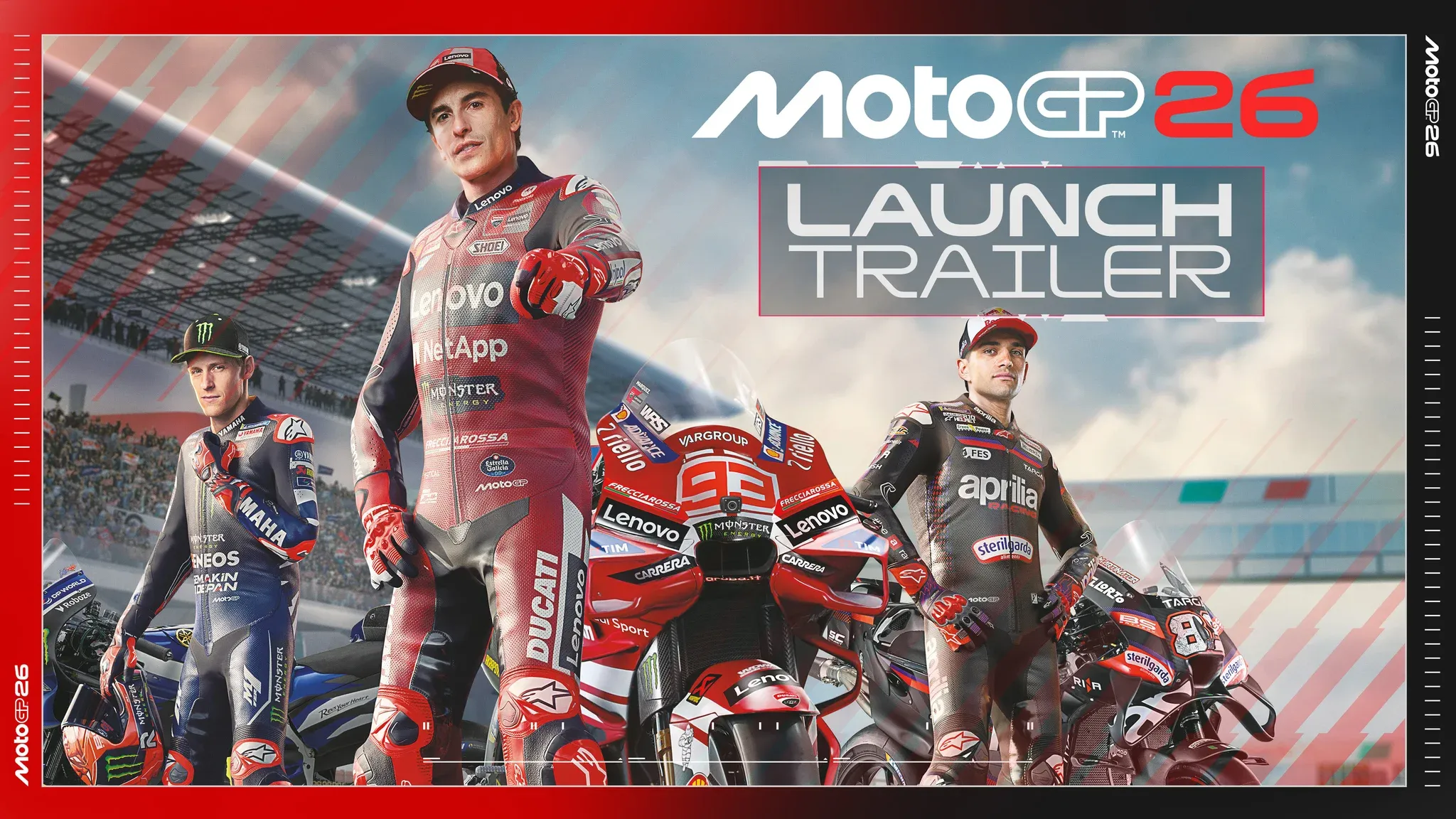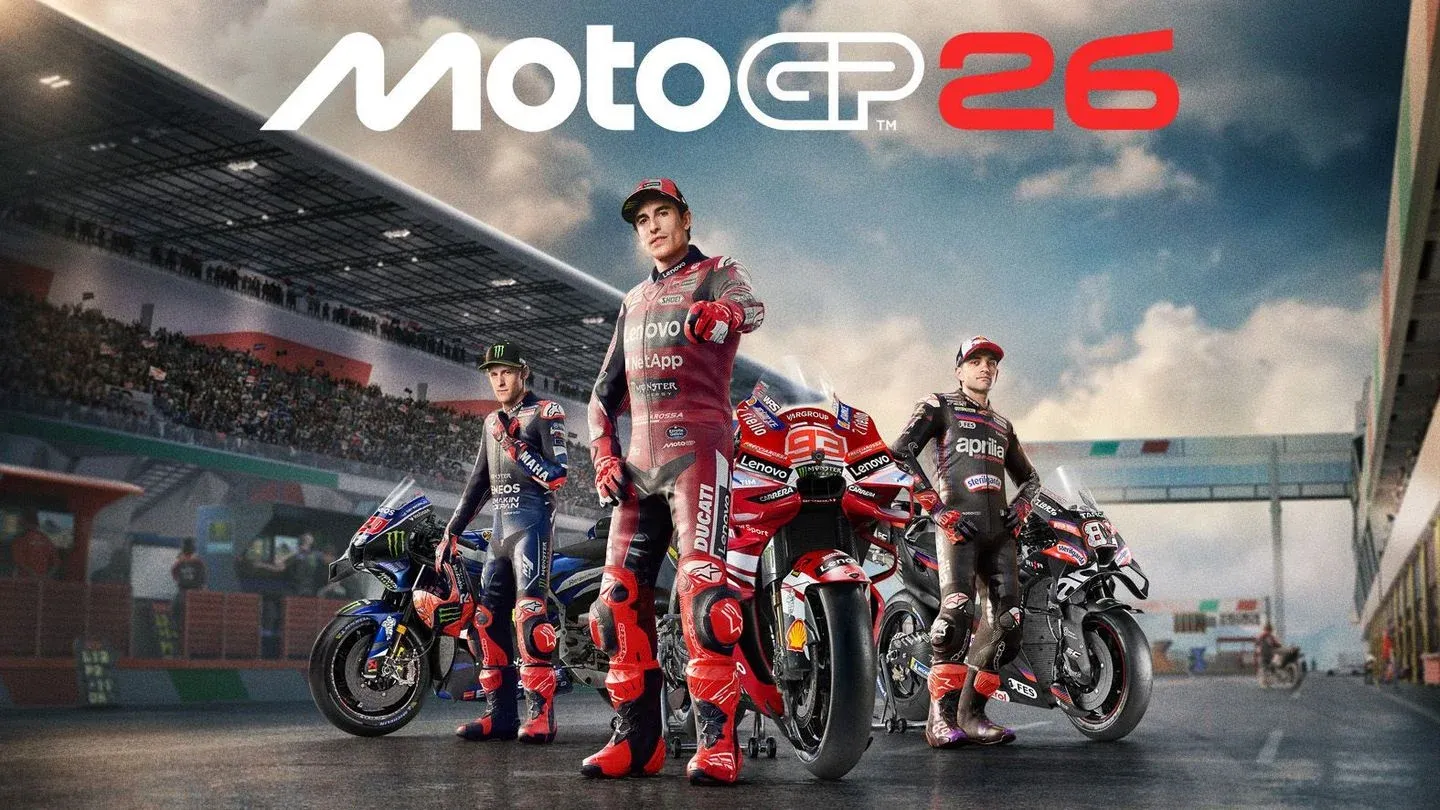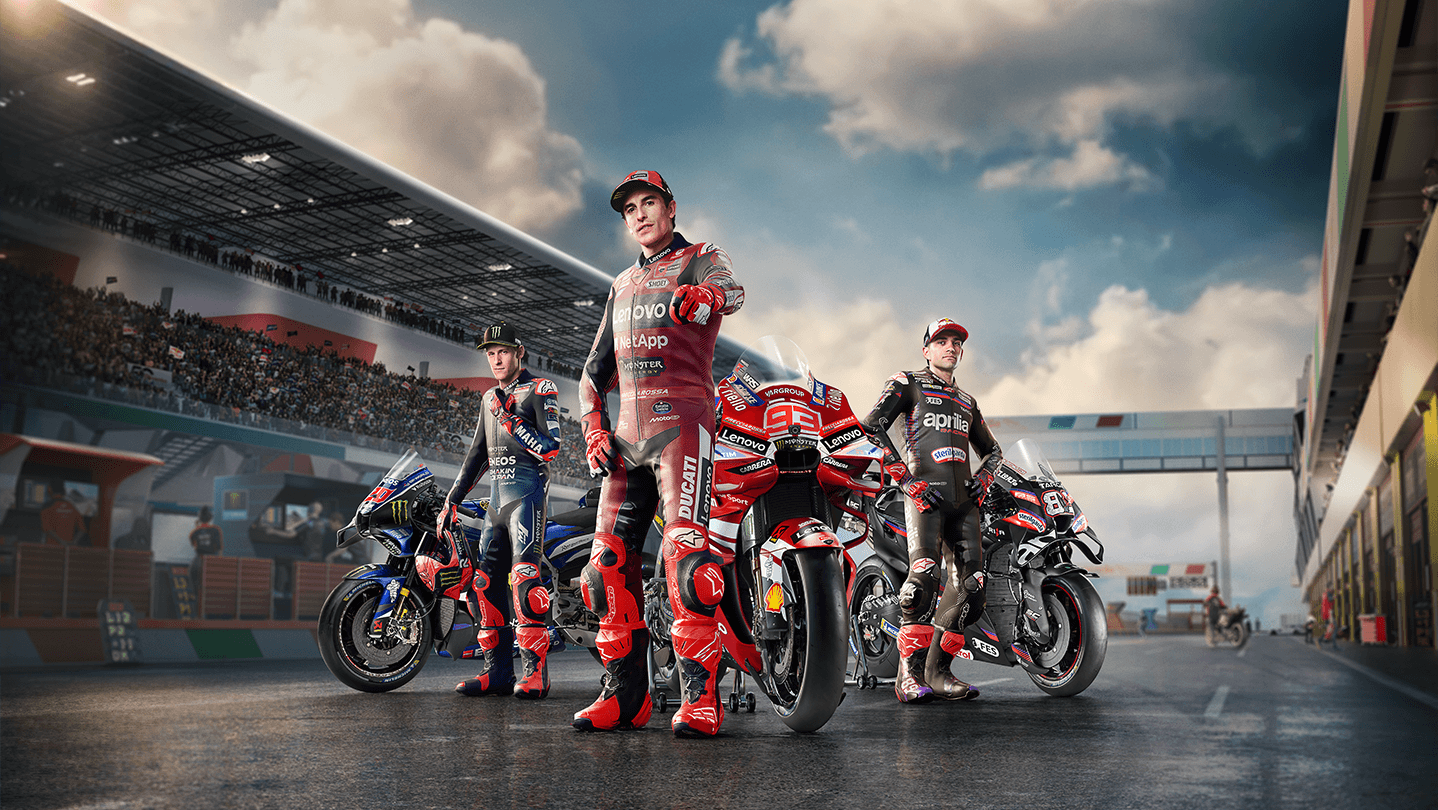

MotoGP 26 is Milestone S.r.l.'s most ambitious entry in the long-running series, built around the full official 2026 championship with every licensed rider, team, bike, and circuit included. The headline addition is a brand-new Rider-Based Handling physics model that puts body weight and movement at the center of every corner, and that single change ripples through everything else you do on track. Whether you're coming from previous entries or picking up a motorcycle racing sim for the first time, understanding how these systems connect is the fastest way to stop spinning out and start posting competitive lap times.
What is the Rider-Based Handling system and why does it matter?
Every MotoGP game before this one treated the bike as the primary physics object. MotoGP 26 flips that. Your rider's weight distribution and body movement now directly influence how the motorcycle behaves through corners, under braking, and during acceleration.
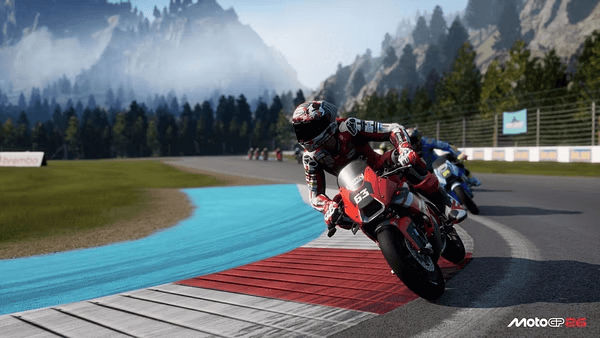
In practice, this means leaning into a corner isn't just an animation. How aggressively you shift your rider's body determines how much grip you generate at the front tire and how stable the rear stays under power. Brake too hard without managing your balance and the front will tuck. Accelerate too early with the wrong body position and the rear steps out.

Arcade Experience vs. Pro Experience
The game offers two distinct control philosophies, and picking the right one from the start saves a lot of frustration.
| Mode | Physics Depth | Assists Available | Best For |
|---|---|---|---|
| Arcade Experience | Simplified, forgiving | Full assist suite | New players, casual sessions |
| Pro Experience | Full simulation depth | Minimal, manual control | Sim veterans, competitive racing |
Both modes include tutorials and Neural Aids, so neither leaves you without guidance. The key difference is how much the game corrects your mistakes automatically. Arcade Experience keeps you upright through most errors; Pro Experience expects you to manage every input yourself.
What are Neural Aids?
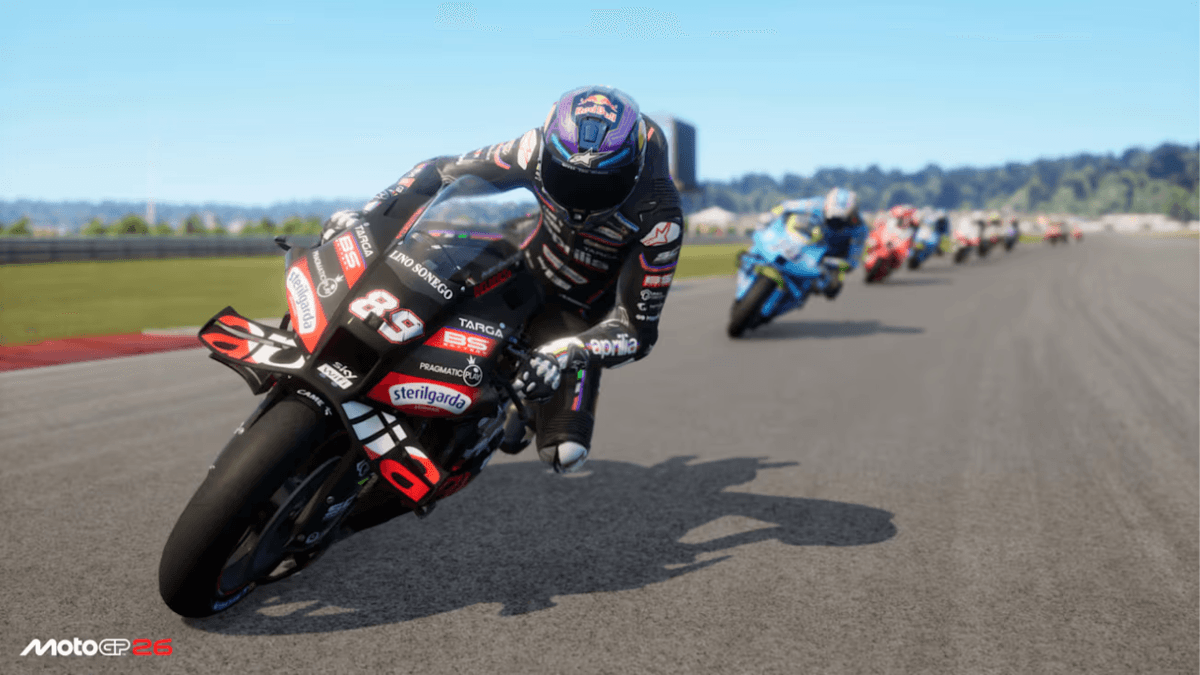
Neural Aids are the game's adaptive difficulty layer, working alongside tutorials to ease you into the simulation. The system sits between full arcade assists and raw simulation, adjusting to your input quality. Think of it as a graduated safety net rather than a binary on/off switch.
How does Career Mode work in MotoGP 26?
Career Mode is where most players will spend the bulk of their time, and it's deeper than previous entries in ways that extend beyond the track.
Building your rider from Rookie to Legend
You can create a custom rider and work up from the bottom, or step into the role of an existing MotoGP star and rewrite their career trajectory. The fully 3D paddock functions as your race weekend hub, and it's more than a visual upgrade. Thursday press conferences and a personal manager are integrated directly into the paddock flow, meaning every media statement and contract decision happens in context rather than through abstract menus.
Your reputation builds through race results, but also through how you handle the media and manage rivalries. Every word in a press conference feeds into how teams perceive you, which affects the contracts available to you in the rider market.
Managing contracts and team development
Contract negotiations are tied to your performance trajectory, not just your current results. A strong run of form in the second half of a season can open doors that looked closed after a difficult start. The game tracks this dynamically, so there's genuine incentive to push hard even when a championship title is out of reach.
What is Race Off mode and why should you use it?
Race Off is the game's training and experimentation space, sitting outside the Grand Prix paddock. It covers four disciplines: Motard, Flat Track, Minibike, and Production Bike. Three original locations are available, including the all-new Canterbury Park.
The disciplines offer a genuinely different rhythm from MotoGP racing. Flat Track in particular forces you to manage slides and momentum in ways that translate directly back to corner exit technique in the main championship. Spending time in Race Off between career weekends isn't just a distraction; the bike control habits you develop there sharpen your inputs across all modes.
Key systems comparison at a glance
| Feature | What it does | Why it matters |
|---|---|---|
| Rider-Based Handling | Body movement controls bike physics | Core to every lap you ride |
| Dynamic Rider Ratings | Real-world results update AI stats | Career mode stays unpredictable |
| 3D Paddock | Hub for press, contracts, manager | Reputation built outside the race |
| Race Off | Motard, Flat Track, Minibike, Production | Skill building between GP weekends |
| Neural Aids | Adaptive difficulty layer | Bridges Arcade and Pro modes |
| Cross-play | Up to 22 riders online | Larger, more competitive grids |
For more tips on getting the most from every system in the game, the MotoGP 26 guides collection covers individual mechanics in greater depth as the community develops its understanding of the new physics model. MotoGP 26 sits at the serious end of racing games but gives you enough tools to find your footing before the simulation demands full precision.