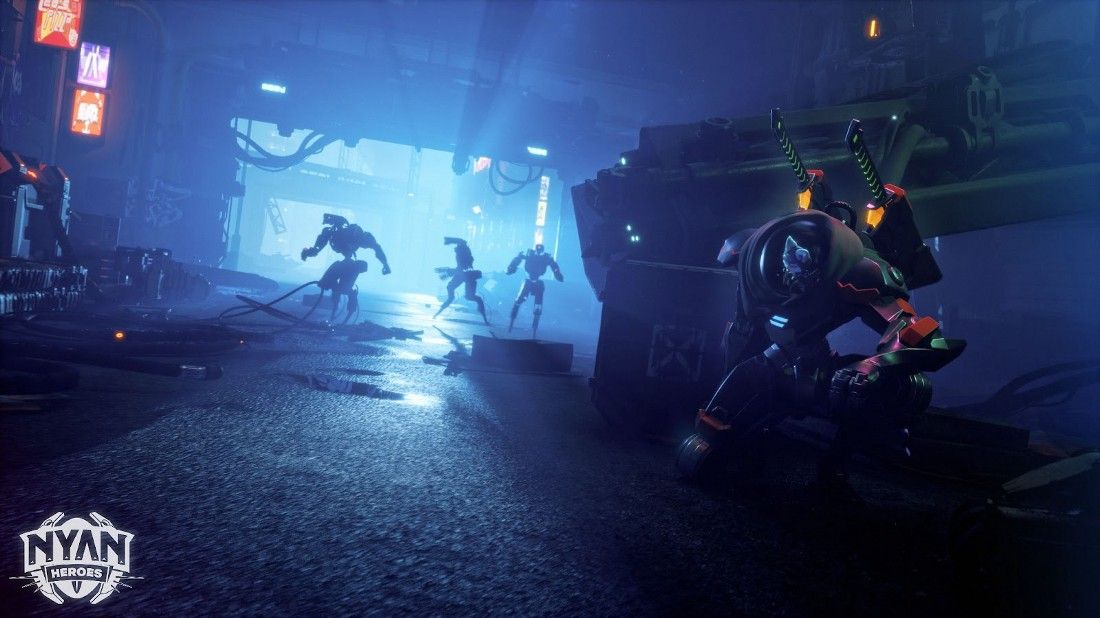
The 2025 Game Developers Conference (GDC) offered a revealing snapshot of where the gaming industry stands right now, particularly when it comes to web3's place in it. Impressions from developers and attendees who made the trip paint a picture of an industry in flux, where the conversation has shifted from speculative enthusiasm to hard questions about sustainability, funding, and what actually works. The mood this year was less about hype and more about confronting the realities of building games that can survive.
Raiden, Founder of GamingChronicles
Game Developers Conference 2025
Multiple attendees pointed out that the web3 footprint at GDC was noticeably smaller compared to previous years. One developer remarked that infrastructure providers seemed to outnumber actual playable games on the floor. Studio closures were a frequent topic of conversation, and much of the web3 energy appeared to be happening at side events rather than in front of players. Some felt that many of the concerns raised at the conference could have been predicted without attending at all.
AI tooling for game development drew significant attention, with a wave of startups demonstrating new solutions aimed at streamlining production. Observations from the floor suggested that web3 gaming is undergoing a fundamental reset, and that future traction will require genuine innovation at the foundational level. Apptokens emerged as a recurring point of interest among developers looking for more sustainable approaches to monetization and player engagement.

TL;DR on 2025's Game Developers Conference (GDC)
Signs of Maturity in the Ecosystem
Even though the official web3 presence on the expo floor shrank, offsite gatherings remained busy and engaged. Developers noted that the atmosphere wasn't one of defeat, but rather a sign that the web3 gaming community is growing up. The conversations felt more grounded, focused on what's actually achievable rather than what sounds exciting in a pitch deck.
One game that generated genuine buzz within developer circles was Project O. Co-founder Kevin Lambert shared a moment at the event where a former Microsoft colleague expressed both surprise and interest in the project's progress. These kinds of interactions highlighted that passion and serious work are still happening in the space, even if the scale has contracted.
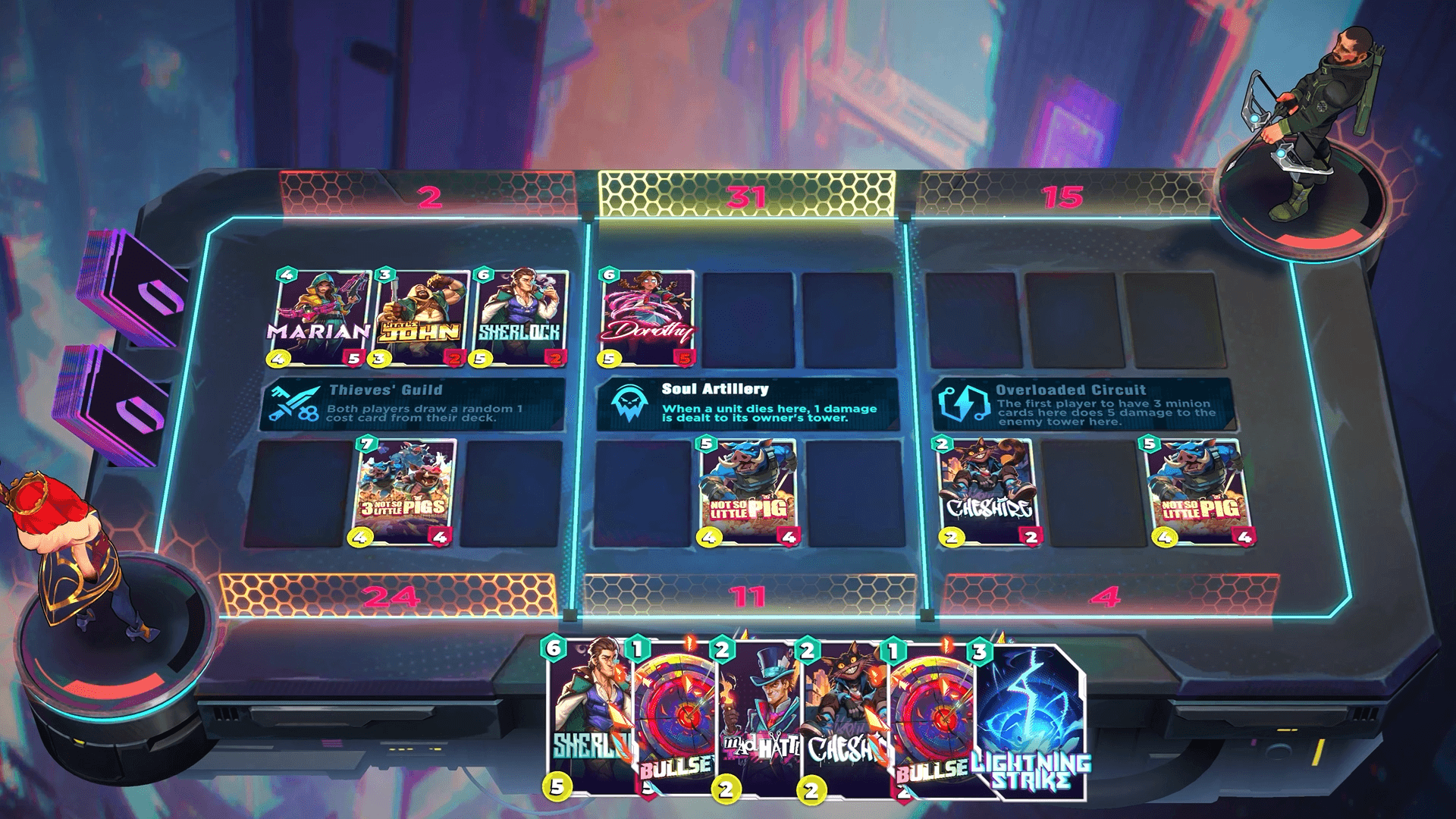
Project O In-Game Screenshot and Key Art
Funding Concerns and Industry Retrenchment
Money was a constant undercurrent at GDC. Even the more polished and promising web3 projects expressed uncertainty about securing future funding. Revenue generation dominated developer conversations, reflecting a broader reality where the funds that aggressively backed web3 gaming in 2021 have moved on to other sectors. The environment now rewards proven monetization over experimental concepts.
One developer offered a stark take: web3 gaming as it was previously understood is effectively finished. The early years were built on inflated promises and shaky fundamentals, and the current reset is both necessary and painful. But the reset doesn't mean blockchain gaming is dead. It just means succeeding in this space now requires more than a white paper and a Discord server.
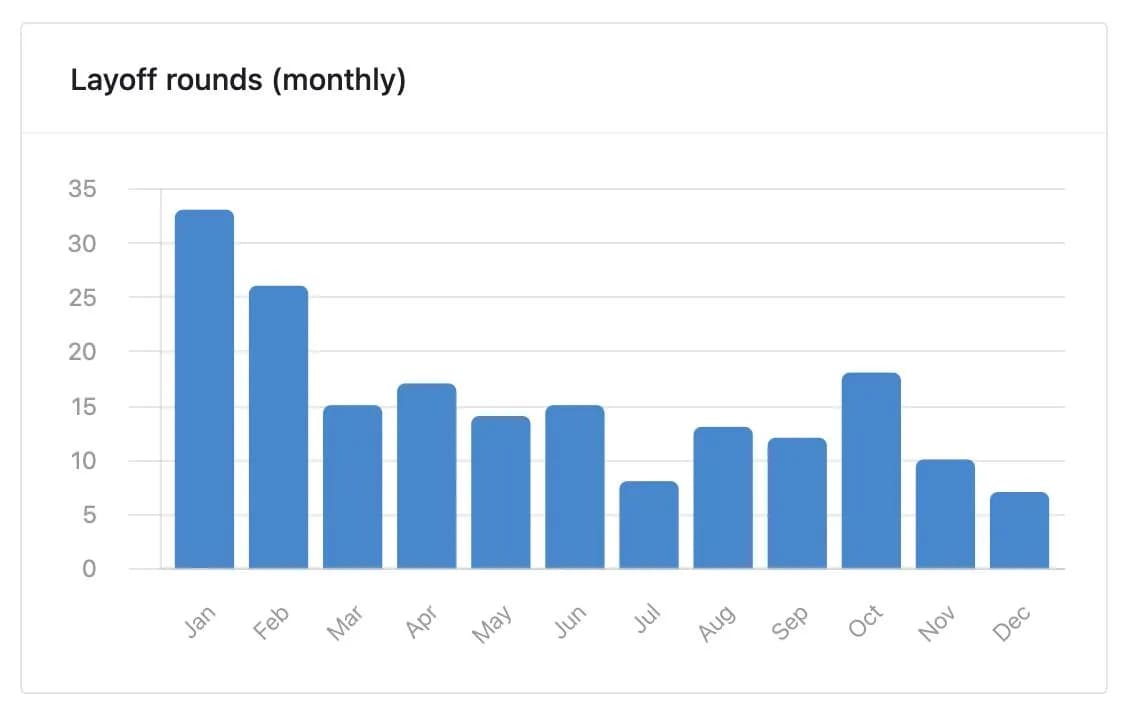
Game Industry Layoffs Surge: 14,600 Jobs Lost in 2024
Broader Gaming Industry Challenges
The issues at GDC extended well beyond web3. Traditional gaming showed clear signs of instability. Developers from all sectors were openly job hunting, and the absence of major AAA studios from the expo floor was impossible to ignore. The broader gaming ecosystem is clearly under pressure.
Conversations touched on rising production costs, consolidation among major publishers, distribution challenges, and the uncertain role of AI in development. These factors are creating a complicated landscape where both legacy studios and newer entrants are rethinking their strategies and questioning their long-term viability.

Funding Challenges and Increased Production Costs In Gaming
Final Thoughts
GDC 2025 captured a moment of transition for web3 gaming. The event made it clear that the industry has moved from speculative excitement to a more sober understanding of what it takes to build something that lasts. Funding is tighter, visibility is lower, and the path forward is harder. But there's also a renewed sense of focus among the teams still in the fight. The conversation has shifted toward practical solutions and sustainable growth, reflecting an ecosystem that's learning to navigate a much tougher environment.