A U.S. federal court has determined that Apple deliberately ignored a 2021 injunction from its antitrust battle with Epic Games. Judge Yvonne Gonzalez Rogers, who issued the original order, concluded that Apple knowingly failed to follow the court's mandate barring the company from preventing developers from steering users toward payment options outside the App Store. The injunction survived appeal, cementing its legal force.
Apple vs Epic Games
Instead of honoring the order, Apple rolled out policies that made it harder for developers and users to bypass its payment system. The company imposed a 27% fee on purchases made outside its ecosystem and added warning prompts aimed at discouraging users from leaving the platform. The court found these steps were not accidental—they were calculated moves to keep payment control and preserve revenue from digital distribution.
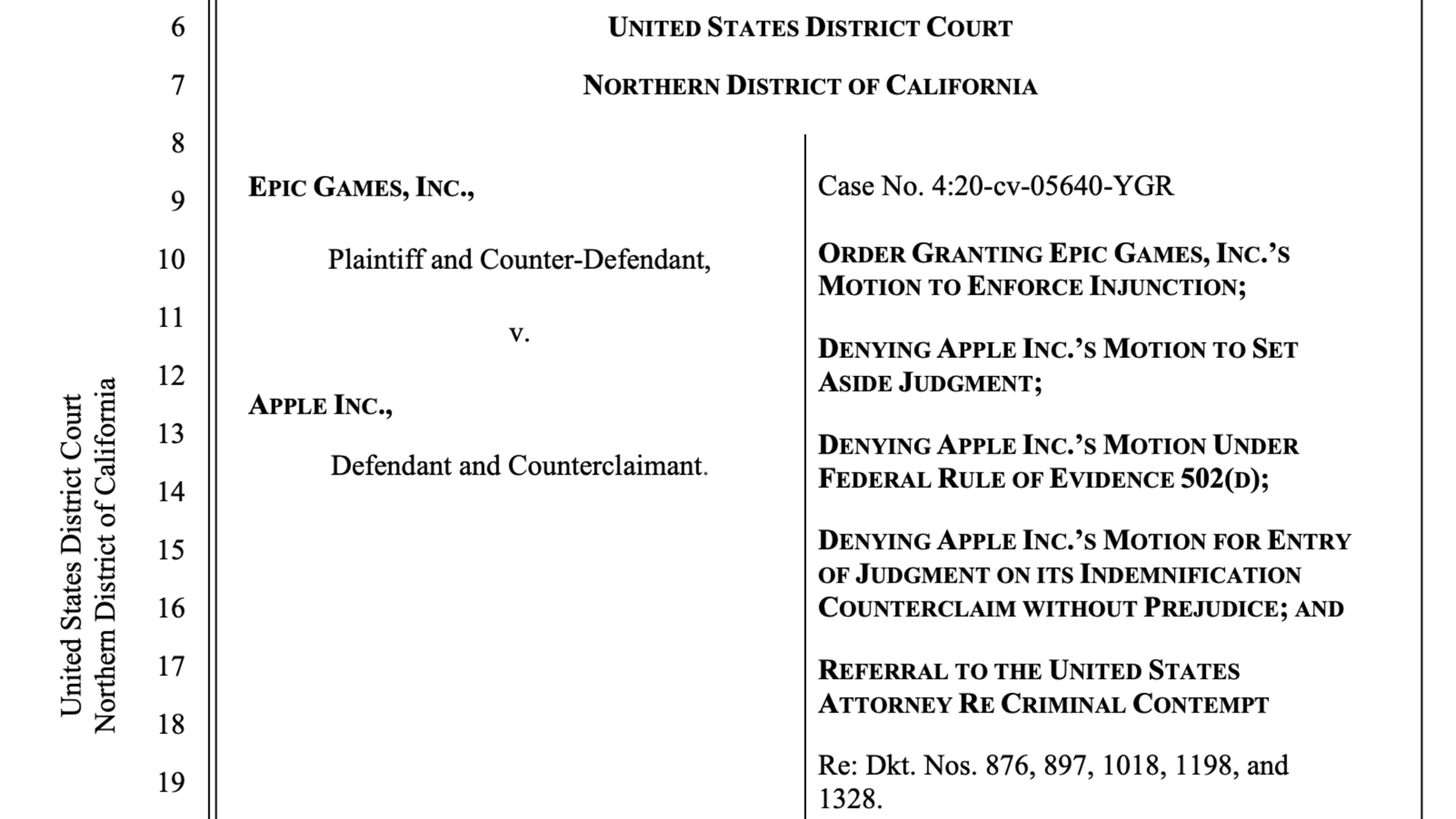
Apple vs Epic Games: Violation of Court Order

Use code TRYHARD33 at checkout to redeem this offer before code expires again.
Get 33% Off GAMES+ Subscription
Rent-Seeking and Economic Implications
The ruling broke new ground by labeling Apple's commission structure as rent-seeking—the first time a U.S. court has used that term in this context. The decision doesn't strike down Apple's standard 30% cut, but it shows courts are willing to scrutinize platform fees more closely, particularly when compliance efforts appear designed to stifle competition rather than enable it.
Judge Rogers revealed that Apple's internal teams flagged problems with the company's proposed compliance plan, but financial leadership overruled those concerns. The ruling pointed to instances of misleading the court and alleged that a senior Apple executive lied under oath. These findings prompted the judge to refer the case to the U.S. Attorney for potential criminal contempt charges—a rare escalation in corporate litigation.
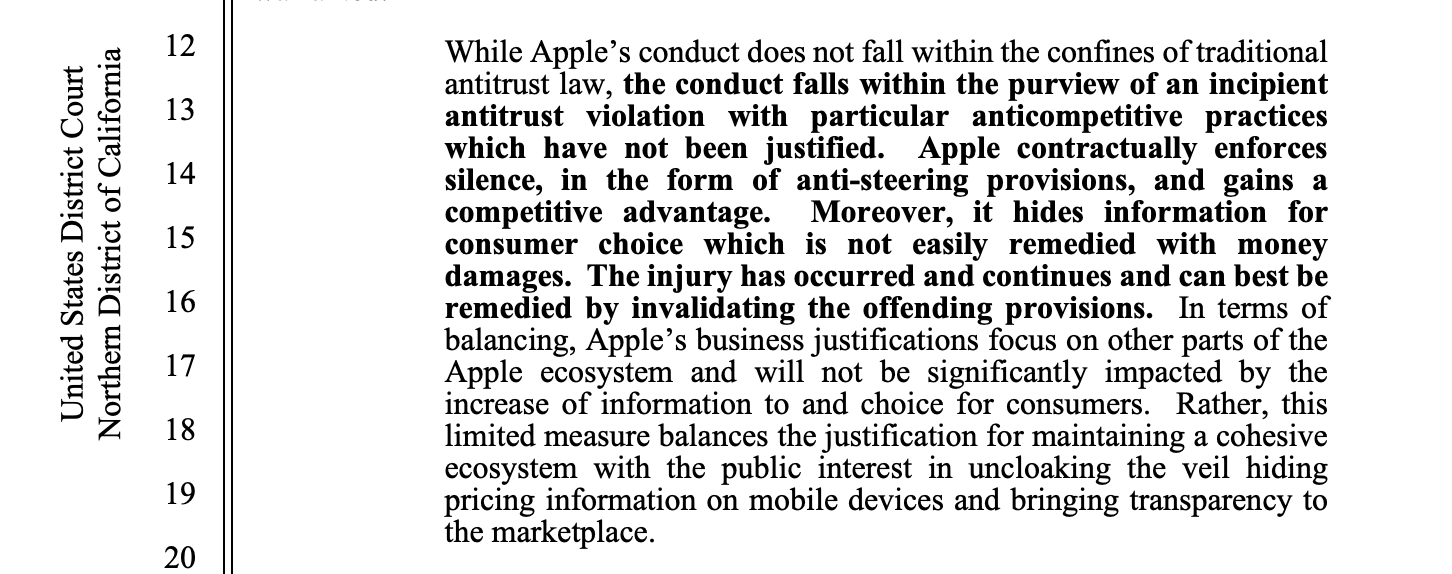
Apple vs Epic Games: Violation of Court Order
Regulatory Parallels in the EU and Beyond
The court's conclusions echo concerns raised elsewhere. In the European Union, Apple has faced pressure under the Digital Markets Act, which targets the market power of major tech firms. Apple responded by offering developers alternative distribution paths but added a €0.50-per-download "Core Technology Fee." Companies like Epic Games and Spotify argue the fee undermines the regulation's purpose, even if it technically complies.
This approach—sometimes called "malicious compliance"—has drawn attention from regulators globally. The U.S. ruling may strengthen efforts to challenge these tactics, establishing a legal precedent that recognizes strategic obstruction as a violation even when wrapped in the appearance of cooperation.
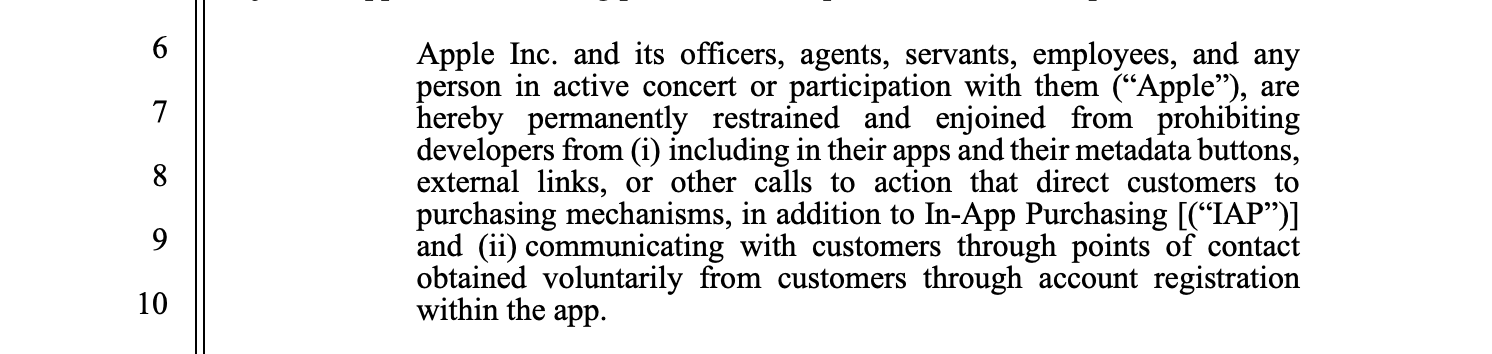
Apple vs Epic Games: Violation of Court Order
Effects on the Mobile Gaming and App Economy
The decision carries weight for the mobile gaming sector, which drives a large share of revenue in interactive entertainment. Developers have long complained that platform fees and marketing expenses eat into profits, with scaling often increasing losses instead of improving margins. The ruling could ease financial pressure by cutting costs tied to distribution through dominant platforms like the App Store.
The decision also reframes how platform rules are viewed. Apple's guidelines are no longer treated as neutral policies—they're recognized as strategic instruments used to preserve market dominance. This clarity creates openings for more legal and regulatory challenges as stakeholders gain a clearer understanding of how these systems can be contested.

Apple vs Epic Games: Violation of Court Order
Consequences for Apple and the Industry
The ruling does more than punish Apple—it signals a shift in how digital market structures may develop. By confirming that rent-seeking can lead to civil and potentially criminal penalties, the decision changes the risk calculation for large platforms. Other firms operating under similar models may now reconsider their compliance strategies and fee structures.
For Epic Games, the outcome is a major win in its effort to challenge Apple's grip on app distribution and payments. The ruling provides legal grounding for questioning the broader ecosystem that supports digital commerce, from payment infrastructure to platform access. These issues extend beyond gaming and are likely to affect other sectors of the app economy, including web3 applications that depend on open, interoperable systems.
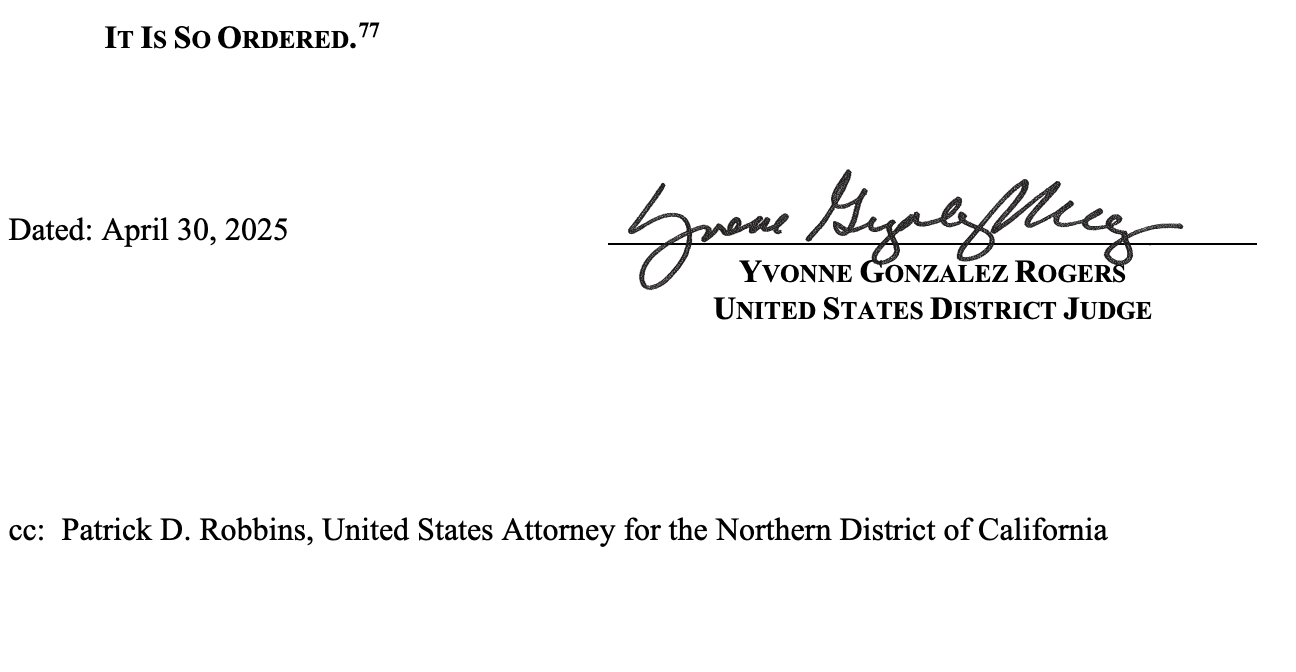
Apple vs Epic Games: Violation of Court Order
A Turning Point for Platform Regulation
Judge Rogers' decision is a rare judicial rebuke of a major tech company for willfully defying a court order. The ruling questions Apple's current practices and sets a new standard for how courts and regulators might handle platform governance. By drawing a line between formal compliance and genuine cooperation, the case exposes the limits of self-regulation among dominant digital platforms.
As more jurisdictions examine the competitive practices of major tech companies, the Apple-Epic case may become a key reference. It shows how structural advantages are leveraged to maintain market dominance and how legal tools can be used to challenge those dynamics. The long-term impact of this ruling may reshape how value flows through the digital economy and shape future regulatory frameworks.