

For years, competitive players have been stuck making an uncomfortable trade-off: go with a fast 24-inch TN or IPS panel and sacrifice image quality, or step up to a gorgeous 27-inch OLED and accept that the extra screen real estate works against you in a tight CS2 or Valorant match. That compromise might finally be over.
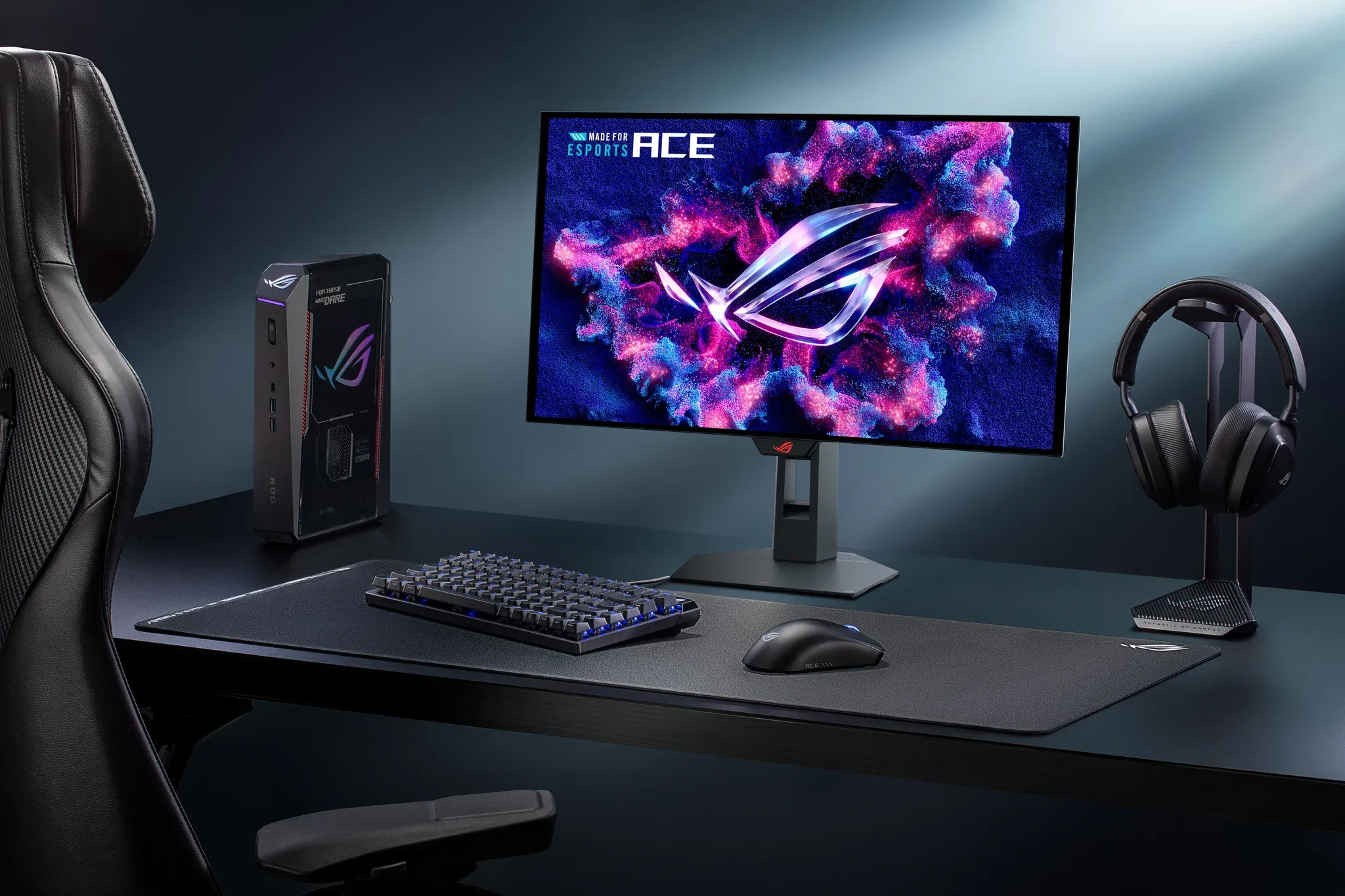
Asus ROG has teased what it's calling the world's first esport OLED monitor, and the specs point to a 540 Hz, 24.5-inch panel. The tease dropped on social media on May 30, 2026, with ROG branding it the "WW 1st Esports OLED Monitor" alongside the tagline “the esports game is about to change.”

Use code TRYHARD33 at checkout to redeem this offer before code expires again.
Get 33% Off GAMES+ Subscription
Why 24.5 inches at 540 Hz actually matters for competitive play
Here's the thing: monitor size is a genuinely strategic choice in competitive shooters, not just a preference. A 24 to 25-inch display lets you take in the full scene without moving your eyes across the panel, which matters when you're tracking movement at the edge of your screen in a tactical FPS. Players who've spent time on both 24.5-inch and 27-inch panels for competitive use consistently favor the smaller form factor for exactly this reason.
The 540 Hz refresh rate is the other piece of the puzzle. The popular Zowie XL2586X+, a 24.5-inch 1080p TN panel and a go-to for CS2 professionals, tops out at 600 Hz. Jumping from 360 Hz to 540 Hz isn't the same dramatic leap as going from 144 Hz to 240 Hz, but at the highest levels of play, the reduction in motion blur and input lag is measurable. Every frame counts when you're peeking angles at a pro level.
While Asus ROG hasn't confirmed the resolution in its teaser, a 24.5-inch esports monitor running at 540 Hz almost certainly targets 1920x1080. That's the standard for high-refresh-rate competitive panels at this size, and anything higher would demand significantly more GPU headroom to sustain those frame rates.
The OLED angle: what changes for esports players
OLED's advantages in a competitive context go beyond aesthetics. Response times on OLED panels are typically under 0.1 ms, compared to the 0.5 to 1 ms figures you see on fast IPS panels and the 0.2 to 0.5 ms range on TN. That translates directly to sharper motion clarity, which is visible even at high refresh rates.
The bigger draw for many players is the contrast. OLED's true blacks mean enemy models don't blend into dark map areas the way they can on IPS panels with mediocre contrast ratios. That's not a minor visual perk in a game like CS2 where reading angles quickly decides rounds.
The trade-off has always been that OLED panels in the competitive size range simply didn't exist. The smallest mainstream OLED gaming monitors have sat at 27 inches, which is genuinely too large for the "see everything without moving your eyes" philosophy that esports players swear by. A 24.5-inch OLED at 540 Hz closes that gap entirely.
What this means for players building a competitive setup
The competitive monitor market has been dominated by TN and IPS panels from BenQ Zowie, AOC, and Asus ROG itself for years. OLED has been making inroads at the 27-inch tier, but the 24 to 25-inch bracket has stayed firmly in TN/IPS territory. This announcement signals that's changing.
For players who've been holding off on a monitor upgrade waiting for OLED to hit the right size, this is the announcement worth tracking. Pricing and availability details haven't been confirmed yet, but given that the current 540 Hz ROG IPS panels already sit at the premium end of the market, expect this OLED variant to price accordingly.
The key here is that this isn't just a spec bump. It's a category that didn't exist before. A 24.5-inch 540 Hz OLED built specifically for esports gives competitive players OLED's response time and contrast advantages without the size penalty that's kept most of them on TN panels. You'll want to keep an eye on the full specs and pricing when Asus makes the official announcement.
For more hardware coverage and the latest on competitive gaming setups, check out our game reviews and gaming guides for everything from peripheral picks to in-game optimization tips.