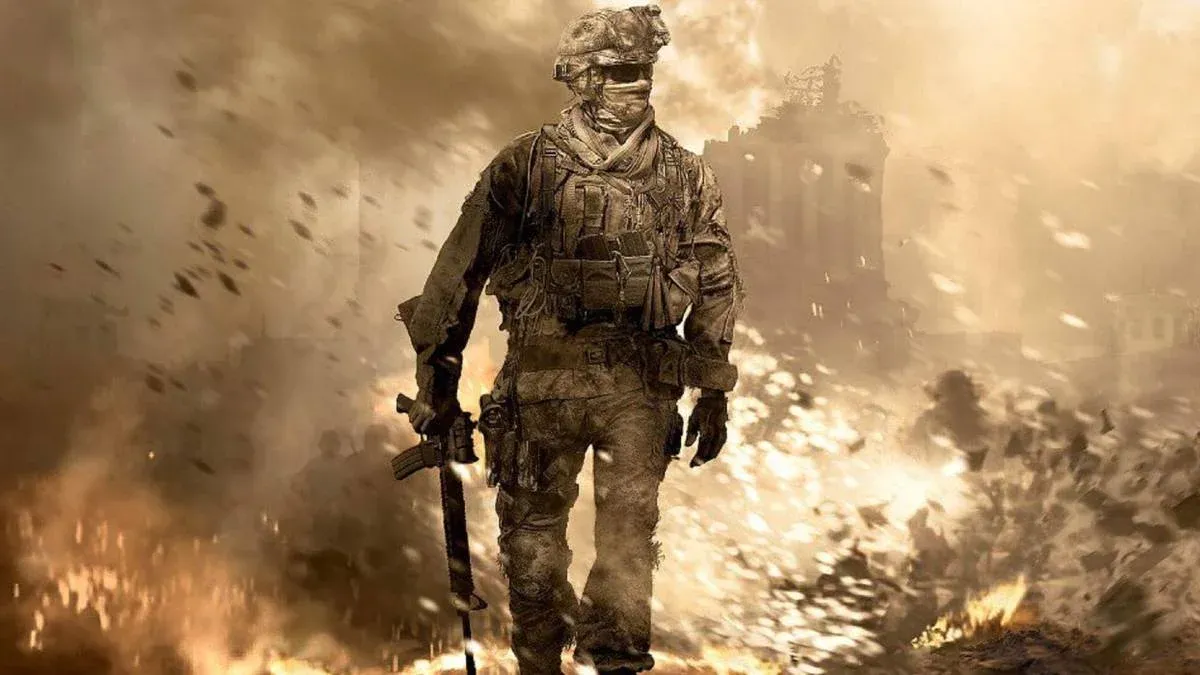


The live-action Call of Duty movie has lingered in development hell for nearly a decade, cycling through false starts and missed deadlines until it became shorthand for vaporware. What began as a 2015 announcement collapsed into a missed 2019 window, then vanished entirely during 2020's production shutdowns. Now it has a confirmed theatrical date: June 30, 2028.
Paramount locked in the release window during its CinemaCon presentation, marking the first time this project has moved beyond vague promises. Peter Berg—the director behind Deepwater Horizon and Lone Survivor—will helm the film and produce it alongside Taylor Sheridan, the Yellowstone creator who's also co-writing the script. That combination brings legitimate action pedigree and narrative weight to a franchise adaptation that's been stuck in limbo for years.
How a 2015 announcement became a 2028 movie
The timeline reveals just how troubled this production has been. Italian filmmaker Stefano Sollima was initially tapped to direct back in 2015, but after the 2019 target came and went without progress, he publicly confirmed in 2020 that the entire project had stalled indefinitely. Nothing moved for half a decade.
The turnaround finally arrived in September 2025, when Paramount and Activision formally greenlit the film under new leadership. Berg and Sheridan joined in October 2025, and within months the studio committed to a hard release date. After years of radio silence, the machinery is now running.
What Berg and Sheridan actually bring to this
This pairing fits the franchise better than most alternatives. Berg has spent two decades crafting grounded military action with visceral intensity, while Sheridan made his name writing morally tangled stories set in high-pressure environments—Sicario and Hell or High Water before Yellowstone cemented his reputation. Both specialize in the exact tonal space Call of Duty occupies: military realism wrapped in blockbuster scale.
The games have always leaned into authentic military aesthetics, geopolitical friction, and ground-level combat perspectives. Berg's filmography mirrors that approach, translating real-world military operations into kinetic cinema without losing the human stakes.
Rob Kostich, Activision's president and a producer on the film, framed the creative direction during the CinemaCon reveal: "We want to make sure that the authenticity of it is captured on a human level so that it feels really real and infuse that with epic scope." That description aligns cleanly with how Berg structures action sequences and how Sheridan builds character-driven tension within larger conflicts.
What this means for the franchise beyond the game
Call of Duty has moved over 400 million units across its entire run, making it one of the highest-grossing entertainment properties ever created. A major theatrical release shifts the brand into a different tier of cultural presence. The joint statement from Paramount and Activision positioned the film as something built to "thrill its massive global fan base" while "boldly expanding the franchise to entirely new audiences."
The 2028 date matters because it provides real breathing room. Two years allows for proper production and post without cutting corners. The Helldivers adaptation is aiming for late 2027, the Elden Ring film is already shooting, and the Metal Gear Solid movie recently secured directors after spending 12 years in development purgatory. Video game adaptations are no longer automatic disasters, and Call of Duty landing in summer 2028 places it directly in the middle of that momentum.
For everything else happening in gaming and beyond, browse our gaming news to stay across what's coming. Casting announcements are the obvious next milestone, and given the franchise's global footprint, whoever lands the lead will generate serious attention. The latest reviews section will have you covered when the film eventually gets closer to release.