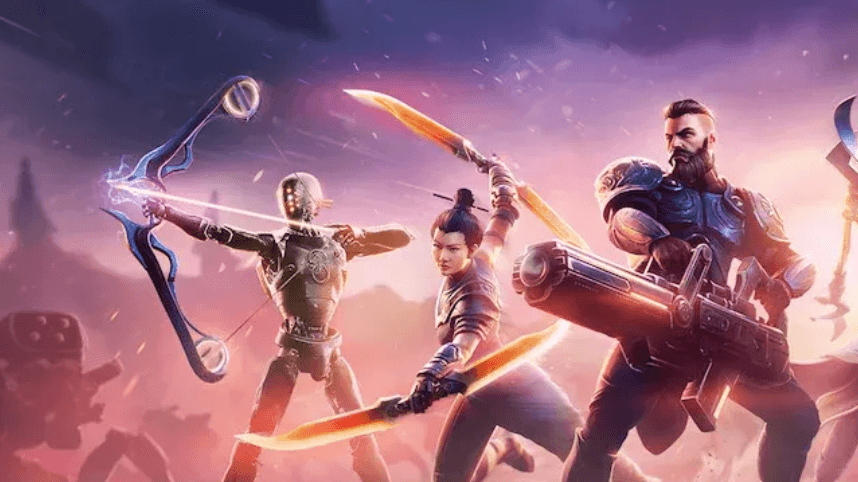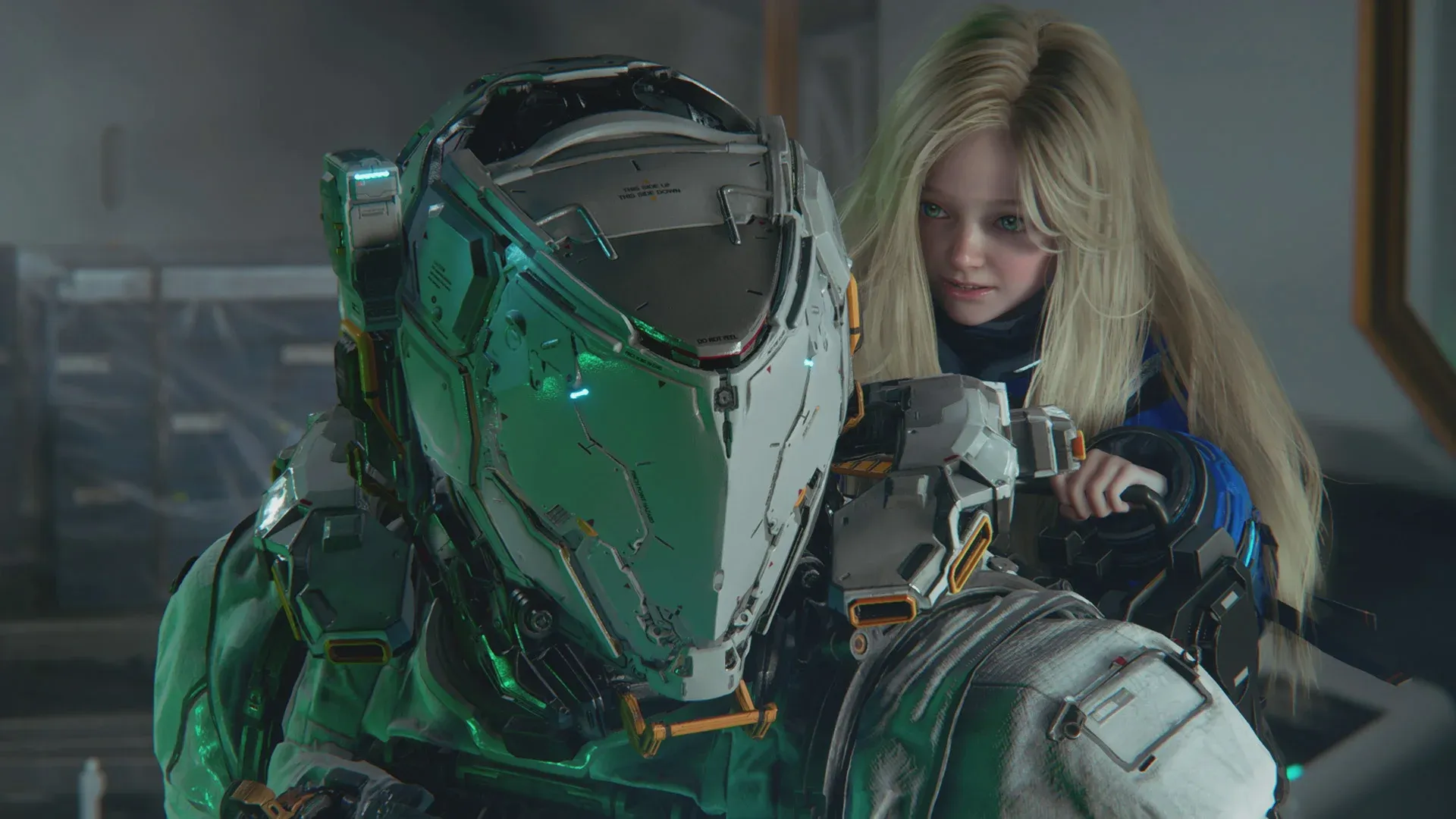


Pragmata has only been out for a matter of weeks, but Capcom is already talking about it like a franchise starter. Rob Dyer, chief operating officer of Capcom USA, made comments at this week's Iicon event that suggest the sci-fi shooter could be the beginning of something much bigger for the publisher.
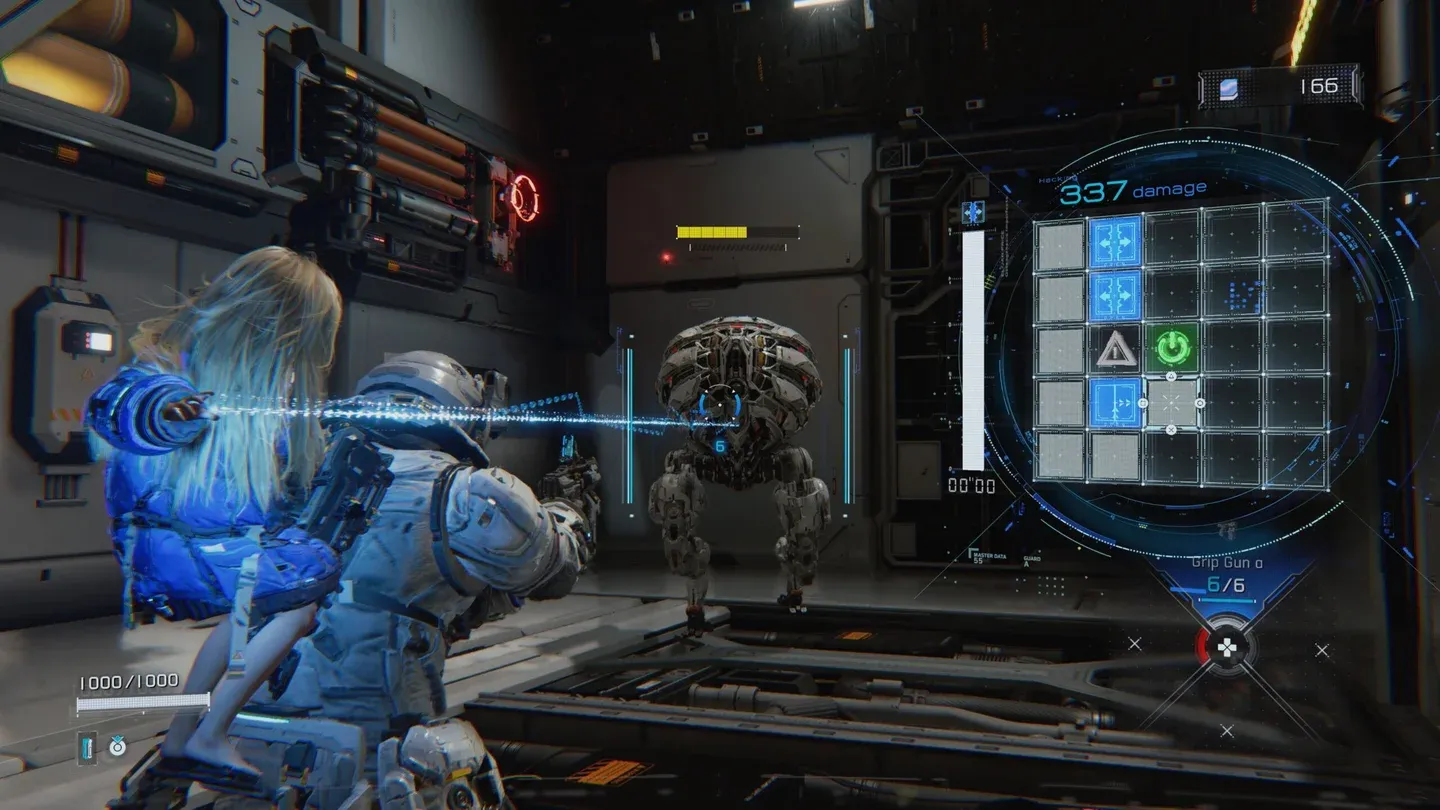
Hugh and Diana on the Moon
Dyer was discussing Capcom's global development philosophy when he used Pragmata as a prime example of cross-regional collaboration paying off. His words were pointed: "We're to a point now where we've got another IP that Capcom, and god bless them, has an arsenal, that we can continue to go down."
No sequel has been announced. But that kind of language from a COO doesn't come out of nowhere.
What a million sales in two days actually means for Pragmata
Context matters here. Pragmata is a completely original IP from a publisher best known for Resident Evil and Monster Hunter, two of the most established franchises in gaming. Getting a brand-new property to 1 million copies in 48 hours is a genuine achievement, not a marketing talking point.
Capcom acknowledged the milestone directly, crediting two specific decisions: releasing an early demo before launch, and shipping a Nintendo Switch 2 version on day one alongside other platforms. "These initiatives generated significant momentum, enabling Pragmata to achieve worldwide sales of over one million units in just two days despite being a completely new IP," the company said.
The Steam numbers back this up. Pragmata currently sits at 97% positive user reviews, which puts it in "Overwhelmingly Positive" territory. That's not a number you fake with marketing spend.
Six years, Western focus tests, and why it actually worked
Pragmata spent six years in development, which is a long time for any game. Dyer's comments suggest that time wasn't wasted. Capcom's Japanese development team actively sought input from the American division throughout the process, running focus tests, distributing demos, and conducting surveys in Western markets.
"They took feedback," Dyer said simply. And after six years of incorporating that feedback, "it was worth the effort."
This is worth paying attention to because it's a specific methodology, not a vague claim about "listening to players." The team ran structured research, iterated on it, and shipped a product that landed with both critics and players simultaneously. That combination is harder to pull off than it sounds.
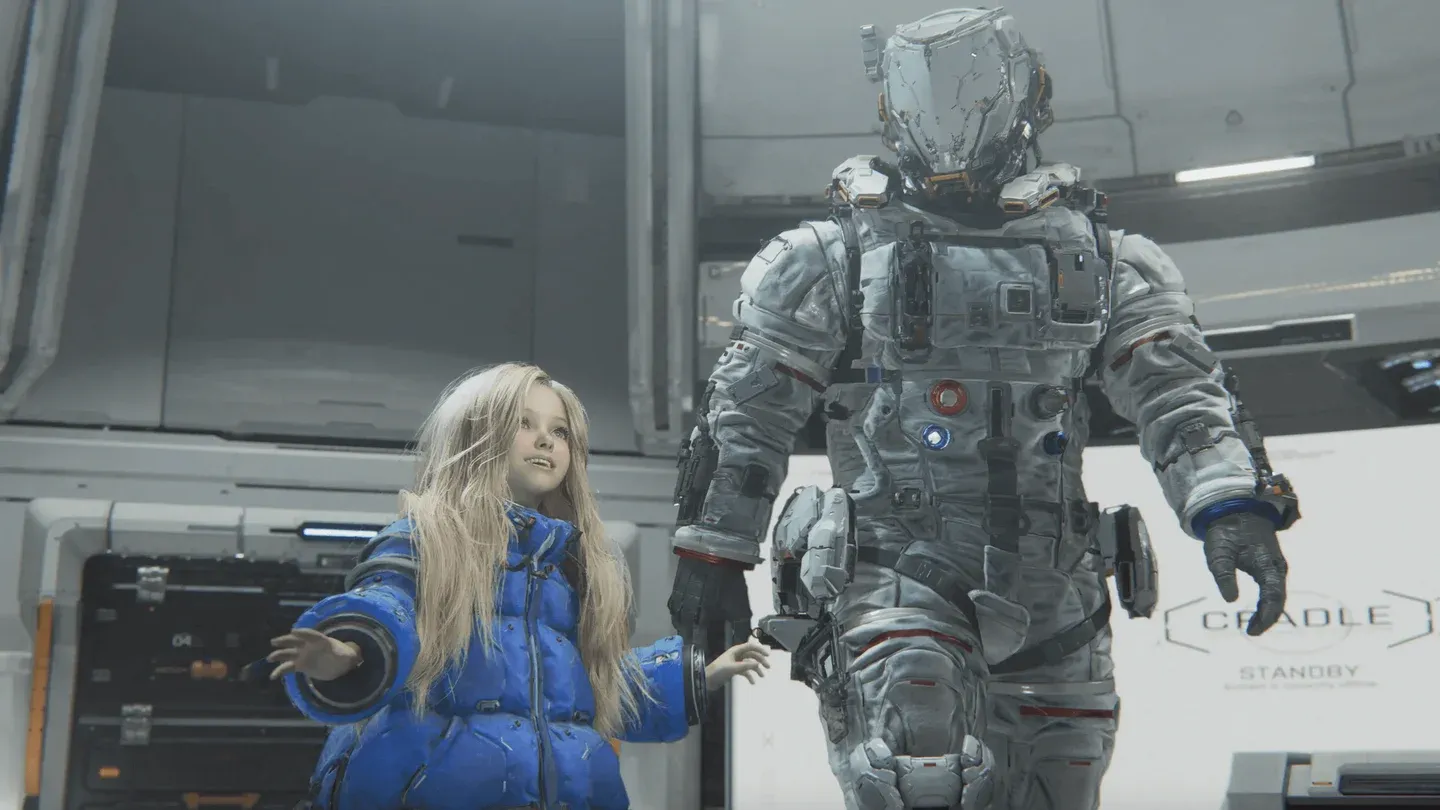
Combat on the Moon base
What Capcom's 'arsenal' comment actually signals
Here's the thing about Dyer's phrasing. He didn't say Capcom was "exploring options" or "monitoring the situation." He said the company now has another IP it "can continue to go down." That's forward-looking language, framed around ongoing development rather than a wait-and-see approach.
Capcom's IP strategy has been one of the more consistent in the industry over the past decade. Resident Evil and Monster Hunter both receive regular entries, and the publisher has shown it can sustain franchises over long periods without running them into the ground. If Capcom views Pragmata through that same lens, the question isn't really whether a follow-up happens but when.
The critical reception adds more weight to that direction. Pragmata holds an 85 on Metacritic, and reviews have compared its focused single-player experience favorably to the shorter narrative adventures that defined the Xbox 360 era. That's a specific compliment. Games from that period, like Alan Wake and Vanquish, have developed genuine cult followings that eventually led to sequels or revivals years later.
Players who finished it are already asking what's next
The reaction from players who've completed Pragmata lines up with Capcom's franchise ambitions. The game's world, characters, and setup leave obvious room for expansion. Hugh and Diana's story on the Moon base works as a self-contained experience, but it also functions as an introduction to a larger universe that hasn't been fully explored yet.
That's exactly the kind of foundation a publisher needs before committing to a series. Capcom has it now, backed by sales data and critical consensus that removes most of the commercial risk from a follow-up.
For players who haven't jumped in yet, this is the moment where getting in early actually means something. If Pragmata does grow into a franchise, the first game will be where the story starts. You can check out the latest gaming news for more on what's coming from Capcom and other major publishers.
The next move is Capcom's. Given the numbers Dyer was citing at Iicon, it would be surprising if they left Hugh and Diana stranded on the Moon permanently. Keep an eye on what Capcom announces in the months ahead, and browse gaming reviews to see how Pragmata stacks up against the rest of this year's releases.