

The Mass Effect director building the most anticipated Star Wars RPG in years has a clear position on AI in game development: he wants nothing to do with it.
Casey Hudson, the veteran behind the original Mass Effect trilogy and now directing Star Wars: Fate of the Old Republic at Aracanaut Studios, spoke to Bloomberg this week and did not mince words. "I just find AI to be creatively soulless," he said. "It's hard to imagine where it's actually helpful in the process. I'm just really unimpressed with it."
That is about as direct a statement as you will hear from a studio director right now, at a moment when plenty of publishers are rushing to integrate generative AI into pipelines wherever they can fit it.
A small team, a focused vision
Hudson's comments came alongside a broader look at how Aracanaut Studios plans to build Fate of the Old Republic. The goal is to keep the headcount deliberately lean. "We really want to avoid having hundreds and hundreds of people," he told Bloomberg, citing his time at BioWare as a cautionary example of how large teams can become unwieldy. Contractors will be brought in to handle co-development work on specific parts of the project.
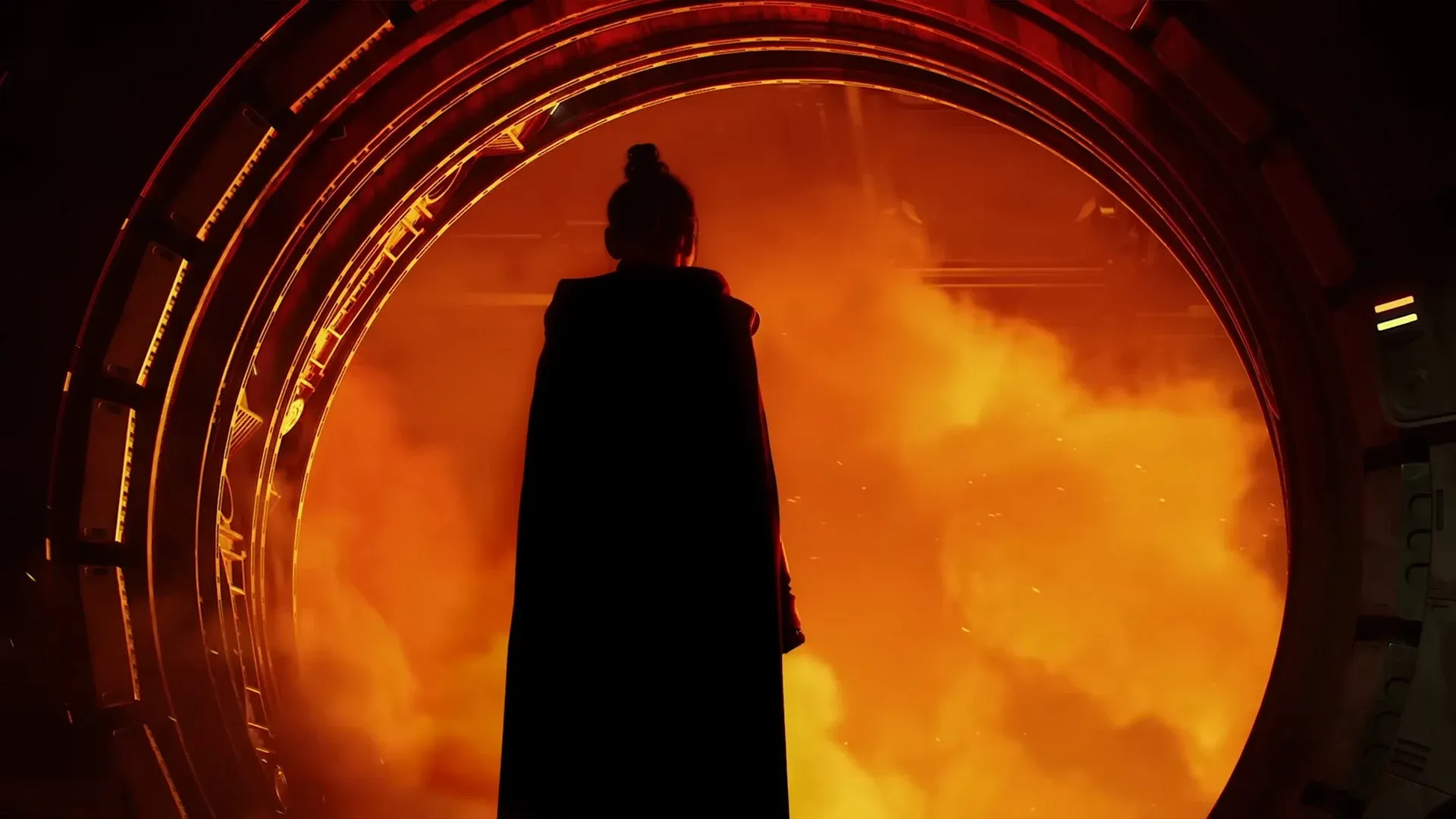
The KOTOR spiritual successor was only revealed last December via a CG trailer, so there is still very little concrete gameplay to go on. But the philosophy Hudson is describing sounds like a direct reaction to the bloated, years-long development cycles that have defined big-budget RPGs recently.
Shorter, replayable, and built to finish
Here's the thing that will probably resonate most with players burned by 150-hour RPGs: Hudson does not think bigger is better. "If I'm excited about a game and then I find out that it's 200 hours long, even if I have no ambition to actually finish it, I wonder, if I put 20 hours in, will I even be out of act one?" he said. "A lot of players just want to play something and finish it."
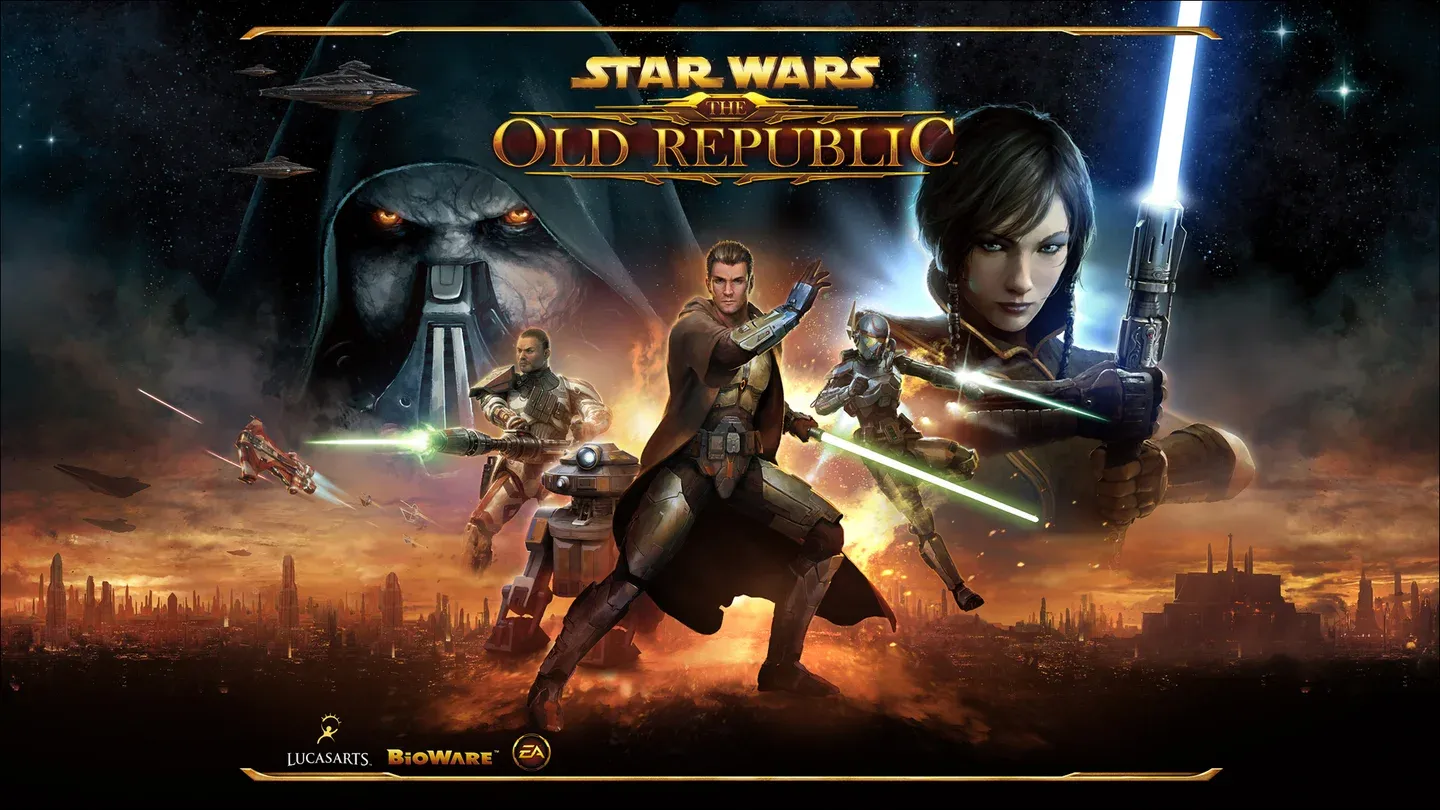
Replayability is still part of the plan, with multiple storylines confirmed. The idea seems to be a tighter, more focused experience that rewards multiple playthroughs rather than a single endless grind. Fans of the original Star Wars: The Old Republic MMORPG will recognize that branching narrative DNA, though Fate of the Old Republic is shaping up as a very different kind of game.
Branching storylines confirmed
For anyone following the broader mmorpg games space, the contrast is worth noting. Fate of the Old Republic is not a live-service title chasing infinite session time. Hudson is explicitly pitching it as something you can actually complete.
What this means for gamers watching this one closely
Fate of the Old Republic is still early enough that a CG trailer is basically all anyone has seen. The no-AI commitment is a meaningful signal, but it only matters if the game ships with writing and world-building that justifies the stance. Hudson has the pedigree to back it up, and the intentional scope he is describing gives the project a better shot at landing cleanly than most Star Wars games in recent memory.
The pre-2030 window is the next concrete milestone to watch. If you want to stay across every update as the game develops, our Star Wars: Fate of the Old Republic strategy guides collection will be the place to track everything as more details surface.