

The lead developer behind The Witcher 3: Wild Hunt has opened up about just how unsustainable the production timeline was for the game's two major expansions, Hearts of Stone and Blood and Wine, and why CD Projekt Red ultimately had no choice but to change how it builds post-launch content.
The brutal reality behind two legendary expansions
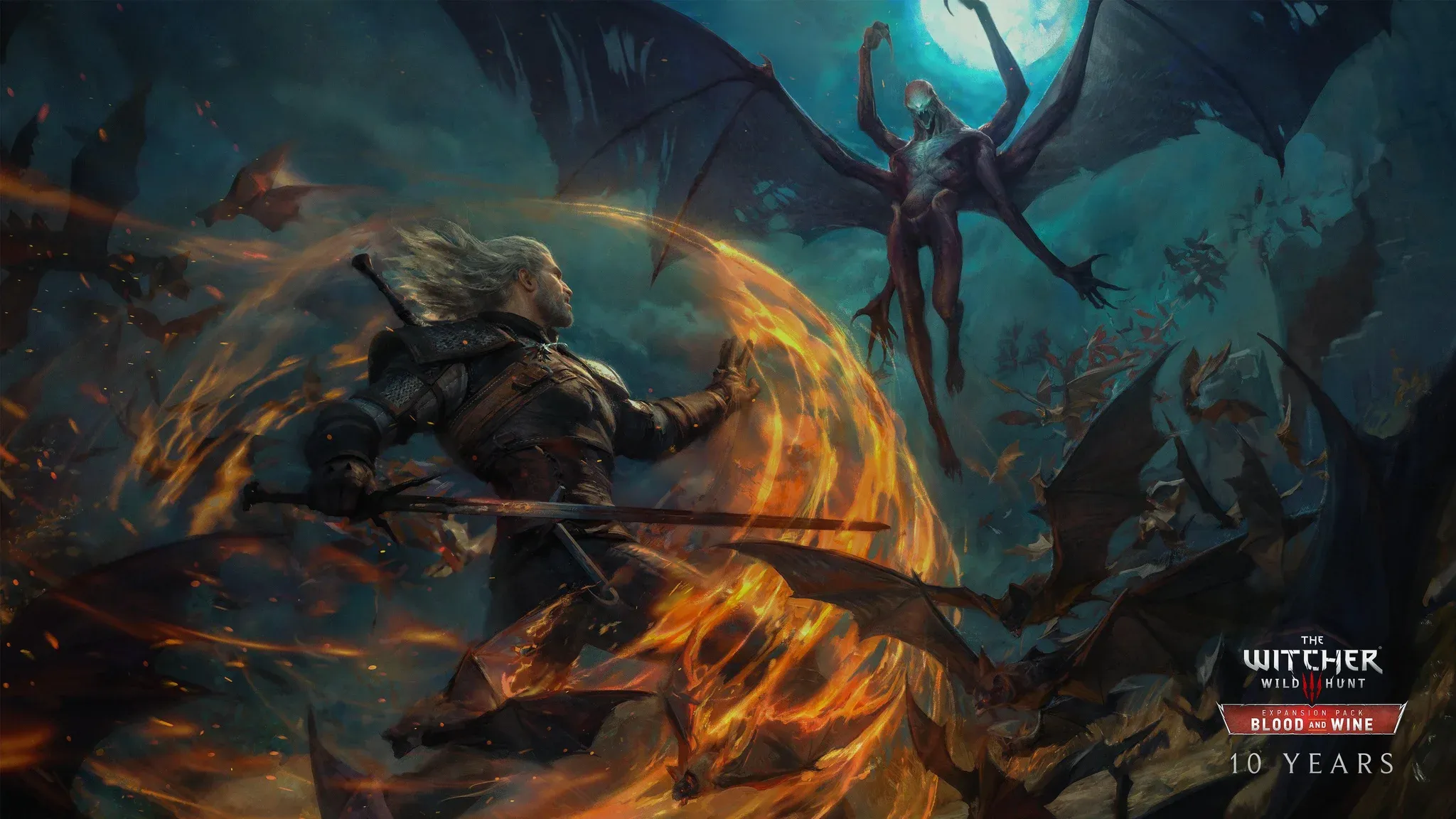
Hearts of Stone launched in October 2015, roughly five months after The Witcher 3's base game shipped. Blood and Wine followed in May 2016. Both are widely regarded as some of the best expansion content ever made in the RPG games genre, but that quality came at a real cost to the people building it.
The Witcher 3's lead has described the dev timeline as simply not having enough time and not being able to afford the pace they were working at. The team was still shipping major content while recovering from the base game's own grueling production cycle. That's a pattern that's hard to maintain even once, let alone twice in under 12 months.
Here's the thing: when players look back at Hearts of Stone and Blood and Wine, they see polished, dense, emotionally resonant expansions. What most players miss is that those releases came out of a studio running on fumes.
Why CDPR couldn't keep operating that way
The pace wasn't just physically demanding. It affected planning, scope, and the kind of creative risks a team can reasonably take when the runway is that short. Blood and Wine, which added the entirely new region of Toussaint and clocked in at over 20 hours of content, is an extraordinary achievement under any circumstances. Under those specific circumstances, it's almost hard to believe it shipped in the state it did.
CD Projekt Red recognized that the model wasn't repeatable. The studio has since restructured how it approaches post-launch content, with longer development windows and a clearer separation between base game production and expansion work. The Phantom Liberty expansion for Cyberpunk 2077, which launched in September 2023 after a more deliberate post-launch strategy, reflects that shift in thinking.
What this means for the next Witcher 3 expansion
The timing of these comments matters. A new expansion for The Witcher 3, titled Songs of the Past, is currently in development and targeting a 2027 release. The key here is that CDPR's changed approach means Songs of the Past is being built under very different conditions than Hearts of Stone or Blood and Wine were.
Whether that results in something that matches or exceeds the quality of those earlier expansions is the real question. More time and better resourcing don't automatically produce better games, but they do give developers the space to make smarter decisions. You'll want to keep an eye on how Songs of the Past develops, because it's essentially CDPR's first test of whether its new approach to expansion development actually delivers.
For everything confirmed so far about the upcoming DLC, check out our Witcher 3 Songs of the Past release date guide for the latest details.