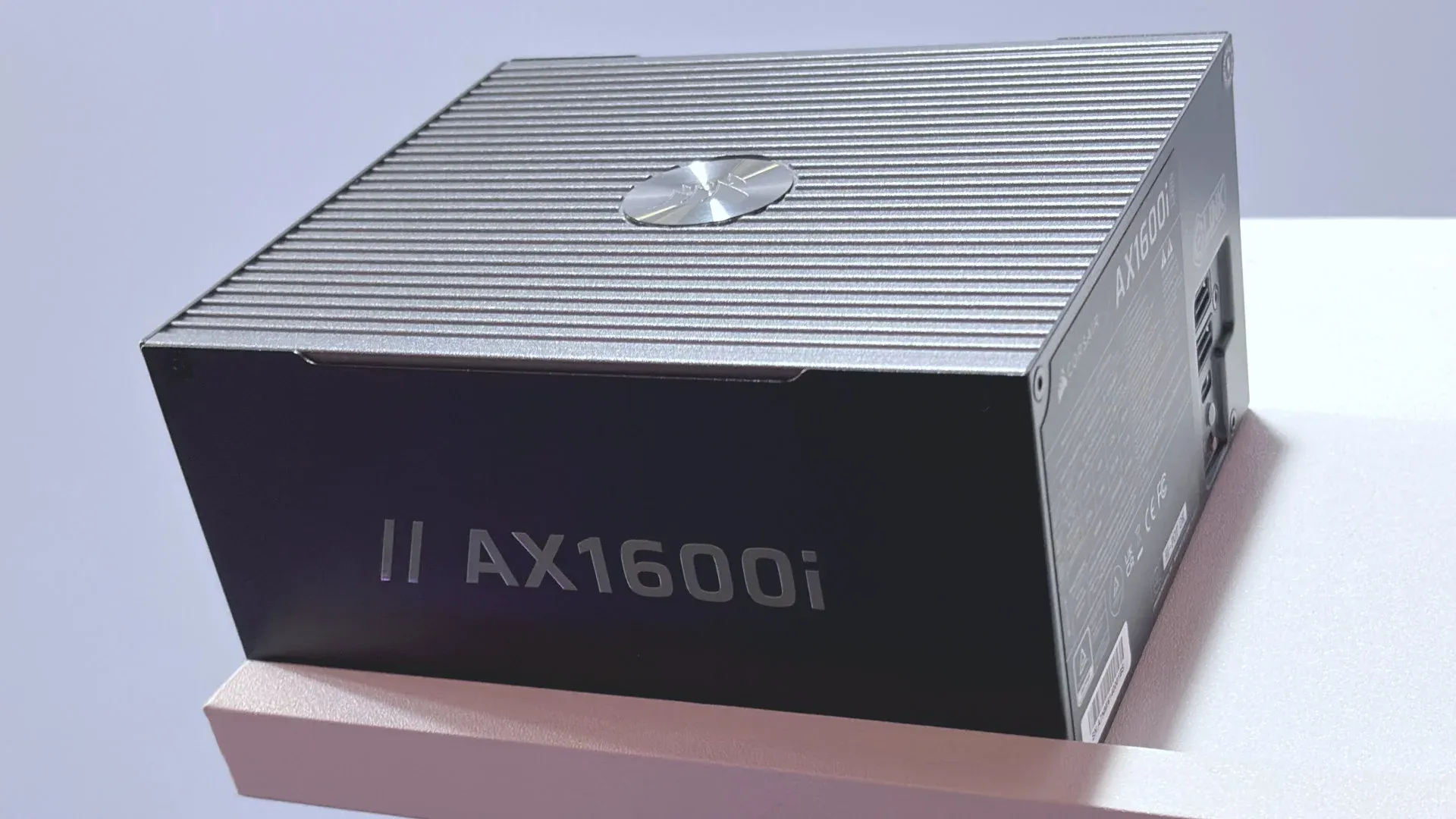


The original Corsair AX1600i earned its reputation as one of the most capable power supplies money could buy. Titanium efficiency rating, digital control, 1600W of clean output. Enthusiasts loved it. The problem was that the world moved on and the AX1600i did not, sitting awkwardly in an era of RTX 5090s and 12V-2x6 connectors while still shipping with proprietary sockets and an adapter cable workaround that nobody wanted to deal with.
At Computex 2026, Corsair finally addressed all of that with the AX1600i Shift, a top-to-bottom refresh that keeps the raw power credentials intact while fixing every practical complaint the enthusiast community had been sitting on for years.
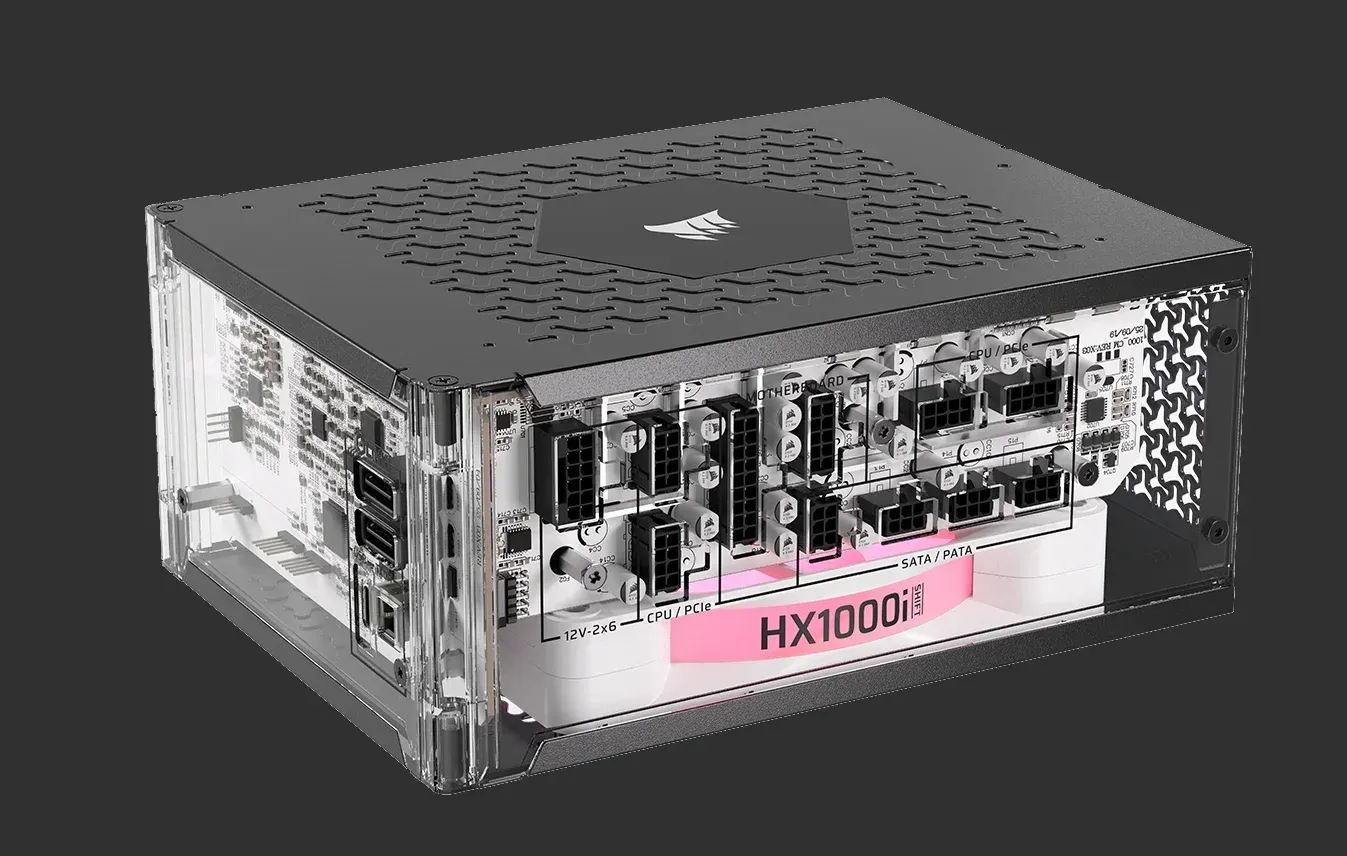
AX1600i Shift connector layout

Use code TRYHARD33 at checkout to redeem this offer before code expires again.
Get 33% Off GAMES+ Subscription
Native GPU power at last
Here's the thing that was quietly frustrating about the old AX1600i: pairing a multi-thousand-dollar power supply with a high-end Nvidia GPU still required an adapter cable. That is not a great look for a flagship product. The AX1600i Shift fixes this with two dedicated 12V-2x6 sockets, the updated standard that replaced the original 12VHPWR connector. Any compatible GPU cable works now, whether that is Corsair's own ThermalProtect PCIe 5.1 cable or a third-party option.
The practical upside here is real. The 12V-2x6 connector standard includes a sense pin design that reduces the risk of the connector seating incorrectly, which was a genuine concern with early 12VHPWR implementations. Corsair will push its own cables, but the fact that the socket is no longer proprietary matters to anyone building a high-end rig and wanting flexibility.
Pin monitoring through iCUE Link
The more interesting addition for builders who already run a Corsair iCUE ecosystem is the integrated iCUE Link hub and USB Type-C port built directly into the unit. This enables pin monitoring that feeds data back into iCUE software, giving you visibility into what is happening at the 12V-2x6 connection in real time.
Whether Corsair will implement active current throttling on overheating pins at the PSU level remains to be confirmed, but the monitoring layer alone is a meaningful step up from flying blind. For anyone who has ever worried about connector temps on a power-hungry GPU, this is the kind of feature that earns its place on a spec sheet.
Smaller footprint, same output
Corsair trimmed 30mm off the length of the AX1600i, bringing it down to 170mm. That is a significant cut for a 1600W unit. The reduction comes from two places: a shift to compact GaN (gallium nitride) components, which are more efficient at smaller sizes than traditional silicon, and the adoption of the Shift form factor that Corsair introduced on earlier models.
The Shift design moves the modular connector panel from the end of the PSU to the side. This changes cable routing inside the case, keeping cables shorter and reducing clutter near the GPU. At 170mm, the AX1600i Shift fits comfortably in most mid-tower cases that the original 200mm version would have squeezed into.
What the price will look like
Corsair has not confirmed pricing yet. The existing AX1600i already sits at a level that makes most people do a double-take, so the Shift version is unlikely to be cheaper. The GaN components, iCUE Link integration, and redesigned chassis all add cost. For the builder already committed to an RTX 5090 and a full Corsair ecosystem, the premium will probably feel proportionate. For everyone else, it is worth watching.
The AX1600i Shift is the kind of update that should have existed two GPU generations ago, but it is here now and it addresses the right things. Check out our game reviews for coverage of the titles that will be pushing these power limits, and keep an eye on our gaming guides as we dig into build recommendations once pricing and availability land.