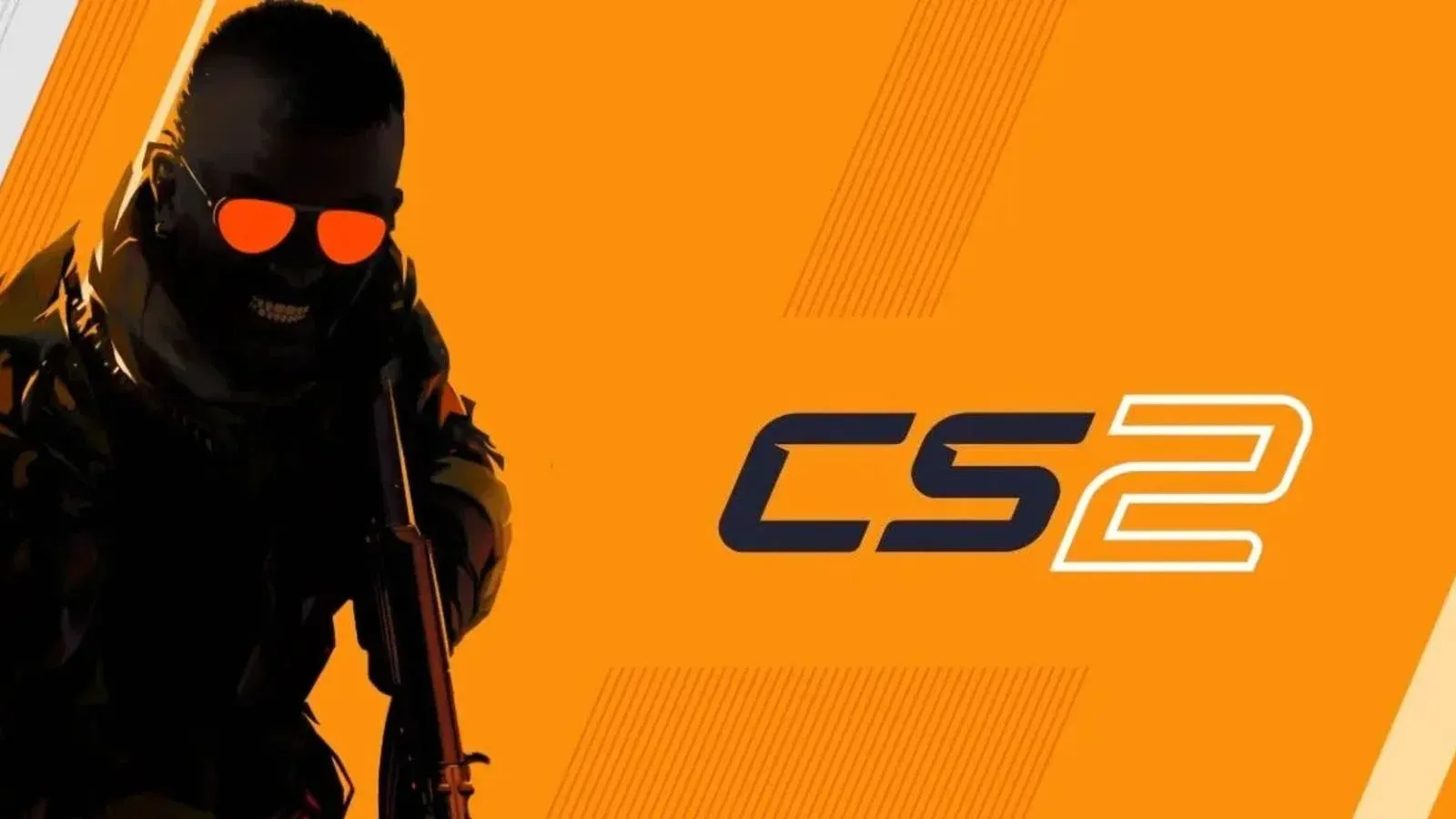


Counter-Strike 2 sits at the top of Steam with well over a million concurrent players on any given day. That number is so consistent it barely registers as news anymore. What nobody expected, though, was that CS:GO would quietly stage a comeback strong enough to land it in Steam's top 30 most-played games, sitting alongside titles that launched within the last two years.
Here's the thing: CS:GO was effectively absorbed when Valve launched CS2 back in 2023. The old game lost its own Steam page, its identity folded into the successor. Then, earlier this year, Valve reversed course and gave CS:GO its own standalone listing again. The community's response was immediate.
A post-relaunch peak that nobody saw coming
Just a few days ago, CS:GO hit a new all-time concurrent player peak since its re-release as a standalone title, reaching just over 68,000 simultaneous players. That number might look modest compared to CS2's seven-figure peaks, but context matters here. CS:GO is 14 years old. You cannot simply browse for it on Steam the normal way. There is no prominent storefront placement pushing it to new players.
Despite all that friction, it is pulling numbers comparable to Deadlock, Valve's newer extraction-style shooter that also lacks a standard public Steam listing. Sitting at roughly the 28th most-played game on the platform, CS:GO is currently ahead of Baldur's Gate 3, Rainbow Six Siege, and Battlefield 6 in concurrent player counts.
The growth pattern is what makes this genuinely interesting. The initial spike when the standalone version was restored made sense, the curiosity bump you'd expect from any re-release. What's happening now is different. The numbers are climbing beyond that early hype window, which suggests an audience that is actively choosing CS:GO over CS2, not just checking in out of nostalgia.
Two Counter-Strikes, one platform, no problem
The tactical FPS space has never been more crowded. Valorant alone commands a massive audience that doesn't even touch Steam's charts. The original Counter-Strike and Counter-Strike: Source both still maintain active playerbases years after most people assumed they'd gone dark. The franchise has always had this quality: each version tends to keep its own loyal slice of players rather than fully cannibalizing the previous one.
What most players miss is that CS:GO and CS2 are not really competing for the same person. CS2 brought a new engine, updated visuals, and a redesigned tick-rate system. CS:GO kept the movement feel and mechanics that a segment of the competitive community spent years mastering. For players who found CS2's changes disorienting, having the old version back as a separate install is not a downgrade. It's a preference.
Valve essentially gave the franchise two distinct entry points without any marketing spend, and both are thriving. That is a situation most publishers would pay considerable amounts to engineer deliberately.
What the numbers actually tell us
The sustained growth past CS:GO's initial re-release peak points to word-of-mouth momentum. Players are recommending it, streamers are returning to it, and the community around the older game is rebuilding rather than stagnating.
For anyone who has been sitting on the fence about revisiting CS:GO since it came back, the playerbase is clearly healthy enough to support active matchmaking. The Counter-Strike 2 guides collection covers the current game in depth if CS2 is your preference, but the older game's resurgence is a reminder that Valve's back catalogue has a staying power that most developers can only envy. Keep an eye on those concurrent peaks over the coming weeks to see whether this is a plateau or the start of something bigger.