

Seven years passed between Dying Light and its follow-up, and the franchise never went quiet once. That staying power didn't happen by accident, and the person who helped engineer it is now explaining exactly how it worked.
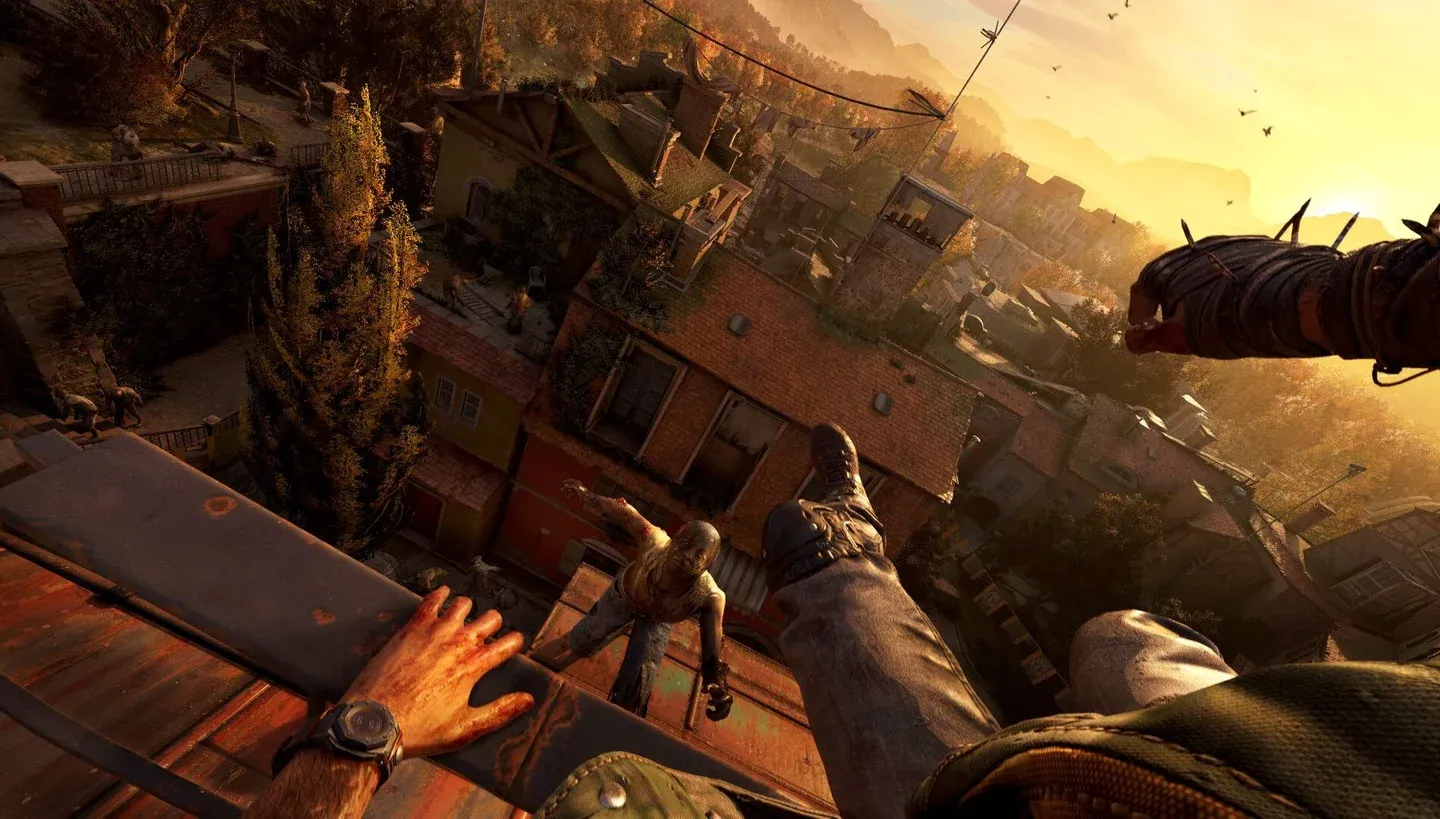
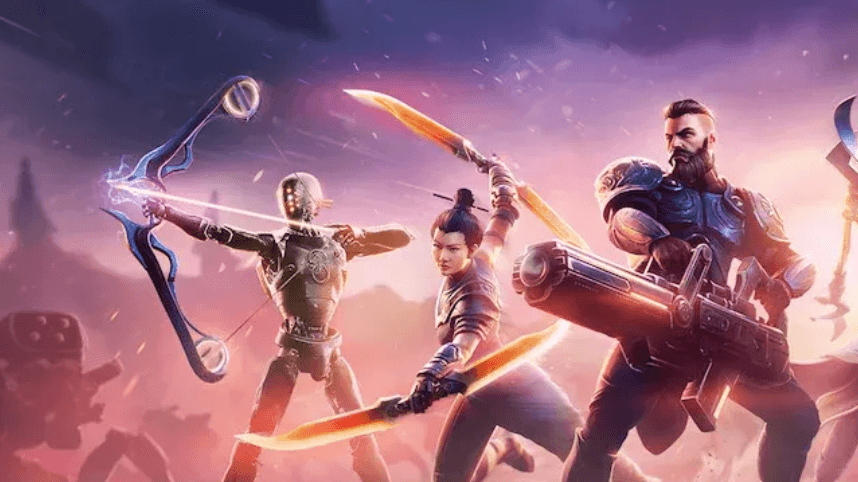
Dying Light: The Beast in action
Tymon Smektala, the former franchise director who recently departed Techland after 13 years, spoke at a Digital Dragons panel about the studio's approach to post-launch support and why it turned into one of the smartest business decisions the team ever made. The timing matters here: with Dying Light: The Beast now carrying the franchise forward, Smektala's reflections on what built the original game's legacy read as a direct blueprint for what comes next.
How a limited plan became a 10-year commitment
The original post-launch roadmap for Dying Light was, by Smektala's own admission, modest. The team planned to patch bugs and ship two DLCs, then move on. That was it.
Players had other ideas. The community stayed engaged, kept asking for more, and Techland responded. Each round of updates pulled in more players, which justified another round. Smektala described the feedback loop plainly: "Players are there, they are excited, they are supporting us, they want more of the game, so we did more. The appetite grew, they wanted even more, so we kept going."
That momentum eventually crystallized into a formal internal initiative Techland called 10 in 12, a plan to release 10 free DLCs within a single calendar year. The team hit the target, then kept going anyway. By the time the support cycle wound down, it had lasted a full decade. The most recent milestone was a graphics overhaul called Retouched, released last year, nearly 10 years after the original game launched.
The business case Smektala actually made
Here's the thing: long-term support is often framed as a goodwill gesture toward players, a way to show the community the developers care. Smektala is making a harder argument than that. He says the model is genuinely profitable when planned correctly.
The four concrete benefits he outlined are worth taking seriously:
- Keeps the game installed on players' hard drives, maintaining an active audience
- Builds community trust, which compounds over time
- Extends the commercial sales window significantly
- Allows the studio to hold the price at a higher level for longer
That last point is easy to overlook. Most games drop in price within months of launch. A title with an active, updating community has more justification to stay at or near its launch price, which directly affects revenue per unit sold.
The long-tail effect also primes the audience for a sequel. Players who stayed with Dying Light through years of free content were already invested when Dying Light: The Beast was announced. Smektala put it simply: "If you can plan the production around this wisely, the game will give back."
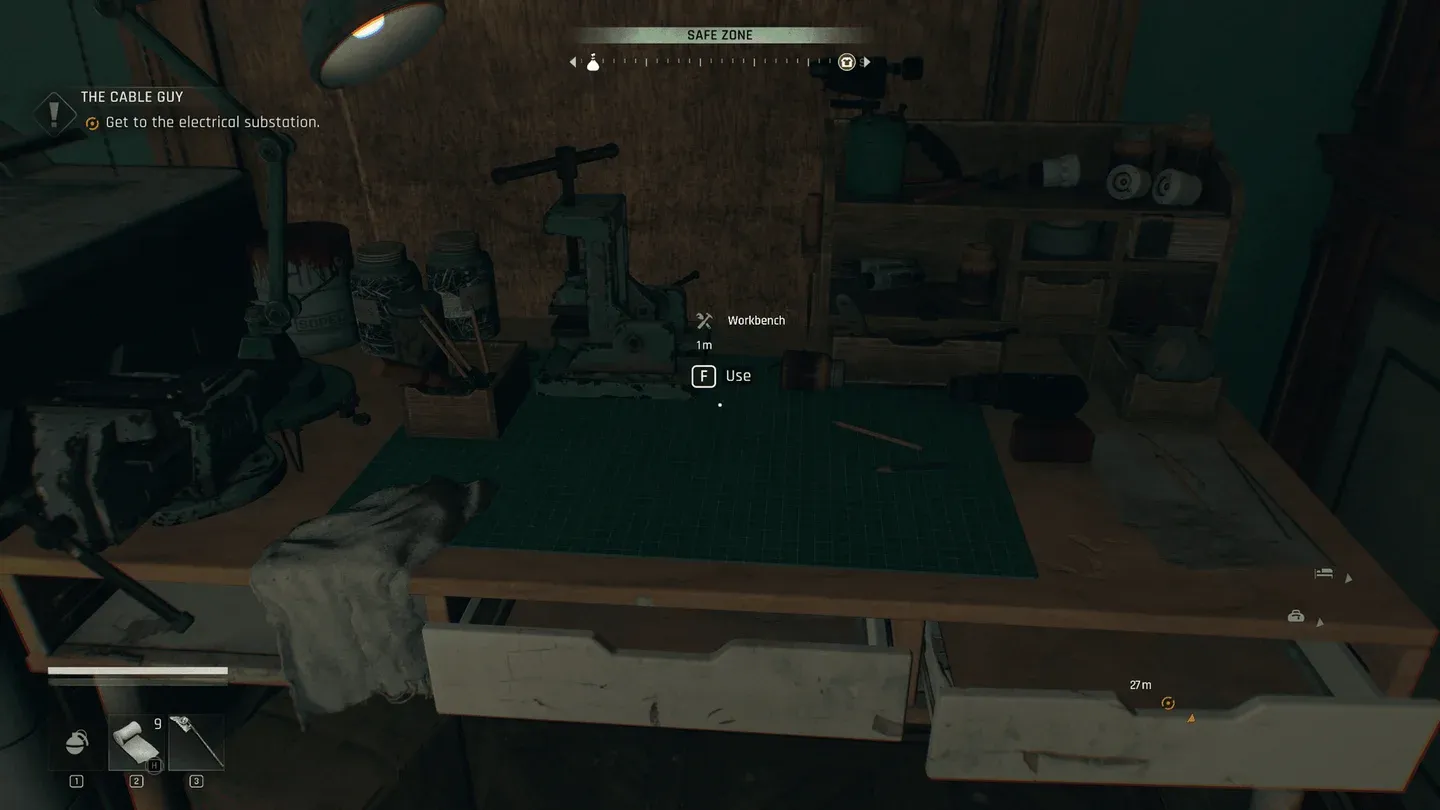
Weapon upkeep in The Beast
What this means for The Beast going forward
Smektala has since left Techland, but the philosophy he helped build into the franchise's DNA is clearly still present. Dying Light: The Beast already has post-launch content on the roadmap, including the Restored Land update that the current team has described as a full new chapter rather than a standard DLC drop.
The key here is that Techland isn't starting from scratch with this approach. They have a decade of data on what sustained community engagement looks like, what players respond to, and how to pace free content alongside paid expansions. That institutional knowledge is worth more than any single update.
For players jumping into The Beast now, the pattern suggests the game will keep growing after launch rather than going quiet. If you want to get ahead of the content curve, the Dying Light: The Beast strategy guides cover everything from weapon repair to the best mods available at launch, so you'll be ready whenever the next update drops.