
On March 24, Epic Games laid off more than 1,000 employees in a single day. For Fortnite, one of the most-played games on the planet, that means losing the people who built seasonal content, designed live events, and wrote the story beats players have followed for nearly a decade.
The immediate fallout has been raw and public. Robby Williams, a gameplay producer on Fortnite, posted on social media that the remaining team "cannot even fully understand what kind of impacts this will have on the game for the rest of the year and likely beyond." He pledged to keep pushing forward but asked players to be patient as the studio navigates what he called "truly gut-wrenching losses."
The people behind the game are gone
The human cost is steep. Christopher Pope, design director on Fortnite, was among those let go. So was principal engineer Evan Kinney and lead writer Nik Blahunka. These are veterans who shaped how the game feels, plays, and reads. Replacing that institutional knowledge doesn't happen in a sprint or two.
Williams captured the mood precisely: "Our teams will have to pick up the pieces and try to keep moving forward." That's a developer being honest about a situation that has no clean answer.

What Epic's CEO actually said
Tim Sweeney framed the cuts around a "downturn" in engagement, even as Fortnite continues to pull numbers most live service games would consider a success. His directive to surviving staff was to keep delivering "awesome Fortnite experiences with fresh seasonal content, gameplay, story, and live events" while also preparing for a transition to Unreal Engine 6.
That's an enormous ask of a team that just lost over a thousand colleagues. Sweeney promised more clarity on Epic's direction "towards the end of the year," which leaves a long stretch of uncertainty for both developers and players.
What this means for players right now
Fortnite isn't going anywhere. The game approaching its tenth birthday still commands a player base that most publishers would trade their entire catalog to have. But the rhythm of updates, the cadence of collaborations, and the ambition of live events could all slow down or shift in ways that aren't yet visible.
The Unreal Engine 6 transition adds another layer of complexity. Migrating a live game of this scale to a new engine while operating with a reduced workforce is the kind of challenge that doesn't get solved quietly. Players should expect the unexpected when it comes to the content roadmap.
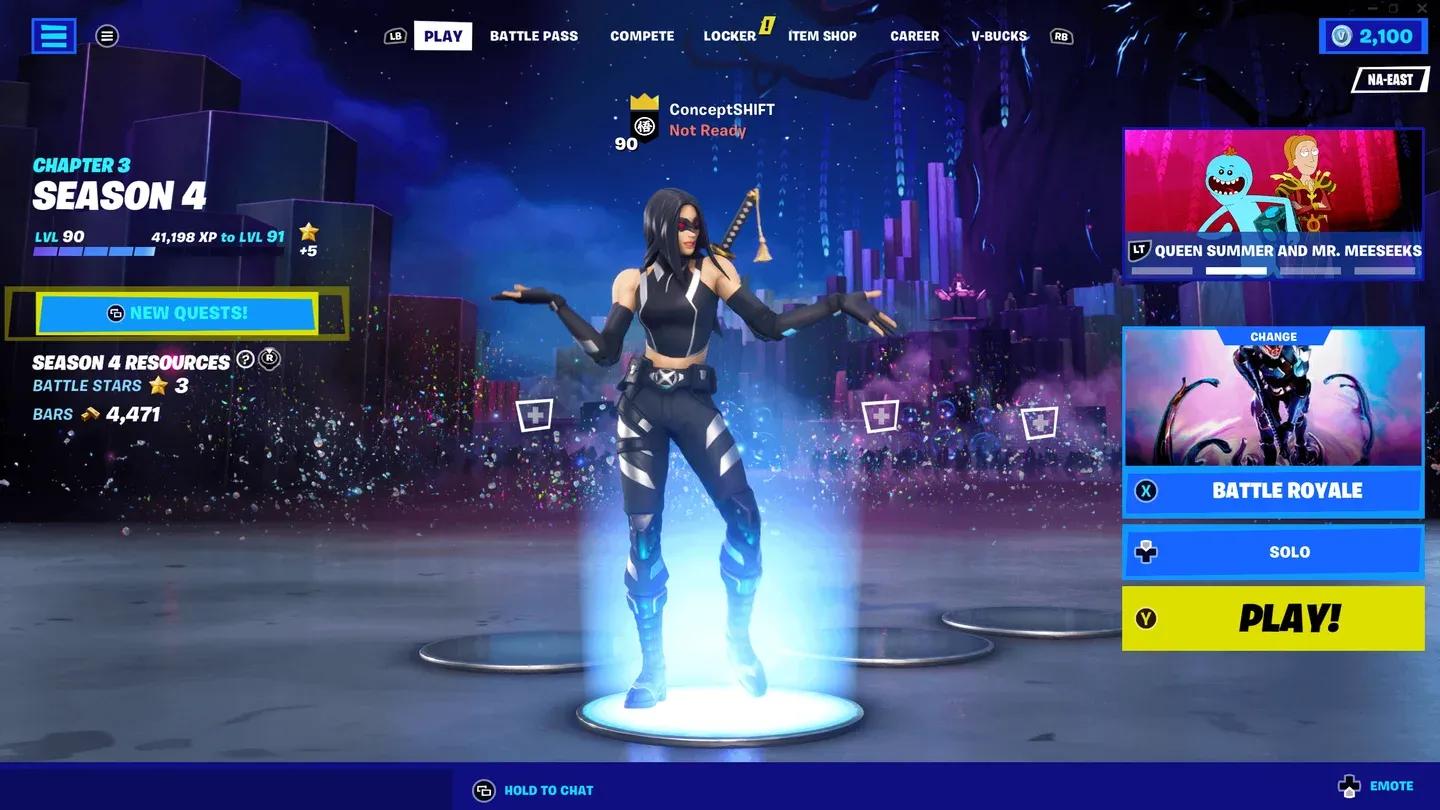
Seasonal updates may slow in pace
For the developers still at Epic, the pressure is real. Sweeney's message essentially asked a smaller team to maintain the output of a larger one. Whether that's sustainable is the question nobody at the company can answer yet, including Williams himself.
You can follow the latest official updates directly on the Epic Games newsroom as the studio works through what comes next. For now, the clearest signal from inside Fortnite's development team is that this year is going to look very different from any that came before it. Make sure to check out more: